

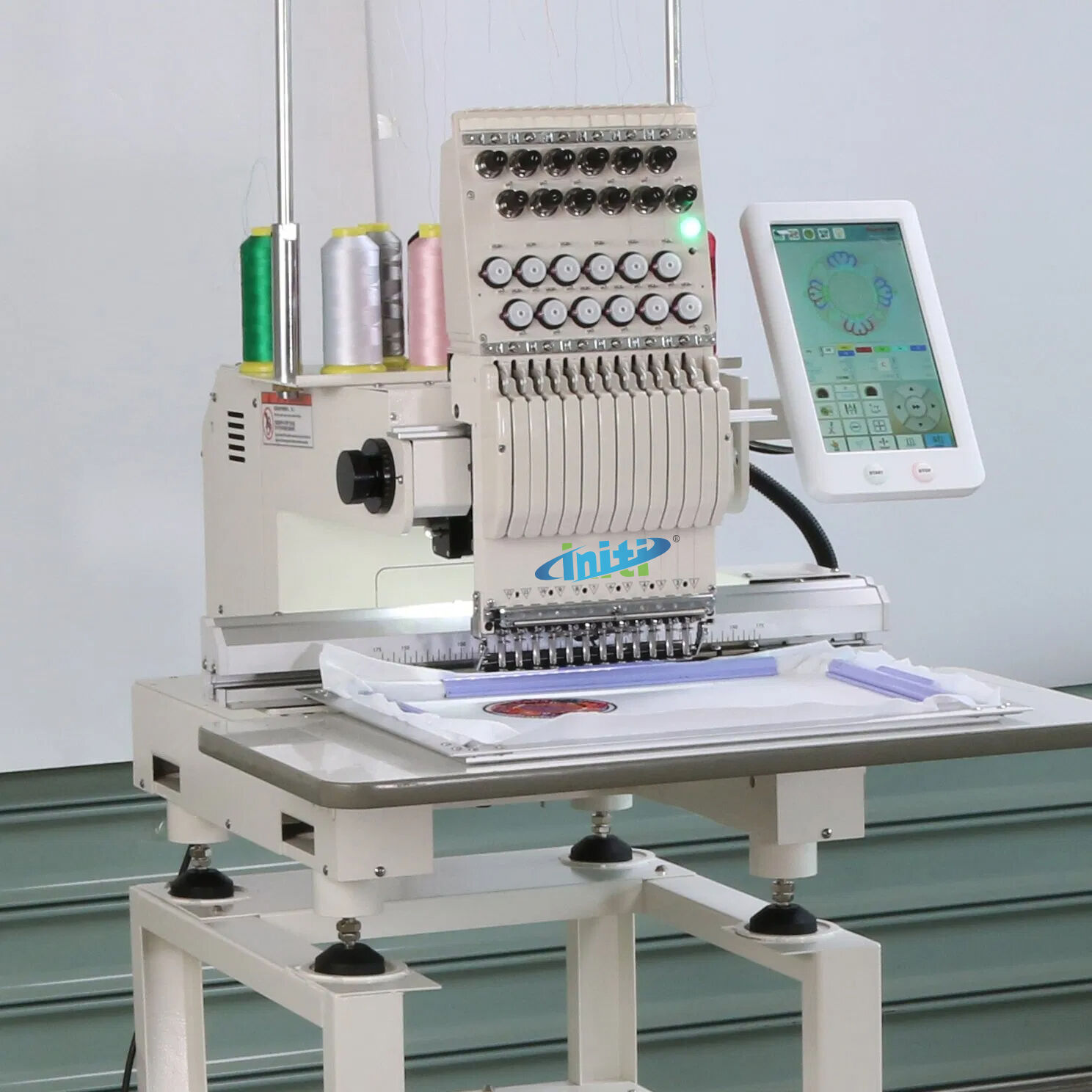
In today's competitive textile and garment manufacturing landscape, workplace safety has become a paramount concern for businesses investing in industrial equipment. A safe embroidery machine represents more than just compliance with regulatory standards; it embodies a commitment to protecting workers while maintaining optimal productivity levels. Modern embroidery facilities demand equipment that seamlessly integrates advanced safety features without compromising operational efficiency or embroidery quality.
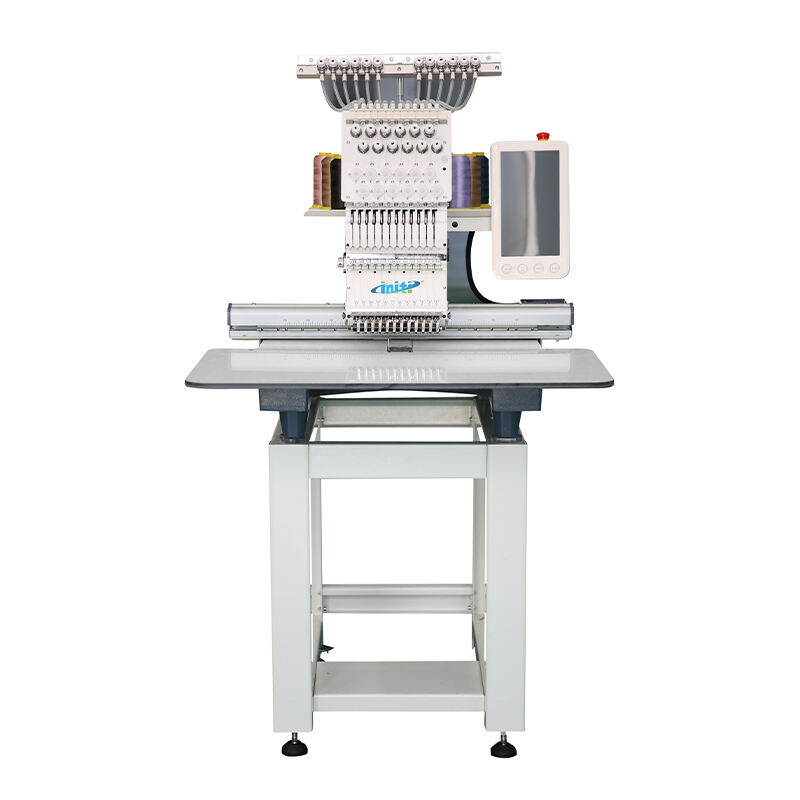
The evolution of embroidery technology has brought sophisticated safety mechanisms that protect operators from potential hazards while ensuring consistent production outcomes. Understanding these safety features becomes crucial for manufacturers seeking to minimize workplace accidents, reduce insurance costs, and maintain regulatory compliance. Investment in a properly designed safe embroidery machine ultimately translates to reduced downtime, lower maintenance costs, and enhanced worker confidence.
Emergency Safety Systems and Controls
Immediate Stop Mechanisms
Every reliable safe embroidery machine incorporates multiple emergency stop systems strategically positioned for operator accessibility. These red emergency buttons must be easily identifiable and within immediate reach of operators working at various positions around the machine. The emergency stop function should halt all mechanical movement instantly, including needle movement, frame positioning, and thread cutting operations.
Advanced emergency systems feature dual-channel safety circuits that prevent single-point failures from compromising operator protection. The design ensures that even if one safety circuit malfunctions, the secondary system maintains full protective capability. This redundancy proves essential in high-volume production environments where machine reliability directly impacts both safety and productivity metrics.
Safety Interlock Systems
Comprehensive safety interlock mechanisms prevent machine operation when protective guards or covers are removed or improperly positioned. These systems utilize magnetic sensors, limit switches, or optical detection methods to continuously monitor the integrity of safety barriers. A properly functioning safe embroidery machine will not initiate any operational cycle until all safety interlocks confirm proper positioning of protective elements.
The interlock system extends beyond simple door switches to include thread path guards, needle area protection, and maintenance access panels. Each interlock point communicates with the central control system to ensure comprehensive protection coverage. This integrated approach prevents accidental contact with moving parts during routine operations or maintenance procedures.
Protective Barriers and Guard Systems
Needle Area Protection
The needle area represents the highest risk zone on any embroidery machine, requiring robust protective barriers to prevent operator contact with moving needles and thread cutting mechanisms. A well-designed safe embroidery machine incorporates transparent polycarbonate or acrylic guards that provide complete visibility while maintaining physical separation between operators and hazardous components.
These protective barriers must withstand repeated opening and closing cycles without compromising structural integrity or optical clarity. The guard system should include automatic positioning mechanisms that ensure proper alignment and secure latching. Some advanced models feature pneumatic or motorized guard operation that integrates with the machine control system for seamless workflow integration.
Frame Movement Safety
Embroidery frame movement systems generate significant force and velocity during positioning operations, creating potential pinch points and collision hazards. Effective safety design incorporates pressure-sensitive edges, light curtains, or proximity sensors that detect operator presence in hazardous zones. The safe embroidery machine should immediately halt frame movement when these sensors detect potential interference.
Advanced frame safety systems include adjustable speed controls for different operational modes, allowing slower movements during setup or maintenance procedures. The safety system should also prevent frame movement beyond predetermined boundaries, protecting both operators and machine components from collision damage. These features prove particularly important in multi-head configurations where frame movements occur in close proximity to other machine components.
Electrical Safety and Control Systems
Power Management and Isolation
Electrical safety forms a critical foundation for any safe embroidery machine, beginning with proper power isolation and lockout capabilities. The main electrical enclosure should feature appropriate ingress protection ratings to prevent moisture, dust, or debris from compromising electrical components. All electrical connections must comply with relevant electrical codes and include proper grounding systems to prevent electrical shock hazards.
The control system should incorporate residual current devices and appropriate overcurrent protection to safeguard against electrical faults. Emergency power disconnection must be readily accessible and clearly marked, allowing immediate electrical isolation during emergency situations. These electrical safety measures protect both operators and equipment from potential electrical hazards during normal operation and maintenance activities.
Control System Safety Features
Modern embroidery machines rely on sophisticated control systems that must incorporate safety-rated components and programming logic. The control system should prevent unsafe operational sequences and provide clear indication of machine status and safety system conditions. Diagnostic capabilities should identify safety system faults and provide guidance for proper resolution procedures.
Safety-rated programmable logic controllers ensure reliable execution of safety functions even under adverse operating conditions. The system should maintain safety functionality independent of production control systems, preventing production software errors from compromising operator protection. This separation ensures that a safe embroidery machine maintains its protective capabilities regardless of production system status or configuration changes.
Ergonomic Design and Operator Protection
Workspace Layout and Accessibility
Ergonomic considerations directly impact operator safety by reducing physical strain and improving situational awareness during machine operation. A safe embroidery machine should provide adequate workspace clearance around all operator interaction points, preventing cramped working conditions that increase accident risk. The control interface should be positioned at appropriate heights and angles to minimize neck and back strain during extended operation periods.
Proper lighting design ensures adequate illumination of work areas without creating glare or shadows that could obscure potential hazards. The machine layout should provide clear sight lines to all operational areas, allowing operators to maintain awareness of machine status and potential safety concerns. These design elements contribute to a safer working environment by reducing operator fatigue and improving hazard recognition capabilities.
Noise and Vibration Control
Excessive noise and vibration levels can create both immediate safety hazards and long-term health concerns for machine operators. A properly designed safe embroidery machine incorporates sound dampening materials and vibration isolation systems to minimize these environmental factors. Noise levels should remain within acceptable occupational limits to prevent hearing damage and maintain clear communication capabilities in the work environment.
Vibration control systems protect both operators and machine components from excessive mechanical stress. Proper machine mounting and isolation prevent transmission of vibrations to building structures while maintaining operational stability. These measures ensure that the safe embroidery machine operates within acceptable environmental parameters for extended periods without compromising operator comfort or safety.
Maintenance Safety and Service Access
Safe Maintenance Procedures
Regular maintenance requirements necessitate safe access to internal machine components without compromising operator protection or machine integrity. A well-designed safe embroidery machine provides clearly defined maintenance access points with appropriate safety measures for each service requirement. Maintenance procedures should include proper lockout/tagout capabilities to ensure energy isolation during service activities.
Service documentation should clearly identify potential hazards associated with each maintenance task and specify required safety equipment or procedures. The machine design should minimize maintenance requirements in hazardous areas while providing safe access when service becomes necessary. This approach reduces maintenance-related accident risk while ensuring equipment reliability and longevity.
Component Accessibility and Safety
Critical maintenance components should be positioned for safe access without requiring operators to reach over or around moving parts or energized systems. Removable panels and covers should incorporate proper handling features to prevent injury during removal or installation. The safe embroidery machine should include clear labeling and color coding to identify maintenance points and associated safety requirements.
Specialized tools or equipment required for safe maintenance should be clearly specified in service documentation. The machine design should accommodate standard safety equipment and procedures without requiring modifications or workarounds that could compromise safety effectiveness. This systematic approach ensures that maintenance activities maintain the same safety standards as normal production operations.
Training and Safety Documentation
Operator Training Requirements
Comprehensive operator training forms an essential component of safe embroidery machine operation, extending beyond basic operational procedures to include thorough safety awareness and emergency response capabilities. Training programs should address all safety features and their proper use, ensuring operators understand both the protective capabilities and limitations of installed safety systems.
Effective training includes hands-on demonstration of safety features, emergency procedures, and proper response to fault conditions. Operators should understand how their actions affect machine safety systems and the importance of maintaining safety device integrity. This knowledge ensures that the safe embroidery machine operates within its designed safety parameters throughout its operational lifecycle.
Documentation and Compliance
Proper documentation provides essential reference materials for safe operation, maintenance, and emergency response procedures. The safe embroidery machine should include comprehensive safety manuals that clearly explain all safety features, their operation, and maintenance requirements. This documentation serves as both operational guidance and compliance verification for regulatory inspections.
Safety documentation should include risk assessments, safety device specifications, and compliance certifications for relevant safety standards. Regular updates ensure that documentation remains current with machine modifications or regulatory changes. This systematic approach to documentation supports ongoing safety compliance and provides valuable reference materials for training and operational procedures.
FAQ
What are the most important safety features to look for in an embroidery machine
The most critical safety features include emergency stop systems, protective guards around needle areas, safety interlocks on access panels, and proper electrical isolation capabilities. A safe embroidery machine should also incorporate frame movement protection, adequate lighting, and ergonomic design elements that reduce operator fatigue and improve situational awareness during operation.
How often should safety systems be inspected on embroidery machines
Safety systems require daily visual inspections to verify proper function of guards, emergency stops, and interlock systems. Monthly detailed inspections should include testing of all safety devices and documentation of their condition. Annual comprehensive safety audits by qualified technicians ensure that the safe embroidery machine maintains its protective capabilities and compliance with current safety standards.
What training is required for operators of industrial embroidery machines
Operators must receive comprehensive training covering machine operation, safety procedures, emergency response, and basic maintenance tasks. Training should include hands-on demonstration of all safety features and their proper use. Refresher training should occur annually or whenever safety procedures change to ensure operators maintain current knowledge of safe embroidery machine operation.
Are there specific safety standards that embroidery machines must meet
Yes, embroidery machines must comply with relevant machinery safety standards such as OSHA regulations, CE marking requirements in Europe, and industry-specific safety guidelines. A properly certified safe embroidery machine will include documentation verifying compliance with applicable standards and regular safety assessments to maintain certification status throughout its operational lifetime.