

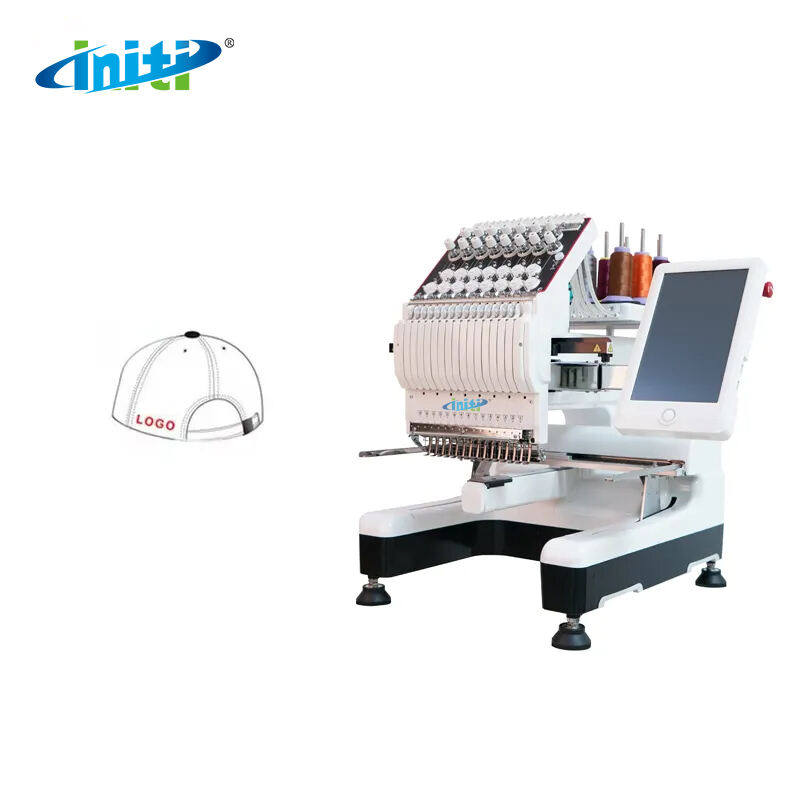
Modern manufacturing environments demand strict adherence to safety standards, particularly when operating complex machinery like computerized embroidery equipment. Understanding embroidery machine safety certifications has become crucial for manufacturers, business owners, and operators who want to ensure workplace safety while maintaining compliance with international regulations. These certifications serve as comprehensive guidelines that protect both equipment investment and human resources in industrial settings.
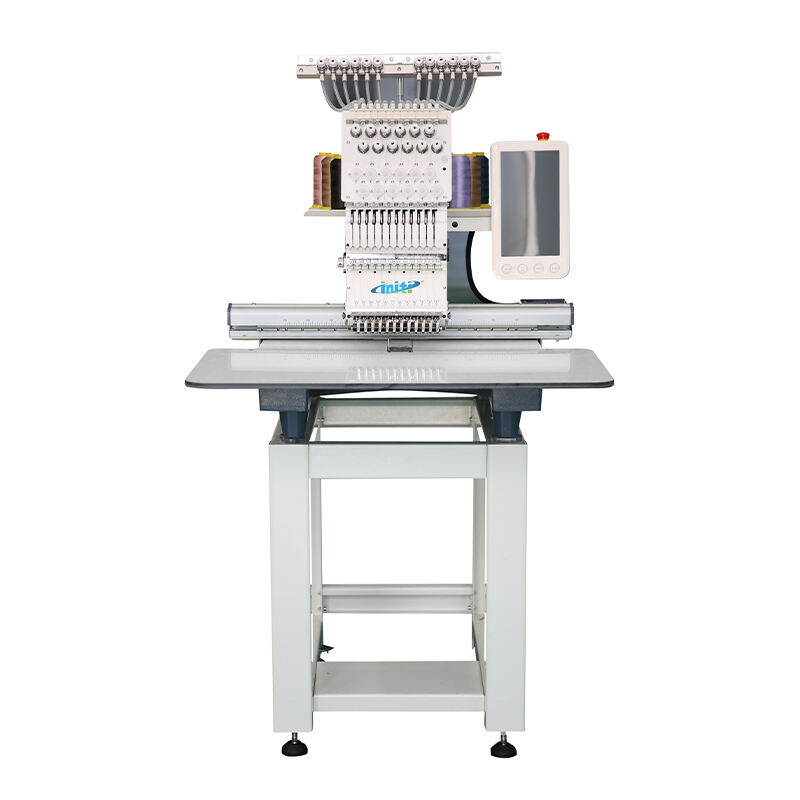
The landscape of embroidery machine safety certifications encompasses various international standards that manufacturers must navigate carefully. Each certification addresses specific aspects of machine design, electrical safety, mechanical protection, and operational procedures. Professional embroidery operations rely on these standards to minimize risks while maximizing productivity and ensuring long-term equipment reliability.
CE Marking Requirements for Embroidery Equipment
European Conformity Standards
The CE marking represents one of the most recognized embroidery machine safety certifications in global markets. This European Conformity declaration indicates that computerized embroidery machines meet essential health, safety, and environmental protection requirements established by European Union directives. Manufacturers must demonstrate compliance through rigorous testing procedures that evaluate electrical safety, electromagnetic compatibility, and mechanical design standards.
CE certification for embroidery machines involves comprehensive assessment of control systems, emergency stop mechanisms, and user interface safety features. The certification process examines how machines handle power fluctuations, operator interaction protocols, and fail-safe mechanisms that prevent accidents during operation. These requirements ensure that embroidery equipment operates safely across diverse industrial environments while maintaining consistent performance standards.
Documentation and Compliance Processes
Obtaining CE certification requires extensive documentation that demonstrates adherence to applicable European standards. Manufacturers must provide technical files containing design specifications, risk assessments, test reports, and user manuals that clearly outline safety procedures. This documentation process ensures that embroidery machine safety certifications reflect actual equipment capabilities rather than theoretical compliance claims.
The compliance verification process includes third-party testing by notified bodies that specialize in machinery safety assessment. These organizations conduct independent evaluations of embroidery machines to verify that safety features function correctly under various operating conditions. The resulting certificates provide buyers with confidence that their equipment investments meet stringent European safety requirements.
International Safety Standards Framework
ISO and IEC Certification Requirements
Beyond CE marking, embroidery machine safety certifications include various International Organization for Standardization protocols that address global manufacturing needs. ISO 12100 provides fundamental principles for machinery safety design, while IEC 60204-1 establishes electrical equipment standards for industrial machines. These frameworks create comprehensive safety guidelines that embroidery machine manufacturers must integrate into their design processes.
The ISO certification framework addresses ergonomic considerations, noise levels, vibration control, and maintenance accessibility for embroidery equipment. These standards recognize that operator safety extends beyond immediate hazard prevention to include long-term health considerations related to repetitive work environments. Properly certified machines incorporate design features that minimize physical strain while maintaining operational efficiency.
Regional Safety Compliance Variations
Different geographical markets impose unique requirements for embroidery machine safety certifications that reflect local industrial practices and regulatory frameworks. North American markets typically require UL listing or CSA approval, while Asian markets may emphasize different testing protocols and documentation requirements. Understanding these regional variations helps manufacturers select appropriate equipment for specific market applications.
Manufacturers operating in multiple markets must often obtain several different safety certifications to ensure comprehensive compliance. This multi-certification approach requires careful coordination between design teams, testing laboratories, and regulatory experts who understand the nuances of various international standards. The investment in comprehensive certification typically results in broader market acceptance and reduced liability exposure for equipment operators.
Electrical Safety Certification Components
Power System Protection Standards
Electrical safety represents a critical component of embroidery machine safety certifications, particularly given the sophisticated control systems found in modern computerized equipment. These machines require robust electrical protection systems that prevent overcurrent conditions, ground fault scenarios, and power supply irregularities that could damage equipment or endanger operators. Certification standards specify requirements for circuit protection devices, grounding systems, and electrical isolation mechanisms.
Modern embroidery machines incorporate advanced electrical safety features including emergency disconnect switches, lockout/tagout capabilities, and integrated monitoring systems that detect electrical anomalies. These safety systems must undergo rigorous testing to verify proper operation under various fault conditions. The certification process ensures that electrical protection systems respond appropriately to prevent accidents while minimizing unnecessary production interruptions.
Control System Safety Integration
Computerized embroidery machines rely on sophisticated control systems that manage multiple operational parameters simultaneously. Safety certifications address how these control systems handle emergency situations, operator commands, and system malfunctions that could create hazardous conditions. The integration of safety functions into control software requires careful validation to ensure reliable operation under all operating scenarios.
Control system safety certification examines software reliability, hardware redundancy, and human-machine interface design that promotes safe operation. These evaluations consider how operators interact with machine controls during normal operation, maintenance procedures, and emergency situations. Properly certified control systems provide intuitive operation while maintaining essential safety barriers that prevent accidents.
Mechanical Safety Assessment Criteria
Moving Parts Protection Requirements
Embroidery machines contain numerous moving components that require comprehensive protection systems to prevent operator injury. Safety certifications establish specific requirements for guards, barriers, and interlocking devices that protect operators from contact with rotating parts, reciprocating mechanisms, and high-speed needle assemblies. These protection systems must balance operator safety with maintenance accessibility and operational efficiency.
The mechanical safety assessment process evaluates guard effectiveness, interlock reliability, and emergency stopping capabilities under various operating conditions. Certification standards specify minimum safety distances, guard strength requirements, and detection system sensitivity that ensures adequate protection without compromising machine functionality. These requirements help manufacturers design equipment that provides inherent safety without requiring excessive operator precautions.
Ergonomic Design Validation
Modern embroidery machine safety certifications increasingly emphasize ergonomic considerations that affect long-term operator health and safety. These standards address workstation design, control placement, material handling requirements, and maintenance accessibility that influence operator comfort and injury risk. Proper ergonomic design reduces repetitive strain injuries while improving overall workplace productivity.
Ergonomic certification requirements examine operator reach distances, visual sight lines, physical effort requirements, and environmental factors that affect workplace comfort. The assessment process considers how different operators interact with embroidery equipment throughout typical work shifts. These evaluations help identify design improvements that enhance safety while supporting efficient production operations.
Environmental and Operational Safety Standards
Noise and Vibration Control Certification
Environmental safety considerations represent an important aspect of comprehensive embroidery machine safety certifications that address workplace health beyond immediate injury prevention. Noise levels, vibration transmission, and air quality impacts require careful evaluation to ensure compliance with occupational health standards. These factors significantly influence long-term operator comfort and overall workplace safety conditions.
Certification processes measure actual noise emissions, vibration levels, and environmental impacts under realistic operating conditions. The testing protocols consider various operating speeds, material types, and production patterns that reflect actual industrial applications. These measurements help operators understand environmental requirements for safe equipment installation and operation in specific workplace settings.
Emergency Response System Requirements
Comprehensive embroidery machine safety certifications address emergency response capabilities that enable rapid shutdown and safe evacuation procedures during critical situations. These systems must function reliably under various emergency scenarios including power failures, mechanical malfunctions, and operator medical emergencies. The certification process validates emergency system reliability and response times under simulated crisis conditions.
Emergency response certification examines communication systems, backup power supplies, and automated shutdown sequences that protect both equipment and personnel during crisis situations. The evaluation process considers integration with facility-wide emergency systems and compatibility with existing safety protocols. Proper emergency response certification ensures that embroidery equipment contributes to overall workplace safety rather than creating additional emergency management complications.
Maintenance Safety and Training Requirements
Service Personnel Protection Standards
Embroidery machine safety certifications address maintenance and service activities that expose personnel to different hazards than normal operation. These standards specify lockout/tagout procedures, service access requirements, and specialized safety equipment needed for maintenance tasks. The certification process ensures that maintenance activities can be performed safely without compromising equipment integrity or creating unnecessary risks.
Service safety requirements examine tool requirements, workspace access, and communication protocols that protect maintenance personnel during equipment service. The standards address both routine maintenance procedures and complex repair operations that may require specialized safety precautions. Proper maintenance safety certification helps organizations develop comprehensive service protocols that protect personnel while maintaining equipment reliability.
Operator Training Certification Integration
Modern safety certification frameworks increasingly recognize that equipment safety depends heavily on proper operator training and competency verification. Embroidery machine safety certifications may specify training requirements, competency assessment criteria, and ongoing education programs that ensure operators maintain current safety knowledge. These requirements help organizations develop comprehensive safety programs that address both equipment and human factors.
Training certification requirements examine curriculum content, hands-on experience requirements, and assessment methods that verify operator competency. The standards consider various skill levels, language barriers, and cultural factors that influence training effectiveness. Comprehensive training certification helps ensure that operators understand both equipment capabilities and safety limitations that affect workplace safety.
FAQ
What are the most important embroidery machine safety certifications for industrial applications
The most critical embroidery machine safety certifications for industrial use include CE marking for European markets, UL listing for North American applications, and ISO compliance for global operations. These certifications address electrical safety, mechanical protection, and operational standards that ensure equipment meets international safety requirements. Additionally, specific industry applications may require specialized certifications related to clean room environments, explosive atmosphere protection, or medical device manufacturing standards.
How do safety certifications affect embroidery machine insurance and liability coverage
Proper safety certifications significantly impact insurance premiums, liability coverage, and legal compliance for embroidery equipment operators. Insurance providers typically require proof of appropriate certifications before issuing coverage, and certified equipment often qualifies for reduced premium rates. Additionally, safety certifications provide important legal protection during accident investigations and liability assessments, demonstrating that equipment meets recognized industry safety standards.
What maintenance requirements are associated with embroidery machine safety certifications
Safety certifications typically require regular maintenance schedules, safety system inspections, and documentation procedures that maintain certification validity. These requirements may include periodic testing of emergency stops, electrical system inspections, and calibration of safety sensors. Organizations must maintain detailed records of maintenance activities and safety system performance to demonstrate ongoing compliance with certification requirements during audits or inspections.
How often do embroidery machine safety certifications require renewal or updates
Most embroidery machine safety certifications remain valid for the equipment lifetime provided that no significant modifications occur and proper maintenance procedures are followed. However, regulatory updates, software changes, or mechanical modifications may require recertification to maintain compliance. Organizations should monitor certification requirements and consult with manufacturers when planning equipment upgrades or modifications that could affect safety certification status.
Table of Contents
- CE Marking Requirements for Embroidery Equipment
- International Safety Standards Framework
- Electrical Safety Certification Components
- Mechanical Safety Assessment Criteria
- Environmental and Operational Safety Standards
- Maintenance Safety and Training Requirements
-
FAQ
- What are the most important embroidery machine safety certifications for industrial applications
- How do safety certifications affect embroidery machine insurance and liability coverage
- What maintenance requirements are associated with embroidery machine safety certifications
- How often do embroidery machine safety certifications require renewal or updates