

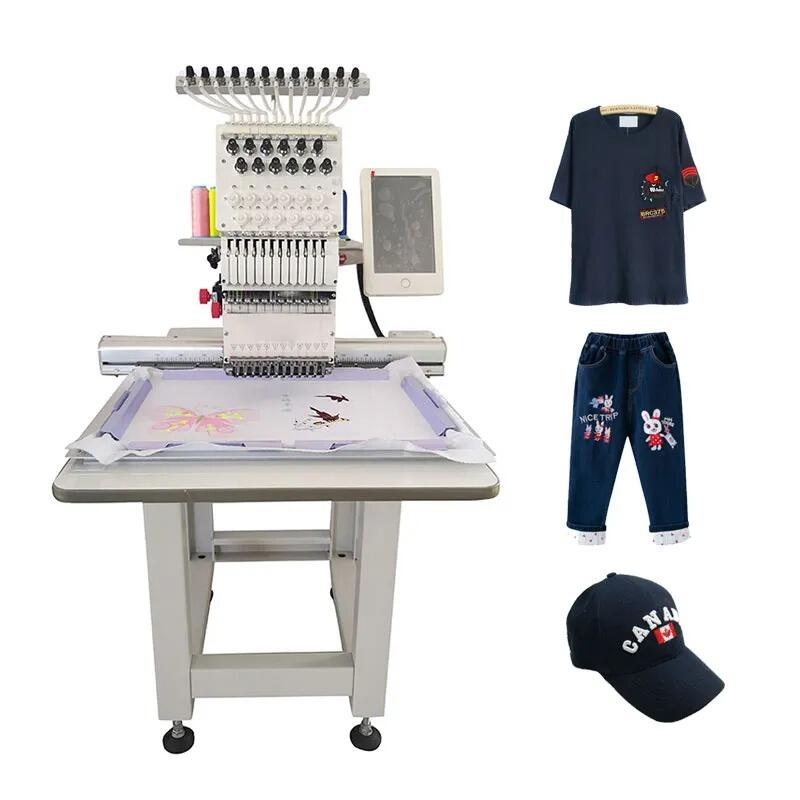
When investing in commercial embroidery equipment, understanding embroidery machine build quality becomes paramount for ensuring long-term productivity and cost-effectiveness. Professional embroiderers and manufacturers must evaluate numerous construction factors that directly impact performance, durability, and operational reliability. The quality of materials, precision engineering, and manufacturing standards determine whether an embroidery machine will deliver consistent results over years of intensive use or require frequent repairs and replacements.
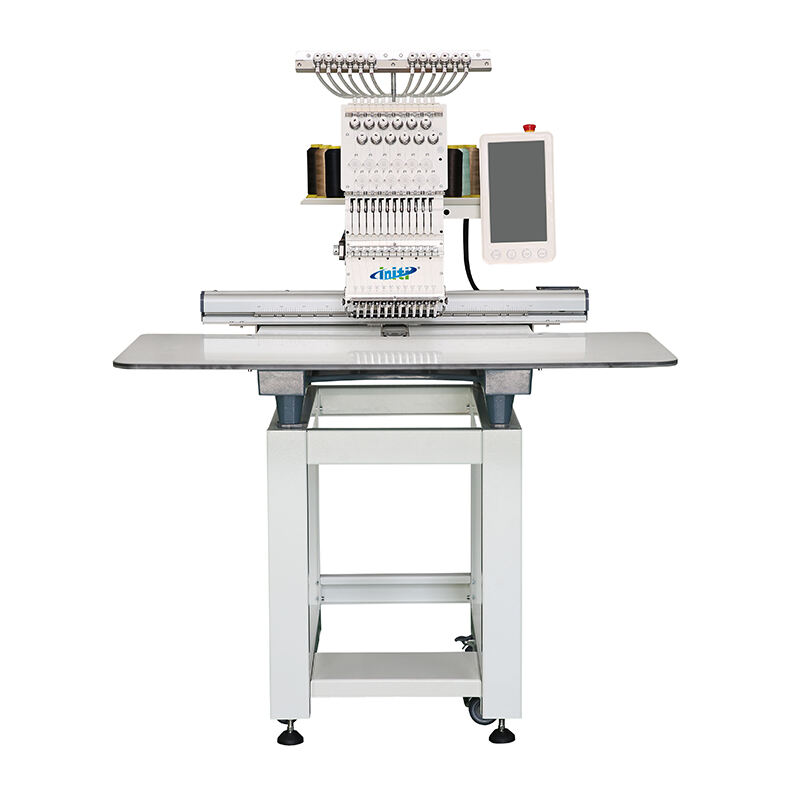
Modern industrial embroidery machines incorporate sophisticated mechanical systems that demand precise tolerances and robust construction. The difference between superior and mediocre embroidery machine build quality often lies in subtle engineering details that significantly affect operational performance. Buyers who understand these critical quality indicators can make informed decisions that protect their investment while ensuring optimal production capabilities for their specific applications.
Frame Construction and Structural Integrity
Steel Frame Composition and Thickness
The foundation of superior embroidery machine build quality begins with the frame construction materials and engineering approach. High-grade steel frames provide essential rigidity that prevents vibration and maintains precise needle positioning during high-speed operation. Quality manufacturers utilize heavy-gauge steel with specific alloy compositions that resist fatigue and dimensional changes under continuous stress cycles.
Professional embroidery machines require frame thickness measurements that exceed standard specifications to accommodate intensive production schedules. The steel frame serves as the anchor point for all mechanical components, and insufficient thickness directly compromises embroidery machine build quality by allowing flexural movement that affects stitch precision and consistency.
Welding quality and joint construction methods significantly impact overall structural integrity and long-term durability. Premium manufacturers employ robotic welding systems with consistent penetration depths and heat-affected zones that maintain material properties while creating seamless connections between frame components.
Vibration Dampening Systems
Advanced embroidery machines incorporate sophisticated vibration control mechanisms that enhance embroidery machine build quality through reduced mechanical stress and improved stitch accuracy. These systems typically include elastomeric mounting points, dynamic balancing components, and resonance frequency tuning that minimizes harmful vibrations during operation.
The effectiveness of vibration dampening directly correlates with machine longevity and consistent output quality. Manufacturers who prioritize embroidery machine build quality invest in computational analysis and testing to optimize dampening characteristics for specific operating conditions and production requirements.
Motor Systems and Drive Mechanisms
Servo Motor Specifications and Performance
Premium embroidery machines utilize high-precision servo motors that deliver exceptional torque characteristics and positional accuracy essential for superior embroidery machine build quality. These motors feature advanced encoder systems with resolution capabilities that enable precise needle positioning and consistent thread tension control throughout complex embroidery patterns.
Motor thermal management systems prevent overheating during extended operation cycles while maintaining consistent performance parameters. Quality indicators include motor housing materials, bearing specifications, and cooling system integration that collectively determine operational reliability and service life expectations.
Drive motor specifications should include overload protection, regenerative braking capabilities, and programmable acceleration profiles that optimize embroidery machine build quality for specific fabric types and design complexity requirements. Advanced servo systems provide real-time feedback that enables automatic adjustments for maintaining consistent stitch quality.
Transmission and Gear Reduction Systems
High-quality embroidery machines employ precision gear reduction systems with minimal backlash characteristics that ensure accurate motion transmission from servo motors to needle assemblies. The transmission system quality directly affects embroidery machine build quality through its impact on positioning accuracy and mechanical durability under continuous operation.
Premium transmission components feature hardened gear teeth, precision-ground surfaces, and appropriate lubrication systems that maintain consistent performance over extended service intervals. Manufacturers who prioritize embroidery machine build quality specify transmission ratios and torque capacities that provide adequate safety margins for demanding production applications.
Needle and Thread Management Systems
Needle Bar Construction and Precision
The needle bar assembly represents a critical component that significantly influences overall embroidery machine build quality through its direct impact on stitch formation and thread handling characteristics. Premium needle bars utilize precision-machined components with tight dimensional tolerances that ensure consistent needle positioning and minimal deflection during high-speed operation.
Material selection for needle bar construction affects both durability and performance characteristics essential for maintaining superior embroidery machine build quality. High-grade steel alloys with appropriate heat treatment provide optimal stiffness and wear resistance while minimizing weight for reduced inertial loads during rapid directional changes.
Bearing systems within needle bar assemblies require precision specifications and appropriate lubrication to maintain smooth operation and extended service life. Quality manufacturers incorporate sealed bearing assemblies with specified load ratings that exceed operational requirements while providing consistent performance throughout the machine's service life.
Thread Tensioning and Control Mechanisms
Advanced thread tensioning systems demonstrate superior embroidery machine build quality through precise control mechanisms that automatically adjust tension parameters based on thread type, fabric characteristics, and stitch requirements. These systems incorporate electronic monitoring and feedback control that maintains consistent tension throughout complex embroidery patterns.
Thread path engineering affects both performance and durability by minimizing friction points and providing smooth thread flow from supply spools to needle eyes. Quality manufacturers design thread paths with appropriate guide positioning and surface treatments that reduce thread wear while maintaining consistent feeding characteristics.
Electronic Control Systems and Integration
Processing Power and Memory Capabilities
Modern embroidery machines require sophisticated electronic control systems that demonstrate superior embroidery machine build quality through advanced processing capabilities and comprehensive memory resources. High-performance processors enable complex pattern calculations, real-time motion control, and simultaneous multi-axis coordination essential for precision embroidery production.
Memory specifications must accommodate large embroidery files while providing rapid access times that prevent operational delays during pattern transitions. Quality control systems include redundant memory protection and error correction capabilities that ensure data integrity throughout extended production runs.
User interface design and display quality reflect overall embroidery machine build quality through intuitive operation controls and comprehensive monitoring capabilities. Advanced interfaces provide real-time performance feedback, diagnostic information, and programmable automation features that enhance productivity and reduce operator intervention requirements.
Sensor Integration and Monitoring Systems
Premium embroidery machines incorporate comprehensive sensor networks that continuously monitor critical parameters affecting embroidery machine build quality and operational performance. These sensors include thread break detection, fabric positioning verification, and motor performance monitoring that enable automatic adjustments and fault prevention.
Sensor reliability and accuracy directly impact overall system performance through their role in maintaining consistent embroidery quality and preventing production interruptions. Quality manufacturers specify industrial-grade sensors with appropriate environmental ratings and proven long-term stability characteristics.
Mechanical Precision and Tolerances
Manufacturing Tolerances and Quality Control
Exceptional embroidery machine build quality depends on stringent manufacturing tolerances that ensure precise component alignment and consistent mechanical performance. Premium manufacturers maintain dimensional accuracy specifications that exceed industry standards while implementing comprehensive quality control processes throughout production.
Machining precision affects critical components including needle positioning systems, frame alignment, and drive mechanism integration. Quality control procedures include coordinate measurement verification, surface finish inspection, and assembly tolerance validation that collectively ensure superior embroidery machine build quality.
Material traceability and certification provide additional quality assurance by documenting component origins and material properties that affect long-term durability and performance characteristics. Manufacturers committed to superior embroidery machine build quality maintain detailed records that enable continuous improvement and quality optimization.
Assembly Procedures and Testing Protocols
Professional assembly procedures significantly impact final embroidery machine build quality through careful attention to component integration, calibration accuracy, and performance verification. Skilled technicians follow detailed assembly protocols that ensure proper torque specifications, alignment verification, and functional testing at each assembly stage.
Comprehensive testing protocols validate embroidery machine build quality through operational verification under various conditions including speed variations, pattern complexity, and extended operation cycles. Quality assurance testing includes stitch quality evaluation, positioning accuracy measurement, and system reliability assessment.
Durability Assessment and Longevity Factors
Wear Component Identification and Specifications
Understanding wear component characteristics enables accurate assessment of long-term embroidery machine build quality and maintenance requirements. Critical wear components include needle bars, thread guides, tension assemblies, and drive belts that require periodic replacement to maintain optimal performance levels.
Component material specifications and expected service intervals provide valuable insights into overall embroidery machine build quality and operational cost projections. Premium manufacturers specify wear components with extended service life ratings and provide detailed maintenance schedules that optimize performance while minimizing downtime.
Replacement part availability and cost considerations affect total ownership expenses and long-term viability of embroidery equipment investments. Quality manufacturers maintain comprehensive parts inventory and provide technical support that ensures continued operation throughout the machine's service life.
Environmental Resistance and Protection
Superior embroidery machine build quality includes appropriate environmental protection features that maintain consistent performance under varying operating conditions. These protections include dust sealing, moisture resistance, and temperature compensation systems that prevent performance degradation in challenging environments.
Corrosion resistance treatments and material selection demonstrate manufacturer commitment to long-term embroidery machine build quality through appropriate surface coatings and alloy specifications. Environmental protection extends component service life while reducing maintenance requirements and operational interruptions.
FAQ
What are the most important structural elements to examine when evaluating embroidery machine build quality
The frame construction represents the most critical structural element affecting embroidery machine build quality, requiring heavy-gauge steel construction with precision welding and appropriate vibration dampening systems. Additionally, examine the needle bar assembly for precision machining and bearing quality, motor mounting systems for rigidity and alignment, and overall component integration for manufacturing tolerances and assembly quality.
How do motor specifications impact overall embroidery machine build quality and performance
Motor specifications directly influence embroidery machine build quality through servo motor precision, torque characteristics, and encoder resolution capabilities that determine positioning accuracy and stitch consistency. High-quality motors feature advanced thermal management, overload protection, and regenerative braking systems that ensure reliable operation under intensive production conditions while maintaining consistent performance parameters.
What electronic control features indicate superior embroidery machine build quality
Advanced electronic control systems demonstrate superior embroidery machine build quality through high-performance processors, comprehensive memory resources, and sophisticated sensor integration that enable real-time monitoring and automatic adjustments. Quality indicators include intuitive user interfaces, redundant memory protection, comprehensive diagnostic capabilities, and industrial-grade components with proven long-term reliability specifications.
How can buyers assess long-term durability and maintenance requirements for embroidery machine build quality
Evaluate wear component specifications, material certifications, and expected service intervals to assess long-term embroidery machine build quality and maintenance requirements. Examine replacement part availability, technical support resources, and manufacturer warranty coverage that indicate commitment to sustained performance. Additionally, review component material specifications, environmental protection features, and quality control documentation that demonstrate manufacturing standards and durability expectations.
Table of Contents
- Frame Construction and Structural Integrity
- Motor Systems and Drive Mechanisms
- Needle and Thread Management Systems
- Electronic Control Systems and Integration
- Mechanical Precision and Tolerances
- Durability Assessment and Longevity Factors
-
FAQ
- What are the most important structural elements to examine when evaluating embroidery machine build quality
- How do motor specifications impact overall embroidery machine build quality and performance
- What electronic control features indicate superior embroidery machine build quality
- How can buyers assess long-term durability and maintenance requirements for embroidery machine build quality