

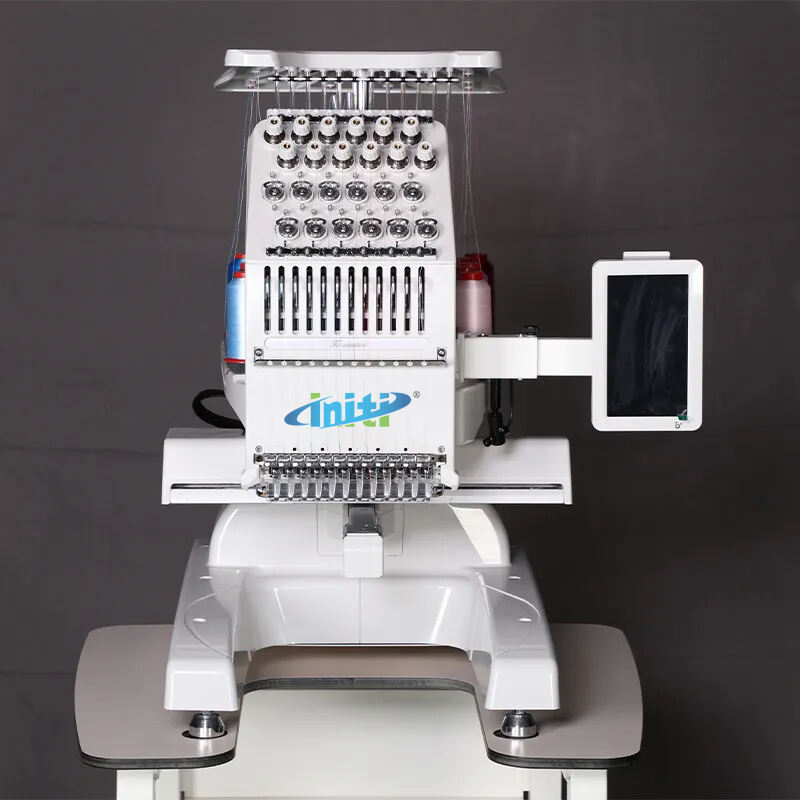
Modern industrial embroidery operations depend heavily on advanced technology to maintain productivity while ensuring operator safety. The computerized embroidery machine has revolutionized textile manufacturing, bringing unprecedented precision and efficiency to commercial production environments. However, with this technological advancement comes the critical responsibility of implementing comprehensive safety protocols that protect workers from potential hazards inherent in automated machinery operations.
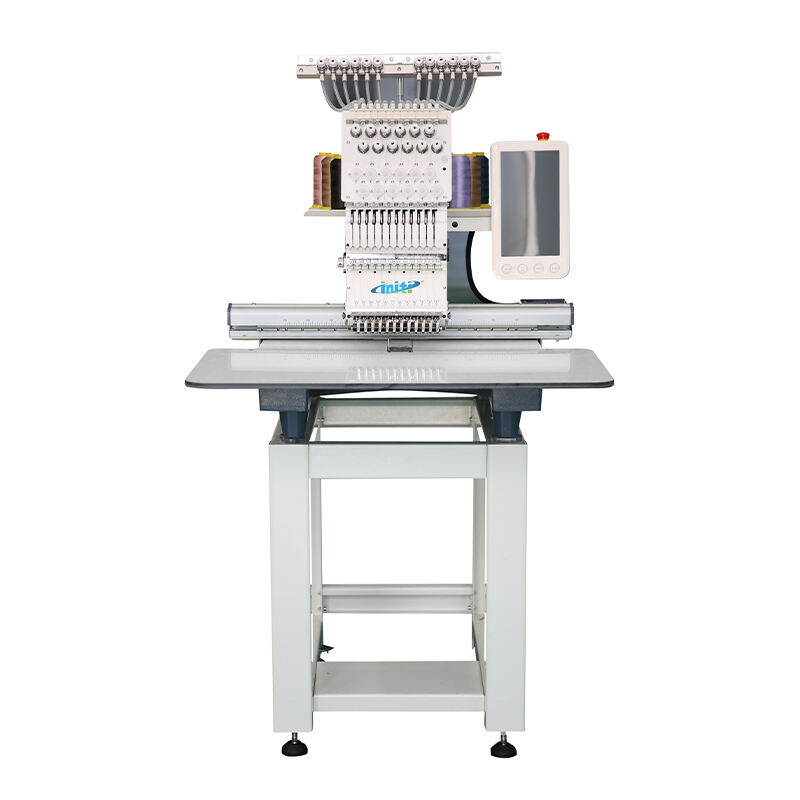
Safety standards in computerized embroidery operations encompass multiple layers of protection, from mechanical safeguards to electrical safety protocols. Understanding these standards is essential for facility managers, safety coordinators, and equipment operators who work with computerized embroidery machinery on a daily basis. The implementation of proper safety measures not only protects human resources but also ensures consistent production quality and minimizes costly downtime due to accidents or equipment damage.
The evolution of safety regulations in the embroidery industry reflects the increasing complexity of modern computerized systems. As computerized embroidery machine technology becomes more sophisticated, safety standards must adapt to address new potential risks while maintaining operational efficiency. This comprehensive approach to safety creates a framework that supports both worker protection and business continuity in competitive manufacturing environments.
Mechanical Safety Systems and Guard Technologies
Primary Machine Guarding Requirements
Effective mechanical guarding represents the first line of defense in computerized embroidery machine safety protocols. Primary guarding systems must prevent operator contact with moving parts during normal operation cycles. These guards are typically designed as fixed barriers that cannot be removed without tools, ensuring consistent protection throughout production runs. The positioning of primary guards requires careful consideration of maintenance access points while maintaining complete coverage of dangerous mechanical components.
Modern computerized embroidery machine installations incorporate interlocked guard systems that automatically halt machine operation when safety barriers are breached. These interlock mechanisms provide immediate response to unauthorized access attempts, preventing contact with high-speed needle assemblies and thread tensioning systems. The reliability of these interlock systems depends on regular testing and calibration to ensure proper function under various operating conditions.
Advanced guard technologies now include transparent materials that allow visual monitoring of embroidery processes without compromising safety barriers. These observation windows enable operators to monitor stitch quality and thread performance while maintaining protection from mechanical hazards. The integration of viewing panels into guard designs represents a significant advancement in balancing safety requirements with operational visibility needs.
Emergency Stop Systems and Access Controls
Emergency stop capabilities form a critical component of comprehensive safety systems for computerized embroidery operations. These systems must provide immediate power disconnection to all hazardous machine functions within specified time limits. Emergency stops should be easily accessible from all operator positions and clearly marked with standardized colors and symbols that facilitate quick identification during crisis situations.
The placement of emergency stop controls requires strategic positioning to ensure accessibility without creating interference with normal machine operations. Multiple emergency stop stations may be necessary for larger computerized embroidery machine installations to guarantee that operators can reach safety controls regardless of their working position. These control systems must be designed to require deliberate activation while remaining easily accessible under stress conditions.
Access control systems complement emergency stop mechanisms by preventing unauthorized personnel from operating computerized embroidery equipment. These controls may include key switches, access cards, or biometric systems that ensure only trained operators can initiate machine cycles. The integration of access controls with machine safety systems creates multiple layers of protection against accidental activation or misuse of embroidery equipment.
Electrical Safety Standards and Power Management
Electrical Installation and Grounding Protocols
Proper electrical installation forms the foundation of safe computerized embroidery machine operations. All electrical connections must comply with relevant national and international standards, ensuring adequate current capacity and fault protection. Ground fault circuit interrupters provide essential protection against electrical hazards in environments where moisture or conductive materials may be present during embroidery operations.
Grounding systems for computerized embroidery equipment require special attention due to the sensitive electronic components that control machine functions. Effective grounding not only protects operators from electrical shock but also prevents equipment damage from electrical surges or static discharge. The grounding network should include all metal components of the embroidery system, creating a comprehensive path for fault currents.
Regular electrical system inspections verify the ongoing integrity of safety installations and identify potential hazards before they create dangerous conditions. These inspections should include testing of ground fault protection devices, verification of proper grounding continuity, and assessment of electrical connections for signs of overheating or degradation. Documentation of electrical safety inspections provides important records for regulatory compliance and insurance requirements.
Lockout Tagout Procedures for Maintenance
Lockout tagout procedures ensure that computerized embroidery machines cannot be energized during maintenance or repair activities. These procedures require specific protocols for isolating all energy sources, including electrical power, compressed air, and hydraulic systems that may be present in advanced embroidery installations. The complexity of modern computerized embroidery machine systems often requires multiple lockout points to achieve complete energy isolation.
Training programs for lockout tagout procedures must address the specific characteristics of computerized embroidery equipment, including the potential for stored energy in electronic systems. Maintenance personnel require thorough understanding of energy isolation requirements and verification procedures to ensure complete safety during service activities. The documentation of lockout tagout procedures should be specific to each type of computerized embroidery machine in the facility to avoid confusion during maintenance operations.
Verification procedures confirm that energy isolation has been successfully achieved before maintenance work begins. These procedures typically involve testing of electrical circuits, checking for residual pressure in pneumatic systems, and confirming that all moving parts have come to a complete stop. The verification process must be documented and performed by qualified personnel who understand the specific energy sources present in computerized embroidery systems.
Operator Training and Competency Development
Initial Certification Requirements
Comprehensive operator training programs establish the foundation for safe computerized embroidery machine operations. Initial certification requirements should cover both technical operation procedures and safety protocols specific to embroidery equipment. These training programs must address the unique characteristics of computerized systems, including software interfaces, automated functions, and emergency response procedures.
Hands-on training components allow operators to gain practical experience with computerized embroidery machine controls under supervised conditions. This practical training should include normal operation procedures, common troubleshooting techniques, and emergency response protocols. The combination of theoretical knowledge and practical skills ensures that operators can respond appropriately to various operating conditions and potential safety situations.
Certification testing evaluates operator competency in both technical skills and safety knowledge. These assessments should include written examinations covering safety procedures and practical demonstrations of machine operation techniques. Regular recertification requirements ensure that operator skills remain current with evolving technology and updated safety standards in the computerized embroidery industry.
Ongoing Safety Education Programs
Continuous safety education programs maintain operator awareness of evolving safety standards and reinforce proper safety practices. These programs should include regular safety meetings, updated training materials, and reviews of incident reports or near-miss situations. The frequency of safety education sessions should reflect the complexity of computerized embroidery machine operations and the potential severity of safety hazards.
Interactive training methods enhance the effectiveness of safety education by engaging operators in scenario-based learning exercises. These methods may include simulation software, hands-on demonstrations, and group discussions of safety challenges specific to computerized embroidery operations. The use of varied training techniques accommodates different learning styles and helps ensure comprehensive understanding of safety principles.
Documentation of training participation and competency assessments provides important records for regulatory compliance and quality management systems. These records should track individual operator progress, identify areas requiring additional training focus, and demonstrate organizational commitment to safety excellence in computerized embroidery operations.
Environmental Safety and Workplace Ergonomics
Air Quality Management Systems
Air quality management in computerized embroidery facilities addresses potential respiratory hazards from thread dust, lubricant vapors, and other airborne contaminants generated during machine operations. Effective ventilation systems maintain acceptable air quality levels while preventing the accumulation of combustible materials that could create fire hazards in embroidery work areas.
Dust collection systems specifically designed for textile operations capture thread particles and fabric fibers at their source, preventing these materials from becoming airborne. These systems must be properly sized for the specific computerized embroidery machine installations and maintained according to manufacturer specifications to ensure continued effectiveness. Regular filter replacement and system cleaning prevent the accumulation of combustible materials in collection equipment.
Air quality monitoring programs verify the ongoing effectiveness of environmental control systems and identify potential problems before they affect operator health or safety. These monitoring programs should include regular measurement of airborne contaminant levels and documentation of results to demonstrate compliance with occupational health standards. The integration of air quality monitoring with computerized embroidery machine maintenance schedules ensures coordinated attention to environmental safety factors.
Ergonomic Design and Workplace Layout
Ergonomic considerations in computerized embroidery machine installations reduce operator fatigue and minimize the risk of repetitive stress injuries. Proper workstation design includes adjustable seating, appropriate lighting levels, and convenient access to frequently used controls and materials. The layout of embroidery work areas should minimize unnecessary movement and provide adequate space for safe operation and maintenance activities.
Lighting systems for computerized embroidery operations must provide sufficient illumination for detailed work without creating glare or shadows that could interfere with operator vision. LED lighting systems offer energy efficiency and consistent color rendering that supports accurate assessment of embroidery quality. The positioning of lighting fixtures should avoid interference with machine operations while providing uniform illumination across work surfaces.
Material handling considerations include the provision of appropriate lifting equipment and storage systems that minimize manual handling of heavy embroidery materials. Computerized embroidery machine operations often involve substantial fabric rolls and finished products that require mechanical assistance for safe handling. The integration of material handling equipment into facility design supports both safety objectives and operational efficiency.
Maintenance Safety and Preventive Care Protocols
Scheduled Maintenance Safety Procedures
Scheduled maintenance activities for computerized embroidery machines require specific safety procedures that address the unique characteristics of automated embroidery systems. These procedures must ensure that maintenance personnel can safely access all machine components while maintaining appropriate safety barriers for ongoing operations in adjacent areas. The complexity of computerized systems often requires specialized tools and procedures that differ from conventional mechanical maintenance approaches.
Maintenance scheduling coordination prevents conflicts between production operations and necessary service activities. This coordination includes communication protocols that ensure all relevant personnel are aware of planned maintenance activities and any associated safety restrictions. The documentation of maintenance schedules provides important records for safety management and helps prevent oversight of critical maintenance requirements.
Personal protective equipment requirements for maintenance activities may differ from those needed for normal computerized embroidery machine operations. Maintenance personnel may require additional protection from electrical hazards, chemical exposure from cleaning solvents, or mechanical injury from hand tools. The selection and use of appropriate protective equipment must be based on specific hazard assessments for each type of maintenance activity.
Predictive Maintenance and Safety Monitoring
Predictive maintenance technologies enable early identification of potential safety hazards before they create dangerous conditions in computerized embroidery operations. Vibration monitoring, thermal imaging, and electrical current analysis can detect developing problems in machine components that might otherwise go unnoticed until failure occurs. The implementation of predictive maintenance programs reduces both safety risks and unexpected production interruptions.
Safety monitoring systems integrated with computerized embroidery machine controls provide continuous assessment of operating parameters that might indicate developing safety concerns. These systems can automatically alert operators to abnormal conditions and initiate protective responses when necessary. The data collected by safety monitoring systems also provides valuable information for improving maintenance procedures and safety protocols.
Documentation of predictive maintenance findings creates historical records that support trend analysis and help identify recurring safety issues. This documentation should include corrective actions taken and their effectiveness in resolving identified problems. The analysis of predictive maintenance data supports continuous improvement in safety management and helps justify investments in advanced monitoring technologies.
Regulatory Compliance and Industry Standards
International Safety Standard Alignment
Compliance with international safety standards ensures that computerized embroidery machine installations meet globally recognized safety requirements. These standards address various aspects of machine safety, including mechanical design, electrical systems, and operational procedures. The adoption of international standards facilitates equipment procurement from multiple suppliers while maintaining consistent safety performance across different machine types.
Standard harmonization efforts in the embroidery industry work to align regional safety requirements and eliminate conflicting standards that might complicate international business operations. Organizations operating computerized embroidery equipment in multiple countries benefit from standardized safety approaches that simplify compliance management and training programs. The ongoing evolution of international standards reflects technological advances and improved understanding of safety risks in automated embroidery operations.
Certification programs verify that computerized embroidery machine installations comply with applicable safety standards and provide independent validation of safety performance. These certification programs may include initial installation inspections, periodic safety audits, and ongoing compliance monitoring. The documentation provided by certification programs supports regulatory compliance and demonstrates organizational commitment to safety excellence.
Documentation and Record Keeping Requirements
Comprehensive documentation systems support regulatory compliance and provide important records for safety management in computerized embroidery operations. These documentation systems must capture information about equipment specifications, training records, maintenance activities, and incident reports. The organization and accessibility of safety documentation affects the efficiency of regulatory inspections and the ability to demonstrate compliance with applicable standards.
Record keeping requirements for computerized embroidery machine operations typically include maintenance logs, training certifications, safety inspection reports, and incident documentation. These records must be maintained for specified periods and be readily available for review by regulatory authorities or insurance representatives. Electronic record keeping systems can improve the accessibility and organization of safety documentation while providing backup protection against data loss.
Audit preparation activities ensure that safety documentation is complete and current when regulatory inspections occur. These activities should include regular reviews of documentation completeness, verification of record accuracy, and identification of any gaps in required information. The proactive management of safety documentation reduces the risk of compliance issues and demonstrates systematic attention to safety requirements in computerized embroidery operations.
FAQ
What are the most critical safety features required for a computerized embroidery machine installation
The most critical safety features for computerized embroidery machine installations include comprehensive machine guarding systems, emergency stop controls, electrical safety systems, and lockout tagout capabilities. Machine guarding must prevent operator contact with moving needles, thread tensioning mechanisms, and rotating components during operation. Emergency stop systems should be easily accessible from all operator positions and capable of immediately halting all hazardous machine functions. Electrical safety systems must include proper grounding, ground fault protection, and compliance with relevant electrical codes. Lockout tagout systems ensure safe maintenance by providing reliable isolation of all energy sources.
How often should safety training be conducted for computerized embroidery machine operators
Safety training for computerized embroidery machine operators should include initial certification training before beginning independent operation, annual refresher training to reinforce safety principles, and additional training following any significant equipment modifications or safety incidents. New operators require comprehensive training covering both technical operation procedures and safety protocols specific to the computerized embroidery equipment they will operate. Experienced operators benefit from annual refresher sessions that review safety procedures, introduce new safety technologies, and discuss lessons learned from industry safety incidents. Additional training may be necessary when new computerized embroidery machine models are introduced or when safety procedures are updated.
What maintenance activities require special safety precautions for computerized embroidery equipment
Maintenance activities requiring special safety precautions for computerized embroidery equipment include electrical system servicing, needle replacement and adjustment, software updates and calibration, and cleaning of internal mechanisms. Electrical maintenance requires proper lockout tagout procedures, qualified electrical personnel, and appropriate personal protective equipment. Needle system maintenance involves sharp implements and precise mechanical adjustments that require careful attention to prevent injury. Software updates and calibration procedures may require bypassing normal safety systems, necessitating additional precautions to prevent accidental activation. Cleaning activities often involve solvents or compressed air that require specific safety procedures and protective equipment.
What environmental factors should be monitored in computerized embroidery machine work areas
Environmental factors requiring monitoring in computerized embroidery machine work areas include air quality levels, noise exposure, lighting adequacy, temperature and humidity conditions, and static electricity potential. Air quality monitoring should assess thread dust levels, chemical vapors from cleaning products, and general ventilation effectiveness. Noise level monitoring ensures compliance with occupational exposure limits and identifies areas where hearing protection may be required. Lighting assessments verify adequate illumination for detailed embroidery work without creating glare or shadows. Temperature and humidity monitoring supports both operator comfort and proper computerized embroidery machine performance. Static electricity monitoring helps prevent damage to sensitive electronic components and ensures proper grounding system effectiveness.
Table of Contents
- Mechanical Safety Systems and Guard Technologies
- Electrical Safety Standards and Power Management
- Operator Training and Competency Development
- Environmental Safety and Workplace Ergonomics
- Maintenance Safety and Preventive Care Protocols
- Regulatory Compliance and Industry Standards
-
FAQ
- What are the most critical safety features required for a computerized embroidery machine installation
- How often should safety training be conducted for computerized embroidery machine operators
- What maintenance activities require special safety precautions for computerized embroidery equipment
- What environmental factors should be monitored in computerized embroidery machine work areas