

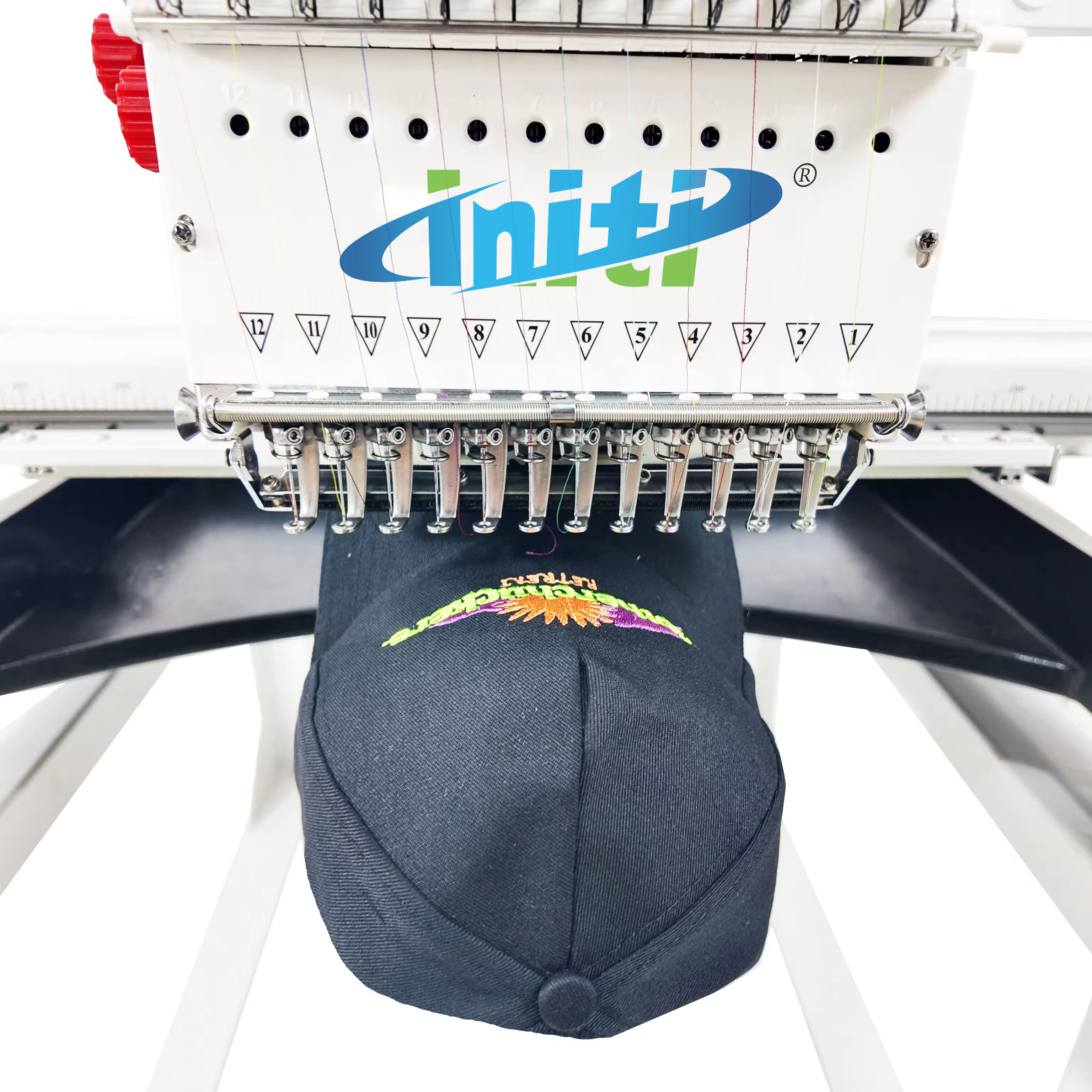
The textile and garment manufacturing industry has witnessed remarkable technological advancement in recent decades, with computerized embroidery machines becoming essential equipment for businesses seeking precision, efficiency, and safety in their production processes. Modern computerized embroidery machine systems incorporate sophisticated safety protocols that protect operators, prevent equipment damage, and ensure consistent production quality. These safety innovations have transformed traditional embroidery operations from potentially hazardous manual processes into secure, automated manufacturing environments that prioritize worker welfare while maintaining exceptional output standards.
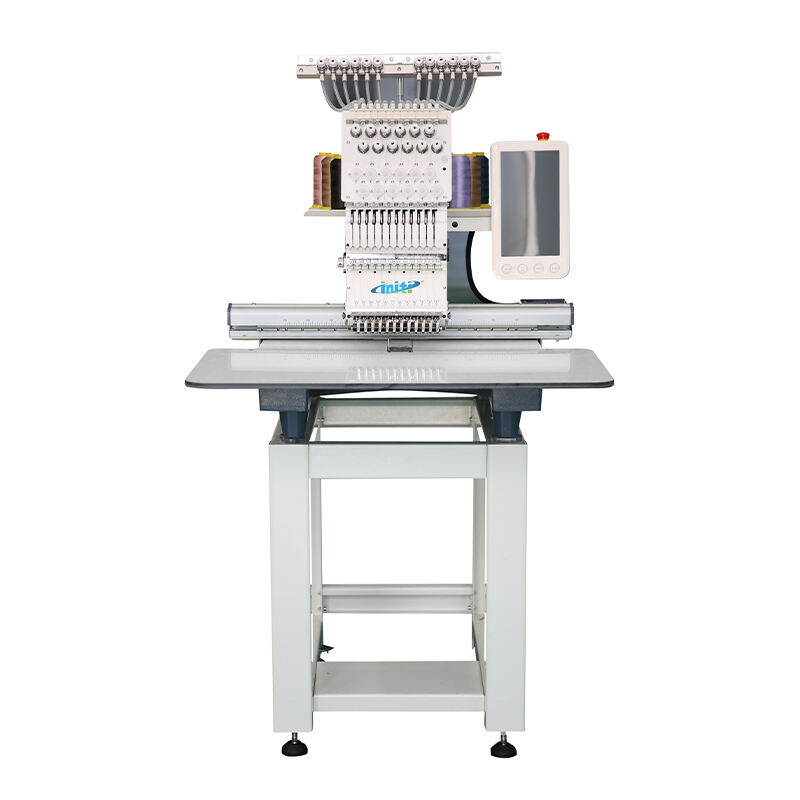
Advanced Operator Protection Systems
Emergency Stop Mechanisms
Contemporary computerized embroidery machine designs incorporate multiple emergency stop mechanisms strategically positioned throughout the equipment framework to ensure immediate operation cessation when safety concerns arise. These systems feature large, easily accessible red emergency buttons that instantly halt all mechanical movement, needle operation, and thread feeding processes. The emergency stop functionality extends beyond simple power interruption, implementing controlled shutdown sequences that prevent sudden mechanical stress on delicate components while ensuring operator safety remains the primary concern.
Advanced emergency systems in modern computerized embroidery machine models include proximity sensors that detect unusual operator presence near moving parts, automatically triggering protective responses before potential contact occurs. These intelligent safety features represent significant improvements over traditional embroidery equipment, where operator vigilance was the primary safety measure. The integration of multiple safety layers ensures that even in high-pressure production environments, worker protection remains uncompromised throughout extended operational periods.
Protective Barrier Integration
Modern computerized embroidery machine installations feature comprehensive protective barriers that create secure operational zones while maintaining accessibility for routine maintenance and thread changes. These barriers utilize transparent materials that allow operators to monitor embroidery progress without compromising safety protocols. The barrier systems incorporate interlocking mechanisms that prevent machine operation when protective covers are removed or improperly positioned, ensuring that safety protocols cannot be bypassed during routine operations.
Safety barrier design in contemporary computerized embroidery machine systems considers both physical protection and operational efficiency, incorporating quick-release mechanisms for authorized personnel while maintaining security during automated operation cycles. These protective systems include sensor arrays that monitor barrier integrity continuously, alerting operators to any compromise in the protective envelope that surrounds the embroidery work area.
Intelligent Monitoring and Alert Systems
Real-Time Performance Monitoring
State-of-the-art computerized embroidery machine systems employ sophisticated monitoring technologies that track operational parameters continuously, identifying potential safety hazards before they develop into serious concerns. These monitoring systems analyze needle performance, thread tension, motor temperatures, and mechanical vibrations to detect anomalies that could indicate impending equipment failure or unsafe operating conditions. Real-time data analysis allows the computerized embroidery machine to implement preventive measures automatically, adjusting operational parameters or initiating controlled shutdowns when necessary.
The monitoring capabilities extend to environmental factors affecting computerized embroidery machine operation, including ambient temperature, humidity levels, and power supply stability. These comprehensive monitoring systems provide operators with detailed information about equipment status through intuitive display interfaces, enabling informed decisions about production scheduling and maintenance requirements while maintaining optimal safety standards throughout all operational phases.
Predictive Maintenance Alerts
Modern computerized embroidery machine technology incorporates predictive maintenance algorithms that analyze operational data to forecast potential component failures before they occur. These systems track component wear patterns, operational hours, and performance degradation to generate maintenance schedules that prevent unexpected breakdowns and associated safety risks. Predictive maintenance capabilities significantly reduce the likelihood of sudden mechanical failures that could pose safety hazards to operators or damage valuable embroidered products.
The predictive maintenance features in advanced computerized embroidery machine systems include automated lubrication reminders, belt tension monitoring, and electronic component health assessment. These proactive safety measures ensure that equipment operates within safe parameters consistently, reducing the risk of accidents caused by poorly maintained machinery while optimizing production efficiency and product quality.
Thread and Material Safety Controls
Automatic Thread Break Detection
Contemporary computerized embroidery machine systems feature sophisticated thread monitoring technologies that detect breaks, tangles, or irregular tension conditions immediately upon occurrence. These detection systems utilize optical sensors and tension monitoring devices to identify thread-related issues that could cause needle damage, fabric tearing, or operator injury during manual intervention attempts. Automatic thread break detection prevents the computerized embroidery machine from continuing operation with compromised threading, avoiding potential safety hazards and production quality issues.
The thread monitoring capabilities in modern computerized embroidery machine designs include color-coded alert systems that guide operators to specific problem areas quickly and safely. These systems minimize the time operators spend troubleshooting threading issues, reducing exposure to moving parts and sharp components while maintaining production efficiency. Advanced thread detection technologies can differentiate between minor tension variations and serious breaks, allowing the computerized embroidery machine to make appropriate responses that prioritize both safety and productivity.
Fabric Handling Safety Protocols
Modern computerized embroidery machine systems incorporate specialized fabric handling mechanisms that secure materials properly during the embroidery process while preventing operator injury during loading and unloading procedures. These systems include pneumatic clamping mechanisms that apply consistent pressure without damaging delicate fabrics, ensuring that materials remain securely positioned throughout the embroidery cycle. Proper fabric securing prevents material shifting that could cause needle breaks, thread tangles, or operator injuries during emergency interventions.
Safety protocols for fabric handling in computerized embroidery machine operations include sensor systems that verify proper material placement before allowing cycle initiation. These verification systems prevent operators from starting embroidery processes with improperly secured fabrics, which could result in projectile hazards or equipment damage. The fabric handling safety features extend to automatic material detection that adjusts operational parameters based on fabric thickness, density, and composition to prevent excessive stress on both the material and the computerized embroidery machine components.
Power and Electrical Safety Features
Circuit Protection and Isolation
Advanced computerized embroidery machine systems incorporate comprehensive electrical safety features that protect operators from electrical hazards while ensuring reliable power delivery to critical components. These systems include ground fault circuit interrupters, surge protection devices, and electrical isolation mechanisms that prevent dangerous voltage levels from reaching operator-accessible areas. Proper electrical safety design in computerized embroidery machine installations reduces the risk of electrical shock, fire hazards, and equipment damage caused by power supply irregularities.
The electrical safety systems in modern computerized embroidery machine designs feature multiple redundancy layers that maintain safe operation even when primary protection systems experience failures. These redundant safety measures include backup power supplies for critical safety systems, emergency lighting for safe evacuation procedures, and communication systems that remain operational during power emergencies. Comprehensive electrical safety protocols ensure that computerized embroidery machine operations can be conducted safely in various environmental conditions and facility configurations.
Power Management and Stability
Contemporary computerized embroidery machine technology includes sophisticated power management systems that maintain stable electrical supply to sensitive electronic components while implementing safety shutdowns during power supply irregularities. These power management features protect both operators and equipment from hazards associated with voltage fluctuations, power surges, and electrical faults. Stable power delivery ensures that computerized embroidery machine safety systems function reliably throughout extended production periods.
Power stability features in modern computerized embroidery machine installations include uninterruptible power supplies that maintain critical safety system operation during brief power interruptions. These backup power systems ensure that emergency stop mechanisms, safety monitoring devices, and operator communication systems remain functional during electrical disturbances, maintaining safe operational environments even when primary power supplies experience problems.
Ergonomic Safety Considerations
Operator Interface Design
Modern computerized embroidery machine systems prioritize ergonomic safety through thoughtfully designed operator interfaces that minimize physical stress and reduce the risk of repetitive strain injuries. These interfaces feature adjustable control panels, intuitive touchscreen displays, and strategically positioned controls that accommodate operators of various heights and physical capabilities. Proper ergonomic design in computerized embroidery machine interfaces reduces operator fatigue and improves safety awareness throughout extended production shifts.
The ergonomic considerations in computerized embroidery machine design extend to maintenance access points, thread changing procedures, and routine adjustment mechanisms. These features ensure that operators can perform necessary tasks without adopting awkward postures or straining to reach critical components. Comprehensive ergonomic design reduces the likelihood of workplace injuries while improving overall operational efficiency and job satisfaction for computerized embroidery machine operators.
Workspace Organization and Safety
Contemporary computerized embroidery machine installations incorporate workspace organization principles that promote safe movement patterns and reduce accident risks in production environments. These organizational features include clearly marked walkways, designated storage areas for materials and tools, and standardized procedures for equipment access and maintenance. Proper workspace organization around computerized embroidery machine installations creates safer working environments while improving production efficiency and quality control processes.
Safety-oriented workspace design for computerized embroidery machine operations includes adequate lighting systems, ventilation controls, and emergency evacuation routes that remain accessible during normal production activities. These environmental safety features ensure that operators can work safely and efficiently while maintaining clear sight lines to safety equipment and emergency exits throughout all operational phases.
FAQ
What are the most critical safety features to look for in a computerized embroidery machine
The most critical safety features include emergency stop mechanisms, protective barriers with interlocking systems, automatic thread break detection, and comprehensive electrical protection. Modern computerized embroidery machine systems should also feature real-time monitoring capabilities, predictive maintenance alerts, and ergonomic operator interfaces that minimize physical stress and injury risks during routine operations.
How do modern computerized embroidery machines prevent operator injuries during thread changes
Contemporary computerized embroidery machine designs incorporate automatic machine lockout during thread changing procedures, sensor systems that detect operator presence near moving parts, and intuitive color-coded guidance systems that direct operators to safe access points. These safety features work together to ensure that thread changing procedures can be completed safely without exposure to mechanical hazards or sharp components.
What role does predictive maintenance play in computerized embroidery machine safety
Predictive maintenance systems in computerized embroidery machine technology analyze operational data to forecast potential component failures before they create safety hazards. These systems track wear patterns, monitor performance parameters, and generate maintenance schedules that prevent unexpected breakdowns that could pose risks to operators or damage valuable products, maintaining consistent safety standards throughout the equipment lifecycle.
How do electrical safety systems protect operators in computerized embroidery machine environments
Electrical safety systems include ground fault protection, surge suppression, circuit isolation mechanisms, and backup power supplies for critical safety functions. Modern computerized embroidery machine installations feature multiple redundancy layers that maintain safe electrical conditions even during power supply irregularities, ensuring that safety systems remain operational and operators are protected from electrical hazards throughout all operational phases.
Table of Contents
- Advanced Operator Protection Systems
- Intelligent Monitoring and Alert Systems
- Thread and Material Safety Controls
- Power and Electrical Safety Features
- Ergonomic Safety Considerations
-
FAQ
- What are the most critical safety features to look for in a computerized embroidery machine
- How do modern computerized embroidery machines prevent operator injuries during thread changes
- What role does predictive maintenance play in computerized embroidery machine safety
- How do electrical safety systems protect operators in computerized embroidery machine environments