

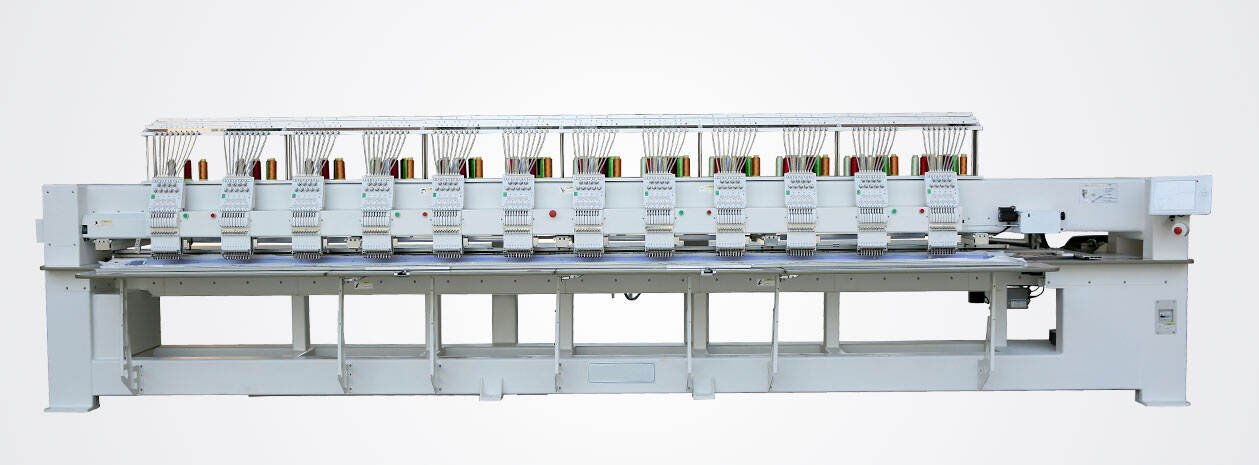
The textile and apparel industry has experienced a significant transformation with the introduction of advanced computerized embroidery machines. These sophisticated devices have revolutionized how businesses approach custom embroidery, offering unprecedented precision, speed, and design versatility. Modern computerized embroidery machine technology enables manufacturers to create intricate patterns, logos, and decorative elements with remarkable consistency and efficiency.
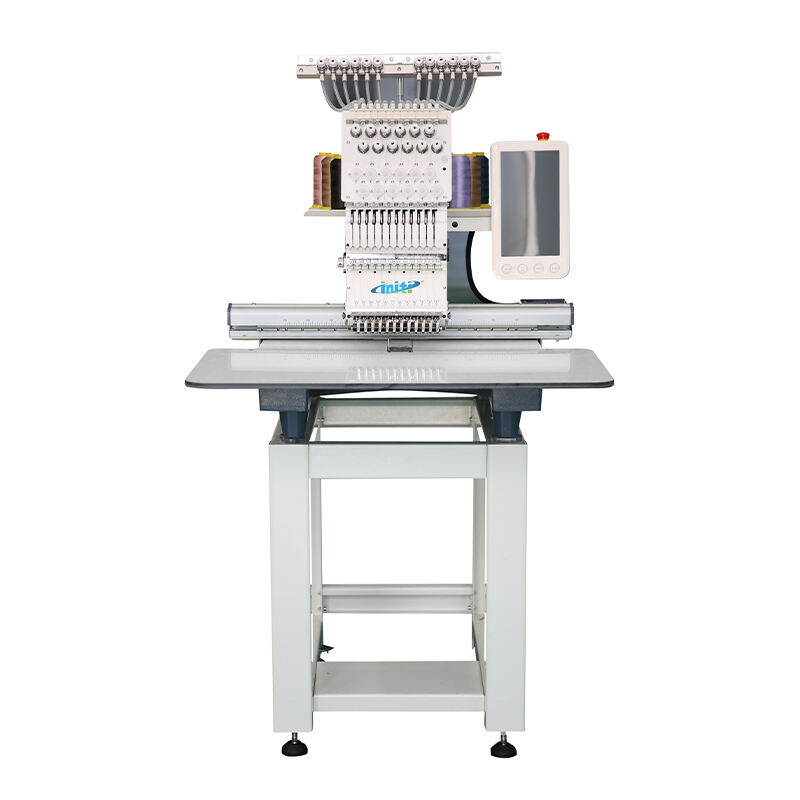
Manufacturing facilities worldwide are increasingly adopting computerized embroidery solutions to meet growing demand for customized textile products. The market for these machines continues expanding as businesses recognize their potential for improving production quality while reducing operational costs. Professional embroidery operations now rely heavily on computerized systems to maintain competitive advantages in an evolving marketplace.
Understanding Computerized Embroidery Technology
Core Components and Functionality
A computerized embroidery machine operates through sophisticated integration of mechanical precision and digital control systems. The primary components include servo motors, needle positioning mechanisms, thread tension controllers, and advanced software interfaces. These elements work together to translate digital designs into physical embroidered products with exceptional accuracy and repeatability.
The digital control system serves as the brain of every computerized embroidery machine, processing complex design files and coordinating multiple mechanical functions simultaneously. Modern machines utilize high-resolution touchscreen interfaces that allow operators to adjust parameters, monitor progress, and troubleshoot issues efficiently. This technological integration significantly reduces the learning curve for new operators while maximizing production potential.
Design Software Integration
Contemporary computerized embroidery machine models feature seamless compatibility with industry-standard design software packages. This integration enables businesses to import existing artwork, modify patterns, and create custom designs directly within the machine's operating system. The software capabilities include automatic digitizing functions, color mapping tools, and stitch optimization algorithms that enhance final product quality.
Advanced design software also provides real-time simulation features, allowing operators to preview embroidery results before actual production begins. This functionality helps prevent costly mistakes, reduces material waste, and ensures consistent output quality across large production runs. The ability to store and recall design libraries further streamlines workflow efficiency for busy manufacturing environments.
Leading Computerized Embroidery Machine Models
Single-Head Automatic Systems
Single-head automatic models represent the most popular category of computerized embroidery machine systems for small to medium-sized operations. These versatile machines offer excellent balance between functionality, affordability, and production capacity. Many businesses choose single-head systems as their initial investment due to lower capital requirements and simplified maintenance procedures.
The computerized embroidery machine category includes models with varying hoop sizes, thread capacity configurations, and speed specifications. Professional-grade single-head systems typically achieve speeds of 800-1200 stitches per minute while maintaining precise registration and consistent thread tension throughout extended production cycles.
Multi-Head Industrial Solutions
Multi-head computerized embroidery machine configurations provide exceptional productivity advantages for high-volume manufacturing operations. These systems feature multiple embroidery heads operating simultaneously, significantly multiplying output capacity while maintaining individual design customization capabilities. Industrial facilities often deploy 4, 6, 8, or 12-head systems depending on production requirements and facility space constraints.
Each head within a multi-head computerized embroidery machine operates independently, allowing simultaneous production of identical or different designs. This flexibility enables manufacturers to fulfill diverse order requirements efficiently while maximizing equipment utilization rates. Advanced models include automatic thread trimming, color changing mechanisms, and integrated quality monitoring systems that ensure consistent output across all heads.
Performance Characteristics and Specifications
Speed and Precision Metrics
Modern computerized embroidery machine models achieve remarkable speed capabilities without compromising embroidery quality or dimensional accuracy. Professional systems typically operate at speeds ranging from 600 to 1500 stitches per minute, with optimal performance occurring within manufacturer-recommended parameters. Higher speeds generally require more frequent maintenance and may increase thread breakage rates if not properly managed.
Precision specifications for computerized embroidery machine systems include registration accuracy within 0.1mm tolerances and consistent stitch formation across extended production runs. These capabilities enable manufacturers to produce intricate designs with fine details, small text, and complex color transitions that meet stringent quality standards. Advanced positioning systems utilize encoder feedback and servo control technology to maintain accuracy even during high-speed operations.
Hoop Capacity and Flexibility
Embroidery hoop configurations significantly impact the versatility and application range of computerized embroidery machine systems. Standard hoop sizes range from compact 4x4 inch formats suitable for caps and small logos to large 15x15 inch configurations designed for jackets, banners, and oversized designs. Many machines support multiple hoop sizes through quick-change mechanisms that minimize setup time between jobs.
Some computerized embroidery machine models feature tubular hoop attachments specifically designed for cylindrical items such as sleeves, pant legs, and specialty garments. This capability expands production possibilities and allows manufacturers to serve broader market segments without requiring additional equipment investments. Specialized hoop configurations also include cap frames, border frames, and custom fixtures for unique applications.
Market Analysis and Selection Criteria
Cost-Benefit Evaluation
Investment decisions for computerized embroidery machine acquisition require comprehensive analysis of initial costs, operating expenses, and projected return on investment. Entry-level professional systems typically range from $8,000 to $25,000, while high-end industrial models may exceed $100,000 depending on configuration and feature sets. These costs must be weighed against anticipated production volumes, labor savings, and revenue generation potential.
Operating costs for computerized embroidery machine systems include thread consumption, maintenance supplies, software licensing, and energy consumption. Modern machines demonstrate excellent efficiency in these areas, with automated features reducing waste and optimizing resource utilization. Businesses should also consider training requirements, technical support availability, and upgrade pathways when evaluating long-term ownership costs.
Production Volume Considerations
Selecting the appropriate computerized embroidery machine configuration requires careful assessment of current and projected production volumes. Low-volume operations may achieve optimal efficiency with single-head systems, while high-volume manufacturers typically benefit from multi-head configurations that maximize throughput. Understanding seasonal fluctuations and growth projections helps ensure equipment investments align with business objectives.
Production planning for computerized embroidery machine operations should account for setup time, design complexity, and quality control requirements. Simple logo reproduction may achieve maximum rated speeds, while intricate multi-color designs require slower speeds to maintain quality standards. Effective capacity planning considers these variables to establish realistic production targets and delivery commitments.
Maintenance and Operational Excellence
Preventive Maintenance Protocols
Reliable operation of computerized embroidery machine systems depends heavily on consistent preventive maintenance practices. Daily maintenance tasks include cleaning lint accumulation, checking thread tension settings, and verifying needle condition. Weekly procedures typically involve lubrication of moving parts, inspection of timing belts, and calibration verification. These routine activities prevent major breakdowns and extend equipment service life significantly.
Comprehensive maintenance programs for computerized embroidery machine systems should include periodic professional servicing, software updates, and component replacement schedules. Many manufacturers provide detailed maintenance manuals and training programs that enable in-house technicians to perform routine service tasks. Establishing relationships with qualified service providers ensures prompt response for complex repairs and minimizes production disruptions.
Operator Training and Development
Skilled operators are essential for maximizing computerized embroidery machine productivity and quality output. Training programs should cover machine operation fundamentals, design software utilization, troubleshooting procedures, and quality control standards. Many manufacturers offer comprehensive training packages that include hands-on instruction, certification programs, and ongoing technical support resources.
Continuous operator development ensures teams remain current with technological advances and industry best practices. Regular skill assessments help identify areas for improvement and guide targeted training initiatives. Well-trained operators can significantly impact computerized embroidery machine efficiency, reducing waste, minimizing downtime, and maintaining consistent quality standards across all production activities.
FAQ
What factors determine computerized embroidery machine selection for different business sizes
Business size significantly influences computerized embroidery machine selection criteria, with considerations including production volume requirements, available floor space, budget constraints, and staffing capabilities. Small operations typically benefit from single-head systems that offer versatility and lower initial investment, while larger facilities may require multi-head configurations to meet higher production demands. The key is matching machine capacity to realistic production goals while allowing for future growth potential.
How do maintenance costs compare between different computerized embroidery machine types
Maintenance costs for computerized embroidery machine systems vary based on complexity, usage intensity, and component quality. Single-head machines generally have lower maintenance costs due to fewer moving parts and simplified mechanisms. Multi-head systems require proportionally higher maintenance investments but often demonstrate better cost-per-unit ratios in high-volume applications. Regular preventive maintenance significantly reduces long-term costs compared to reactive repair approaches.
What design file formats are compatible with modern computerized embroidery machine systems
Most contemporary computerized embroidery machine models support multiple design file formats including DST, PES, JEF, EXP, and native proprietary formats. This compatibility enables businesses to work with various design sources and software platforms. Many machines also feature built-in conversion capabilities that automatically translate between formats, simplifying workflow processes and reducing compatibility concerns for operators.
How does thread quality impact computerized embroidery machine performance and output
Thread quality significantly affects computerized embroidery machine performance, with high-quality threads reducing breakage rates, improving stitch formation, and extending needle life. Premium threads also provide better color consistency, reduced lint generation, and superior wash durability in finished products. While quality threads may cost more initially, they typically result in lower overall production costs through reduced downtime, fewer quality issues, and improved customer satisfaction.
Table of Contents
- Understanding Computerized Embroidery Technology
- Leading Computerized Embroidery Machine Models
- Performance Characteristics and Specifications
- Market Analysis and Selection Criteria
- Maintenance and Operational Excellence
-
FAQ
- What factors determine computerized embroidery machine selection for different business sizes
- How do maintenance costs compare between different computerized embroidery machine types
- What design file formats are compatible with modern computerized embroidery machine systems
- How does thread quality impact computerized embroidery machine performance and output