

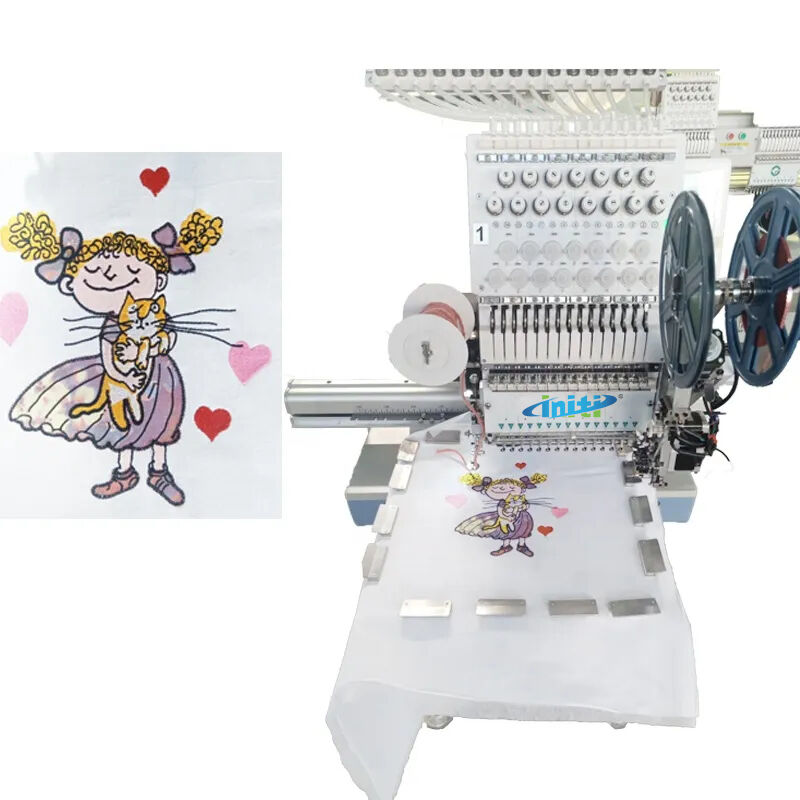
In today's competitive textile industry, commercial embroidery machines have become indispensable tools for businesses seeking to deliver high-quality embroidered products efficiently. However, the operation of these sophisticated machines comes with inherent safety risks that can lead to workplace injuries, equipment damage, and costly downtime. Understanding and implementing proper safety protocols when operating commercial embroidery machines is crucial for maintaining a secure work environment while maximizing productivity and profitability.
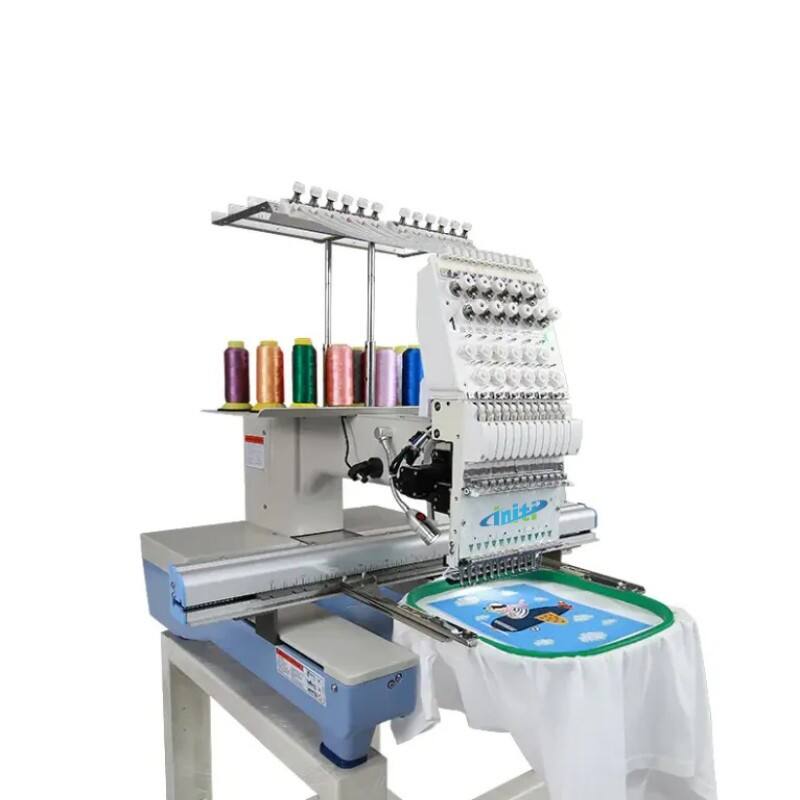
The importance of workplace safety in embroidery operations cannot be overstated, as these powerful machines operate at high speeds with sharp needles, moving parts, and electrical components. Modern commercial embroidery machines incorporate advanced safety features designed to protect operators while maintaining optimal performance standards. From emergency stop mechanisms to protective barriers and automated safety protocols, today's equipment prioritizes both productivity and personnel protection.
Manufacturers and operators alike must recognize that investing in safety-conscious commercial embroidery machines not only protects employees but also reduces insurance costs, minimizes liability exposure, and ensures compliance with occupational health and safety regulations. The integration of comprehensive safety features has evolved significantly, making modern machines more reliable and user-friendly than ever before.
Core Safety Features in Modern Commercial Embroidery Equipment
Emergency Stop Systems and Controls
Emergency stop systems represent the most critical safety feature in commercial embroidery machines, providing operators with immediate machine shutdown capabilities during unexpected situations. These systems typically include prominently positioned red emergency stop buttons strategically located around the machine for easy access from multiple operating positions. When activated, these controls instantly halt all machine operations, including needle movement, frame positioning, and thread cutting functions.
Advanced commercial embroidery machines incorporate multiple emergency stop points, ensuring operators can quickly respond to potential hazards regardless of their position around the equipment. The emergency stop circuit design follows international safety standards, requiring a deliberate reset action to resume operations after activation. This prevents accidental restart and ensures operators have addressed the underlying safety concern before continuing production.
Modern systems also include software-integrated emergency protocols that automatically save work progress and maintain thread tension settings during emergency stops. This feature minimizes material waste and reduces setup time when resuming operations, demonstrating how safety features can enhance rather than hinder operational efficiency in commercial embroidery machines.
Protective Barriers and Enclosures
Physical protection systems form another essential safety layer in commercial embroidery machines, preventing operator contact with moving needles, rotating components, and automated positioning mechanisms. These barriers typically consist of transparent acrylic or polycarbonate panels that maintain visibility while providing effective protection against accidental contact with hazardous machine elements.
Interlocked safety guards represent an advanced protective feature where machine operation becomes impossible when protective panels are removed or improperly positioned. This interlock system ensures operators cannot bypass safety measures during routine maintenance or material loading procedures. The transparent design of modern protective barriers allows operators to monitor embroidery progress without compromising safety standards.
Some commercial embroidery machines feature retractable or hinged protective systems that facilitate easy access for setup and maintenance while automatically engaging during operation. These user-friendly designs encourage consistent safety protocol adherence by eliminating inconvenience factors that might tempt operators to bypass protective measures.
Automated Safety Monitoring and Detection Systems
Thread Break Detection and Response
Thread break detection systems in commercial embroidery machines provide crucial safety benefits by immediately stopping machine operation when thread breaks are detected, preventing needle damage and material waste. These sophisticated sensors monitor thread tension and movement continuously, identifying breaks within milliseconds of occurrence. Advanced systems can distinguish between normal thread variations and actual breaks, minimizing false alarms while maintaining reliable protection.
When thread breaks occur during high-speed operation, continued needling can cause significant damage to both the embroidery hoop and the underlying fabric. Modern commercial embroidery machines incorporate intelligent thread monitoring that not only stops the machine but also provides visual and audible alerts to guide operators to the specific problem location.
The integration of thread break detection with machine memory systems allows for precise restart positioning, ensuring seamless continuation of embroidery patterns without visible interruption marks. This feature combination demonstrates how safety systems in commercial embroidery machines can simultaneously protect equipment and maintain production quality standards.
Needle Protection and Monitoring
Needle protection systems represent critical safety components in commercial embroidery machines, designed to prevent costly damage from needle strikes and improper needle conditions. These systems continuously monitor needle position, detecting bent, broken, or improperly installed needles before they can cause machine damage or create safety hazards for operators.
Advanced needle monitoring technology uses optical sensors and pressure detection to identify needle anomalies during operation. When irregular conditions are detected, the system immediately stops machine operation and provides diagnostic information to help operators identify and resolve the specific issue. This proactive approach prevents minor needle problems from escalating into major mechanical failures.
Some commercial embroidery machines incorporate automatic needle changing systems with integrated safety protocols that ensure proper needle installation and positioning before resuming operation. These automated systems reduce human error factors while maintaining consistent needle quality standards throughout production runs.
Electrical Safety and Power Management Features
Ground Fault Protection and Electrical Isolation
Electrical safety represents a fundamental concern in commercial embroidery machines, requiring comprehensive protection systems to prevent shock hazards and electrical fires. Ground fault circuit interrupters provide essential protection by immediately disconnecting power when electrical leakage is detected, preventing potentially fatal electrical shock incidents during machine operation or maintenance activities.
Modern commercial embroidery machines incorporate multiple levels of electrical isolation, separating high-voltage motor circuits from low-voltage control systems and user interfaces. This isolation design minimizes electrical hazard exposure while ensuring reliable machine operation under various environmental conditions. Proper electrical grounding systems provide additional protection by safely directing fault currents away from operators and sensitive electronic components.
Advanced power management systems in commercial embroidery machines include surge protection, voltage regulation, and power quality monitoring to protect both operators and equipment from electrical anomalies. These systems can automatically adjust to varying power conditions while maintaining consistent machine performance and safety standards.
Lockout and Tagout Compatibility
Lockout and tagout procedures represent essential safety protocols for commercial embroidery machines during maintenance, setup, and troubleshooting activities. Modern machines incorporate dedicated lockout points and energy isolation systems that allow maintenance personnel to safely disable all hazardous energy sources before beginning work on equipment components.
Comprehensive lockout systems in commercial embroidery machines include electrical disconnects, pneumatic isolation valves, and mechanical locking mechanisms that can be secured with padlocks or specialized lockout devices. These systems ensure that machines cannot be accidentally energized during maintenance activities, protecting service personnel from unexpected machine movement or electrical hazards.
Digital lockout systems in advanced commercial embroidery machines provide electronic confirmation of energy isolation status, maintaining detailed logs of lockout activities and authorized personnel access. This documentation capability supports compliance with workplace safety regulations while providing valuable data for safety auditing and improvement initiatives.
Operator Interface and User Safety Design
Ergonomic Controls and Display Systems
Ergonomic design principles in commercial embroidery machines significantly impact operator safety by reducing physical strain, fatigue, and the likelihood of repetitive stress injuries. Modern machine interfaces incorporate adjustable height controls, intuitive button layouts, and clear visual displays that minimize operator effort while maintaining precise machine control capabilities.
Touchscreen interfaces in contemporary commercial embroidery machines provide user-friendly operation while incorporating safety confirmation prompts for critical functions. These systems require deliberate operator confirmation for potentially hazardous operations, preventing accidental activation of dangerous machine functions during routine operation or setup procedures.
Advanced commercial embroidery machines feature programmable safety zones and operational limits that prevent machine operation outside safe parameters. Operators can customize these settings based on specific fabric types, hoop sizes, and embroidery patterns, ensuring consistent safety standards across diverse production requirements.
Visual and Audible Safety Indicators
Comprehensive safety communication systems in commercial embroidery machines utilize multiple sensory channels to ensure operators receive critical safety information effectively. Visual indicators include color-coded status lights, warning displays, and safety zone markings that provide immediate feedback about machine conditions and potential hazards.
Audible warning systems complement visual indicators by providing distinct alert tones for different types of safety situations, allowing operators to respond appropriately even when not directly observing machine status displays. These audio systems can be customized for different workplace environments and hearing protection requirements.
Smart notification systems in modern commercial embroidery machines can integrate with facility-wide safety communication networks, providing real-time safety status updates to supervisors and maintenance personnel. This connectivity enables proactive safety management and rapid response to potential hazard situations.
Maintenance and Service Safety Considerations
Safe Access and Service Points
Maintenance accessibility design in commercial embroidery machines prioritizes technician safety through strategically positioned service points, clear access pathways, and integrated safety systems for routine maintenance activities. Properly designed machines eliminate the need for technicians to reach into hazardous areas or assume unsafe positions during service procedures.
Modular component design in modern commercial embroidery machines allows for safe removal and replacement of parts without exposing service personnel to moving mechanisms or electrical hazards. Quick-disconnect systems and tool-free access panels facilitate efficient maintenance while maintaining comprehensive safety protection throughout service procedures.
Service documentation and safety protocols integrated into commercial embroidery machines provide step-by-step guidance for safe maintenance procedures, including proper lockout sequences, required personal protective equipment, and hazard identification checkpoints. This information ensures consistent safety standards regardless of technician experience levels.
Diagnostic and Troubleshooting Safety
Advanced diagnostic systems in commercial embroidery machines enable safe troubleshooting by providing detailed system status information without requiring direct contact with potentially hazardous components. These systems can identify mechanical, electrical, and software issues through remote monitoring and analysis capabilities.
Predictive maintenance features in modern commercial embroidery machines help prevent safety incidents by identifying potential component failures before they create hazardous conditions. These systems monitor vibration patterns, temperature variations, and performance metrics to predict maintenance requirements and schedule service activities during safe operational windows.
Remote diagnostic capabilities allow expert technicians to provide troubleshooting guidance without requiring on-site presence, reducing exposure risks while maintaining rapid problem resolution. This technology particularly benefits facilities with limited technical expertise or remote operational locations.
Training and Safety Protocol Integration
Operator Certification and Skill Development
Comprehensive operator training programs for commercial embroidery machines must emphasize safety protocols alongside technical operation procedures to ensure confident and secure machine operation. Effective training combines theoretical safety knowledge with practical hands-on experience under supervised conditions, building operator competence gradually while maintaining strict safety standards.
Certification programs for commercial embroidery machines should include safety assessment components that verify operator understanding of hazard identification, emergency procedures, and proper safety equipment usage. Regular recertification ensures operators maintain current knowledge of evolving safety standards and machine capabilities.
Progressive training approaches allow operators to advance from basic safety operations to complex production scenarios while maintaining appropriate supervision and safety oversight. This methodology builds confidence while ensuring operators can handle various operational challenges safely and effectively.
Safety Documentation and Compliance
Comprehensive safety documentation for commercial embroidery machines should include detailed operating procedures, hazard analysis, emergency response protocols, and regular safety audit requirements. This documentation provides the foundation for consistent safety implementation across different shifts, operators, and operational scenarios.
Compliance tracking systems help facilities maintain current safety certifications and regulatory compliance for commercial embroidery machines while providing documentation for insurance and liability purposes. These systems can automate compliance reporting and schedule required safety activities to ensure continuous adherence to applicable standards.
Regular safety reviews and updates ensure that safety protocols for commercial embroidery machines remain current with evolving industry standards, technological improvements, and regulatory requirements. This ongoing commitment to safety excellence demonstrates organizational dedication to employee protection and operational excellence.
FAQ
What are the most important safety features to look for when purchasing commercial embroidery machines?
The most critical safety features include emergency stop systems with multiple access points, comprehensive protective barriers with interlock systems, thread break detection with automatic stopping, needle protection monitoring, and electrical safety systems including ground fault protection. Additionally, look for ergonomic operator interfaces, clear safety indicators, and compliance with relevant safety standards such as CE marking or UL certification.
How often should safety systems be inspected on commercial embroidery machines?
Safety systems should undergo daily visual inspections by operators, weekly functional testing of emergency stops and safety interlocks, monthly comprehensive safety audits by qualified personnel, and annual professional safety system certification. Additionally, any safety system activation or suspected malfunction requires immediate inspection before resuming operations. Manufacturer recommendations may specify more frequent inspection intervals for specific safety components.
What personal protective equipment is recommended for commercial embroidery machine operators?
Standard PPE for commercial embroidery machine operators includes safety glasses to protect from thread particles and needle fragments, close-fitting clothing to prevent entanglement with moving parts, non-slip footwear for stable footing, and hearing protection in high-noise environments. Avoid loose jewelry, long sleeves near moving parts, and ensure hair is properly secured. Some facilities may require additional PPE based on specific workplace hazard assessments.
How can facilities ensure consistent safety compliance across multiple commercial embroidery machines?
Establish standardized safety procedures applicable to all machines, implement regular training programs with documented certification, conduct systematic safety audits using consistent checklists, maintain centralized safety documentation and incident reporting systems, and ensure all machines meet identical minimum safety standards. Regular safety meetings, clear communication of safety expectations, and consistent enforcement of safety protocols help maintain uniform compliance across all equipment and personnel.
Table of Contents
- Core Safety Features in Modern Commercial Embroidery Equipment
- Automated Safety Monitoring and Detection Systems
- Electrical Safety and Power Management Features
- Operator Interface and User Safety Design
- Maintenance and Service Safety Considerations
- Training and Safety Protocol Integration
-
FAQ
- What are the most important safety features to look for when purchasing commercial embroidery machines?
- How often should safety systems be inspected on commercial embroidery machines?
- What personal protective equipment is recommended for commercial embroidery machine operators?
- How can facilities ensure consistent safety compliance across multiple commercial embroidery machines?