

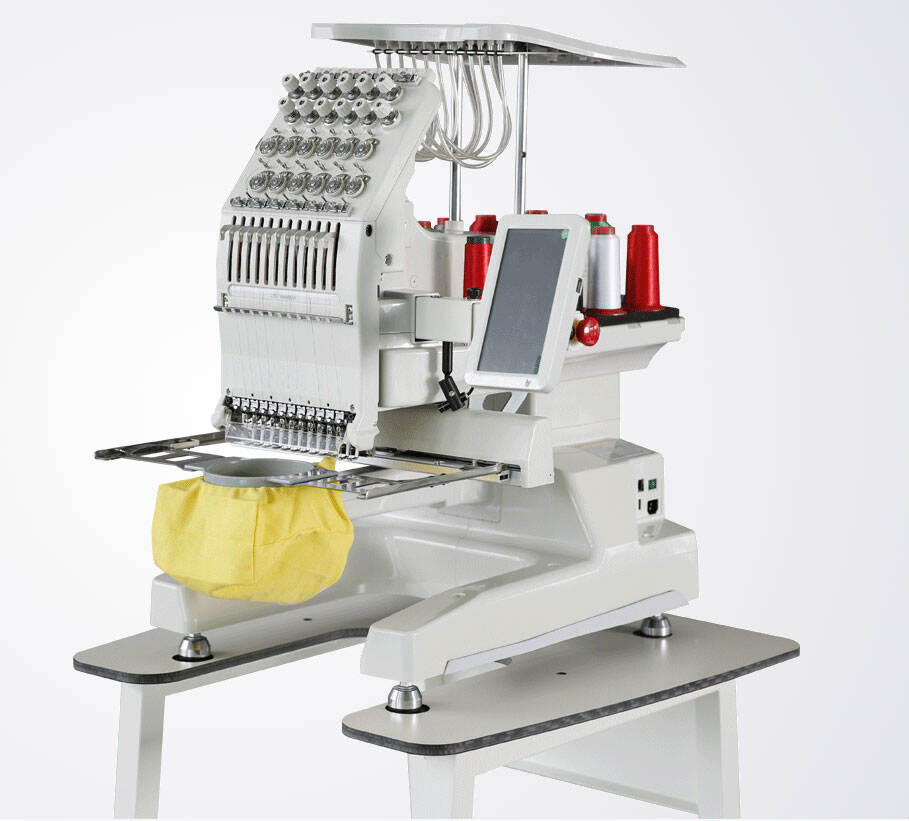
Growing embroidery businesses face constant pressure to balance quality output with operational costs. Smart entrepreneurs understand that strategic purchasing decisions can significantly impact their bottom line and competitive advantage. The concept of bulk buying embroidery equipment has emerged as a powerful strategy for companies looking to scale their operations while maintaining healthy profit margins. This approach allows businesses to leverage volume discounts, reduce per-unit costs, and establish stronger relationships with suppliers in the competitive embroidery industry.
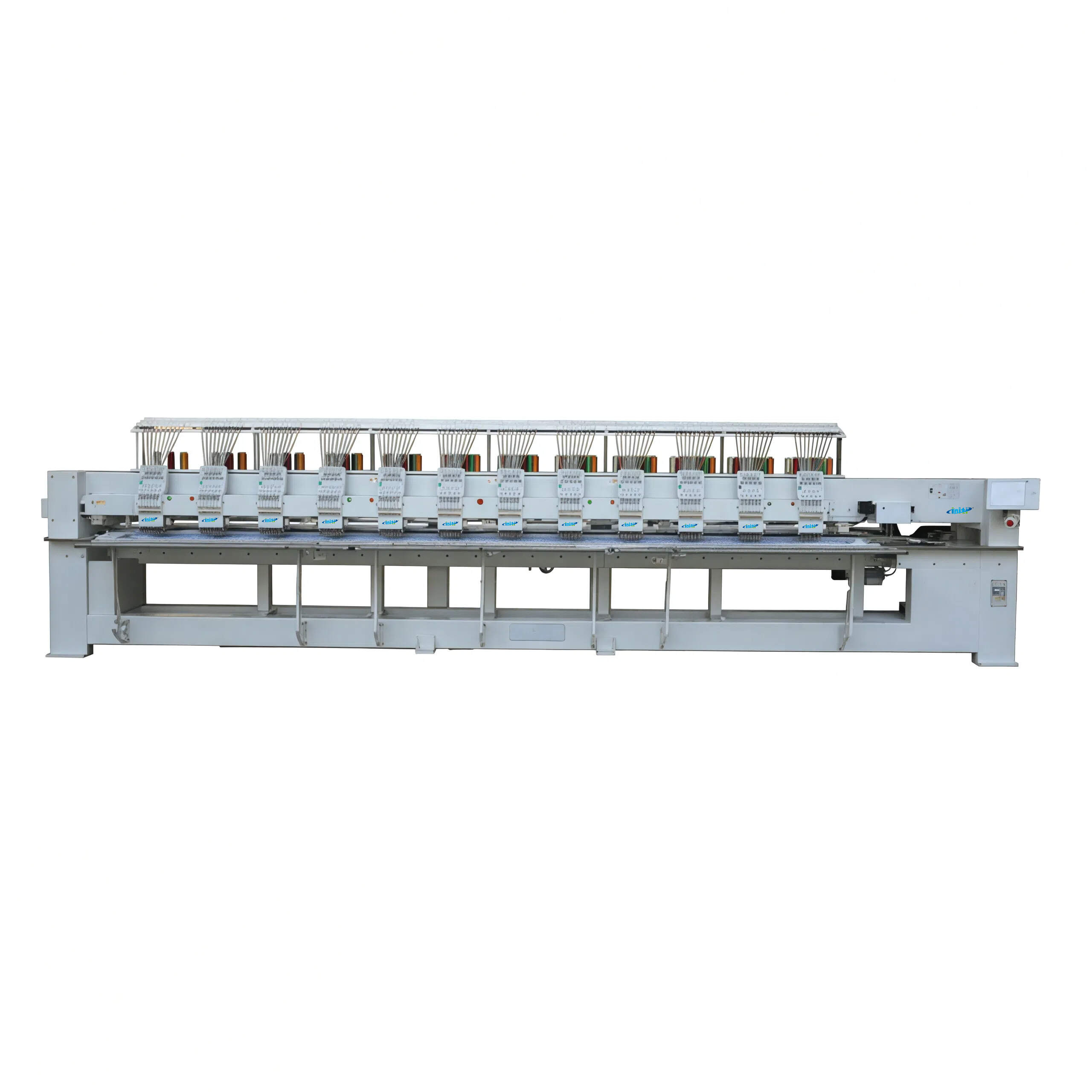
Understanding the Economics of Volume Purchasing
Price Break Structures in Equipment Procurement
Equipment manufacturers and distributors typically offer tiered pricing structures that reward larger purchase volumes. When businesses commit to bulk buying embroidery equipment, they often unlock price breaks that can range from five to twenty percent below standard retail prices. These savings become more pronounced when purchasing multiple units of the same model or complementary equipment packages. The mathematics of volume purchasing work in favor of businesses that can demonstrate serious buying intent and financial capability.
Understanding supplier cost structures helps explain why bulk discounts exist. Manufacturers benefit from reduced transaction costs, streamlined logistics, and predictable inventory turnover when dealing with volume buyers. This mutual benefit creates opportunities for negotiation that individual buyers rarely access. Smart embroidery businesses leverage this knowledge to time their purchases strategically and maximize their procurement advantages.
Cash Flow Management Through Strategic Purchasing
While bulk buying embroidery equipment requires larger upfront investments, the long-term cash flow benefits often justify the initial expenditure. Businesses can spread equipment costs across multiple projects and clients, effectively amortizing the investment over extended periods. This approach provides greater predictability in operational expenses and eliminates the need for frequent smaller purchases that can disrupt cash flow patterns.
Forward-thinking embroidery businesses often coordinate bulk purchases with expansion plans or major client contracts. This alignment ensures that increased capacity directly translates to revenue opportunities, making the investment strategy both financially sound and operationally logical. The key lies in matching purchase timing with business growth trajectories and market demand cycles.
Operational Advantages of Equipment Standardization
Maintenance and Service Efficiency
When embroidery businesses engage in bulk buying embroidery equipment from the same manufacturer or product line, they create operational synergies that extend far beyond initial cost savings. Standardized equipment means standardized maintenance procedures, parts inventories, and service protocols. Technicians become more efficient when working with familiar systems, reducing downtime and improving overall equipment reliability across the production floor.
Parts inventory management becomes significantly more efficient with standardized equipment. Instead of maintaining diverse parts stocks for multiple machine types, businesses can focus their resources on ensuring adequate supplies for their chosen equipment line. This approach reduces inventory carrying costs while improving parts availability when maintenance situations arise. The result is improved equipment uptime and more predictable maintenance expenses.
Training and Workforce Development
Employee training programs become more focused and effective when businesses standardize their equipment through bulk purchasing strategies. Workers develop deeper expertise with specific machine types rather than spreading their knowledge across multiple platforms. This specialization leads to improved productivity, better quality output, and reduced learning curves when onboarding new employees or expanding production capabilities.
The consistency gained through bulk buying embroidery equipment also enables businesses to develop more sophisticated quality control processes. When all machines operate using similar parameters and capabilities, establishing consistent quality standards becomes more achievable. This consistency translates to improved customer satisfaction and stronger brand reputation in competitive markets.
Supplier Relationship Development
Partnership Benefits and Preferential Treatment
Volume buyers naturally receive enhanced attention from equipment suppliers and manufacturers. This preferential treatment extends beyond pricing to include priority support services, exclusive access to new product launches, and customized solution development. Suppliers view bulk buying embroidery equipment customers as strategic partners rather than transactional buyers, leading to more collaborative and beneficial business relationships.
These enhanced relationships often provide access to extended warranty programs, specialized training opportunities, and technical support resources that smaller buyers cannot access. The value of these additional services often exceeds the direct cost savings achieved through volume discounts, making the bulk purchasing strategy even more attractive for growing embroidery businesses.
Market Intelligence and Product Development Input
Suppliers frequently seek input from their volume customers regarding market trends, product improvements, and feature development priorities. Businesses that consistently engage in bulk buying embroidery equipment often gain insider knowledge about upcoming product releases, industry developments, and competitive intelligence that provides strategic advantages in their markets.
This collaborative relationship enables embroidery businesses to influence product development directions and ensure that future equipment releases align with their operational needs. The result is access to equipment that better serves their specific requirements while maintaining the cost advantages associated with volume purchasing strategies.
Strategic Implementation of Bulk Purchasing Programs
Timing and Market Cycle Considerations
Successful bulk buying embroidery equipment requires careful attention to market cycles and industry timing patterns. Equipment manufacturers often adjust pricing strategies based on production schedules, new model releases, and seasonal demand fluctuations. Savvy buyers monitor these patterns to identify optimal purchasing windows that maximize their cost advantages while ensuring equipment availability when needed.
End-of-year purchasing often provides additional opportunities for enhanced discounts as manufacturers work to clear inventory and meet sales targets. Similarly, pre-orders for new model releases sometimes include early-bird pricing that rewards committed buyers with significant savings. Understanding these timing dynamics helps businesses optimize their bulk purchasing strategies for maximum financial benefit.
Integration with Business Growth Planning
The most successful implementation of bulk buying embroidery equipment strategies aligns purchasing decisions with comprehensive business growth plans. This alignment ensures that increased capacity translates directly to revenue opportunities rather than creating excess capacity that strains financial resources. Forward-thinking businesses coordinate equipment purchases with market expansion plans, new client acquisitions, and service diversification initiatives.
Growth planning also helps determine the optimal balance between immediate equipment needs and future expansion requirements. Some businesses find that purchasing slightly beyond current needs provides flexibility for unexpected growth opportunities while maximizing volume discount benefits. The key lies in finding the balance that supports growth without creating unnecessary financial burden.
Risk Management in Volume Equipment Purchasing
Diversification and Vendor Management
While bulk buying embroidery equipment offers significant advantages, successful businesses also consider risk management strategies to protect their investments. Diversifying suppliers, even within volume purchasing programs, helps ensure continued equipment availability and competitive pricing over time. This approach also provides negotiation leverage and reduces dependency on single supplier relationships.
Smart businesses also evaluate the financial stability and long-term viability of their equipment suppliers before committing to large volume purchases. Choosing suppliers with strong market positions and reliable service networks helps ensure ongoing support throughout the equipment lifecycle. This due diligence protects the long-term value of bulk purchasing investments.
Technology Evolution and Equipment Obsolescence
The embroidery industry continues to evolve with new technologies and capabilities emerging regularly. Businesses engaging in bulk buying embroidery equipment must balance the benefits of volume discounts against the risk of purchasing equipment that may become outdated more quickly than expected. This consideration requires careful evaluation of technology roadmaps and industry development trends.
Successful volume buyers often focus on proven technologies with established market acceptance rather than cutting-edge innovations that may have uncertain longevity. This conservative approach helps ensure that bulk equipment purchases maintain their value and utility throughout their expected service lives while still providing operational advantages and cost savings.
Financial Strategies for Equipment Investment
Financing Options and Cash Flow Management
Many embroidery businesses find that bulk buying embroidery equipment requires creative financing approaches to maximize benefits while maintaining healthy cash flow. Equipment financing programs, lease-to-own arrangements, and supplier financing options often provide pathways to volume purchasing that might otherwise strain working capital resources.
Some businesses coordinate bulk purchases with seasonal cash flow patterns, timing large equipment investments during periods of strong revenue generation. This approach helps minimize the impact on day-to-day operations while ensuring adequate resources for ongoing business activities. The key lies in matching financing strategies with business cash flow patterns and growth projections.
Return on Investment Calculations
Calculating the true return on investment for bulk buying embroidery equipment requires consideration of both direct cost savings and operational efficiency improvements. Direct savings include volume discounts, reduced transaction costs, and improved parts inventory management. Indirect benefits encompass improved productivity, reduced downtime, enhanced quality consistency, and strengthened supplier relationships.
Long-term ROI calculations should also factor in the competitive advantages gained through equipment standardization and enhanced operational capabilities. Businesses that can demonstrate higher productivity, better quality, or more reliable delivery schedules often command premium pricing in their markets, amplifying the financial benefits of strategic equipment purchasing decisions.
FAQ
What minimum purchase volume typically qualifies for bulk pricing on embroidery equipment?
Most equipment suppliers consider purchases of three or more machines as qualifying for volume pricing consideration. However, the specific thresholds vary significantly between manufacturers and product lines. Some suppliers offer graduated discounts starting with two-unit purchases, while others require minimum orders of five or more units. The key is to engage directly with suppliers to understand their specific volume requirements and available discount structures for your particular equipment needs.
How do businesses manage the increased maintenance complexity of multiple machines purchased in bulk?
Successful bulk equipment buyers typically standardize on specific machine models or manufacturers to simplify maintenance requirements. This standardization allows for consolidated parts inventory, standardized maintenance procedures, and focused technician training. Many businesses also negotiate enhanced service agreements as part of their bulk purchase arrangements, ensuring access to priority support and maintenance resources that help manage the complexity of operating multiple machines efficiently.
What financing options are available for large-scale embroidery equipment purchases?
Equipment financing options for bulk purchases typically include traditional equipment loans, lease-to-own programs, and manufacturer financing arrangements. Many suppliers offer special financing terms for volume buyers, including extended payment periods, reduced interest rates, or deferred payment options. Small Business Administration loan programs also support equipment purchases for qualifying businesses. The optimal financing approach depends on your business cash flow patterns, tax considerations, and long-term equipment needs.
How can businesses determine the optimal timing for bulk equipment purchases?
Optimal timing for bulk buying embroidery equipment typically aligns with several factors including business growth projections, cash flow cycles, and supplier pricing patterns. Many businesses find that end-of-year purchases offer enhanced discounts as suppliers work to meet annual sales targets. Additionally, coordinating purchases with major client contracts or expansion plans helps ensure that increased capacity translates directly to revenue opportunities, maximizing the return on investment for bulk equipment purchases.
Table of Contents
- Understanding the Economics of Volume Purchasing
- Operational Advantages of Equipment Standardization
- Supplier Relationship Development
- Strategic Implementation of Bulk Purchasing Programs
- Risk Management in Volume Equipment Purchasing
- Financial Strategies for Equipment Investment
-
FAQ
- What minimum purchase volume typically qualifies for bulk pricing on embroidery equipment?
- How do businesses manage the increased maintenance complexity of multiple machines purchased in bulk?
- What financing options are available for large-scale embroidery equipment purchases?
- How can businesses determine the optimal timing for bulk equipment purchases?