

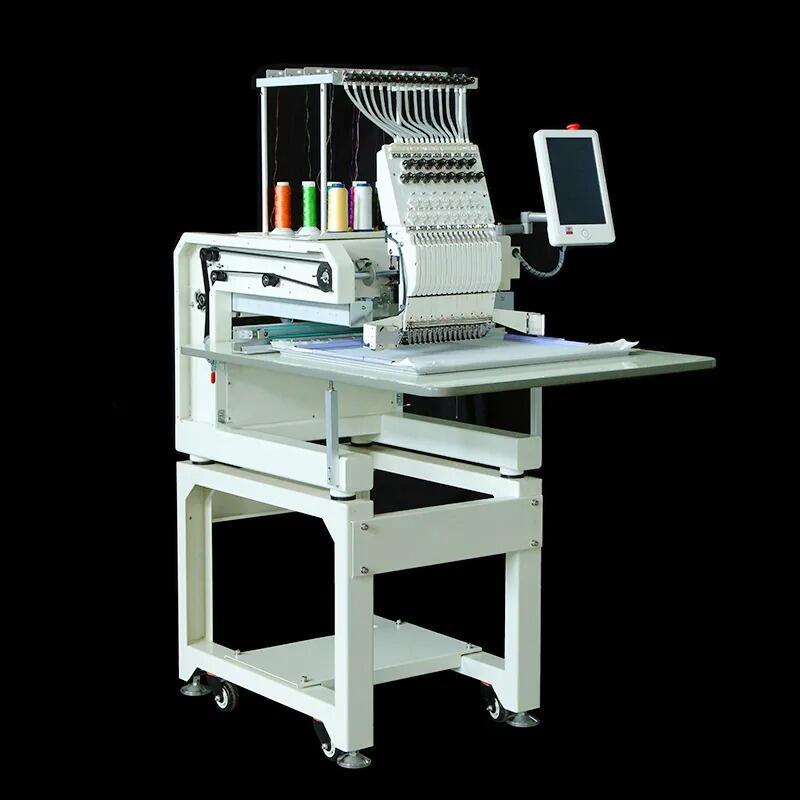
Industrial embroidery equipment represents a significant investment for manufacturers, commercial embroidery shops, and textile businesses worldwide. Beyond the financial considerations, ensuring that industrial embroidery equipment meets stringent safety standards is paramount for protecting workers, maintaining operational efficiency, and avoiding costly regulatory violations. The complexity of modern embroidery machinery, with its high-speed operations, multiple moving parts, and electrical systems, demands comprehensive compliance with established safety frameworks including CE marking requirements and OSHA standards.
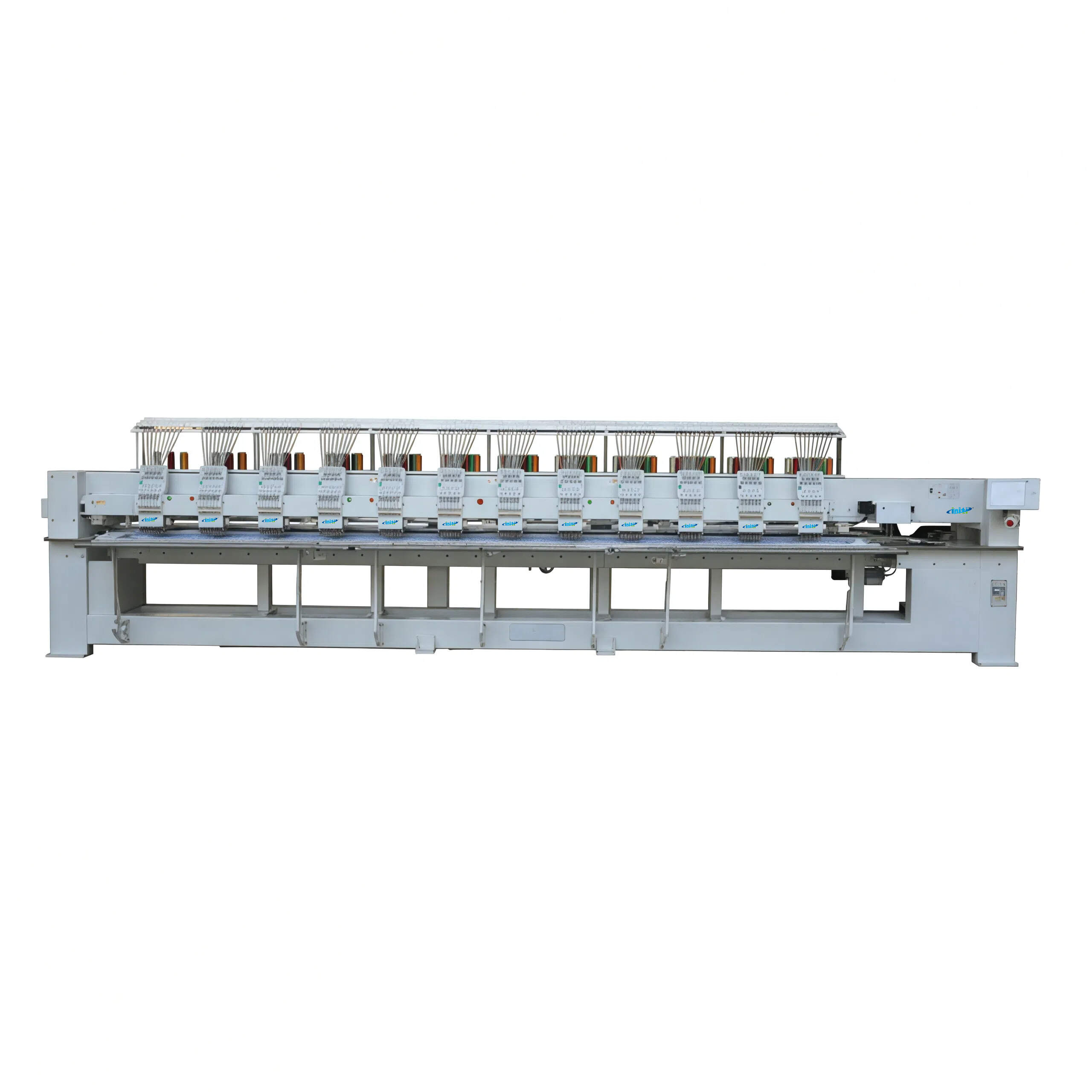
Manufacturing facilities that operate industrial embroidery equipment must navigate a complex landscape of international and domestic safety regulations. These regulations exist to protect workers from mechanical hazards, electrical dangers, and ergonomic risks associated with operating sophisticated embroidery machinery. Understanding these compliance requirements is not merely about avoiding penalties—it represents a fundamental commitment to workplace safety and operational excellence that directly impacts productivity, insurance costs, and corporate reputation.
The implementation of proper safety standards for industrial embroidery equipment extends beyond initial installation and setup. It encompasses ongoing maintenance protocols, operator training programs, and regular safety audits that ensure continued compliance throughout the equipment's operational lifespan. This comprehensive approach to safety management creates a culture of continuous improvement that benefits both employees and business outcomes.
Understanding CE Marking Requirements for Embroidery Machinery
Essential Documentation and Certification Processes
CE marking represents the manufacturer's declaration that industrial embroidery equipment conforms to applicable European Union safety, health, and environmental protection requirements. This marking is mandatory for embroidery machinery sold within the European Economic Area and requires comprehensive documentation including technical files, risk assessments, and conformity declarations. The certification process involves detailed evaluation of mechanical safety systems, electrical components, and operational procedures.
Manufacturers of industrial embroidery equipment must maintain detailed technical documentation that demonstrates compliance with relevant EU directives including the Machinery Directive 2006/42/EC and the Electromagnetic Compatibility Directive 2014/30/EU. This documentation serves as evidence that the equipment has undergone proper design evaluation, testing, and quality assurance procedures. The technical file must remain accessible for inspection by regulatory authorities for a minimum of ten years following the last date of manufacture.
The conformity assessment procedure for industrial embroidery equipment typically involves internal production control, where manufacturers evaluate their own products against applicable standards. However, complex machinery may require involvement of notified bodies for additional testing and certification. This process ensures that safety-critical components such as emergency stop systems, protective guards, and electrical safety features meet established performance criteria.
Risk Assessment and Safety Integration
Comprehensive risk assessment forms the foundation of CE marking compliance for industrial embroidery equipment. Manufacturers must systematically identify potential hazards including mechanical risks from moving parts, electrical dangers from power systems, and ergonomic concerns related to operator interaction. This assessment process guides the integration of safety measures directly into the equipment design rather than treating safety as an afterthought.
The risk assessment methodology follows established European standards such as ISO 12100 for general machinery safety principles and ISO 14121 for risk assessment procedures. These standards provide structured approaches for hazard identification, risk estimation, and risk evaluation that ensure consistent application across different types of industrial embroidery equipment. The resulting safety measures must be implemented according to established hierarchy of controls, prioritizing inherent safety design features over protective devices and procedural safeguards.
Documentation of risk assessment activities must be thorough and systematic, providing clear traceability from identified hazards to implemented safety measures. This documentation supports ongoing safety management activities and provides valuable information for end users who must conduct their own workplace risk assessments when installing and operating industrial embroidery equipment in their facilities.
OSHA Standards and Workplace Safety Implementation
General Duty Clause Applications
The Occupational Safety and Health Administration's General Duty Clause requires employers to provide workplaces free from recognized hazards that could cause death or serious physical harm to employees. For facilities operating industrial embroidery equipment, this translates into comprehensive safety programs that address machine-specific risks as well as general workplace hazards. Employers must stay current with industry best practices and emerging safety technologies that could reduce risks associated with embroidery operations.
Implementation of OSHA compliance for industrial embroidery equipment requires systematic evaluation of workplace conditions, equipment maintenance procedures, and employee training programs. This evaluation must consider both routine operations and non-routine activities such as maintenance, troubleshooting, and material handling. The resulting safety program must be documented, communicated to employees, and regularly updated based on operational experience and regulatory changes.
Effective OSHA compliance programs for industrial embroidery equipment incorporate elements of hazard communication, lockout/tagout procedures, and personal protective equipment requirements. These programs must be tailored to the specific characteristics of embroidery operations while maintaining consistency with broader workplace safety initiatives. Regular safety meetings, incident reporting systems, and corrective action procedures ensure ongoing compliance and continuous improvement.
Machine Guarding and Electrical Safety Standards
OSHA's machine guarding standards under 29 CFR 1910.212 establish specific requirements for protecting operators from mechanical hazards associated with industrial embroidery equipment. These standards mandate that moving parts capable of causing injury must be guarded to prevent operator contact during normal operations. The design and installation of guards must not create additional hazards or interfere with necessary operational activities.
Electrical safety requirements for industrial embroidery equipment fall under OSHA's electrical standards in 29 CFR 1910 Subpart S, which reference National Electrical Code requirements and established industry practices. These standards address proper electrical installation, grounding systems, and protection against electrical hazards. Equipment must be installed and maintained by qualified personnel according to manufacturer specifications and applicable electrical codes.
Regular inspection and maintenance of safety systems represents a critical component of ongoing OSHA compliance for industrial embroidery equipment. Employers must establish documented procedures for testing emergency stops, verifying guard integrity, and maintaining electrical safety systems. These procedures must include specific inspection criteria, testing frequencies, and corrective action requirements that ensure continued safety system effectiveness.
Operational Safety Protocols and Training Requirements
Comprehensive Operator Training Programs
Effective operation of industrial embroidery equipment requires comprehensive training programs that address both technical skills and safety awareness. These programs must cover equipment-specific operating procedures, hazard recognition, emergency response protocols, and ongoing safety responsibilities. Training content should be regularly updated to reflect operational experience, equipment modifications, and regulatory changes that affect safe operation practices.
Structured training programs for industrial embroidery equipment operators typically include classroom instruction, hands-on demonstration, and supervised practice periods that ensure competency development. Assessment procedures must verify that operators understand safety requirements, can recognize hazardous conditions, and demonstrate proper response to emergency situations. Documentation of training activities provides evidence of compliance efforts and supports ongoing safety management activities.
Ongoing training requirements for industrial embroidery equipment operators include periodic refresher sessions, updates on procedural changes, and specialized training for maintenance activities. These requirements ensure that operators maintain current knowledge of safety procedures and remain aware of evolving best practices. Training programs must be accessible to operators with varying educational backgrounds and language capabilities to ensure effective communication of safety information.
Maintenance and Inspection Protocols
Preventive maintenance programs for industrial embroidery equipment must address both operational performance and safety system integrity. These programs should include detailed inspection checklists, maintenance schedules, and documentation procedures that ensure systematic attention to safety-critical components. Maintenance activities must be performed by qualified personnel using appropriate tools and procedures that maintain equipment safety certification.
Safety system testing represents a critical component of maintenance protocols for industrial embroidery equipment. Emergency stop systems, safety interlocks, and protective devices must be tested according to manufacturer recommendations and regulatory requirements. Testing procedures must verify proper operation under various conditions and document results for regulatory compliance and trend analysis purposes.
Documentation of maintenance activities provides essential evidence of ongoing safety compliance for industrial embroidery equipment. Maintenance records must include details of performed activities, identified deficiencies, corrective actions, and verification of proper operation. These records support regulatory inspections, insurance requirements, and internal safety management activities while providing valuable information for optimizing maintenance strategies.
International Standards and Best Practices
ISO Standards Integration
International Organization for Standardization standards provide globally recognized frameworks for safety management of industrial embroidery equipment. Key standards include ISO 12100 for general machinery safety principles, ISO 13849 for safety-related control systems, and ISO 14120 for guards and protective devices. These standards offer systematic approaches to safety design, implementation, and verification that complement regulatory requirements.
Implementation of ISO standards for industrial embroidery equipment involves systematic evaluation of design features, operational procedures, and maintenance practices against established criteria. This evaluation process helps identify opportunities for safety improvement while ensuring consistency with international best practices. Organizations pursuing ISO certification must demonstrate ongoing compliance through documented procedures and regular auditing activities.
The integration of ISO standards with regulatory compliance efforts creates comprehensive safety management systems for industrial embroidery equipment operations. These systems provide structured approaches to hazard identification, risk assessment, and safety measure implementation that support both compliance objectives and operational excellence goals. Regular review and updating of these systems ensures continued effectiveness as operations evolve and regulations change.
Global Compliance Considerations
Organizations operating industrial embroidery equipment in multiple countries must navigate varying regulatory requirements while maintaining consistent safety standards. This requires comprehensive understanding of local regulations, cultural considerations, and implementation challenges that affect safety program effectiveness. Successful global compliance programs typically establish minimum safety standards that exceed local requirements while allowing for regional adaptation as needed.
Cross-border equipment transfers and installations require careful attention to certification requirements and safety standard compatibility. Industrial embroidery equipment certified for one market may require additional testing or modification to meet requirements in other jurisdictions. Planning for these requirements during equipment selection and procurement activities helps avoid delays and additional costs associated with compliance activities.
Ongoing monitoring of regulatory developments across multiple jurisdictions ensures that safety programs for industrial embroidery equipment remain current and effective. This monitoring should include participation in industry associations, subscription to regulatory update services, and regular consultation with local safety professionals. Proactive adaptation to regulatory changes helps maintain compliance while minimizing operational disruptions.
Cost-Benefit Analysis of Safety Compliance
Financial Impact Assessment
Investment in safety compliance for industrial embroidery equipment generates measurable returns through reduced insurance costs, decreased accident-related expenses, and improved operational efficiency. Comprehensive cost-benefit analysis should consider both direct costs such as equipment modifications and training expenses, as well as indirect benefits including enhanced reputation, reduced liability exposure, and improved employee morale.
The financial impact of safety compliance extends beyond immediate cost considerations to include long-term operational advantages. Industrial embroidery equipment operated according to established safety standards typically experiences reduced downtime, lower maintenance costs, and extended service life compared to equipment operated without proper safety protocols. These operational benefits contribute to improved return on investment and competitive advantage.
Risk management benefits of safety compliance for industrial embroidery equipment include reduced exposure to regulatory penalties, lawsuit settlements, and business interruption costs. These risk reductions provide quantifiable value that often exceeds the direct costs of compliance activities. Insurance providers frequently offer premium discounts for organizations demonstrating strong safety management practices, further enhancing the financial benefits of compliance efforts.
Operational Excellence Integration
Safety compliance activities for industrial embroidery equipment often align with operational excellence initiatives that improve productivity, quality, and customer satisfaction. Systematic approaches to hazard identification and risk assessment frequently reveal opportunities for process improvement and efficiency enhancement. This alignment creates synergies that maximize the value of safety investments while supporting broader business objectives.
Quality management systems for industrial embroidery equipment benefit from integration with safety management activities through shared documentation systems, training programs, and performance measurement approaches. This integration reduces administrative burden while ensuring consistent application of systematic improvement methodologies. Organizations pursuing quality certifications often find that existing safety management systems provide valuable foundations for quality system development.
Continuous improvement programs for industrial embroidery equipment operations should incorporate safety performance metrics alongside traditional productivity and quality measures. This integration ensures that safety considerations receive appropriate attention in operational decision-making while identifying opportunities for simultaneous improvement in multiple performance areas. Regular review of integrated performance data supports evidence-based decision making and resource allocation.
FAQ
What are the key differences between CE marking and OSHA compliance for industrial embroidery equipment
CE marking is a European Union requirement that focuses on product conformity assessment and manufacturer declarations, while OSHA compliance addresses workplace safety implementation in the United States. CE marking is primarily a product certification requirement that demonstrates conformity with EU directives during the design and manufacturing phase, whereas OSHA compliance involves ongoing workplace safety management throughout the equipment's operational life. Both frameworks share common safety objectives but differ in their regulatory approaches, documentation requirements, and enforcement mechanisms.
How often should safety systems be tested on industrial embroidery equipment
Safety system testing frequency for industrial embroidery equipment should follow manufacturer recommendations, regulatory requirements, and operational risk assessments. Emergency stop systems typically require monthly testing, while safety interlocks and protective devices may need weekly or daily verification depending on usage intensity and environmental conditions. Critical safety functions should be tested more frequently in high-production environments or harsh operating conditions. Documentation of all testing activities is essential for compliance verification and trend analysis purposes.
What training certifications are required for operators of industrial embroidery equipment
While specific certification requirements vary by jurisdiction and employer policies, operators of industrial embroidery equipment typically need training in general machinery safety, equipment-specific operations, hazard recognition, and emergency procedures. Some employers require completion of recognized safety training programs such as OSHA 10-hour or 30-hour courses, while others develop customized training programs tailored to their specific equipment and operations. Ongoing training requirements often include annual refresher sessions and specialized training for maintenance activities or equipment modifications.
How do international safety standards apply to industrial embroidery equipment operations
International safety standards such as ISO 12100 and ISO 13849 provide globally recognized frameworks for machinery safety that complement local regulatory requirements for industrial embroidery equipment. These standards offer systematic approaches to risk assessment, safety design, and safety management that can be applied regardless of geographic location. Organizations operating in multiple countries often use international standards as the foundation for their safety programs while ensuring compliance with local regulations through additional measures as needed. Adoption of international standards facilitates equipment transfers between facilities and supports consistent safety practices across global operations.
Table of Contents
- Understanding CE Marking Requirements for Embroidery Machinery
- OSHA Standards and Workplace Safety Implementation
- Operational Safety Protocols and Training Requirements
- International Standards and Best Practices
- Cost-Benefit Analysis of Safety Compliance
-
FAQ
- What are the key differences between CE marking and OSHA compliance for industrial embroidery equipment
- How often should safety systems be tested on industrial embroidery equipment
- What training certifications are required for operators of industrial embroidery equipment
- How do international safety standards apply to industrial embroidery equipment operations