

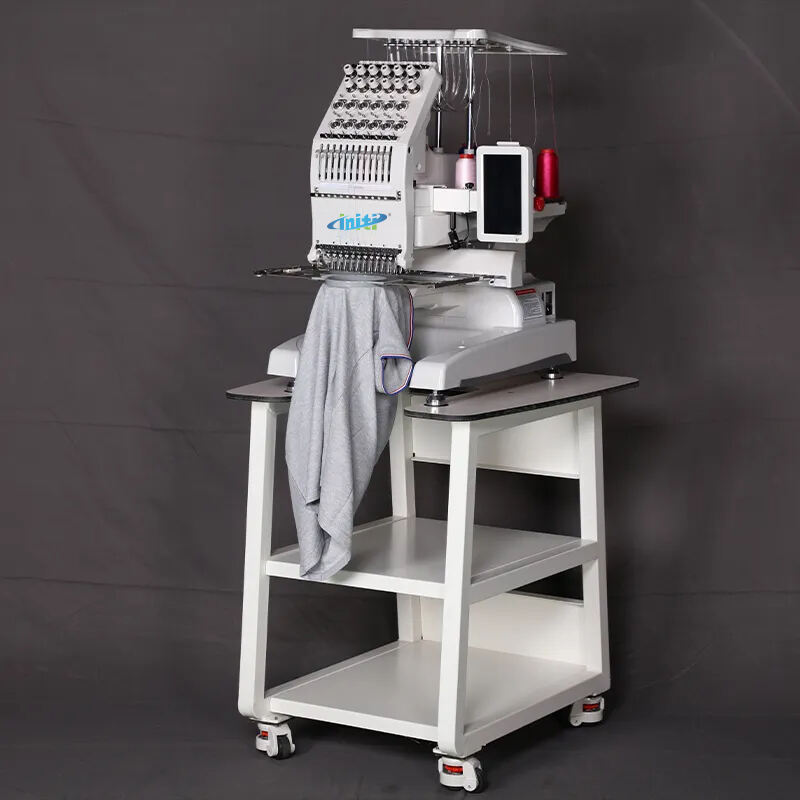
Finding the right embroidery machine can transform your creative projects and business operations, whether you're a hobbyist looking to personalize garments or a professional seeking to expand your commercial capabilities. The modern embroidery machine market offers numerous options, from basic home units to sophisticated industrial systems that can handle complex designs with precision and speed. Understanding where to purchase these machines and what factors to consider during your buying journey will ensure you make an informed investment that meets your specific embroidery needs and budget requirements.
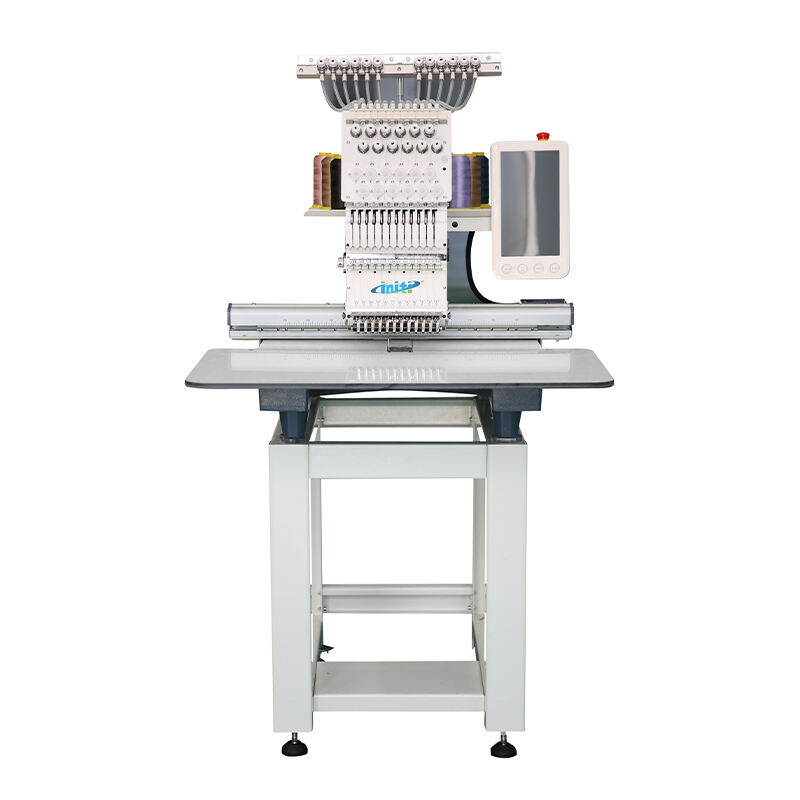
Understanding Different Types of Embroidery Machines
Home Embroidery Machine Categories
Home embroidery machines cater to various skill levels and project requirements, ranging from basic single-needle models to advanced multi-needle systems. Entry-level machines typically feature built-in designs, basic editing capabilities, and smaller embroidery areas suitable for personal projects and small businesses. These machines often include user-friendly interfaces with touchscreen displays, automatic threading systems, and pre-programmed designs that make embroidery accessible to beginners without extensive technical knowledge.
Mid-range home machines offer expanded capabilities including larger embroidery fields, more built-in designs, advanced editing features, and connectivity options for importing custom designs from computers or mobile devices. These units often include additional accessories such as multiple hoops, stabilizers, and specialized threads that enhance the overall embroidery experience. Professional home machines bridge the gap between consumer and commercial equipment, featuring robust construction, faster stitching speeds, and advanced software integration capabilities.
Commercial and Industrial Embroidery Systems
Commercial embroidery machines are designed for high-volume production and demanding business environments, featuring multiple heads that can work simultaneously on different garments or sections of large designs. These machines typically offer superior speed, precision, and durability compared to home units, making them ideal for custom apparel businesses, promotional product companies, and large-scale manufacturing operations. Industrial systems often include advanced features such as automatic trimming, color changes, and sophisticated software for design management and production optimization.
Single-head commercial machines provide an excellent entry point for small businesses looking to offer embroidery services without the significant investment required for multi-head systems. These machines combine professional-grade construction with user-friendly operation, offering faster stitching speeds and larger embroidery areas than typical home machines. Multi-head systems excel in production environments where efficiency and consistency are paramount, allowing operators to produce multiple identical items simultaneously while maintaining precise stitch quality and registration.
Top Retail Channels for Embroidery Machine Purchases
Authorized Dealer Networks
Authorized dealers represent the gold standard for embroidery machine purchases, offering direct access to manufacturer expertise, comprehensive warranties, and ongoing technical support. These dealers typically maintain showrooms where customers can test machines hands-on, compare different models side-by-side, and receive personalized recommendations based on specific project requirements and budget constraints. Authorized dealers also provide valuable services such as machine setup, training sessions, and maintenance support that ensure optimal performance throughout the machine's lifespan.
The dealer network advantage extends beyond the initial purchase, as these professionals often offer trade-in programs, upgrade paths, and access to exclusive models or promotions not available through other channels. Establishing a relationship with a local authorized dealer creates opportunities for ongoing education, troubleshooting assistance, and access to the latest embroidery techniques and technologies. Many dealers also stock essential supplies such as threads, stabilizers, and hoops, providing a one-stop solution for all embroidery needs.
Online Marketplace Platforms
Online marketplaces have revolutionized embroidery machine shopping by providing access to extensive product catalogs, competitive pricing, and detailed customer reviews that inform purchasing decisions. Major e-commerce platforms offer both new and refurbished machines from various manufacturers, often with competitive financing options and comprehensive return policies that reduce purchase risk. These platforms typically feature detailed product specifications, high-resolution images, and video demonstrations that help customers understand machine capabilities and limitations before making a commitment.
The convenience of online shopping allows customers to compare prices across multiple vendors, read authentic user reviews, and access exclusive online promotions that may not be available in physical stores. However, purchasing an embroidery machine online requires careful attention to seller reputation, warranty terms, and shipping considerations, especially for larger commercial units that may require specialized handling and installation services.
Factors to Consider When Choosing Purchase Locations
Warranty and Service Support
Warranty coverage and service support represent critical factors that can significantly impact the long-term value and performance of your embroidery machine investment. Comprehensive warranties typically cover mechanical components, electronic systems, and software for specified periods, providing peace of mind and protection against unexpected repair costs. Understanding warranty terms, including coverage limitations, service requirements, and authorized repair networks, helps ensure proper protection and maintenance throughout the machine's operational life.
Service support encompasses technical assistance, troubleshooting guidance, and access to replacement parts when needed. Reputable sellers maintain qualified service technicians who understand specific machine models and can provide expert diagnosis and repair services. Some vendors offer on-site service for commercial installations, while others provide remote support through phone, email, or video conferencing to resolve issues quickly and minimize downtime.
Training and Educational Resources
Proper training ensures optimal utilization of embroidery machine features and capabilities, maximizing return on investment while minimizing operational challenges. Quality sellers provide comprehensive training programs that cover machine operation, maintenance procedures, design software usage, and troubleshooting techniques tailored to specific user skill levels and applications. These educational resources may include in-person workshops, online tutorials, printed manuals, and ongoing support communities that facilitate continuous learning and skill development.
Advanced training opportunities often cover specialized techniques such as digitizing custom designs, working with challenging fabrics, and optimizing production workflows for commercial applications. Access to ongoing education ensures users stay current with evolving embroidery technologies, techniques, and best practices that enhance productivity and creative possibilities. Some manufacturers and dealers offer certification programs that validate operator competency and provide credentials for professional service providers.
Evaluating Machine Specifications and Features
Embroidery Area and Hoop Compatibility
The embroidery area determines the maximum size of designs that can be stitched in a single hooping, directly impacting project versatility and production efficiency. Larger embroidery fields accommodate oversized logos, jacket backs, and complex multi-element designs without requiring repositioning or splitting into smaller segments. However, larger embroidery areas often correlate with increased machine size, weight, and cost, requiring careful consideration of workspace limitations and budget constraints.
Hoop compatibility affects the types and sizes of items that can be embroidered effectively, with different hoop configurations optimized for specific applications such as caps, sleeves, or specialty items. Quality embroidery machines offer multiple hoop options and quick-change systems that minimize setup time between different projects. Some advanced systems feature magnetic or pneumatic hooping mechanisms that ensure consistent fabric tension and precise positioning for optimal stitch quality and registration accuracy.
Speed and Productivity Capabilities
Stitching speed directly influences production capacity and project completion times, particularly important for commercial applications where efficiency translates to profitability. Modern embroidery machines can achieve speeds ranging from 400 to over 1200 stitches per minute, with higher speeds generally requiring more sophisticated mechanical systems and precision engineering. However, maximum speed capabilities must be balanced against stitch quality, as excessive speeds can compromise precision and increase thread breakage or tension issues.
Productivity features such as automatic thread trimming, color changes, and jump stitch optimization reduce operator intervention and improve overall efficiency. Advanced machines incorporate sensors and feedback systems that automatically adjust parameters based on fabric type, design complexity, and environmental conditions. These intelligent features help maintain consistent quality while maximizing throughput, particularly valuable for high-volume production environments where consistency and speed are essential for competitive success.
Budget Planning and Financing Options
Initial Investment Considerations
Embroidery machine prices vary significantly based on capabilities, construction quality, and intended applications, ranging from several hundred dollars for basic home units to tens of thousands for sophisticated commercial systems. Initial investment planning should encompass not only the machine purchase price but also essential accessories, software, supplies, and setup costs that ensure proper operation from day one. Comprehensive budgeting prevents unexpected expenses and ensures adequate resources for optimal machine utilization and performance.
Quality considerations often justify higher initial investments through improved reliability, faster speeds, better stitch quality, and longer service life that reduce total cost of ownership over time. Premium machines typically feature superior construction materials, precision engineering, and advanced control systems that deliver consistent results while minimizing maintenance requirements and downtime. Evaluating long-term value requires considering factors such as warranty coverage, service availability, upgrade potential, and resale value when planning your investment strategy.
Leasing and Financing Programs
Financing programs make advanced embroidery machines accessible to businesses and individuals who prefer to preserve capital or spread costs over time rather than making large upfront investments. Equipment leasing options often include maintenance packages, upgrade provisions, and tax advantages that provide additional value beyond simple financing arrangements. Many manufacturers and dealers offer competitive financing terms with flexible payment schedules tailored to seasonal business patterns or cash flow requirements.
Lease-to-own programs combine the benefits of leasing with eventual ownership, allowing users to build equity while accessing advanced equipment immediately. These arrangements often include service packages and upgrade options that keep equipment current with evolving technologies. Careful evaluation of financing terms, including interest rates, payment schedules, and end-of-term options, ensures optimal financial arrangements that support business growth while maintaining healthy cash flow management.
FAQ
What should I look for when buying my first embroidery machine
When purchasing your first embroidery machine, prioritize ease of use, reliable customer support, and adequate embroidery area for your intended projects. Look for machines with intuitive interfaces, built-in designs, and comprehensive instruction materials that facilitate learning. Consider starting with a quality mid-range model that offers room for skill development without overwhelming complexity, and ensure the seller provides proper training and ongoing technical support to maximize your investment success.
How do I determine the right embroidery machine size for my needs
Embroidery machine size selection depends on your typical project requirements, available workspace, and production volume expectations. Analyze the largest designs you plan to create regularly, considering both single-element logos and complex multi-component layouts that require larger embroidery fields. Factor in workspace limitations, electrical requirements, and future growth plans to select a machine that meets current needs while providing expansion capabilities as your skills and business develop.
Is it better to buy new or used embroidery machines
New embroidery machines offer full warranties, latest technology, and guaranteed condition, while used machines provide cost savings with some increased risk. Used machines from reputable sources can deliver excellent value if properly maintained and thoroughly inspected before purchase. Consider factors such as machine age, service history, available support, and remaining warranty coverage when evaluating used options, and always test functionality extensively before finalizing any used machine purchase.
What ongoing costs should I budget for embroidery machine ownership
Ongoing embroidery machine costs include consumable supplies such as threads, stabilizers, needles, and backing materials, plus periodic maintenance, software updates, and occasional repairs. Budget approximately 10-15% of the machine purchase price annually for supplies and maintenance in typical usage scenarios. Commercial operations may require higher supply budgets due to increased production volumes, while hobby users typically experience lower ongoing costs due to occasional usage patterns and simpler project requirements.