

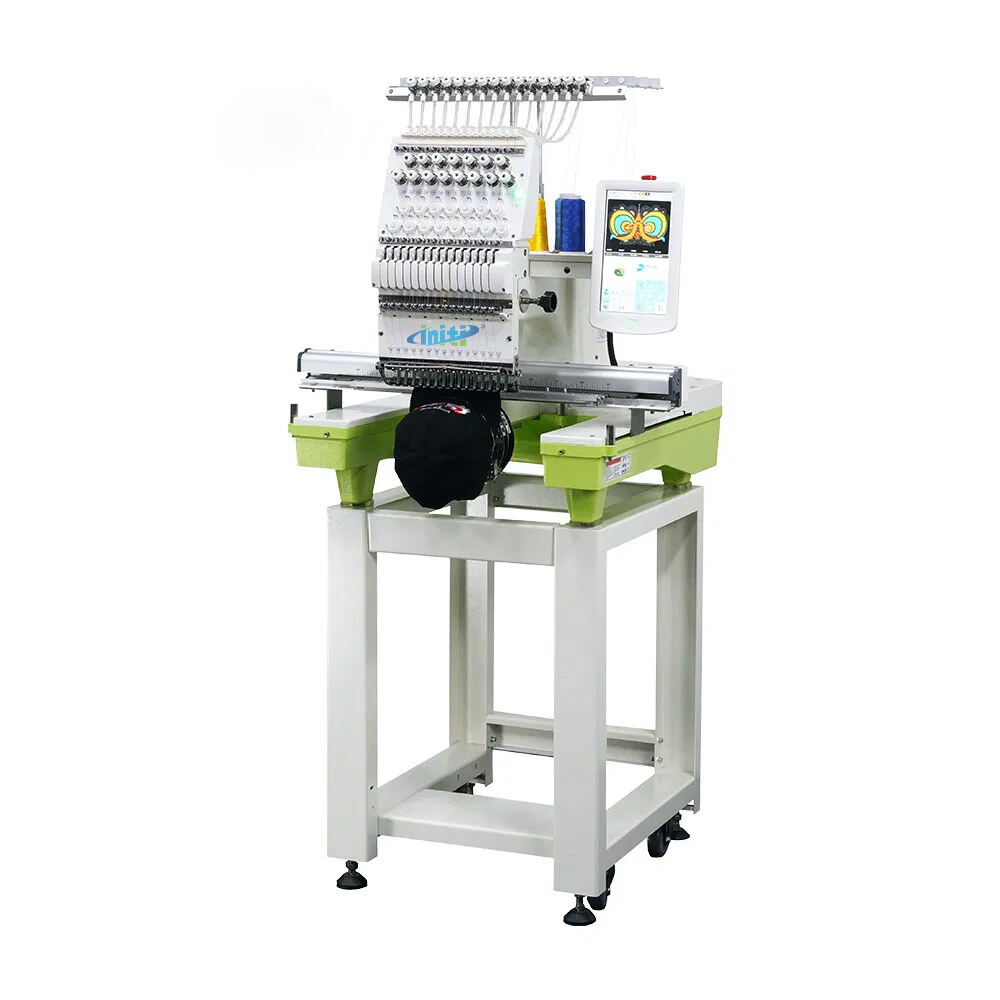
Selecting the right embroidery machine can transform your creative projects and business ventures into professional-quality masterpieces. Whether you're a hobbyist looking to personalize gifts or an entrepreneur planning to start an embroidery business, understanding what makes a good embroidery machine is essential for making an informed investment. The market offers numerous options, from basic single-needle models to sophisticated multi-head commercial systems, each designed to meet specific needs and production requirements. Modern embroidery machines combine precision engineering with user-friendly technology to deliver consistent, high-quality results across various fabric types and thread materials.

Essential Features of Quality Embroidery Machines
Needle Configuration and Threading Systems
The needle configuration significantly impacts the efficiency and versatility of any embroidery machine. Single-needle machines require manual thread changes for multi-color designs, making them suitable for simple projects and beginners. Multi-needle systems, typically ranging from 4 to 15 needles, allow automatic color changes and continuous operation for complex designs. Professional-grade machines often feature automatic threading mechanisms that reduce setup time and minimize operator fatigue during extended production runs.
Threading system quality directly affects production speed and thread break frequency. Look for machines with clear thread paths, tension guides, and easily accessible thread cutter mechanisms. Premium models incorporate thread break detection sensors that automatically pause operation when issues occur, preventing design damage and material waste. The threading process should be intuitive enough for operators to master quickly while maintaining consistent thread tension across all needles.
Embroidery Area and Hoop Capacity
The maximum embroidery area determines the size of designs you can create in a single hooping. Entry-level machines typically offer 4x4 inch areas, sufficient for logos and small decorative elements. Professional applications often require larger working areas, with some commercial machines accommodating designs up to 15x12 inches or larger. Consider your typical project requirements when evaluating hoop capacity, as larger areas provide greater creative freedom but may increase machine cost and space requirements.
Hoop systems should provide secure fabric positioning without causing damage or distortion. Quality machines feature multiple hoop sizes and quick-change mechanisms that streamline workflow during production. Some advanced models offer tubular hoops for cylindrical items like sleeves and caps, expanding the range of products you can customize. The hoop attachment system should maintain precise positioning throughout the embroidery process to ensure design accuracy and registration.
Technology Integration and User Interface
Digital Design Management
Modern embroidery machines rely on sophisticated software systems to manage design files and control stitching parameters. Look for machines that support multiple file formats including DST, PES, and EMB to ensure compatibility with various design sources. Built-in design libraries provide ready-to-use patterns, while editing capabilities allow customization of existing designs without external software. USB connectivity and wireless options enable easy file transfer and remote monitoring of production status.
User interface design significantly impacts operational efficiency and learning curves. Touchscreen displays with intuitive menus reduce training time and improve operator confidence. Advanced machines offer real-time stitch previews, allowing operators to verify designs before beginning production. Design positioning tools help optimize fabric usage and prevent costly mistakes during setup. The interface should provide clear feedback about machine status, thread colors, and estimated completion times.
Precision Control and Monitoring Systems
Stitch quality depends on precise control of needle movement, timing, and thread tension throughout the embroidery process. Quality machines maintain consistent stitch formation even at high speeds, typically ranging from 400 to 1200 stitches per minute depending on complexity. Variable speed controls allow operators to adjust performance based on fabric characteristics and design requirements. Automatic tension adjustment systems compensate for different thread types and fabric thicknesses without manual intervention.
Monitoring systems enhance production reliability by detecting and responding to various operational issues. Thread break sensors immediately halt operation when problems occur, preventing design damage and minimizing rework. Needle break detection protects both the machine and workpiece from damage caused by bent or broken needles. Some premium models include fabric sensing technology that automatically adjusts penetration depth based on material thickness, ensuring consistent stitch quality across diverse substrates.
Performance Specifications and Production Capabilities
Speed and Efficiency Metrics
Production speed directly impacts business profitability and project turnaround times for commercial operations. Entry-level machines typically operate at 400-600 stitches per minute, adequate for small volumes and detailed work requiring precision. Commercial-grade systems can achieve speeds up to 1200 stitches per minute while maintaining stitch quality and registration accuracy. However, optimal speed varies based on design complexity, fabric type, and thread characteristics, requiring operators to balance speed with quality requirements.
Efficiency encompasses more than raw stitching speed, including setup time, thread changes, and maintenance intervals. embroidery machine systems with automatic features reduce non-productive time and increase overall throughput. Quick-change capabilities for hoops, threads, and needles minimize interruptions during production runs. Reliable machines require less frequent maintenance and experience fewer operational disruptions, contributing to consistent productivity levels.
Build Quality and Durability Standards
Commercial embroidery operations demand machines capable of extended daily operation without performance degradation. Heavy-duty construction with precision-machined components ensures long-term reliability under demanding conditions. Look for machines with robust frames that resist vibration and maintain accurate registration during high-speed operation. Quality manufacturers use premium bearings, drives, and control systems designed for commercial duty cycles and minimal maintenance requirements.
Component accessibility facilitates routine maintenance and reduces downtime during service procedures. Well-designed machines provide easy access to frequently serviced items like thread paths, tension assemblies, and cutting mechanisms. Diagnostic capabilities help identify potential issues before they cause operational problems, enabling proactive maintenance scheduling. Comprehensive warranty coverage and readily available technical support indicate manufacturer confidence in product reliability and long-term performance.
Application-Specific Considerations
Fabric Compatibility and Versatility
Different embroidery applications require machines capable of handling diverse fabric types and thicknesses. Lightweight materials like silk and cotton require delicate handling to prevent puckering and distortion. Heavy fabrics such as denim and canvas demand robust penetration force and appropriate needle selections. Quality machines provide adjustable presser foot pressure and penetration depth to accommodate various substrates without compromising stitch quality or causing fabric damage.
Specialty applications may require additional capabilities such as cap embroidery attachments, cylindrical hoops, or free-arm configurations. Consider the range of products you plan to customize when evaluating machine versatility. Some machines excel at flat embroidery but struggle with three-dimensional items like caps and bags. Modular accessory systems allow capability expansion as business needs evolve, providing flexibility for growth and diversification.
Thread and Needle Compatibility
Thread selection significantly impacts both appearance and durability of finished embroidery work. Quality machines accommodate various thread types including polyester, rayon, cotton, and specialty materials like metallic and glow-in-the-dark options. Thread path design should minimize friction and prevent breakage during operation, particularly important for delicate or specialty threads. Consistent tension control ensures uniform stitch appearance regardless of thread characteristics.
Needle compatibility affects stitch formation and fabric penetration characteristics. Different point styles and sizes optimize performance for specific fabric and thread combinations. Sharp points work well with tightly woven fabrics, while ballpoint needles prevent runs in knit materials. Quality machines provide easy needle changes and clear guidance for selecting appropriate needle types. Some advanced systems automatically recommend needle and thread combinations based on fabric characteristics and design requirements.
Maintenance Requirements and Support Systems
Routine Maintenance Protocols
Regular maintenance ensures consistent performance and extends machine lifespan significantly. Daily cleaning procedures include removing lint and thread debris from critical areas, particularly around the needle bar and thread paths. Weekly lubrication of moving components prevents premature wear and reduces operational noise. Monthly calibration checks verify timing accuracy and stitch formation quality, allowing correction of minor issues before they impact production.
Maintenance accessibility influences both cost and downtime associated with service procedures. Well-designed machines provide clear access to wear components and include comprehensive maintenance documentation. Self-diagnostic capabilities help identify service requirements and guide troubleshooting procedures. Some advanced models include automated maintenance reminders and performance monitoring to optimize service scheduling and prevent unexpected failures.
Technical Support and Training Resources
Comprehensive technical support ensures smooth operation and rapid resolution of operational issues. Look for manufacturers offering multiple support channels including phone, email, and online resources. Local service availability reduces downtime and transportation costs associated with major repairs. Training programs help operators maximize machine capabilities and avoid common operational mistakes that could damage equipment or compromise quality.
Documentation quality directly impacts operator confidence and troubleshooting effectiveness. Clear user manuals with detailed illustrations and step-by-step procedures reduce learning curves and support self-service maintenance. Video tutorials and online resources provide additional learning opportunities and reference materials. Software updates and design libraries expand machine capabilities and maintain compatibility with evolving industry standards.
FAQ
What factors determine embroidery machine quality and reliability
Embroidery machine quality depends on precision engineering, robust construction materials, and advanced control systems that maintain consistent performance under demanding conditions. Key indicators include frame rigidity, component accessibility for maintenance, diagnostic capabilities, and manufacturer reputation for reliability. Premium machines feature precision-machined parts, quality bearings, and control systems designed for commercial duty cycles with minimal maintenance requirements.
How do I choose the right embroidery area size for my projects
Embroidery area selection should align with your typical project requirements and future growth plans. Small areas like 4x4 inches suit logos and decorative elements, while larger areas up to 12x15 inches accommodate full garment designs and complex artwork. Consider the maximum design size you anticipate creating, as larger hoops provide creative freedom but increase machine cost and space requirements. Multiple hoop options offer flexibility for various project types.
What maintenance schedule ensures optimal embroidery machine performance
Effective maintenance combines daily cleaning, weekly lubrication, and monthly calibration procedures to ensure consistent performance and longevity. Daily tasks include removing lint and thread debris, while weekly procedures involve lubricating moving components according to manufacturer specifications. Monthly calibration checks verify timing accuracy and stitch quality, allowing correction of minor issues before they impact production or require major repairs.
Which thread and needle combinations work best for different fabric types
Thread and needle selection depends on fabric characteristics, design complexity, and desired appearance. Polyester threads offer durability and color fastness for most applications, while rayon provides superior sheen for decorative work. Sharp needles penetrate tightly woven fabrics effectively, while ballpoint needles prevent runs in knit materials. Needle size should match thread weight, with heavier threads requiring larger needles to prevent breakage and ensure proper stitch formation.