

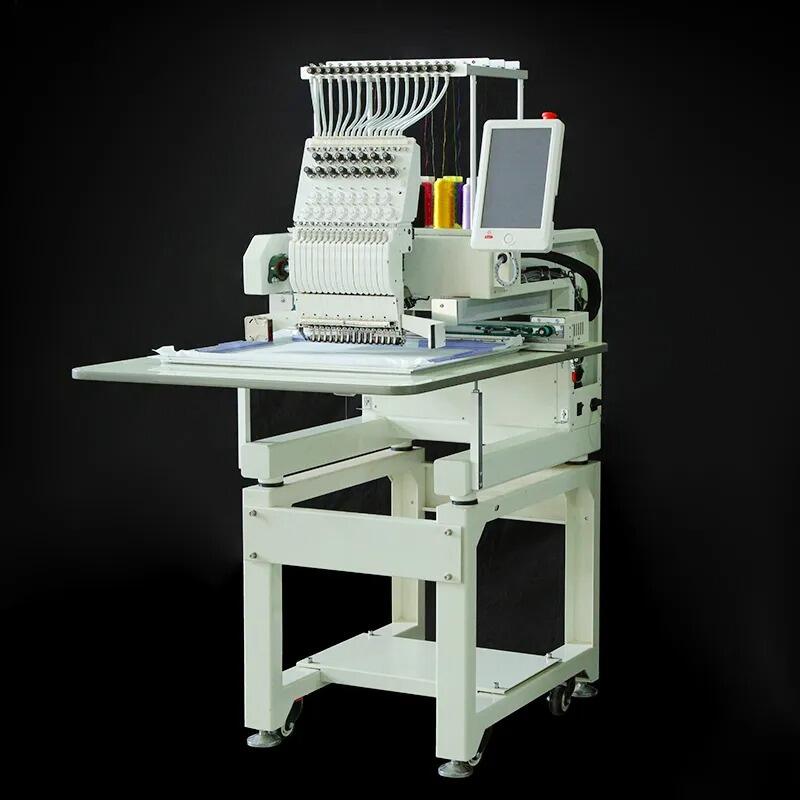
In the competitive landscape of commercial embroidery, maintaining peak operational efficiency is crucial for business success. Effective embroidery machine maintenance forms the foundation of profitable operations, ensuring consistent quality output while minimizing costly interruptions. Professional embroiderers understand that a well-maintained machine delivers superior stitch quality, reduces material waste, and extends equipment lifespan significantly. The investment in proper maintenance protocols directly translates to improved customer satisfaction and enhanced profitability margins.
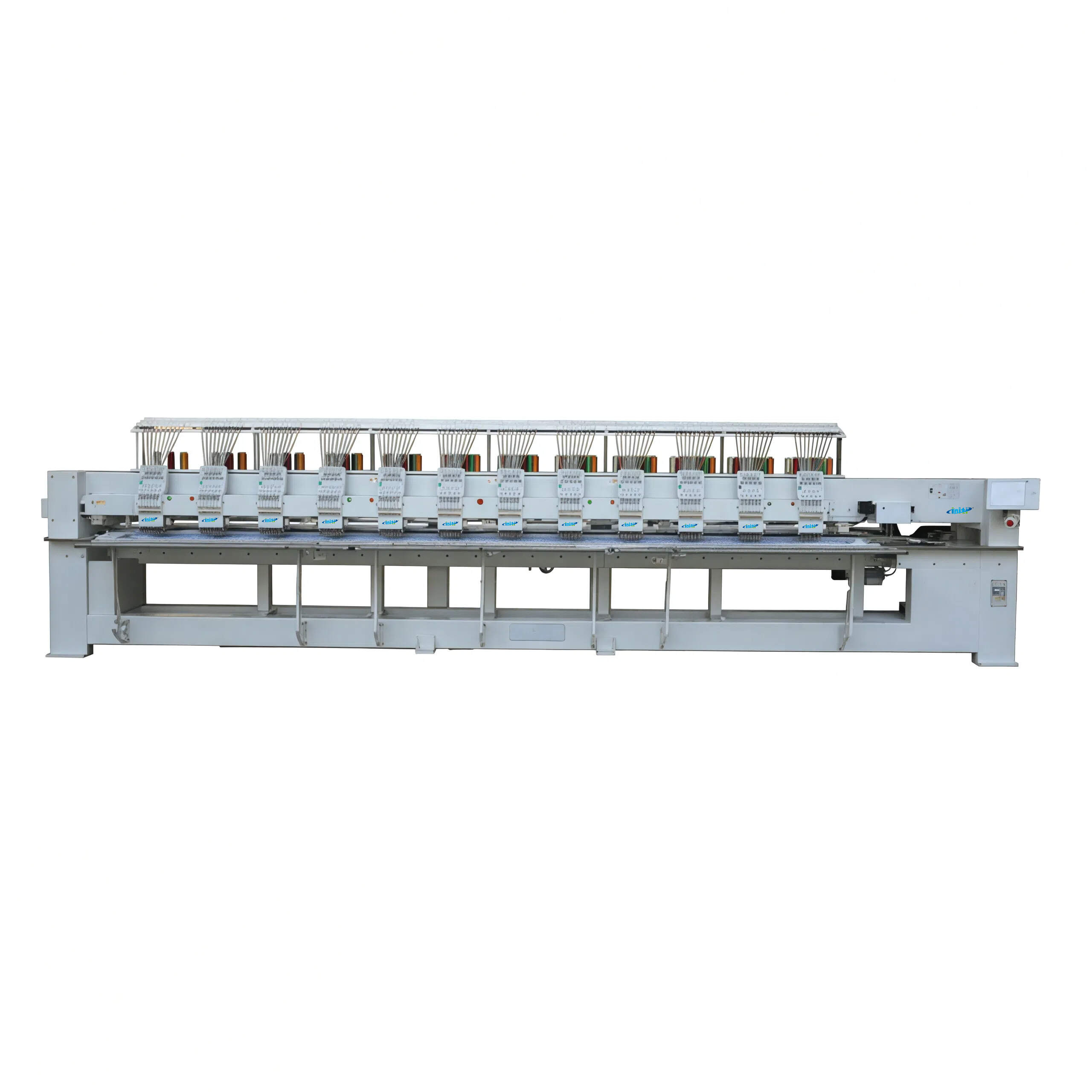
Essential Daily Maintenance Procedures
Pre-Operation Inspection Protocols
Beginning each production day with comprehensive visual inspections establishes the cornerstone of effective embroidery machine maintenance practices. Operators should examine needle conditions for signs of burring, bending, or excessive wear that could compromise stitch quality. Thread path components require careful attention to ensure smooth material flow without catches or snags. The inspection process includes checking tension settings, examining bobbin cases for lint accumulation, and verifying proper threading through all guides and tension discs.
Mechanical components demand equal attention during daily embroidery machine maintenance routines. Frame mechanisms should move smoothly without binding or unusual resistance, while drive belts require inspection for proper tension and wear patterns. Electrical connections need verification to prevent intermittent power issues that could disrupt production schedules. Documentation of daily findings creates valuable maintenance records that help identify developing problems before they cause significant downtime.
Cleaning and Lubrication Requirements
Systematic cleaning procedures represent a fundamental aspect of comprehensive embroidery machine maintenance programs. Lint removal from critical areas prevents accumulation that could interfere with moving parts or cause overheating issues. Hook assemblies require particular attention as lint buildup in these areas directly affects stitch formation quality. Compressed air provides an effective method for removing debris from inaccessible areas, while soft brushes handle delicate components without causing damage.
Proper lubrication schedules ensure optimal performance throughout extended operating periods. High-quality embroidery machine oils specifically formulated for textile equipment provide superior protection against wear and corrosion. Key lubrication points include needle bars, hook assemblies, and drive mechanisms that experience constant motion during operation. Over-lubrication can attract lint and debris, making precise application according to manufacturer specifications essential for effective embroidery machine maintenance.
Preventive Maintenance Scheduling
Weekly Maintenance Tasks
Weekly embroidery machine maintenance protocols address components that require regular attention but don't need daily service. Timing mechanisms benefit from calibration checks to ensure accurate stitch placement and pattern registration. Drive system components including belts, pulleys, and gears require inspection for wear patterns and proper alignment. These weekly procedures help identify potential issues before they progress to failure points that could cause extended production delays.
Electrical system evaluations during weekly embroidery machine maintenance sessions help prevent unexpected failures. Control panel functions should be tested systematically to verify proper operation of all switches, displays, and input devices. Motor connections require inspection for signs of overheating or loosening that could lead to performance degradation. Software backup procedures ensure that pattern libraries and machine settings remain protected against data loss.
Monthly Deep Maintenance Procedures
Monthly maintenance cycles allow for more comprehensive embroidery machine maintenance activities that require extended downtime. Complete disassembly of hook assemblies enables thorough cleaning and inspection of internal components that aren't accessible during daily routines. Timing adjustments may be necessary to maintain optimal stitch formation as components experience gradual wear over time. These deeper maintenance procedures often reveal developing issues that could cause significant problems if left unaddressed.
Calibration procedures during monthly embroidery machine maintenance ensure continued accuracy in pattern placement and sizing. Frame registration checks verify that mechanical movements correspond correctly to programmed coordinates. Tension system evaluations help maintain consistent thread delivery across all needle positions. Professional technicians often perform these advanced procedures to ensure optimal results and prevent warranty voiding through improper adjustments.
Troubleshooting Common Issues
Thread Break Prevention Strategies
Thread breaks represent one of the most common challenges in commercial embroidery operations, making effective prevention strategies essential for successful embroidery machine maintenance. Tension adjustments often resolve recurring break issues, but proper diagnosis requires systematic evaluation of multiple factors. Thread quality, needle condition, and machine timing all contribute to thread break frequency. Understanding the relationship between these factors enables operators to implement targeted solutions that address root causes rather than symptoms.
Environmental factors significantly impact thread break rates and should be considered in comprehensive embroidery machine maintenance programs. Humidity levels affect thread characteristics, while temperature variations can cause dimensional changes in machine components. Static electricity buildup creates additional challenges that require specific countermeasures. Implementing environmental controls as part of overall maintenance strategies helps achieve consistent production results with minimal interruptions.
Stitch Quality Optimization
Maintaining superior stitch quality requires attention to numerous variables within embroidery machine maintenance protocols. Needle selection plays a crucial role in achieving optimal penetration and thread formation. Different fabric types demand specific needle configurations to prevent damage while ensuring clean stitch formation. Regular needle replacement schedules prevent deterioration that could compromise finished product quality.
Proper embroidery machine maintenance includes regular evaluation of stitch formation mechanisms to ensure consistent quality output. Hook timing adjustments may be necessary as components wear and clearances change over time. Bobbin tension settings require periodic verification to maintain proper thread balance in stitch formation. These technical aspects of maintenance directly impact customer satisfaction and business reputation.
Cost-Benefit Analysis of Maintenance Programs
Direct Cost Savings Through Prevention
Implementing comprehensive embroidery machine maintenance programs generates substantial direct cost savings through reduced repair expenses and extended equipment lifespan. Preventive maintenance typically costs significantly less than emergency repairs that require expedited parts ordering and overtime labor charges. Regular maintenance schedules allow for planned downtime during non-peak periods, minimizing production disruption and revenue loss. These financial benefits often justify maintenance investments within the first year of program implementation.
Parts longevity improvements through proper embroidery machine maintenance reduce replacement costs and inventory requirements. Components that receive regular attention and proper lubrication experience slower wear rates and longer service life. Bulk purchasing of maintenance supplies often provides additional cost advantages compared to emergency procurement. Documentation of parts usage patterns enables better inventory management and reduced carrying costs.
Productivity Enhancement Benefits
Well-maintained equipment operates at higher efficiency levels, directly improving productivity and profitability metrics. Consistent stitch quality reduces rework rates and material waste, while reliable operation minimizes production delays. Customer satisfaction improvements through consistent quality output often lead to increased repeat business and referrals. These productivity enhancements contribute significantly to return on investment for comprehensive embroidery machine maintenance programs.
Operator confidence in well-maintained equipment translates to improved job satisfaction and reduced turnover rates. Training costs decrease when operators work with reliable equipment that performs predictably. Reduced stress levels associated with equipment failures contribute to better workplace morale and productivity. These human resource benefits represent often-overlooked advantages of effective embroidery machine maintenance strategies.
Advanced Maintenance Technologies
Predictive Maintenance Systems
Modern embroidery machine maintenance programs increasingly incorporate predictive technologies that monitor equipment condition in real-time. Vibration analysis systems detect developing mechanical issues before they cause failures, allowing for planned maintenance activities. Temperature monitoring helps identify lubrication issues or excessive wear conditions that could lead to component damage. These advanced diagnostic tools enable more precise maintenance scheduling and resource allocation.
Data analytics platforms process maintenance information to identify patterns and optimize service schedules. Historical performance data helps predict component replacement timing and maintenance resource requirements. Integration with production management systems enables coordinated scheduling that minimizes operational disruption. These technological advances represent the future direction of professional embroidery machine maintenance programs.
Remote Monitoring Capabilities
Remote monitoring systems enable continuous oversight of embroidery machine maintenance parameters without constant physical presence. Internet connectivity allows technicians to evaluate machine performance and diagnose issues from off-site locations. Automated alert systems notify maintenance personnel immediately when parameters exceed acceptable ranges. These capabilities particularly benefit operations with multiple locations or limited on-site technical expertise.
Cloud-based maintenance management systems centralize documentation and scheduling across multiple machines and locations. Service history tracking helps identify recurring issues and optimize maintenance procedures. Parts inventory management integration ensures necessary supplies are available when needed. These comprehensive systems represent significant advances in embroidery machine maintenance efficiency and effectiveness.
Training and Documentation Requirements
Operator Training Programs
Successful embroidery machine maintenance depends heavily on properly trained operators who understand both routine procedures and problem recognition. Comprehensive training programs should cover daily maintenance tasks, safety procedures, and basic troubleshooting techniques. Hands-on practice sessions ensure operators develop confidence and competence in maintenance activities. Regular refresher training helps maintain skill levels and introduces new techniques or equipment modifications.
Documentation of training activities creates accountability and helps identify areas where additional instruction may be needed. Certification programs validate operator competency and provide motivation for continued skill development. Cross-training multiple operators ensures maintenance activities continue even when primary personnel are unavailable. These training investments directly support effective embroidery machine maintenance implementation.
Maintenance Record Systems
Detailed maintenance records provide essential information for optimizing service schedules and identifying recurring problems. Digital documentation systems enable easy access to historical information and trend analysis. Parts usage tracking helps optimize inventory levels and identify suppliers with superior product quality. Service interval analysis allows for customization of maintenance schedules based on actual operating conditions rather than generic recommendations.
Regulatory compliance often requires specific maintenance documentation for insurance and warranty purposes. Proper record keeping demonstrates due diligence in equipment care and may be necessary for warranty claims. Integration with quality management systems provides comprehensive documentation of factors affecting product quality. These record systems represent critical components of professional embroidery machine maintenance programs.
FAQ
How often should embroidery machines receive professional maintenance service
Professional embroidery machine maintenance schedules depend on usage intensity and operating conditions, but most commercial operations benefit from quarterly professional service visits. High-volume production environments may require monthly professional attention, while lighter-use applications might extend intervals to semi-annually. The key factor is establishing consistent schedules that prevent problems rather than reacting to failures. Professional technicians can evaluate specific operating conditions and recommend optimal service frequencies.
What are the most critical maintenance tasks for preventing expensive repairs
Daily cleaning and lubrication represent the most cost-effective embroidery machine maintenance activities for preventing major repairs. Regular needle replacement prevents damage to hook assemblies and timing mechanisms that could require expensive professional service. Proper thread path maintenance prevents tension-related issues that can cause extensive component wear. Environmental controls including humidity and temperature management also significantly impact equipment longevity and reduce repair requirements.
Can operators perform all necessary maintenance or is professional service required
While operators can handle most daily and weekly embroidery machine maintenance tasks, professional service remains essential for complex procedures and major adjustments. Timing adjustments, electrical system maintenance, and major component replacement typically require specialized training and tools. The optimal approach combines comprehensive operator training for routine maintenance with scheduled professional service for advanced procedures. This combination maximizes equipment performance while controlling maintenance costs.
What maintenance supplies should be kept in inventory for embroidery operations
Essential embroidery machine maintenance supplies include high-quality machine oil, cleaning solvents, replacement needles in various sizes, bobbins, and basic replacement parts like belts and small hardware. Compressed air supplies and appropriate cleaning tools including brushes and lint-free cloths are also necessary. Maintaining adequate inventory prevents production delays when maintenance activities identify components requiring immediate replacement. Regular inventory reviews ensure supplies remain fresh and readily available when needed.
Table of Contents
- Essential Daily Maintenance Procedures
- Preventive Maintenance Scheduling
- Troubleshooting Common Issues
- Cost-Benefit Analysis of Maintenance Programs
- Advanced Maintenance Technologies
- Training and Documentation Requirements
-
FAQ
- How often should embroidery machines receive professional maintenance service
- What are the most critical maintenance tasks for preventing expensive repairs
- Can operators perform all necessary maintenance or is professional service required
- What maintenance supplies should be kept in inventory for embroidery operations