

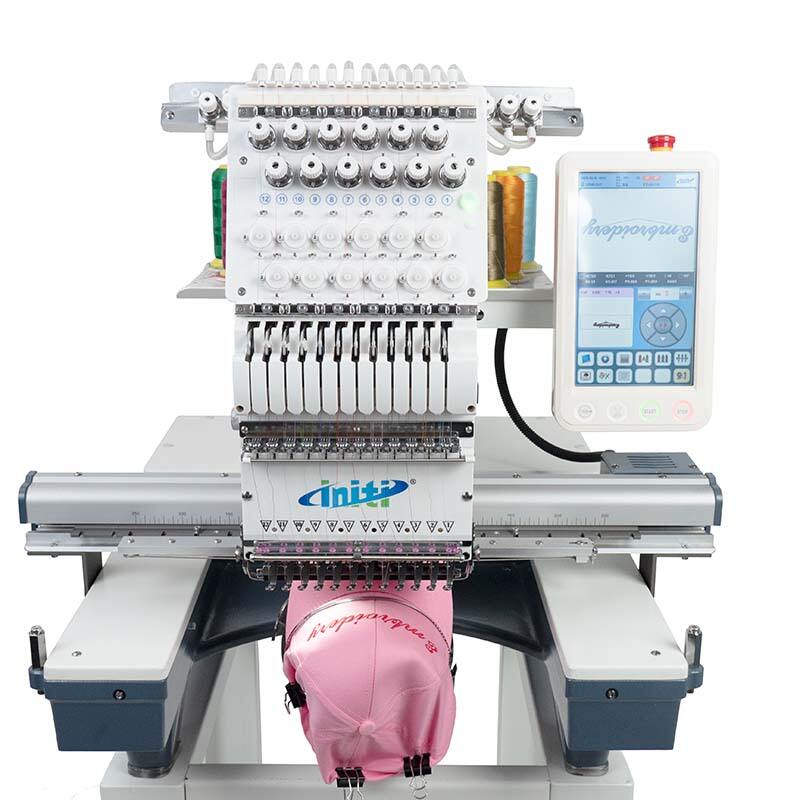
In today's competitive manufacturing landscape, businesses require specialized solutions that go beyond standard equipment capabilities. Custom machines represent the pinnacle of industrial engineering, offering manufacturers the ability to achieve unprecedented production volumes while maintaining consistent quality standards. These bespoke systems are meticulously designed to address specific operational challenges, integrate seamlessly with existing workflows, and deliver measurable improvements in throughput and efficiency.
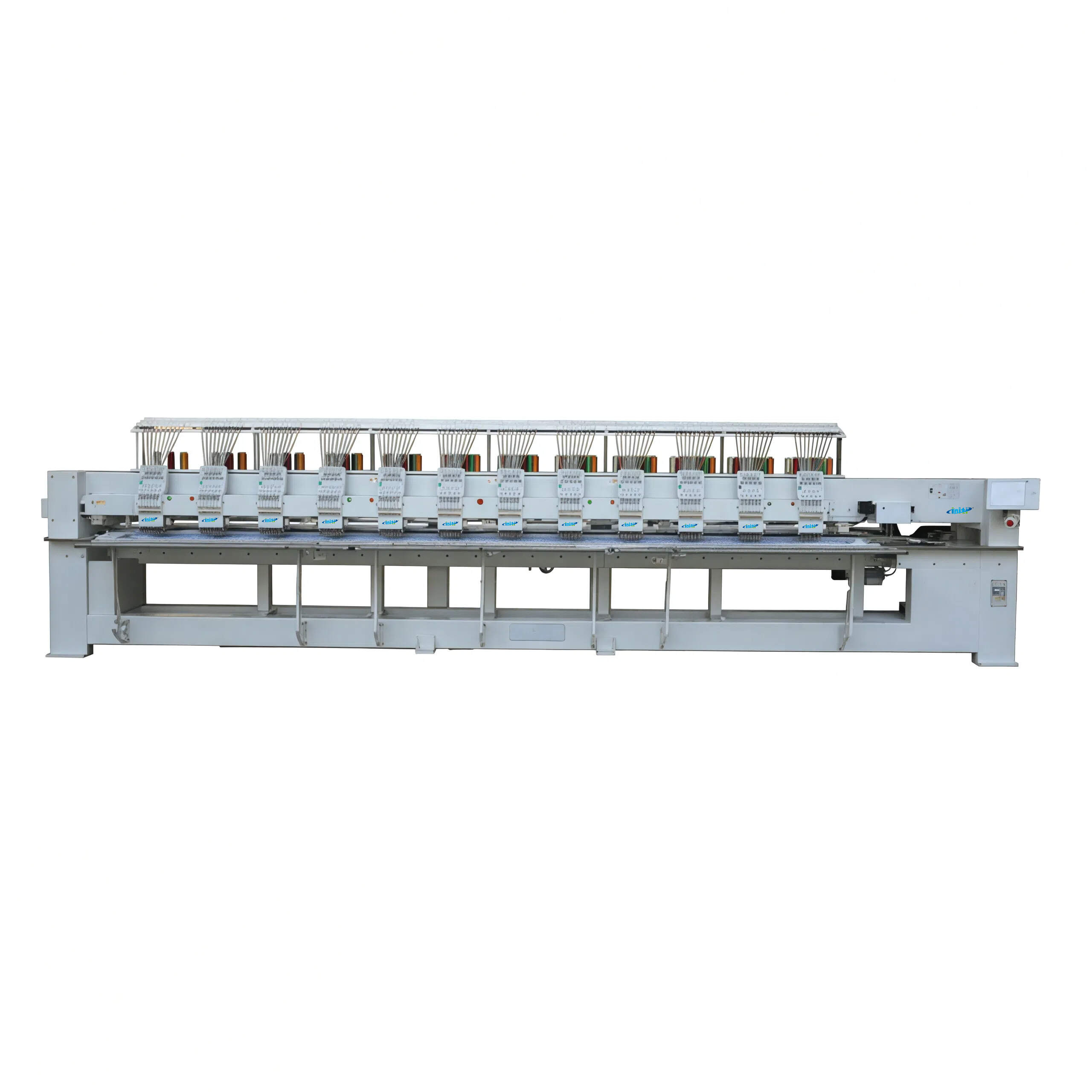
The development of custom machines for high-output production involves a comprehensive understanding of manufacturing requirements, material characteristics, and operational constraints. Engineers must consider factors such as cycle times, material handling, quality control integration, and scalability potential when designing these specialized systems. Modern custom machines incorporate advanced automation technologies, precision control systems, and intelligent monitoring capabilities to ensure optimal performance across extended production runs.
Engineering Principles for High-Volume Custom Machine Design
Scalability and Modular Architecture
Effective custom machines are built upon scalable architectural foundations that accommodate future production increases without requiring complete system overhauls. Modular design principles enable manufacturers to expand capacity incrementally, adding processing units or automation components as demand grows. This approach reduces initial capital investment while preserving the flexibility to adapt to changing market conditions and production requirements.
The modular architecture of custom machines also facilitates maintenance and component replacement, minimizing downtime during service intervals. Standardized interfaces between modules ensure compatibility across different production configurations, allowing manufacturers to reconfigure their systems for various product lines or seasonal demand fluctuations. This flexibility proves invaluable in industries where product specifications change frequently or where multi-product manufacturing is essential.
Precision Control Systems and Automation Integration
Modern custom machines incorporate sophisticated control systems that manage every aspect of the production process with exceptional precision. These systems utilize advanced sensors, feedback mechanisms, and real-time processing capabilities to maintain consistent output quality while maximizing throughput. Programmable logic controllers work in conjunction with human-machine interfaces to provide operators with comprehensive system monitoring and adjustment capabilities.
Integration with existing factory automation systems ensures seamless data exchange and coordinated operation across multiple production lines. Custom machines designed for high-volume applications often feature predictive maintenance capabilities, utilizing machine learning algorithms to anticipate component wear and schedule maintenance activities during planned downtime periods. This proactive approach prevents unexpected failures and maintains consistent production schedules.
Material Handling and Process Optimization
Advanced Material Flow Management
Efficient material handling represents a critical component of high-output custom machines, directly impacting cycle times and overall equipment effectiveness. Automated feeding systems, conveyor networks, and robotic handling units work together to minimize manual intervention while ensuring consistent material positioning and orientation. These systems must accommodate various material types, sizes, and handling requirements while maintaining precise control over material flow rates.
Custom machines designed for volume production often incorporate buffer systems and intermediate storage capabilities to maintain continuous operation even when upstream or downstream processes experience temporary disruptions. Smart material tracking systems provide real-time visibility into material locations, quantities, and processing status, enabling operators to optimize inventory levels and prevent production bottlenecks. Advanced sorting and quality control mechanisms integrated within the material handling system ensure that only acceptable materials proceed through subsequent processing stages.
Process Cycle Time Optimization
Achieving maximum throughput from custom machines requires careful optimization of individual process cycles and their coordination within the overall production sequence. Time and motion studies, combined with advanced simulation tools, help engineers identify bottlenecks and optimize task sequencing to minimize non-productive time. Parallel processing capabilities, where feasible, enable multiple operations to occur simultaneously, significantly reducing overall cycle times.
Custom machines benefit from continuous process monitoring and automatic adjustment capabilities that maintain optimal operating parameters regardless of environmental conditions or material variations. Variable speed drives, adaptive tooling systems, and intelligent process control algorithms work together to maximize efficiency while preserving product quality. Real-time performance analytics provide operators with actionable insights for further optimization and process refinement.
Quality Control Integration and Measurement Systems
In-Line Quality Assurance Technologies
High-volume custom machines integrate comprehensive quality control systems that inspect products at multiple stages throughout the manufacturing process. Vision systems, coordinate measuring machines, and non-destructive testing equipment provide continuous quality monitoring without interrupting production flow. These systems utilize artificial intelligence and machine learning capabilities to improve defect detection accuracy and reduce false positive rates over time.
Statistical process control functionality built into custom machines enables real-time trend analysis and automatic process adjustments to prevent quality drift before defective products are produced. Advanced quality management systems maintain detailed records of all measurements and test results, providing traceability and supporting continuous improvement initiatives. Integration with enterprise quality management systems ensures that quality data is available for broader analysis and reporting purposes.
Measurement and Calibration Systems
Precision measurement capabilities embedded within custom machines ensure consistent product dimensions and characteristics across high-volume production runs. Automated calibration systems maintain measurement accuracy by periodically verifying and adjusting sensor readings against known standards. These systems reduce the need for manual calibration procedures while providing documented evidence of measurement system integrity.
Custom machines often incorporate redundant measurement systems that provide backup capabilities and enable cross-verification of critical measurements. Environmental compensation algorithms account for temperature variations, humidity changes, and other factors that could affect measurement accuracy. Advanced data analysis capabilities identify measurement trends and potential system issues before they impact product quality or production efficiency.
Performance Monitoring and Maintenance Strategies
Predictive Maintenance Implementation
Custom machines designed for high-output production incorporate comprehensive condition monitoring systems that track equipment health parameters and predict maintenance requirements. Vibration analysis, thermal imaging, and lubricant analysis capabilities provide early warning of potential component failures. Machine learning algorithms analyze historical performance data to establish baseline operating conditions and identify deviations that may indicate developing problems.
Predictive maintenance strategies for custom machines reduce unplanned downtime by scheduling maintenance activities based on actual equipment condition rather than arbitrary time intervals. This approach maximizes equipment availability while minimizing maintenance costs and inventory requirements. Automated maintenance scheduling systems coordinate with production planning software to ensure that maintenance activities occur during optimal windows that minimize production impact.
Performance Analytics and Optimization
Real-time performance monitoring systems provide comprehensive visibility into custom machine operation, tracking metrics such as throughput, cycle times, quality rates, and equipment efficiency. Advanced analytics platforms process this data to identify optimization opportunities and recommend process improvements. Performance dashboards provide operators and management with clear visibility into production status and key performance indicators.
Continuous improvement processes for custom machines utilize performance data to drive systematic enhancements in efficiency, quality, and reliability. Benchmarking capabilities compare current performance against historical trends and industry standards, highlighting areas where improvements could yield significant benefits. Data-driven decision making ensures that modification and upgrade investments deliver measurable returns on investment.
Cost-Benefit Analysis and Return on Investment
Economic Justification for Custom Machine Investment
The economic case for custom machines in high-volume production environments typically centers on improved efficiency, reduced labor costs, and enhanced product quality. Detailed cost-benefit analyses consider factors such as increased throughput capacity, reduced scrap rates, lower maintenance requirements, and improved product consistency. These analyses must account for both direct cost savings and indirect benefits such as improved customer satisfaction and market competitiveness.
Custom machines often provide significant advantages over standard equipment in applications requiring specialized capabilities or unique production requirements. The ability to optimize every aspect of the machine design for specific applications can result in substantial performance improvements that justify the additional investment. Long-term cost considerations include reduced training requirements, lower spare parts inventory, and improved regulatory compliance capabilities.
Lifecycle Cost Management
Effective lifecycle cost management for custom machines requires consideration of all costs associated with equipment ownership, including initial purchase price, installation and commissioning, training, maintenance, and eventual disposal or upgrade costs. Value engineering approaches during the design phase help optimize the balance between initial cost and long-term operating expenses. Comprehensive maintenance planning and parts availability strategies ensure that custom machines remain productive throughout their intended service life.
Custom machines benefit from careful consideration of technology roadmaps and upgrade paths during the initial design phase. Modular architectures and standardized interfaces facilitate future enhancements and technology integration without requiring complete system replacement. This forward-thinking approach maximizes the useful life of custom machine investments while preserving the ability to incorporate new technologies as they become available.
FAQ
What factors determine the feasibility of developing custom machines for high-volume production
The feasibility of custom machines depends on production volume requirements, available budget, timeline constraints, and the complexity of manufacturing processes involved. Organizations must evaluate whether standard equipment can meet their needs or if specialized capabilities justify custom development. Technical complexity, regulatory requirements, and available engineering resources also influence feasibility decisions.
How do custom machines compare to standard equipment in terms of maintenance requirements
Custom machines typically require specialized maintenance knowledge and may have unique spare parts requirements, but they often incorporate advanced diagnostic capabilities that simplify troubleshooting and maintenance planning. Predictive maintenance systems common in custom machines can actually reduce overall maintenance costs compared to standard equipment through optimized scheduling and prevention of catastrophic failures.
What role does simulation play in custom machine design and optimization
Simulation tools enable engineers to test and optimize custom machine designs before physical construction begins, reducing development time and costs while improving final performance. Virtual prototyping allows evaluation of different design alternatives, identification of potential bottlenecks, and optimization of material flow and process sequences. Simulation also supports operator training and maintenance procedure development.
How can manufacturers ensure successful integration of custom machines into existing production systems
Successful integration requires careful planning of interfaces with existing equipment, data systems, and operational procedures. Custom machines should be designed with standardized communication protocols and compatible control systems to facilitate integration. Comprehensive testing during commissioning and phased implementation approaches help identify and resolve integration challenges before full production deployment.