

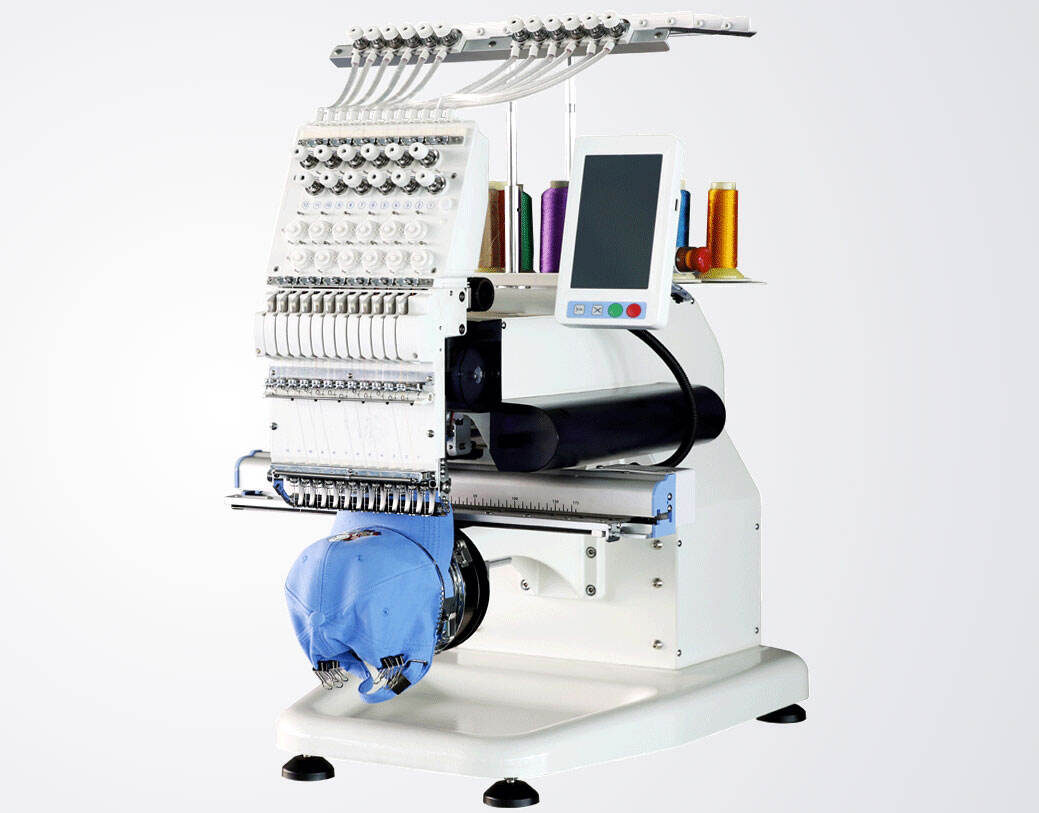
The textile and fashion industry has experienced revolutionary changes with the introduction of advanced manufacturing technologies, particularly in the realm of decorative stitching and design application. Modern production facilities increasingly rely on sophisticated automated equipment to meet growing consumer demands for high-quality, precisely crafted garments and textile products. The computerized embroidery machine represents one of the most significant technological advancements in this sector, transforming how manufacturers approach decorative stitching, logo application, and intricate design work across various textile applications.
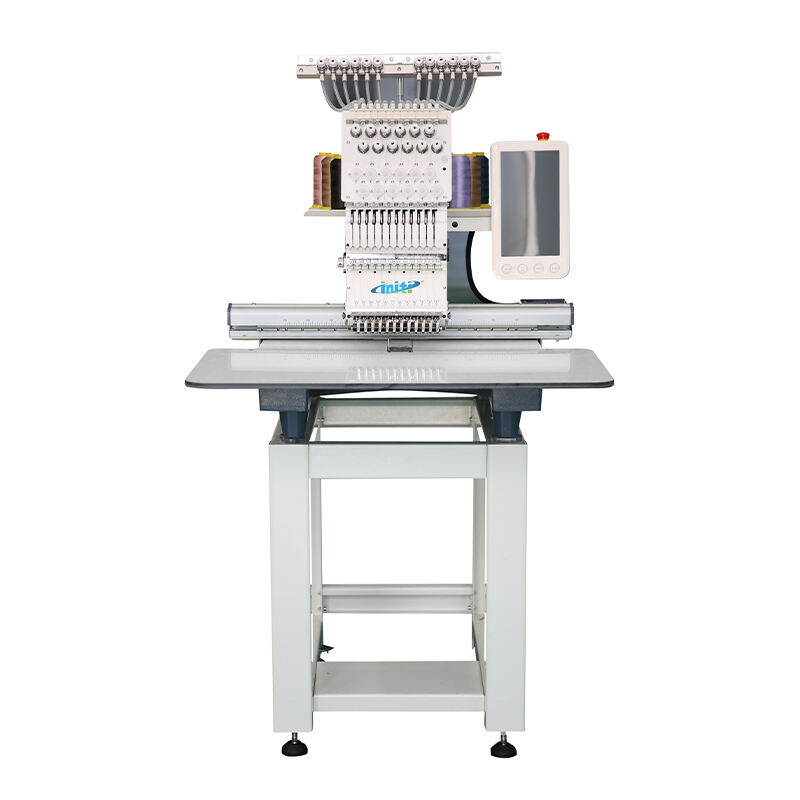
Today's global marketplace features numerous manufacturers specializing in computerized embroidery machine production, each offering unique technological innovations and specialized features designed to meet diverse industrial requirements. These manufacturers have established themselves as leaders through consistent innovation, quality engineering, and comprehensive customer support systems. Understanding the landscape of leading manufacturers helps businesses make informed decisions when investing in computerized embroidery machine technology for their production facilities.
Global Market Leaders in Computerized Embroidery Technology
Asian Manufacturing Powerhouses
The Asian market dominates computerized embroidery machine manufacturing, with several countries hosting world-renowned companies that have shaped industry standards for decades. Japanese manufacturers have traditionally led innovation in precision engineering and software integration, developing computerized embroidery machine models that set benchmarks for accuracy and reliability. These companies continue to invest heavily in research and development, consistently introducing advanced features such as automatic thread cutting, multi-directional stitching capabilities, and sophisticated pattern recognition systems.
Chinese manufacturers have emerged as significant players in the computerized embroidery machine market, offering competitive solutions that combine advanced technology with cost-effective production methods. Many Chinese companies have established partnerships with international technology providers, enabling them to incorporate cutting-edge features while maintaining competitive pricing structures. The rapid growth of these manufacturers has contributed to increased accessibility of computerized embroidery machine technology across global markets.
South Korean companies have carved out substantial market share through their focus on user-friendly interfaces and integration with digital design software. These manufacturers emphasize the importance of seamless workflow integration, developing computerized embroidery machine systems that connect effortlessly with popular design applications and production management software platforms.
European Innovation Centers
European manufacturers maintain strong positions in the premium computerized embroidery machine segment, focusing on high-end industrial applications and specialized textile production requirements. German engineering excellence continues to influence computerized embroidery machine design, with manufacturers emphasizing precision mechanics, durability, and advanced control systems. These companies often target luxury fashion brands, automotive textile applications, and technical textile manufacturers requiring exceptional quality standards.
Swiss manufacturers have developed reputation for producing computerized embroidery machine models specifically designed for high-precision applications, including medical textiles, aerospace components, and luxury accessories. Their focus on micro-precision stitching and advanced material handling capabilities has established them as preferred suppliers for specialized industrial applications requiring computerized embroidery machine technology.
Technological Innovations Driving Industry Evolution
Advanced Control Systems and Software Integration
Modern computerized embroidery machine manufacturers have revolutionized production capabilities through sophisticated control systems that enable unprecedented precision and efficiency. These systems incorporate advanced algorithms that optimize stitch patterns, minimize thread waste, and automatically adjust tension settings based on fabric characteristics and design requirements. The integration of artificial intelligence and machine learning technologies has enabled computerized embroidery machine systems to adapt to various materials and design complexities automatically.
Software integration represents another crucial advancement area where leading manufacturers have invested significant resources. Contemporary computerized embroidery machine models feature seamless connectivity with popular design software platforms, enabling direct transfer of complex patterns and automatic conversion of digital designs into machine-readable formats. This integration eliminates manual programming steps and reduces the potential for human error during pattern setup processes.
Cloud-based connectivity has emerged as a game-changing feature in modern computerized embroidery machine design, allowing remote monitoring, pattern sharing, and real-time production tracking. Manufacturers have developed comprehensive digital ecosystems that support these connectivity features, providing customers with powerful tools for production management and quality control.
Material Handling and Versatility Improvements
Leading computerized embroidery machine manufacturers have significantly expanded material handling capabilities, developing systems that accommodate diverse fabric types, weights, and textures without requiring extensive manual adjustments. Advanced material detection sensors automatically identify fabric characteristics and adjust machine parameters accordingly, ensuring consistent stitch quality across different materials.
Multi-head configurations have become standard offerings from major manufacturers, enabling simultaneous processing of multiple garments or large-format applications. These computerized embroidery machine configurations dramatically increase production throughput while maintaining consistent quality standards across all embroidery heads.
Market Segmentation and Specialized Applications
Industrial Production Systems
The industrial segment represents the largest market for computerized embroidery machine manufacturers, encompassing high-volume production facilities serving fashion brands, promotional product companies, and textile converters. These applications require computerized embroidery machine systems capable of continuous operation, minimal maintenance requirements, and exceptional reliability under demanding production schedules.
Automotive textile applications have driven development of specialized computerized embroidery machine configurations designed to handle heavy materials, three-dimensional stitching, and precise placement requirements. Manufacturers serving this segment have developed robust material handling systems and enhanced stitching mechanisms capable of processing thick automotive fabrics and complex geometrical patterns.
Technical textile applications, including medical devices, filtration systems, and protective equipment, require computerized embroidery machine capabilities that exceed traditional decorative stitching requirements. Manufacturers have responded by developing specialized systems incorporating advanced material handling, precision positioning, and quality verification systems that meet stringent technical specifications.
Commercial and Small Business Solutions
The commercial segment has experienced significant growth as computerized embroidery machine manufacturers have developed more accessible, user-friendly systems targeted at small businesses, custom apparel shops, and entrepreneurial ventures. These systems emphasize ease of operation, comprehensive training resources, and affordable entry-level pricing while maintaining professional-quality output capabilities.
Educational institutions represent another important market segment where computerized embroidery machine manufacturers have developed specialized training systems. These educational models incorporate comprehensive learning modules, safety features designed for student use, and compatibility with curriculum-based design software platforms commonly used in fashion and textile education programs.
Quality Standards and Manufacturing Excellence
International Certification and Compliance
Leading computerized embroidery machine manufacturers maintain rigorous quality control systems that comply with international manufacturing standards and safety regulations. These companies invest heavily in certification processes, ensuring their products meet or exceed requirements established by regulatory bodies in major markets worldwide. Quality management systems typically incorporate comprehensive testing protocols that evaluate mechanical performance, electrical safety, and software reliability under various operating conditions.
Environmental compliance has become increasingly important for computerized embroidery machine manufacturers, with leading companies implementing sustainable manufacturing practices and developing energy-efficient systems that minimize environmental impact. These initiatives include using recyclable materials, implementing waste reduction programs, and developing computerized embroidery machine models with reduced power consumption and longer operational lifespans.
Customer Support and Service Networks
Comprehensive customer support represents a crucial differentiator among computerized embroidery machine manufacturers, with industry leaders establishing global service networks that provide technical assistance, maintenance support, and training programs. These support systems typically include remote diagnostic capabilities, enabling technicians to identify and resolve issues without requiring on-site visits.
Training programs offered by leading manufacturers encompass both technical operation and design software utilization, ensuring customers can maximize their computerized embroidery machine investment. These programs often include hands-on workshops, online learning modules, and ongoing technical support that helps businesses optimize their production processes and achieve consistent quality results.
Future Trends and Industry Outlook
Emerging Technologies and Innovation Directions
The computerized embroidery machine industry continues evolving through incorporation of emerging technologies that promise to revolutionize production capabilities and user experiences. Artificial intelligence integration enables predictive maintenance systems that anticipate component wear and schedule maintenance activities before failures occur, minimizing production disruptions and extending equipment lifespans.
Internet of Things connectivity enables comprehensive production monitoring and data analytics that help manufacturers optimize their computerized embroidery machine operations. These systems collect detailed performance data, enabling identification of efficiency improvements and quality optimization opportunities that enhance overall production effectiveness.
Advanced materials science continues influencing computerized embroidery machine development, with manufacturers adapting their systems to accommodate new thread types, specialty materials, and innovative fabric constructions. These adaptations require ongoing research and development investments to ensure compatibility and optimal performance across evolving material specifications.
Market Expansion and Global Opportunities
Emerging markets represent significant growth opportunities for computerized embroidery machine manufacturers, with developing economies experiencing increased demand for textile manufacturing capabilities. These markets often require adapted solutions that balance advanced functionality with cost considerations, driving manufacturers to develop regionalized product offerings that meet local market requirements.
Customization trends in consumer markets continue driving demand for flexible computerized embroidery machine systems capable of handling small batch production and rapid design changes. Manufacturers are responding by developing modular systems that can be easily reconfigured for different applications and upgraded with enhanced capabilities as business requirements evolve.
FAQ
What factors should businesses consider when selecting a computerized embroidery machine manufacturer
Businesses should evaluate several key factors including the manufacturer's reputation for quality and reliability, available technical support and training programs, software compatibility with existing design systems, and the comprehensiveness of warranty coverage. Additionally, consider the manufacturer's financial stability, global service network coverage, and track record of ongoing product development and innovation.
How do leading manufacturers ensure consistent quality across their computerized embroidery machine production
Top manufacturers implement comprehensive quality management systems that include rigorous testing protocols at multiple production stages, adherence to international manufacturing standards, and continuous monitoring of component suppliers. Many companies also maintain dedicated research and development facilities where new technologies are thoroughly tested before implementation in production models.
What technological advancements are most significant in modern computerized embroidery machine development
The most significant advancements include artificial intelligence integration for predictive maintenance and automatic parameter optimization, cloud connectivity enabling remote monitoring and pattern sharing, advanced material handling systems that accommodate diverse fabric types, and sophisticated software integration that streamlines design-to-production workflows.
How do manufacturers address the varying needs of different market segments
Leading manufacturers typically develop specialized product lines tailored to specific market segments, offering industrial-grade systems for high-volume production, commercial models for small businesses, and educational versions for training institutions. They also provide customizable configurations, comprehensive training programs, and specialized technical support to meet the unique requirements of each market segment.
Table of Contents
- Global Market Leaders in Computerized Embroidery Technology
- Technological Innovations Driving Industry Evolution
- Market Segmentation and Specialized Applications
- Quality Standards and Manufacturing Excellence
- Future Trends and Industry Outlook
-
FAQ
- What factors should businesses consider when selecting a computerized embroidery machine manufacturer
- How do leading manufacturers ensure consistent quality across their computerized embroidery machine production
- What technological advancements are most significant in modern computerized embroidery machine development
- How do manufacturers address the varying needs of different market segments