

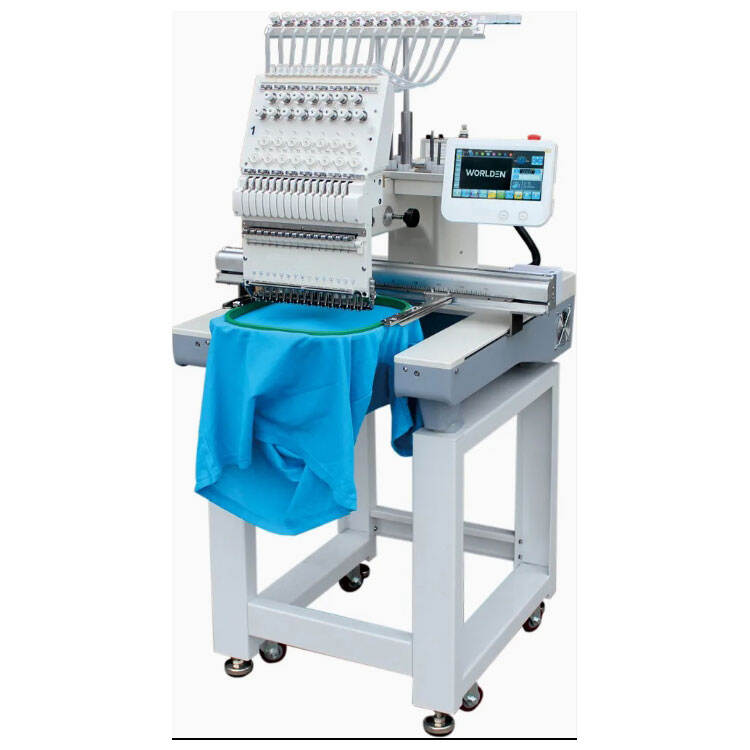
In today's competitive business landscape, companies across various industries are discovering the transformative power of professional embroidery services. Whether you operate a promotional products company, uniform supplier, or custom apparel business, investing in a commercial embroidery machine can significantly elevate your service offerings and profit margins. The decision to integrate embroidery capabilities into your business operations requires careful consideration of equipment specifications, production requirements, and long-term growth strategies. Understanding the nuances of commercial embroidery technology enables business owners to make informed decisions that align with their operational goals and customer demands.
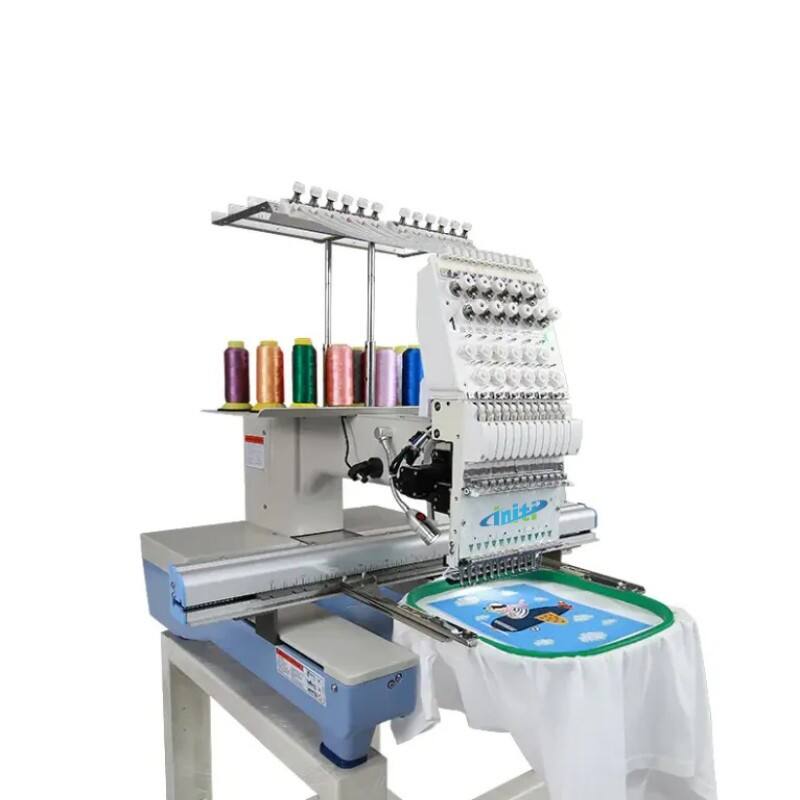
Understanding Commercial Embroidery Machine Technology
Advanced Computerized Systems
Modern commercial embroidery machines incorporate sophisticated computerized systems that revolutionize traditional embroidery processes. These advanced systems feature high-resolution touchscreen interfaces, enabling operators to preview designs, adjust stitch parameters, and monitor production progress with unprecedented precision. The integration of cutting-edge software allows for seamless design editing, automatic thread trimming, and precise stitch placement across various fabric types. Commercial embroidery machine technology has evolved to accommodate complex multi-color designs while maintaining consistent quality standards throughout extended production runs.
Contemporary embroidery systems utilize advanced servo motors that provide exceptional speed control and positioning accuracy. These precision-engineered components ensure smooth fabric movement and consistent thread tension, resulting in professional-grade embroidery outputs that meet demanding commercial standards. The computerized control systems can store thousands of designs in internal memory, facilitating rapid production changeovers and efficient workflow management across diverse project requirements.
Multi-Head Configuration Benefits
Professional embroidery operations benefit significantly from multi-head commercial embroidery machine configurations that maximize production efficiency and output capacity. Single-head machines excel in small-batch production and specialized applications, while multi-head systems enable simultaneous embroidery of multiple garments or design variations. The scalability of multi-head systems allows businesses to adapt production capacity based on seasonal demands and order volumes without compromising quality standards.
Advanced multi-head configurations incorporate independent thread monitoring systems for each embroidery station, ensuring consistent thread quality and automatic break detection across all production positions. This technology minimizes production downtime and maintains uniform stitch quality throughout extended manufacturing cycles. The modular design of professional systems enables future expansion capabilities, allowing businesses to add additional heads as production requirements grow.
Applications Across Industries
Corporate Uniform Embroidery
Corporate uniform embroidery represents a substantial market segment for businesses equipped with professional embroidery capabilities. Companies across industries including healthcare, hospitality, automotive, and retail require consistent, high-quality logo embroidery on uniforms, shirts, jackets, and accessories. A commercial embroidery machine enables uniform suppliers to offer comprehensive branding solutions that enhance corporate identity and professional appearance standards.
The precision and durability requirements of corporate embroidery demand specialized techniques and equipment capabilities. Professional embroidery systems must handle various fabric weights, from lightweight dress shirts to heavy-duty work jackets, while maintaining consistent logo placement and thread quality. Advanced stabilization techniques and appropriate underlay stitching ensure that corporate embroidery withstands frequent washing cycles and maintains professional appearance throughout the garment's lifespan.
Promotional Product Customization
Promotional product businesses leverage commercial embroidery machine capabilities to create distinctive branded merchandise that stands out in competitive markets. Embroidered promotional items including polo shirts, caps, bags, and jackets command premium pricing while providing long-lasting brand exposure for clients. The versatility of professional embroidery equipment enables customization of diverse promotional products with intricate designs and multiple color combinations.
Advanced embroidery technology supports specialized applications including cap embroidery, requiring precise hoop positioning and adjusted stitch parameters to accommodate curved surfaces. Professional systems incorporate dedicated cap frames and positioning mechanisms that ensure accurate logo placement and consistent stitch quality across various cap styles and materials. This specialized capability opens lucrative market opportunities in sports teams, corporate events, and retail merchandising sectors.
Technical Specifications and Features
Embroidery Area and Hoop Systems
The embroidery area dimensions of a commercial embroidery machine directly impact design possibilities and production flexibility. Professional systems typically offer embroidery areas ranging from 360mm x 200mm for standard applications to larger formats exceeding 400mm x 680mm for specialized requirements. The maximum embroidery area determines the size limitations for single-position designs and influences hoop selection options for various garment types and accessories.
Advanced hoop systems incorporate quick-release mechanisms and precision alignment features that facilitate rapid setup changes and consistent positioning accuracy. Professional embroidery operations utilize multiple hoop sizes and specialty frames including cap hoops, tubular hoops for sleeves, and extra-large hoops for jacket backs. The versatility of hoop systems enables efficient production transitions between different product types and design requirements without compromising positioning accuracy or stitch quality.
Thread Management and Color Systems
Professional thread management systems represent critical components of commercial embroidery machine functionality, directly impacting production efficiency and output quality. Advanced systems incorporate automatic thread trimming, tension monitoring, and break detection capabilities that minimize operator intervention and maintain consistent stitch formation throughout extended production runs. The integration of pneumatic thread trimming systems ensures clean cuts and prevents thread buildup that could affect subsequent embroidery operations.
Color change systems in professional embroidery equipment enable automated thread selection from multiple spool positions, facilitating complex multi-color designs without manual intervention. Advanced commercial embroidery machine models feature up to 15 needle positions with individual thread monitoring and automatic color sequencing capabilities. This automation reduces labor costs and ensures consistent color accuracy across large production volumes while minimizing setup time between different design specifications.
Production Efficiency and Workflow Optimization
Speed and Stitch Quality Balance
Achieving optimal production efficiency with a commercial embroidery machine requires careful balance between embroidery speed and stitch quality parameters. Professional systems typically operate at speeds ranging from 800 to 1200 stitches per minute, with speed adjustments based on fabric type, thread selection, and design complexity. Higher speeds increase production throughput but may compromise stitch formation quality, particularly on delicate fabrics or intricate design elements requiring precise needle penetration.
Advanced speed control systems automatically adjust embroidery velocity based on design characteristics, reducing speed for detailed areas and maintaining optimal performance for fill stitching and simple elements. This intelligent speed management ensures consistent quality while maximizing production efficiency across diverse design requirements. Professional operators utilize speed profiling techniques to optimize production schedules while maintaining quality standards that meet commercial embroidery specifications.
Maintenance and Reliability Considerations
Regular maintenance protocols are essential for maintaining commercial embroidery machine performance and extending equipment lifespan in demanding production environments. Professional embroidery systems require daily cleaning routines, periodic lubrication schedules, and systematic inspection of critical components including needles, hooks, and tensioning mechanisms. Preventive maintenance programs minimize unexpected downtime and ensure consistent production quality throughout the equipment's operational lifecycle.
Reliability considerations include backup component availability, technical support accessibility, and operator training programs that ensure efficient troubleshooting capabilities. Professional embroidery operations maintain spare parts inventories including needles, bobbins, and frequently replaced components to minimize production interruptions. The selection of established manufacturers with comprehensive service networks ensures long-term operational support and parts availability for commercial embroidery machine investments.
Return on Investment Analysis
Revenue Generation Potential
The revenue generation potential of a commercial embroidery machine investment depends on multiple factors including target markets, pricing strategies, and production capacity utilization. Professional embroidery services typically command premium pricing compared to basic printing alternatives, with profit margins ranging from 40% to 70% depending on design complexity and volume requirements. Established embroidery businesses report average revenue increases of 25% to 45% following commercial embroidery machine upgrades or capacity expansions.
Market analysis indicates strong demand for custom embroidery services across corporate, retail, and specialty markets, with particular growth in personalized merchandise and corporate branding applications. The versatility of commercial embroidery machine capabilities enables businesses to diversify service offerings and capture market opportunities across multiple industry segments. Revenue optimization strategies include developing recurring contracts with corporate clients, establishing premium pricing for rush orders, and offering design services as value-added revenue streams.
Cost Management Strategies
Effective cost management strategies for commercial embroidery machine operations focus on optimizing material utilization, minimizing labor requirements, and maximizing equipment productivity. Thread consumption optimization through efficient design digitizing reduces material costs while maintaining design integrity and visual impact. Professional digitizing techniques minimize unnecessary stitches and optimize stitch paths to reduce production time and thread usage across various design applications.
Labor cost optimization strategies include operator training programs that enhance productivity, automated features that reduce manual intervention, and workflow optimization that maximizes machine utilization rates. Advanced commercial embroidery machine systems incorporate labor-saving features including automatic threading, pneumatic presser feet, and computerized tension adjustments that reduce setup time and operator skill requirements for routine production operations.
FAQ
What factors should I consider when selecting a commercial embroidery machine for my business
When selecting a commercial embroidery machine, consider your target production volume, typical design complexity, available workspace, and budget constraints. Evaluate the maximum embroidery area requirements based on your intended applications, whether focusing on small logos or large back designs. Consider the number of needle positions needed for your typical color requirements and whether multi-head configurations would benefit your production efficiency. Additionally, assess the availability of local service support, training programs, and the manufacturer's reputation for reliability and parts availability.
How much space and infrastructure do I need for a commercial embroidery machine
A commercial embroidery machine typically requires a dedicated workspace of approximately 8 feet by 6 feet for single-head units, with additional space needed for multi-head configurations. The installation area should provide stable flooring, adequate ventilation, and appropriate electrical supply meeting the manufacturer's specifications. Consider storage space for thread inventory, stabilizers, and finished products, plus workspace for design preparation and quality control activities. Proper lighting and ergonomic considerations for operators are essential for maintaining production quality and workplace safety standards.
What ongoing costs should I budget for commercial embroidery machine operation
Ongoing operational costs for a commercial embroidery machine include thread, stabilizers, needles, bobbins, and periodic maintenance supplies. Thread costs typically represent 15% to 25% of production expenses, depending on design complexity and color requirements. Budget for regular maintenance including annual service contracts, replacement parts, and periodic software updates. Additional costs include electricity consumption, insurance coverage, and potential operator training or technical support as your business grows and production requirements evolve.
How long does it take to learn commercial embroidery machine operation
Basic commercial embroidery machine operation can typically be learned within 2 to 4 weeks of regular practice, depending on the operator's technical background and the complexity of intended applications. Fundamental skills include machine setup, hoop loading, thread management, and basic troubleshooting procedures. Advanced techniques including design editing, specialty applications, and optimization strategies may require several months of experience to master fully. Most manufacturers provide comprehensive training programs, and ongoing education through industry associations and specialized courses can enhance operational proficiency and expand service capabilities.
Table of Contents
- Understanding Commercial Embroidery Machine Technology
- Applications Across Industries
- Technical Specifications and Features
- Production Efficiency and Workflow Optimization
- Return on Investment Analysis
-
FAQ
- What factors should I consider when selecting a commercial embroidery machine for my business
- How much space and infrastructure do I need for a commercial embroidery machine
- What ongoing costs should I budget for commercial embroidery machine operation
- How long does it take to learn commercial embroidery machine operation