

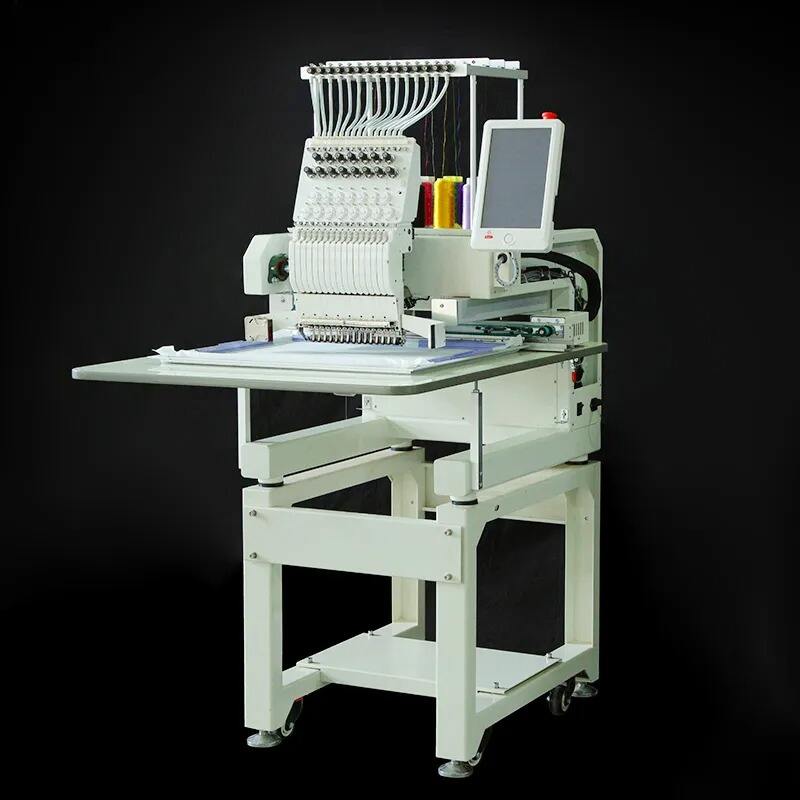
The embroidery industry has experienced significant growth in recent years, with entrepreneurs recognizing the lucrative potential of custom apparel decoration. Among the various embroidery opportunities available, starting a business with a cap embroidery machine presents one of the most promising ventures for aspiring business owners. The demand for personalized caps spans across multiple industries, from sports teams and corporate branding to fashion accessories and promotional merchandise, making it an ideal entry point into the embroidery market.
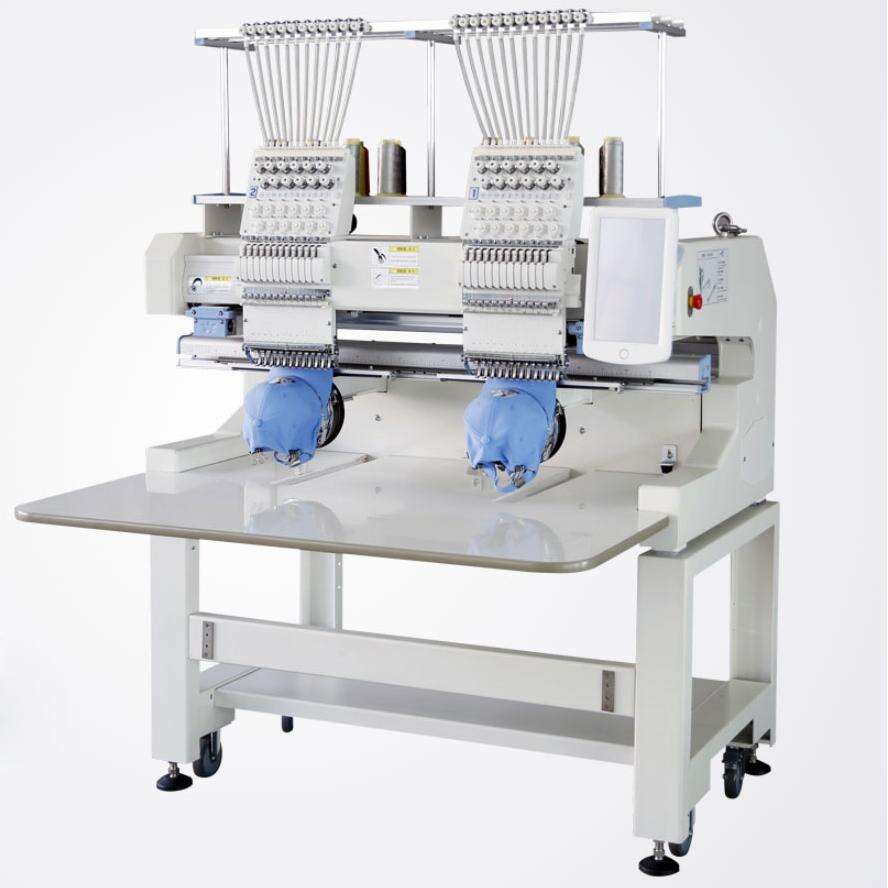
Starting a cap embroidery business requires careful planning, strategic investment, and understanding of both technical and market aspects. The success of your venture depends heavily on selecting the right cap embroidery machine, developing efficient operational processes, and building strong customer relationships. This comprehensive guide explores every aspect of launching and growing a successful cap embroidery business, from initial equipment selection to advanced marketing strategies.
Understanding the Cap Embroidery Market
Market Demand and Opportunities
The cap embroidery market continues to expand as businesses increasingly recognize the value of branded merchandise for marketing and employee identification purposes. Sports teams at all levels require customized caps, while corporations seek professional headwear for uniforms and promotional events. The versatility of a cap embroidery machine allows businesses to serve diverse customer segments, from local sports leagues to national retail chains seeking custom merchandise solutions.
Seasonal trends also drive consistent demand throughout the year. Spring and summer months see increased orders for outdoor events, sports tournaments, and promotional campaigns, while fall and winter bring corporate orders for holiday gifts and new team merchandise. Understanding these patterns helps business owners plan inventory, staffing, and marketing efforts effectively while maximizing their cap embroidery machine utilization.
Target Customer Segments
Successful cap embroidery businesses typically focus on several key customer segments to build sustainable revenue streams. Corporate clients represent a significant opportunity, as companies regularly need branded caps for employees, trade shows, and customer giveaways. These clients often place larger orders and establish ongoing relationships, providing predictable revenue for your cap embroidery machine operations.
Sports organizations constitute another vital customer base, ranging from youth leagues to professional teams. Schools and universities also require customized caps for various departments, athletic programs, and alumni events. Additionally, individual consumers seeking personalized gifts or custom designs for special events create steady demand throughout the year, allowing your cap embroidery machine to maintain consistent productivity.
Choosing the Right Cap Embroidery Machine
Essential Features and Specifications
Selecting the appropriate cap embroidery machine forms the foundation of your business success. Modern machines offer various features designed specifically for cap decoration, including specialized hooping systems that accommodate curved surfaces and varying cap styles. Look for machines with multiple needle positions to handle complex designs efficiently and reduce thread changes during production runs.
The cap embroidery machine should include advanced software compatibility for design import and editing, automatic tension control for consistent stitch quality, and user-friendly interfaces that simplify operation for staff members. High-speed capabilities enhance productivity, while precision control systems ensure accurate placement and stitch formation across different cap materials and styles.
Production Capacity Considerations
Evaluating production capacity requirements helps determine the most suitable cap embroidery machine for your business goals. Single-head machines work well for startups with lower volume expectations, while multi-head systems significantly increase output for businesses anticipating rapid growth or large orders. Consider your target market size, expected order volumes, and growth projections when making this critical investment decision.
Factor in setup time, design complexity, and thread changes when calculating realistic production rates for your cap embroidery machine. Complex designs with multiple colors require more time per cap, while simple logo embroidery allows for faster turnaround times. Understanding these variables helps establish accurate pricing and delivery commitments to customers while maximizing machine utilization throughout operational hours.
Business Setup and Planning
Initial Investment and Budgeting
Launching a cap embroidery business requires comprehensive financial planning beyond the initial cap embroidery machine purchase. Additional startup costs include digitizing software, embroidery threads in various colors, stabilizers, cap inventory, and workspace setup expenses. Marketing materials, business registration fees, and insurance also contribute to initial investment requirements that entrepreneurs must consider carefully.
Creating detailed financial projections helps determine break-even points and profitability timelines for your cap embroidery machine investment. Factor in ongoing operational costs such as electricity, maintenance, thread replacement, and marketing expenses when calculating required revenue levels. Establishing clear pricing strategies based on material costs, machine time, and desired profit margins ensures sustainable business operations from the start.
Location and Workspace Requirements
Selecting an appropriate location for your cap embroidery machine operation impacts both productivity and customer accessibility. Home-based businesses work well for startups, provided adequate space exists for equipment, inventory storage, and work areas. Commercial locations offer advantages for businesses planning rapid expansion or requiring frequent customer visits for consultations and order pickup.
Workspace design should optimize workflow efficiency around your cap embroidery machine while providing adequate storage for materials and finished products. Proper ventilation, lighting, and electrical capacity support safe and comfortable working conditions. Consider future expansion needs when selecting locations, ensuring sufficient space for additional equipment or increased inventory as your business grows.
Technical Operations and Production
Design Creation and Digitizing
Mastering design digitizing represents a crucial skill for cap embroidery machine operators, as proper stitch file creation directly impacts final product quality and production efficiency. Understanding stitch types, density settings, and underlay requirements helps create designs that embroider cleanly on curved cap surfaces. Investing in professional digitizing software and training accelerates the learning curve while improving design capabilities.
Developing a library of popular designs and templates streamlines production processes for your cap embroidery machine operations. Common logo styles, text fonts, and decorative elements can be pre-digitized and modified for different customers, reducing setup time and ensuring consistent quality. Regular practice with different design types builds expertise and confidence in handling complex customer requests efficiently.
Quality Control and Finishing
Implementing consistent quality control procedures ensures every cap leaving your cap embroidery machine meets professional standards that build customer satisfaction and repeat business. Develop checklists covering thread tension, stitch formation, design placement, and finishing details to maintain consistency across all production runs. Regular machine maintenance and calibration prevent quality issues before they impact customer orders.
Post-embroidery finishing techniques significantly impact the professional appearance of completed caps. Proper trimming removes excess threads cleanly, while careful pressing eliminates puckers or distortions around embroidered areas. Training staff in these finishing procedures ensures consistent results regardless of which team member operates the cap embroidery machine during production runs.
Marketing and Customer Acquisition
Building Your Brand Presence
Establishing a strong brand presence differentiates your cap embroidery machine business from competitors while building customer trust and recognition. Develop professional marketing materials showcasing your work quality, including high-resolution photos of completed projects and detailed service descriptions. Social media platforms provide cost-effective channels for displaying your cap embroidery machine capabilities and connecting with potential customers.
Creating case studies and testimonials from satisfied customers builds credibility and demonstrates the value your cap embroidery machine services provide to different client types. Document successful projects with before and after photos, highlighting challenges overcome and results achieved. This content supports sales conversations and helps prospects visualize how your services can benefit their organizations.
Pricing Strategies and Service Packages
Developing competitive pricing strategies requires understanding both market rates and your cap embroidery machine operational costs accurately. Research competitor pricing while factoring in your unique value propositions, such as faster turnaround times, superior quality, or specialized design services. Volume discounts encourage larger orders while maintaining profitability margins on smaller projects.
Creating service packages that bundle related offerings maximizes revenue per customer while simplifying the ordering process. Combine cap embroidery machine services with design consultation, rush order options, or complementary products like custom patches or shirts. Package pricing often provides better perceived value for customers while increasing average order values for your business.
Growth and Expansion Strategies
Scaling Production Capacity
As demand grows, expanding production capacity becomes essential for maintaining customer satisfaction and capturing larger market opportunities. Adding additional cap embroidery machine units allows for increased volume while providing backup options during maintenance periods. Multi-head machines offer significant productivity improvements when order volumes justify the investment in more sophisticated equipment.
Staff training and workflow optimization maximize the efficiency of existing cap embroidery machine resources before investing in additional equipment. Cross-training employees on different aspects of production creates flexibility and reduces bottlenecks during busy periods. Implementing production scheduling systems helps balance workloads and ensure timely delivery of customer orders across multiple projects simultaneously.
Diversifying Service Offerings
Expanding beyond basic cap embroidery opens new revenue streams while leveraging existing cap embroidery machine investments more effectively. Adding services such as custom patches, shirt embroidery, or promotional product sourcing creates comprehensive solutions for business customers. This diversification reduces dependence on single revenue sources while increasing customer lifetime value.
Developing partnerships with complementary businesses, such as screen printers or promotional product distributors, creates referral opportunities and collaborative projects that benefit all parties involved. These relationships can lead to subcontracting opportunities during peak seasons or access to customers requiring services beyond your cap embroidery machine capabilities.
FAQ
What is the typical startup cost for a cap embroidery business
Starting a cap embroidery business typically requires an initial investment ranging from $15,000 to $50,000, depending on the cap embroidery machine selected and additional equipment needs. This includes the machine purchase, digitizing software, initial thread and supply inventory, basic cap stock, and workspace setup costs. Higher-end machines with advanced features or multi-head configurations increase startup costs but offer greater production capacity and efficiency.
How long does it take to learn cap embroidery machine operation
Most entrepreneurs can learn basic cap embroidery machine operation within 2-4 weeks of dedicated practice, though mastering advanced techniques and troubleshooting takes several months of experience. The learning curve varies based on previous experience with similar equipment and the complexity of designs being attempted. Formal training programs or manufacturer-provided instruction can significantly accelerate the learning process and reduce costly mistakes during the initial learning period.
What profit margins can be expected in the cap embroidery business
Cap embroidery businesses typically achieve gross profit margins of 60-80% on finished products, with net profit margins ranging from 15-30% after accounting for all operational expenses. Profit margins vary based on pricing strategies, production efficiency, and overhead costs. Higher-volume orders and repeat customers generally provide better margins due to reduced setup costs and established relationships that streamline the production process.
How many caps can a single machine produce per day
A single-head cap embroidery machine can typically produce 40-80 finished caps per 8-hour workday, depending on design complexity, operator skill level, and setup requirements. Simple single-color logos allow for faster production rates, while complex multi-color designs require more time for thread changes and quality checking. Multi-head machines can significantly increase daily production capacity, with some high-end units capable of producing 200+ caps per day under optimal conditions.