

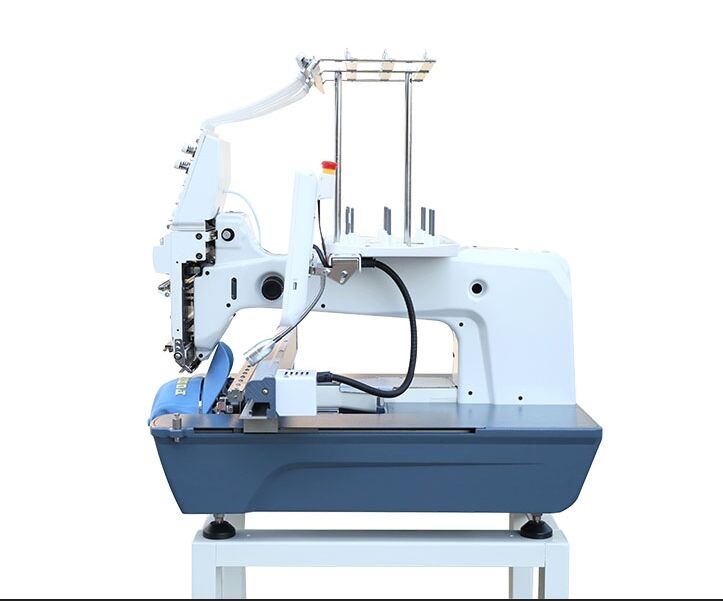
The textile and garment industry has witnessed remarkable advancements in embroidery technology, with multi needle embroidery machine systems leading the transformation. These sophisticated devices have revolutionized commercial embroidery operations by delivering exceptional precision, speed, and versatility that traditional single-needle machines simply cannot match. Modern businesses seeking to enhance their production capabilities increasingly turn to multi needle embroidery machine solutions for their ability to handle complex designs while maintaining consistent quality across large production runs.
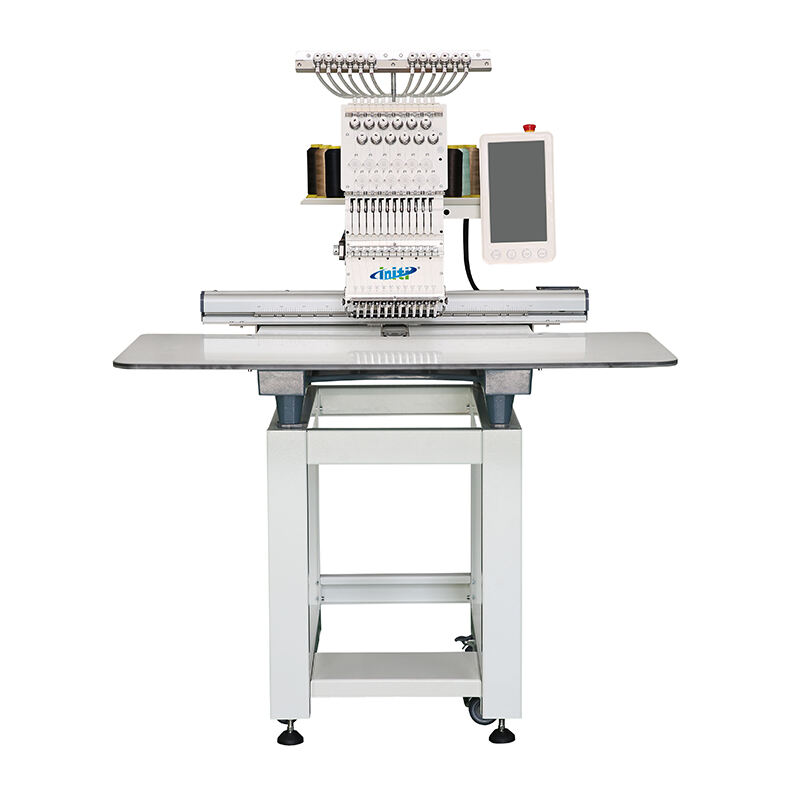
Advanced Threading Systems and Needle Configuration
Automatic Thread Management Technology
The most sophisticated multi needle embroidery machine models incorporate automatic thread management systems that eliminate manual threading interventions during production cycles. These systems utilize precision-engineered thread guides and tension controllers that maintain optimal thread flow across all needle positions simultaneously. Advanced sensors continuously monitor thread tension and automatically adjust parameters to prevent breaks or inconsistent stitching quality. This technology significantly reduces operator intervention time while ensuring consistent embroidery results across extended production runs.
Modern thread management systems also feature intelligent break detection mechanisms that immediately pause operation when thread issues occur. The system automatically identifies the specific needle position experiencing problems and provides clear visual indicators for rapid troubleshooting. This capability minimizes material waste and prevents incomplete designs from progressing through the production cycle, ultimately improving overall efficiency and reducing operational costs.
Precision Needle Positioning Mechanisms
Contemporary multi needle embroidery machine designs incorporate servo-driven needle positioning systems that deliver exceptional accuracy and repeatability. These mechanisms utilize high-resolution encoders and advanced control algorithms to ensure precise needle placement within tolerances measured in fractions of millimeters. The positioning system maintains consistent stitch formation regardless of embroidery speed or design complexity, enabling operators to achieve professional results across diverse applications.
The needle configuration flexibility allows operators to customize thread arrangements based on specific design requirements. Premium models support various needle counts ranging from twelve to forty positions, accommodating everything from simple monogram work to complex multi-color designs. Quick-change needle systems enable rapid reconfiguration between jobs, reducing setup time and improving overall production throughput.
Computerized Control Systems and User Interface
Intuitive Touchscreen Operation
Modern multi needle embroidery machine systems feature large, high-resolution touchscreen interfaces that simplify operation for users of all experience levels. These displays provide comprehensive access to machine functions, design editing capabilities, and real-time production monitoring through intuitive menu structures. Operators can easily adjust stitch parameters, modify color sequences, and preview designs before beginning production, ensuring optimal results while minimizing material waste.
The user interface typically includes advanced design scaling and rotation features that allow operators to modify patterns without external software. Built-in design libraries provide instant access to common patterns and fonts, while USB connectivity enables seamless import of custom designs from popular embroidery software packages. These features significantly reduce setup time and enable operators to respond quickly to customer requests for design modifications.
Network Connectivity and Data Management
Contemporary multi needle embroidery machine models incorporate comprehensive network connectivity options that facilitate integration with broader production management systems. Ethernet and wireless connectivity enable remote monitoring of machine status, production progress, and maintenance schedules through web-based interfaces or dedicated mobile applications. This connectivity allows production managers to optimize workflow scheduling and respond proactively to potential issues before they impact delivery schedules.
Advanced data logging capabilities track detailed production metrics including stitch counts, thread consumption, and cycle times for individual designs. This information proves invaluable for accurate job costing, quality control analysis, and predictive maintenance scheduling. Integration with enterprise resource planning systems enables seamless coordination between embroidery operations and other production departments, improving overall facility efficiency.
Frame Systems and Material Handling
Adaptive Hooping Mechanisms
Professional multi needle embroidery machine systems utilize sophisticated hooping mechanisms that accommodate diverse material types and thicknesses while maintaining consistent tension throughout the embroidery process. These systems feature adjustable pressure settings that prevent material distortion while ensuring adequate grip for precise stitch placement. Quick-release mechanisms enable rapid material changes between production runs, minimizing downtime and improving overall productivity.
Advanced frame systems support multiple hoop sizes and configurations, allowing operators to optimize material utilization and reduce waste. Magnetic hooping systems eliminate the need for traditional screw-tightened frames, enabling faster setup while providing superior holding power. These innovations are particularly beneficial when working with delicate fabrics or materials that require gentle handling to prevent damage during the embroidery process.
Automatic Material Positioning
Sophisticated multi needle embroidery machine models incorporate laser positioning systems that ensure precise design placement without manual measurement or marking. These systems project design outlines directly onto the material surface, allowing operators to verify positioning accuracy before beginning embroidery operations. Automatic registration systems can detect material edges and adjust design placement accordingly, ensuring consistent results across multiple pieces.
Motorized frame positioning systems enable precise movement along multiple axes, supporting complex design layouts that require multiple hooping positions. These systems maintain positioning accuracy throughout extended production runs while reducing operator fatigue associated with manual frame adjustments. Integration with barcode scanning systems enables automatic design selection and positioning based on pre-programmed job specifications.
Speed and Production Efficiency Features
Variable Speed Control Systems
Modern multi needle embroidery machine designs incorporate intelligent speed control systems that automatically adjust embroidery speed based on design complexity and material characteristics. These systems analyze stitch density, direction changes, and thread requirements to optimize production speed while maintaining consistent quality. Automatic deceleration during complex sections prevents thread breaks and ensures precise stitch formation, while maintaining maximum speed during straightforward design elements.
Programmable speed profiles allow operators to establish optimal settings for different material types and design categories, ensuring consistent results across various production scenarios. Emergency stop systems provide immediate response to threading issues or material problems, preventing damage to both the embroidery work and machine components. These safety features are essential for maintaining productivity while protecting valuable equipment investments.
Continuous Production Capabilities
Advanced multi needle embroidery machine systems support continuous production operations through features like automatic thread trimming, color change sequences, and design linking capabilities. These systems can execute complex production schedules with minimal operator intervention, enabling efficient utilization of labor resources while maintaining consistent output quality. Automatic restart functions resume production from interruption points without losing design registration or stitch continuity.
Multiple design memory banks allow operators to queue production jobs and execute them sequentially without manual intervention between designs. This capability proves particularly valuable during high-volume production runs where consistent throughput is essential for meeting delivery schedules. Integration with material handling systems enables fully automated production cycles for standard applications.
Maintenance and Reliability Features
Predictive Maintenance Systems
Contemporary multi needle embroidery machine designs incorporate comprehensive diagnostic systems that continuously monitor critical components and predict maintenance requirements before failures occur. These systems track bearing temperatures, motor performance, and mechanical wear patterns to establish maintenance schedules that minimize unexpected downtime. Automatic lubrication systems ensure consistent component protection while reducing manual maintenance requirements.
Self-diagnostic capabilities identify potential issues and provide detailed troubleshooting guidance through the user interface. Component life tracking maintains accurate records of usage patterns and recommends replacement schedules based on actual operating conditions rather than arbitrary time intervals. This approach significantly reduces maintenance costs while improving overall equipment reliability and production consistency.
Quality Assurance Integration
Advanced multi needle embroidery machine systems include built-in quality monitoring features that detect and correct common embroidery defects automatically. Thread tension monitoring systems identify inconsistencies and make real-time adjustments to maintain uniform stitch quality throughout production runs. Automatic trimming systems ensure clean thread endings while preventing thread tails that could affect finished product appearance.
Vision systems can detect stitch irregularities and automatically halt production when quality issues are identified, preventing the continuation of defective work. These systems maintain detailed quality logs that support continuous improvement initiatives and help identify root causes of recurring issues. Integration with statistical process control systems enables comprehensive quality tracking across entire production facilities.
FAQ
What factors determine the optimal number of needles for a multi needle embroidery machine
The optimal needle count for a multi needle embroidery machine depends primarily on the complexity of designs typically produced and the variety of thread colors required for standard applications. Facilities focusing on simple logos and text typically operate efficiently with twelve to fifteen needle configurations, while businesses producing complex artwork or fashion embroidery benefit from twenty-four to forty needle systems. Consider both current design requirements and anticipated future needs when selecting needle count specifications.
How does thread quality affect performance in multi needle embroidery machine operations
Thread quality significantly impacts multi needle embroidery machine performance, affecting both production efficiency and finished product quality. Premium threads with consistent diameter and tensile strength reduce break frequency and eliminate stitch irregularities that can compromise design appearance. Poor quality threads increase maintenance requirements, reduce production speed, and may cause damage to machine components through excessive lint generation or chemical contamination from inferior dyes.
What maintenance schedules should be followed for multi needle embroidery machine systems
Effective multi needle embroidery machine maintenance requires daily cleaning of thread paths and needle areas, weekly lubrication of specified components, and monthly comprehensive inspections of mechanical systems. Professional service intervals typically occur every six months for calibration and component replacement, while annual overhauls address major mechanical components and electrical systems. Following manufacturer recommendations while adapting schedules based on actual usage intensity ensures optimal performance and extends equipment lifespan.
Can multi needle embroidery machine systems handle specialty materials like leather or vinyl
Modern multi needle embroidery machine designs accommodate diverse specialty materials including leather, vinyl, and technical textiles through appropriate needle selection and parameter adjustments. Heavy-duty needles and modified thread tensions enable successful embroidery on thick materials, while specialized presser feet prevent material distortion during processing. However, some materials may require reduced production speeds or specialized hooping techniques to achieve optimal results while preventing equipment damage.
Table of Contents
- Advanced Threading Systems and Needle Configuration
- Computerized Control Systems and User Interface
- Frame Systems and Material Handling
- Speed and Production Efficiency Features
- Maintenance and Reliability Features
-
FAQ
- What factors determine the optimal number of needles for a multi needle embroidery machine
- How does thread quality affect performance in multi needle embroidery machine operations
- What maintenance schedules should be followed for multi needle embroidery machine systems
- Can multi needle embroidery machine systems handle specialty materials like leather or vinyl