

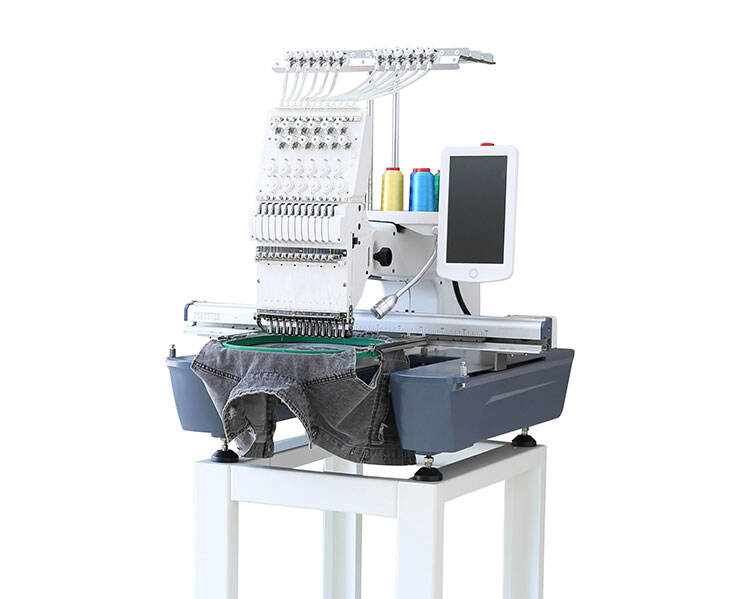
The textile industry demands excellence in both speed and precision, particularly when it comes to specialized applications like cap embroidery. A well-designed cap embroidery system serves as the cornerstone of successful headwear customization operations, enabling businesses to meet growing market demands while maintaining exceptional quality standards. Modern embroidery operations require sophisticated equipment that can handle the unique challenges of curved surfaces and varying fabric densities found in caps and hats.
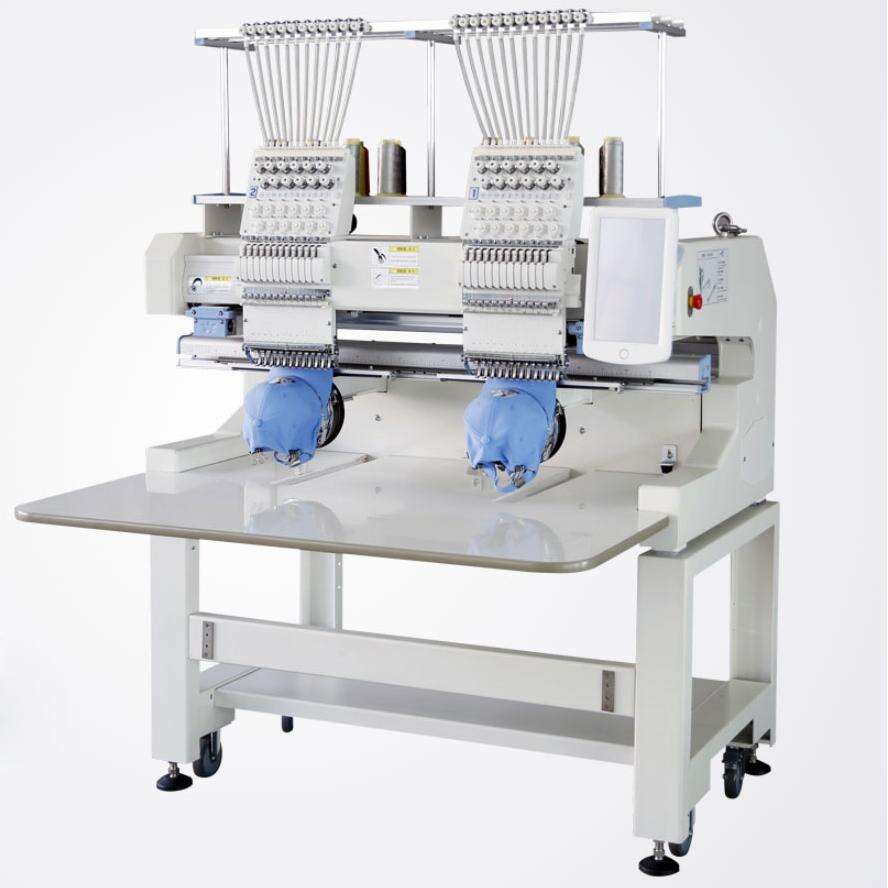
The evolution of embroidery technology has transformed traditional manual processes into highly automated systems capable of producing thousands of decorated caps per day. Contemporary cap embroidery system designs incorporate advanced computer controls, precision servo motors, and intelligent thread management features that significantly reduce production time while enhancing design accuracy. These technological advances have made it possible for businesses of all sizes to enter the profitable custom headwear market with confidence.
Selecting the right embroidery equipment involves careful consideration of multiple factors including production volume requirements, design complexity capabilities, and long-term operational efficiency. The investment in quality embroidery machinery represents a strategic decision that affects profitability, customer satisfaction, and market competitiveness for years to come. Understanding the key features and performance characteristics of different embroidery systems enables business owners to make informed purchasing decisions.
Understanding Cap Embroidery Technology Fundamentals
Essential Components of Modern Embroidery Systems
A comprehensive cap embroidery system consists of several interconnected components that work together to achieve consistent, high-quality results. The primary elements include the embroidery head assembly, computer control unit, thread delivery system, and specialized cap frames designed to accommodate various headwear styles and sizes. Each component plays a crucial role in the overall performance and reliability of the complete system.
The embroidery head represents the heart of any cap embroidery system, containing precision needle assemblies, thread tensioning mechanisms, and rotary hook systems that create the actual stitches. Modern heads feature advanced servo motor technology that provides exceptional stitch accuracy and enables rapid direction changes without compromising thread tension or stitch quality. The number of needles in each head determines the color capacity and design complexity possible without manual thread changes.
Thread delivery systems have evolved significantly with the introduction of active tensioning controls and automatic thread cutting features. These innovations ensure consistent thread flow throughout the embroidery process while minimizing thread breaks and reducing waste. Advanced systems incorporate thread monitoring sensors that detect breaks immediately and pause operation to prevent incomplete designs or thread nests that could damage both the cap and embroidery equipment.
Digital Control Systems and Software Integration
The digital control system serves as the brain of every modern cap embroidery system, translating design files into precise needle movements and thread selections. Contemporary control units feature touchscreen interfaces, network connectivity, and comprehensive production management capabilities that streamline workflow and improve operational efficiency. These systems can store hundreds of designs, track production statistics, and even predict maintenance requirements based on usage patterns.
Software compatibility represents a critical consideration when evaluating different embroidery systems, as design creation and editing capabilities directly impact productivity and creative flexibility. Leading cap embroidery system manufacturers provide comprehensive software packages that include digitizing tools, design libraries, and production planning modules. The ability to import designs from various file formats and make real-time adjustments enhances workflow efficiency and reduces setup times between jobs.
Integration with broader business management systems has become increasingly important as embroidery operations scale up and seek greater automation. Modern control systems can interface with inventory management software, customer relationship management platforms, and accounting systems to provide comprehensive business oversight. This connectivity enables automatic job scheduling, material tracking, and quality control documentation that supports ISO certification and customer audit requirements.
Performance Characteristics and Speed Considerations
Maximum Stitching Speed and Production Capacity
The stitching speed of a cap embroidery system directly impacts daily production capacity and overall profitability, making it one of the most important performance specifications to evaluate. Modern systems typically operate at speeds ranging from 800 to 1,200 stitches per minute, with some high-end models capable of even faster operation under optimal conditions. However, actual production speeds depend on design complexity, thread changes, and the specific characteristics of each cap being embroidered.
Production capacity calculations must consider factors beyond raw stitching speed, including setup time, thread changes, cap loading and unloading, and quality inspection procedures. An efficient cap embroidery system incorporates design features that minimize non-productive time and maximize operator efficiency throughout the production cycle. Automatic thread trimming, quick-change cap frames, and simplified setup procedures contribute significantly to overall throughput.
Multi-head configurations multiply production capacity by allowing simultaneous embroidery on multiple caps, making them ideal for high-volume operations and large order fulfillment. Two-head, four-head, and six-head systems provide scalable solutions that can accommodate growing business needs without requiring complete equipment replacement. The choice of head configuration depends on typical order sizes, design complexity, and available floor space in the production facility.
Precision and Stitch Quality Factors
Precision in cap embroidery requires exceptional mechanical stability and advanced motion control systems that maintain accuracy throughout extended production runs. The curved surface of caps presents unique challenges compared to flat embroidery applications, requiring specialized frames and tensioning systems that accommodate the three-dimensional nature of headwear. Quality cap embroidery system designs incorporate features specifically engineered to address these challenges.
Stitch formation quality depends on precise coordination between needle penetration, thread tensioning, and fabric movement during the embroidery process. Advanced systems utilize closed-loop servo control technology that monitors and adjusts these parameters continuously to maintain consistent results regardless of production speed or environmental conditions. Temperature compensation, vibration dampening, and precision bearing systems contribute to long-term accuracy and reliability.
Registration accuracy becomes particularly critical when embroidering multi-color designs or adding embroidery to pre-printed caps where alignment must be perfect. High-quality cap embroidery system models feature laser positioning systems, vision recognition capabilities, and micro-adjustment controls that ensure precise placement of every design element. These features reduce waste, improve customer satisfaction, and enable the production of complex designs that would be impossible with less sophisticated equipment.
Key Features for Efficient Cap Production
Automated Setup and Operation Capabilities
Automation features significantly impact the efficiency and profitability of any cap embroidery system by reducing manual labor requirements and minimizing setup times between different jobs. Modern systems incorporate automatic thread cutting, color change sequencing, and design positioning capabilities that allow operators to focus on quality control and production planning rather than repetitive manual tasks. These features become increasingly valuable as production volumes increase and labor costs rise.
Quick-change cap frames and automated hooping systems reduce setup time and improve consistency when switching between different cap styles or sizes. Advanced frame designs accommodate various headwear types including baseball caps, beanies, visors, and specialty hats without requiring extensive adjustments or operator training. The ability to change between different cap types quickly enables businesses to accept diverse orders and respond rapidly to market opportunities.
Automatic start and stop functions, combined with integrated safety systems, allow cap embroidery system operation with minimal supervision while maintaining high safety standards. Emergency stops, thread break detection, and needle break sensors prevent damage to both equipment and workpieces while ensuring operator safety. These features are essential for maintaining productivity during extended production runs and reducing the skill level required for basic operation.
Thread Management and Color Handling
Efficient thread management systems represent a crucial component of productive cap embroidery operations, as thread breaks and color changes can significantly impact overall production efficiency. Advanced cap embroidery system designs incorporate active thread tensioning, automatic thread trimming, and centralized thread delivery systems that minimize interruptions and maintain consistent stitch quality throughout long production runs.
Color capacity and change efficiency directly affect the complexity of designs that can be produced without manual intervention, making these specifications important considerations for businesses focused on high-value custom work. Systems with larger color capacities enable the production of complex multi-color designs while reducing the frequency of thread changes and associated downtime. Automatic color change systems further enhance efficiency by eliminating manual thread replacement during production.
Thread waste reduction features contribute to lower operating costs and improved environmental sustainability, important considerations for modern manufacturing operations. Intelligent trimming systems, thread recycling capabilities, and optimized path planning minimize thread consumption while maintaining design integrity. These features become particularly valuable when working with specialty threads or metallic materials that carry premium costs.
Selection Criteria and Investment Considerations
Production Volume and Scalability Requirements
Determining the appropriate production capacity for a cap embroidery system requires careful analysis of current order volumes, growth projections, and market opportunities within the custom headwear industry. Businesses must balance the higher initial investment of larger systems against the potential for increased revenue and improved per-unit profitability that comes with greater production capacity. Understanding break-even points and return on investment timelines helps inform these critical purchasing decisions.
Scalability considerations should account for both organic business growth and the potential for expanding into new market segments that may require different production capabilities. A well-chosen cap embroidery system provides room for growth while meeting current needs efficiently, avoiding the need for premature equipment replacement as business volumes increase. Modular system designs allow for future expansion through additional heads or upgraded components as justified by increased demand.
The relationship between production volume and equipment utilization rates affects both profitability and equipment longevity, making capacity planning crucial for long-term success. Under-utilized equipment represents inefficient capital allocation, while over-loaded systems may experience premature wear and increased maintenance requirements. Optimal capacity planning considers peak demand periods, seasonal fluctuations, and the potential for contract manufacturing opportunities.
Total Cost of Ownership Analysis
The true cost of operating a cap embroidery system extends well beyond the initial purchase price to include ongoing expenses such as maintenance, consumables, training, and facility requirements. A comprehensive total cost of ownership analysis considers all these factors over the expected equipment lifespan to provide an accurate basis for comparison between different systems and suppliers. This analysis often reveals that higher-quality equipment with premium initial pricing delivers better long-term value.
Maintenance costs vary significantly between different cap embroidery system designs, with some requiring more frequent service intervals or specialized technician support that increases ongoing operational expenses. Preventive maintenance programs, parts availability, and local service support capabilities all impact the total cost of ownership and should be evaluated carefully during the selection process. Equipment with longer service intervals and readily available replacement parts typically provides better long-term economics.
Energy consumption, facility requirements, and operator training costs represent additional elements of the total ownership equation that may not be immediately apparent during initial equipment evaluation. Modern cap embroidery system designs increasingly emphasize energy efficiency and reduced facility requirements, while user-friendly interfaces minimize training costs and reduce the skill level required for basic operation. These factors contribute to lower ongoing operational costs and improved return on investment.
Installation and Training Considerations
Facility Preparation and Setup Requirements
Proper facility preparation plays a crucial role in maximizing the performance and longevity of any cap embroidery system installation. Environmental factors such as temperature control, humidity management, and vibration isolation significantly impact embroidery quality and equipment reliability. Professional installations include comprehensive site surveys and facility preparation recommendations that ensure optimal operating conditions from day one.
Electrical requirements for modern cap embroidery system installations typically include dedicated circuits, proper grounding, and surge protection systems that protect sensitive electronic components from power quality issues. Compressed air systems, adequate lighting, and ergonomic workstation design contribute to operator comfort and productivity while supporting consistent production quality. These infrastructure investments pay dividends through improved equipment performance and reduced maintenance requirements.
Workflow optimization through proper equipment placement and material handling systems integration maximizes production efficiency and minimizes operator fatigue during extended production runs. Considerations include thread storage accessibility, finished goods handling, and quality control station positioning that supports smooth material flow throughout the production process. Well-planned facilities accommodate future expansion while optimizing current operations.
Operator Training and Skill Development
Comprehensive operator training represents a critical investment that directly impacts both productivity and product quality in cap embroidery operations. Modern cap embroidery system manufacturers typically provide multi-level training programs that cover basic operation, advanced features, routine maintenance, and troubleshooting procedures. The quality and completeness of training programs should be evaluated as part of the overall equipment selection process.
Ongoing skill development opportunities help operators maximize equipment capabilities and adapt to new technologies as they become available. Advanced training modules may cover topics such as design optimization, production planning, and quality control procedures that contribute to overall operational excellence. Access to online training resources, technical documentation, and expert support enhances the long-term value of training investments.
Cross-training multiple operators on cap embroidery system operation ensures production continuity during vacations, sick leave, or staff turnover situations. Standardized operating procedures, combined with comprehensive training documentation, support consistent production quality regardless of which operator is running the equipment. This redundancy becomes particularly important for businesses with high production demands or tight delivery schedules.
Maintenance and Long-term Performance
Preventive Maintenance Programs
Regular preventive maintenance represents the most effective strategy for ensuring reliable long-term performance from any cap embroidery system while minimizing unexpected downtime and repair costs. Comprehensive maintenance programs include regular cleaning schedules, lubrication procedures, and component inspection protocols that identify potential issues before they result in production interruptions or expensive repairs.
Modern cap embroidery system designs incorporate maintenance monitoring features that track component usage, alert operators to service requirements, and maintain detailed service histories for warranty and audit purposes. These intelligent systems help optimize maintenance scheduling while ensuring that critical service intervals are never missed. Proper maintenance documentation also supports equipment resale value and facilitates troubleshooting when issues do arise.
Component replacement schedules and parts inventory management represent important considerations for maintaining high equipment availability and minimizing production disruptions. Critical spare parts identification, combined with strategic inventory planning, ensures that essential components are available when needed without tying up excessive capital in parts inventory. Supplier relationships and parts availability should be evaluated carefully during the equipment selection process.
Performance Optimization and Upgrades
Ongoing performance optimization through software updates, parameter adjustments, and operational improvements helps maintain competitive advantage as market demands evolve and production requirements change. Many cap embroidery system manufacturers provide regular software updates that add new features, improve existing capabilities, and enhance overall system performance. Staying current with these updates ensures maximum return on equipment investment.
Upgrade opportunities may include additional heads, enhanced software capabilities, or improved components that extend equipment life and capabilities without requiring complete system replacement. Planning for potential upgrades during initial equipment selection ensures compatibility and cost-effectiveness when enhancement opportunities arise. This forward-thinking approach maximizes the useful life of embroidery equipment investments.
Performance monitoring and continuous improvement programs help identify opportunities for productivity gains and quality improvements throughout the equipment lifecycle. Regular performance reviews, combined with industry benchmarking, ensure that cap embroidery system operations remain competitive and efficient. Documentation of improvements and lessons learned supports knowledge transfer and training programs.
FAQ
What factors should I consider when choosing between single-head and multi-head cap embroidery systems?
The choice between single-head and multi-head configurations depends primarily on your production volume requirements and typical order sizes. Single-head systems are ideal for start-up operations, custom work, and situations where setup flexibility is more important than raw production capacity. Multi-head systems excel in high-volume production environments where consistent designs are repeated across many caps, as they multiply throughput proportionally with the number of heads while sharing setup costs across multiple units.
How important is maximum stitching speed compared to other performance factors?
While maximum stitching speed is important for productivity, it should be balanced against factors like stitch quality, design complexity handling, and overall reliability. The actual production speed depends heavily on design characteristics, thread changes, and setup requirements. A cap embroidery system that operates at slightly lower maximum speed but offers superior consistency, fewer thread breaks, and faster setup times may actually deliver higher daily production than a faster but less reliable alternative.
What ongoing costs should I budget for when operating a cap embroidery system?
Ongoing operational costs include thread and stabilizer consumables, regular maintenance and service, occasional parts replacement, and facility expenses such as electricity and climate control. Typical consumable costs range from $0.50 to $2.00 per cap depending on design complexity and thread types used. Maintenance costs generally run 5-10% of equipment purchase price annually, while energy costs vary based on local utility rates and usage patterns. Budgeting for operator training and software updates ensures long-term operational success.
How can I ensure adequate technical support and service for my cap embroidery system?
Evaluate potential suppliers based on local service availability, response times, technician training levels, and parts inventory accessibility. Look for manufacturers with established dealer networks, comprehensive warranty programs, and remote diagnostic capabilities that can resolve issues quickly. Consider the availability of phone and online support, training resources, and user communities that provide ongoing assistance. A strong support network is essential for maintaining high equipment availability and maximizing your investment in embroidery technology.
Table of Contents
- Understanding Cap Embroidery Technology Fundamentals
- Performance Characteristics and Speed Considerations
- Key Features for Efficient Cap Production
- Selection Criteria and Investment Considerations
- Installation and Training Considerations
- Maintenance and Long-term Performance
-
FAQ
- What factors should I consider when choosing between single-head and multi-head cap embroidery systems?
- How important is maximum stitching speed compared to other performance factors?
- What ongoing costs should I budget for when operating a cap embroidery system?
- How can I ensure adequate technical support and service for my cap embroidery system?