

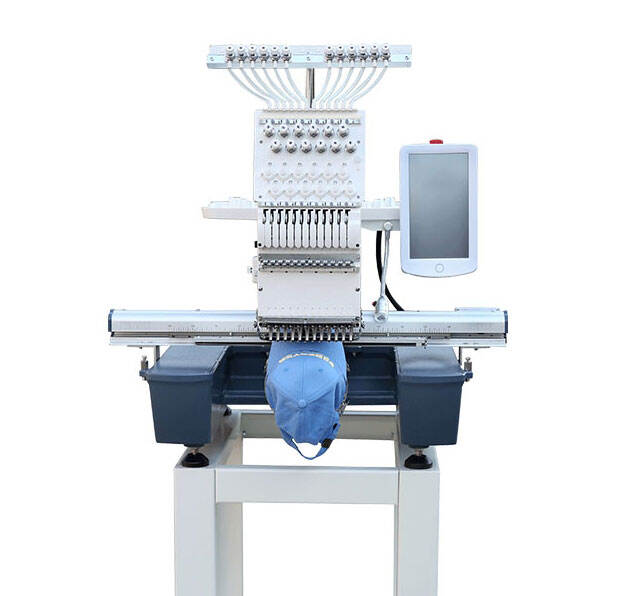
Manufacturing excellence in today's competitive textile industry demands precision, speed, and reliability from every piece of equipment. High-efficiency cap machines represent the pinnacle of embroidery technology, transforming how businesses approach cap decoration and production. These advanced systems combine cutting-edge engineering with user-friendly interfaces to deliver consistent, professional-quality results that meet the demanding requirements of modern manufacturing environments. By integrating sophisticated control systems, precision mechanics, and innovative design features, high-efficiency cap machines enable manufacturers to achieve unprecedented levels of productivity while maintaining the highest standards of quality and craftsmanship.
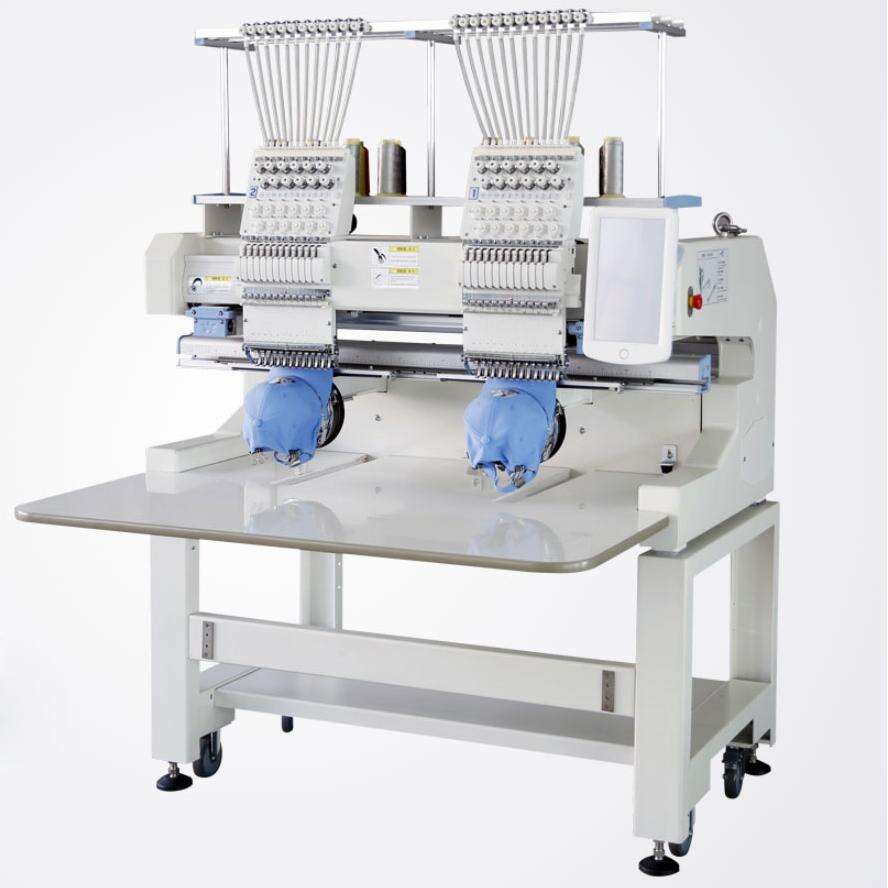
Revolutionary Technology Behind Modern Cap Embroidery Systems
Advanced Control Architecture and Processing Power
The foundation of high-efficiency cap machines lies in their sophisticated control systems that orchestrate every aspect of the embroidery process. These systems utilize advanced microprocessors and specialized software algorithms to ensure precise thread placement, optimal stitching patterns, and seamless operation across multiple production cycles. Modern control architectures incorporate real-time monitoring capabilities that continuously assess machine performance, automatically adjusting parameters to maintain consistent quality throughout extended production runs. The integration of intelligent feedback loops allows these systems to compensate for variations in material properties, environmental conditions, and operational variables that might otherwise compromise output quality.
Contemporary high-efficiency cap machines feature multi-core processing units that handle complex calculations and pattern interpretations with remarkable speed and accuracy. These processors manage simultaneous operations across multiple embroidery heads, coordinating thread changes, color sequences, and stitching patterns while maintaining perfect synchronization. The enhanced computational power enables operators to run intricate designs with thousands of stitches without experiencing delays or quality degradation, significantly improving overall production throughput and operational efficiency.
Precision Mechanical Components and Engineering Excellence
The mechanical precision inherent in high-efficiency cap machines stems from carefully engineered components designed to withstand the demands of continuous industrial operation. High-grade servo motors provide exceptional positioning accuracy and consistent thread tension control, ensuring that every stitch meets exact specifications regardless of design complexity or production volume. These motors work in conjunction with precision-ground drive systems that eliminate backlash and maintain perfect registration throughout the embroidery process, resulting in crisp, professional-quality output that meets the most stringent quality standards.
Advanced bearing systems and vibration dampening technologies contribute to the smooth, quiet operation that characterizes modern high-efficiency cap machines. These engineering refinements not only enhance the working environment but also extend component life and reduce maintenance requirements, contributing to lower total cost of ownership and improved return on investment for manufacturing operations seeking to optimize their production capabilities.
Productivity Enhancement Features and Performance Optimization
Multi-Head Configuration and Simultaneous Processing Capabilities
The productivity advantages of high-efficiency cap machines become immediately apparent through their multi-head configurations that enable simultaneous processing of multiple caps or complex multi-color designs. These systems can operate multiple embroidery heads independently or in coordinated fashion, allowing manufacturers to maximize throughput while maintaining consistent quality across all production units. Advanced scheduling algorithms optimize head utilization, automatically distributing workload to minimize idle time and ensure that production targets are met with maximum efficiency.
High-efficiency cap machines incorporate intelligent thread management systems that automatically handle color changes and thread breaks without interrupting operations on other heads. This capability significantly reduces downtime and operator intervention requirements, allowing production to continue smoothly even when individual heads require attention or maintenance. The result is dramatically improved overall equipment effectiveness and enhanced profitability for manufacturing operations that depend on consistent, high-volume output.
Automated Threading and Setup Optimization
Modern high-efficiency cap machines feature automated threading systems that eliminate time-consuming manual setup procedures and reduce the potential for operator error. These systems utilize pneumatic or mechanical threading mechanisms that quickly and accurately position threads through needle eyes and tension assemblies, enabling rapid changeovers between different thread colors or design requirements. Automated setup capabilities extend to hooping systems that precisely position caps for optimal embroidery placement, ensuring consistent results across entire production runs.
The integration of barcode scanning and digital pattern recognition technologies allows high-efficiency cap machines to automatically configure appropriate settings for specific designs, thread types, and cap materials. This automation reduces setup time, minimizes the potential for configuration errors, and enables operators to achieve consistent, predictable results regardless of their experience level or the complexity of the embroidery patterns being produced.
Quality Control Systems and Precision Monitoring
Real-Time Quality Assessment and Correction
Quality assurance in high-efficiency cap machines relies on sophisticated monitoring systems that continuously evaluate stitch formation, thread tension, and pattern placement throughout the embroidery process. Advanced sensors detect variations in thread behavior, needle performance, and material positioning, automatically implementing corrective measures to maintain consistent quality standards. These real-time monitoring capabilities prevent defects from propagating through production runs, significantly reducing waste and rework requirements while ensuring that finished products meet or exceed customer expectations.
Integrated vision systems in modern high-efficiency cap machines provide optical verification of embroidery placement and quality, comparing actual results against digital design specifications to identify potential issues before they impact production outcomes. These systems can detect thread breaks, skipped stitches, color variations, and placement errors with remarkable accuracy, triggering appropriate responses to maintain production flow while preserving quality standards throughout extended manufacturing runs.
Adaptive Tension Control and Thread Management
The precision thread management capabilities of high-efficiency cap machines include adaptive tension control systems that automatically adjust thread tension based on material properties, design requirements, and environmental conditions. These systems monitor thread behavior in real-time, making micro-adjustments to maintain optimal tension levels that prevent thread breaks while ensuring proper stitch formation and appearance. Advanced tension control algorithms account for variations in thread elasticity, cap material thickness, and design density to deliver consistent results across diverse production requirements.
Sophisticated thread break detection and recovery systems enable high-efficiency cap machines to identify and address thread breaks immediately, automatically repositioning the embroidery head and resuming operations without compromising design integrity or requiring manual intervention. This capability minimizes production interruptions and ensures that completed embroidery maintains consistent quality and appearance throughout the entire design area.
Energy Efficiency and Environmental Considerations
Power Management and Consumption Optimization
Contemporary high-efficiency cap machines incorporate advanced power management systems that optimize energy consumption without compromising performance or productivity. These systems utilize variable-speed drive technologies and intelligent standby modes that reduce power consumption during idle periods while maintaining rapid response capabilities when production demands resume. Energy-efficient servo motors and LED lighting systems contribute to reduced operational costs and improved environmental sustainability, making these machines attractive investments for manufacturers seeking to minimize their environmental footprint.
Smart power management features in high-efficiency cap machines include programmable scheduling capabilities that automatically power down non-essential systems during periods of inactivity while maintaining critical functions in ready mode. These energy optimization strategies can result in significant reductions in electricity consumption, contributing to lower operational costs and improved sustainability metrics for manufacturing operations committed to environmental stewardship and operational efficiency.
Waste Reduction and Material Conservation
High-efficiency cap machines contribute to waste reduction through precise thread consumption calculations and optimized cutting sequences that minimize material waste during production. Advanced nesting algorithms maximize the utilization of available embroidery area, reducing the amount of unused thread and minimizing trim waste that would otherwise contribute to manufacturing overhead and environmental impact. These optimization features help manufacturers achieve better material utilization rates while maintaining high-quality output standards.
Integrated thread recycling and recovery systems in modern high-efficiency cap machines capture and process thread trimmed during production, enabling reuse of suitable materials for appropriate applications. These sustainability features reduce material costs, minimize waste disposal requirements, and contribute to improved environmental performance for manufacturing operations seeking to implement comprehensive waste reduction strategies.
Maintenance and Reliability Features
Predictive Maintenance and System Diagnostics
The reliability of high-efficiency cap machines is enhanced through comprehensive predictive maintenance systems that monitor component performance and predict potential issues before they result in unplanned downtime. Advanced diagnostic capabilities track operating parameters, component wear patterns, and performance trends to provide early warning of maintenance requirements, enabling proactive service scheduling that minimizes production interruptions. These systems generate detailed maintenance reports and recommendations that help operators optimize machine performance and extend component life.
Integrated condition monitoring systems in high-efficiency cap machines continuously assess critical components such as motors, bearings, and drive systems, providing real-time feedback on operational status and performance characteristics. This continuous monitoring enables maintenance teams to schedule service activities during planned downtime periods, reducing the impact of maintenance activities on production schedules while ensuring that machines continue to operate at peak efficiency throughout their service life.
Modular Design and Service Accessibility
Modern high-efficiency cap machines feature modular construction that simplifies maintenance procedures and reduces service time requirements. Quick-access panels, tool-free component removal, and standardized connection systems enable maintenance technicians to perform routine service tasks efficiently without disrupting adjacent production equipment. This design philosophy extends to consumable components such as needles, bobbins, and thread guides, which can be replaced quickly without specialized tools or extensive machine disassembly.
The modular architecture of high-efficiency cap machines also facilitates system upgrades and capacity expansion, allowing manufacturers to enhance machine capabilities or add functionality as production requirements evolve. This flexibility protects investment value and enables manufacturers to adapt their production capabilities to changing market demands without requiring complete equipment replacement or major facility modifications.
Integration and Connectivity Solutions
Enterprise Resource Planning and Production Management
High-efficiency cap machines integrate seamlessly with enterprise resource planning systems and production management software to provide comprehensive visibility into manufacturing operations and performance metrics. These connectivity features enable real-time monitoring of production status, quality metrics, and equipment performance from centralized control systems, facilitating data-driven decision making and operational optimization. Advanced reporting capabilities provide detailed analytics on production efficiency, material utilization, and quality trends that support continuous improvement initiatives.
Network connectivity features in modern high-efficiency cap machines support remote monitoring and diagnostic capabilities that enable service technicians to assess machine performance and provide support without requiring on-site visits. This remote access capability reduces service response times, minimizes production disruptions, and enables proactive maintenance interventions that prevent minor issues from developing into major problems requiring extensive downtime or component replacement.
Digital Design Integration and Workflow Optimization
Contemporary high-efficiency cap machines support direct integration with digital design software and automated workflow systems that streamline the transition from design concept to finished product. These integration capabilities eliminate manual data transfer steps, reduce the potential for errors, and accelerate time-to-market for new designs and product variations. Advanced file format compatibility ensures seamless communication between design systems and production equipment, regardless of the specific software platforms utilized in the design and manufacturing processes.
Automated job scheduling and queue management features optimize production workflow by intelligently sequencing embroidery jobs based on thread colors, design complexity, and delivery requirements. These optimization algorithms minimize changeover time, reduce thread waste, and maximize machine utilization while ensuring that production deadlines are met consistently and efficiently throughout demanding manufacturing environments.
FAQ
What are the key advantages of investing in high-efficiency cap machines for commercial production?
High-efficiency cap machines offer numerous advantages including significantly increased production throughput, improved quality consistency, reduced labor requirements, and lower operational costs per unit produced. These machines typically feature multi-head configurations that enable simultaneous processing of multiple caps, advanced automation that minimizes manual intervention, and sophisticated quality control systems that ensure consistent results. The combination of higher productivity, better quality, and reduced operational complexity typically results in improved profitability and competitive positioning for commercial embroidery operations.
How do high-efficiency cap machines maintain quality consistency during high-volume production runs?
High-efficiency cap machines maintain quality consistency through integrated monitoring systems that continuously assess stitch formation, thread tension, and pattern placement throughout production. Advanced sensors detect variations in performance parameters and automatically implement corrective measures to maintain consistent quality standards. Additionally, these machines feature adaptive tension control systems, automated thread break detection and recovery, and vision-based quality verification systems that ensure consistent results regardless of production volume or design complexity.
What maintenance requirements should be expected with modern high-efficiency cap machines?
Modern high-efficiency cap machines are designed with minimal maintenance requirements through the use of high-quality components, advanced lubrication systems, and predictive maintenance capabilities. Routine maintenance typically includes periodic cleaning, thread path inspection, and replacement of consumable components such as needles and bobbins. The integrated diagnostic systems provide early warning of potential issues and maintenance requirements, enabling proactive service scheduling that minimizes unplanned downtime and extends component life.
How do high-efficiency cap machines compare to traditional embroidery equipment in terms of energy consumption?
High-efficiency cap machines typically consume less energy per unit of production compared to traditional embroidery equipment due to advanced power management systems, energy-efficient servo motors, and intelligent standby modes that reduce consumption during idle periods. These machines optimize energy usage through variable-speed drive technologies and smart scheduling features that automatically power down non-essential systems when not in use. The combination of higher productivity and lower energy consumption per unit results in significantly improved energy efficiency compared to conventional embroidery systems.
Table of Contents
- Revolutionary Technology Behind Modern Cap Embroidery Systems
- Productivity Enhancement Features and Performance Optimization
- Quality Control Systems and Precision Monitoring
- Energy Efficiency and Environmental Considerations
- Maintenance and Reliability Features
- Integration and Connectivity Solutions
-
FAQ
- What are the key advantages of investing in high-efficiency cap machines for commercial production?
- How do high-efficiency cap machines maintain quality consistency during high-volume production runs?
- What maintenance requirements should be expected with modern high-efficiency cap machines?
- How do high-efficiency cap machines compare to traditional embroidery equipment in terms of energy consumption?