

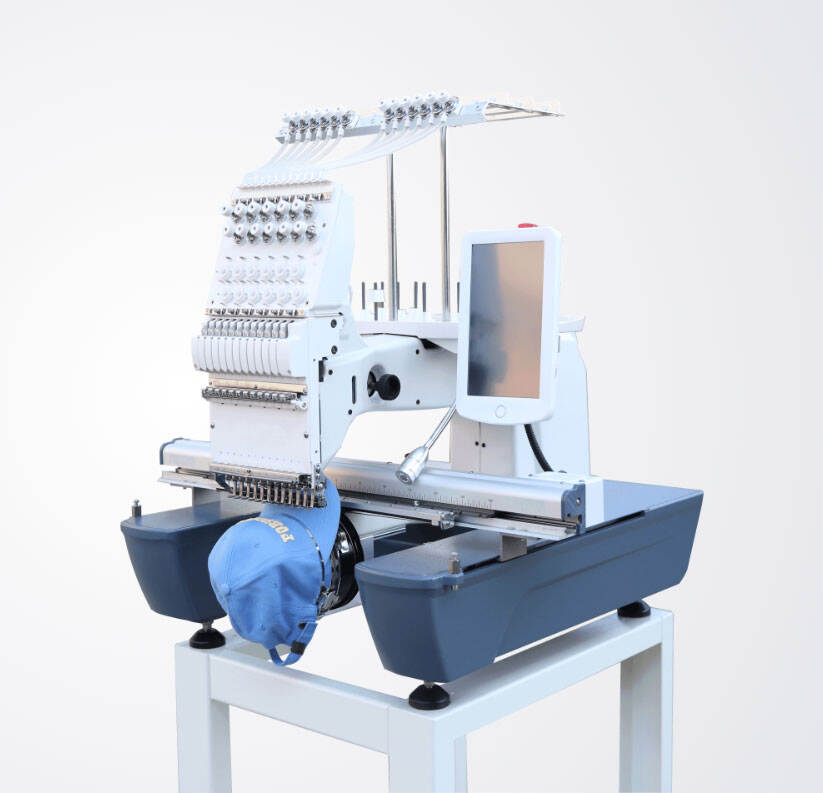
In today's competitive textile industry, investing in high-quality cap embroidery machines represents a critical decision for businesses seeking to deliver exceptional embroidered products. These specialized machines require careful evaluation across multiple technical and operational parameters to ensure optimal performance, longevity, and return on investment. Understanding the key quality indicators will help manufacturers make informed purchasing decisions that align with their production requirements and business objectives.
Essential Technical Specifications for Superior Performance
Embroidery Speed and Stitch Precision
The operational speed of cap embroidery machines directly impacts production efficiency and business profitability. Premium machines typically operate at speeds ranging from 1,000 to 1,500 stitches per minute while maintaining exceptional stitch quality. This balance between speed and precision distinguishes professional-grade equipment from entry-level alternatives. High-speed operation without compromising accuracy demonstrates superior engineering and advanced control systems.
Stitch precision involves consistent thread tension, accurate needle positioning, and uniform stitch formation across different fabric types. Quality cap embroidery machines incorporate advanced servo motors and computerized control systems that maintain precise positioning even during rapid operation. The ability to produce clean, consistent stitches at high speeds indicates robust mechanical design and sophisticated software integration.
Multi-Head Configuration and Threading Systems
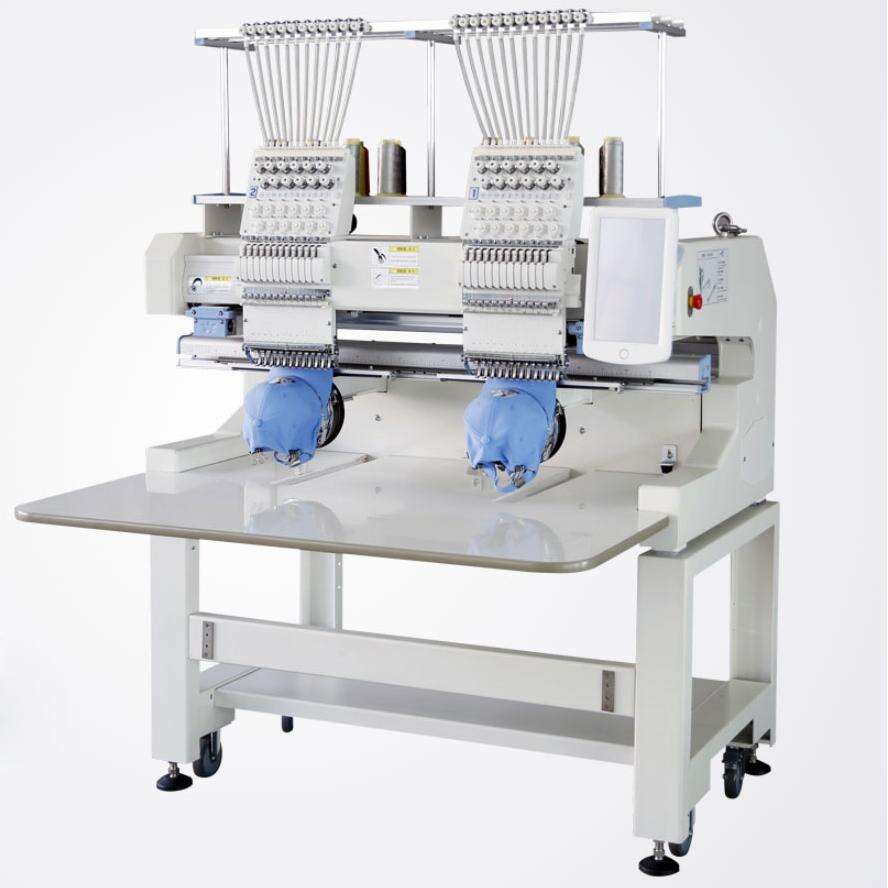
Modern cap embroidery machines often feature dual-head or multi-head configurations that significantly enhance production capacity. Each embroidery head should operate independently while maintaining synchronized timing and consistent quality standards. The threading system design affects both operational efficiency and maintenance requirements, with superior machines featuring user-friendly threading paths and automatic tension adjustment capabilities.
Quality threading systems incorporate features such as automatic thread trimming, color-coded thread guides, and easily accessible tension adjustment mechanisms. These elements reduce setup time, minimize thread waste, and simplify operator training. Professional cap embroidery machines also include thread break detection sensors that immediately pause operation to prevent defective products and material waste.
Construction Quality and Mechanical Durability
Frame Stability and Vibration Control
The structural integrity of cap embroidery machines determines their long-term reliability and consistent performance under continuous operation. Heavy-duty cast iron or steel frame construction provides the necessary stability to minimize vibrations during high-speed embroidery. Excessive vibration can compromise stitch quality, accelerate component wear, and create operational noise issues that affect the working environment.
Superior machines incorporate advanced dampening systems and precision-balanced components that effectively control vibrations even at maximum operating speeds. The frame design should also accommodate easy access to internal components for routine maintenance and adjustment procedures. Robust construction extends machine lifespan while reducing maintenance costs and operational downtime.
Drive System Components and Motor Technology
The drive system represents the heart of cap embroidery machines, converting electrical energy into precise mechanical motion for needle operation and fabric positioning. High-quality machines utilize servo motor technology that provides superior torque control, energy efficiency, and positioning accuracy compared to traditional stepper motors. Advanced servo systems respond instantly to speed variations and maintain consistent performance across different operational conditions.
Premium drive systems also feature regenerative braking capabilities that recover energy during deceleration cycles, reducing overall power consumption and heat generation. The motor mounting system should incorporate shock absorbers and vibration isolators that protect sensitive components from mechanical stress while maintaining precise alignment throughout the machine's operational life.
Control System Sophistication and User Interface
Computer Integration and Software Capabilities
Modern cap embroidery machines rely on sophisticated computer control systems that manage every aspect of the embroidery process. Quality machines feature intuitive touchscreen interfaces that simplify design loading, parameter adjustment, and machine monitoring functions. The control software should support multiple embroidery file formats and provide comprehensive editing capabilities for design modification and optimization.
Advanced control systems incorporate real-time monitoring functions that track production statistics, maintenance schedules, and operational parameters. These features enable proactive maintenance planning and quality control measures that maximize machine uptime and product consistency. Quality cap embroidery machines also provide remote connectivity options for technical support and software updates.
Automatic Functions and Safety Features
Automation capabilities significantly impact operational efficiency and reduce dependence on skilled operators. Premium cap embroidery machines include automatic thread trimming, color changing, and hoop positioning functions that minimize manual intervention and accelerate production cycles. These automated features also reduce the potential for operator errors that can compromise product quality or cause machine damage.
Comprehensive safety systems protect both operators and equipment from potential hazards during operation. Quality machines incorporate emergency stop mechanisms, needle guards, thread break sensors, and overload protection circuits. These safety features demonstrate manufacturer commitment to operator welfare and equipment protection while ensuring compliance with industrial safety standards.
Versatility and Adaptability Features
Cap Size Range and Adjustment Mechanisms
The ability to accommodate various cap sizes and styles directly affects the market opportunities available to embroidery businesses. Quality cap embroidery machines feature adjustable frame systems that accommodate different cap circumferences, from fitted baseball caps to larger structured designs. The adjustment mechanisms should operate smoothly and maintain precise positioning throughout the embroidery process.
Superior machines provide quick-change systems for transitioning between different cap styles without extensive setup procedures. The frame adjustment process should be intuitive and require minimal tools or technical expertise. This flexibility enables businesses to accept diverse customer orders and respond quickly to market demands without significant production delays.
Thread Compatibility and Color Management
Professional cap embroidery machines must accommodate various thread types including polyester, rayon, metallic, and specialty threads. Quality machines feature adjustable tension systems that automatically compensate for different thread characteristics while maintaining consistent stitch formation. The thread path design should minimize friction and prevent thread breakage even with delicate or textured threads.
Advanced color management systems allow operators to program custom color sequences and monitor thread consumption for accurate inventory management. Quality machines provide clear thread identification systems and easy color changing procedures that reduce setup time and minimize production interruptions. These features enhance operational flexibility and enable complex multi-color designs.
Maintenance Requirements and Service Support
Routine Maintenance Accessibility
The design of cap embroidery machines should facilitate routine maintenance procedures without requiring extensive disassembly or specialized tools. Quality machines feature easily accessible lubrication points, removable covers for cleaning access, and clear maintenance indicators that guide operators through regular service procedures. Simplified maintenance procedures reduce operational costs and extend equipment lifespan.
Premium machines include self-diagnostic capabilities that identify potential maintenance issues before they cause operational problems. These predictive maintenance features help prevent unexpected breakdowns and optimize maintenance scheduling. Quality cap embroidery machines also provide detailed maintenance documentation and training materials that enable operators to perform routine service procedures confidently.
Manufacturer Support and Parts Availability
Long-term operational success depends significantly on manufacturer support quality and replacement parts availability. Reputable manufacturers provide comprehensive technical support including installation assistance, operator training, and ongoing technical consultation. The availability of genuine replacement parts ensures consistent machine performance and prevents compatibility issues that can compromise reliability.
Quality manufacturers also offer comprehensive warranty coverage and service agreements that protect equipment investments. Regular software updates and technology upgrades demonstrate manufacturer commitment to product evolution and customer satisfaction. These support services contribute significantly to the total cost of ownership and operational success of cap embroidery machines.
Cost Considerations and Return on Investment
Initial Investment versus Long-term Value
While premium cap embroidery machines require higher initial investments, their superior performance and durability often provide better long-term value compared to budget alternatives. Quality machines typically offer lower operating costs, reduced maintenance requirements, and higher production capacity that justifies the additional upfront expense. Comprehensive cost analysis should consider productivity gains, maintenance savings, and extended operational life.
The reliability of quality machines translates to consistent production schedules and reduced risk of costly breakdowns during critical production periods. Superior stitch quality and consistent performance also reduce material waste and rework requirements, contributing to overall operational efficiency. These factors significantly impact profitability and business growth potential.
Energy Efficiency and Environmental Impact
Modern cap embroidery machines incorporate energy-efficient technologies that reduce operational costs while supporting environmental sustainability goals. Quality machines feature variable-speed motors, efficient lighting systems, and optimized power consumption profiles that minimize electricity usage without compromising performance. These efficiency improvements provide ongoing cost savings throughout the machine's operational life.
Environmental considerations also include noise reduction features that create more comfortable working environments and comply with workplace regulations. Quality cap embroidery machines utilize advanced sound dampening technologies and precision-balanced components that operate quietly even at high speeds. These features contribute to improved workplace conditions and regulatory compliance.
FAQ
What is the typical lifespan of high-quality cap embroidery machines
High-quality cap embroidery machines typically operate reliably for 10-15 years with proper maintenance and care. Premium machines with robust construction and superior components often exceed these expectations, while budget alternatives may require replacement after 5-7 years. Regular maintenance, proper operation, and using genuine replacement parts significantly extend machine lifespan and maintain consistent performance throughout the operational period.
How do I determine the appropriate embroidery speed for different cap materials
Embroidery speed optimization depends on fabric density, thread type, and design complexity. Dense materials like canvas or structured caps typically require slower speeds (800-1000 SPM) to prevent needle damage and ensure clean stitches. Lighter materials can accommodate higher speeds (1200-1500 SPM) without quality compromise. Quality cap embroidery machines provide adjustable speed controls that allow operators to optimize performance for specific material combinations.
What maintenance procedures are essential for optimal machine performance
Essential maintenance includes daily cleaning of thread paths and needle areas, weekly lubrication of moving components, and monthly inspection of tension systems and drive components. Quality machines provide clear maintenance schedules and self-diagnostic features that guide operators through required procedures. Regular professional servicing every 6-12 months ensures optimal performance and identifies potential issues before they cause operational problems.
Can cap embroidery machines handle specialty threads and decorative materials
Quality cap embroidery machines accommodate various specialty threads including metallic, glow-in-the-dark, and textured options through adjustable tension systems and specialized needle configurations. Premium machines feature multiple thread path options and tension adjustment capabilities that optimize performance for different material characteristics. Proper thread selection and machine setup enable creative applications while maintaining consistent stitch quality across diverse material combinations.
Table of Contents
- Essential Technical Specifications for Superior Performance
- Construction Quality and Mechanical Durability
- Control System Sophistication and User Interface
- Versatility and Adaptability Features
- Maintenance Requirements and Service Support
- Cost Considerations and Return on Investment
-
FAQ
- What is the typical lifespan of high-quality cap embroidery machines
- How do I determine the appropriate embroidery speed for different cap materials
- What maintenance procedures are essential for optimal machine performance
- Can cap embroidery machines handle specialty threads and decorative materials