

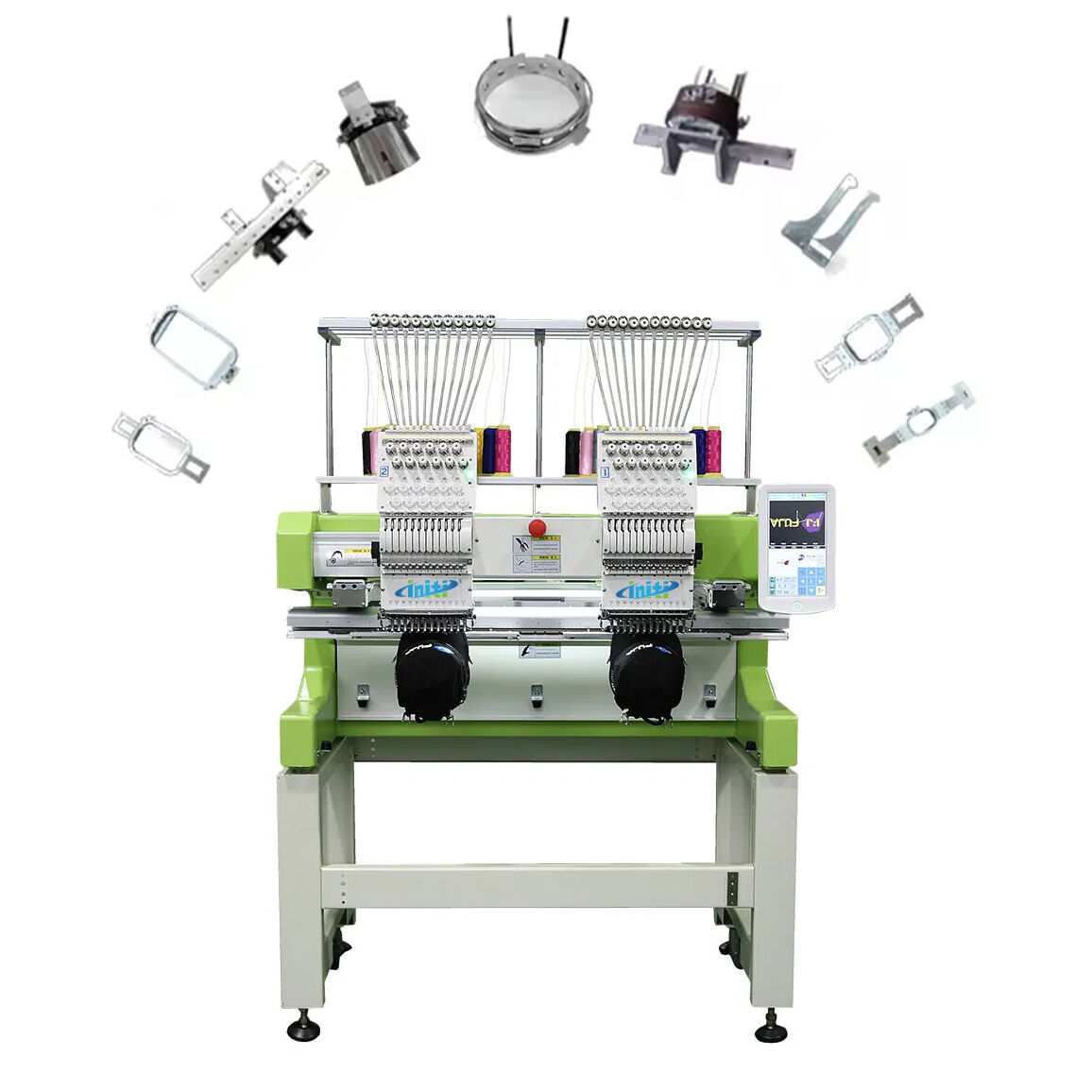
Modern manufacturing demands have transformed the embroidery industry, pushing businesses to seek sophisticated equipment that delivers consistent results while maintaining operational efficiency. An embroidery machine serves as the cornerstone of successful textile production, where precision meets productivity in creating intricate designs across various materials. Today's competitive marketplace requires manufacturers to understand the essential features that distinguish premium equipment from standard alternatives, ensuring their investment delivers long-term value and exceptional performance capabilities.
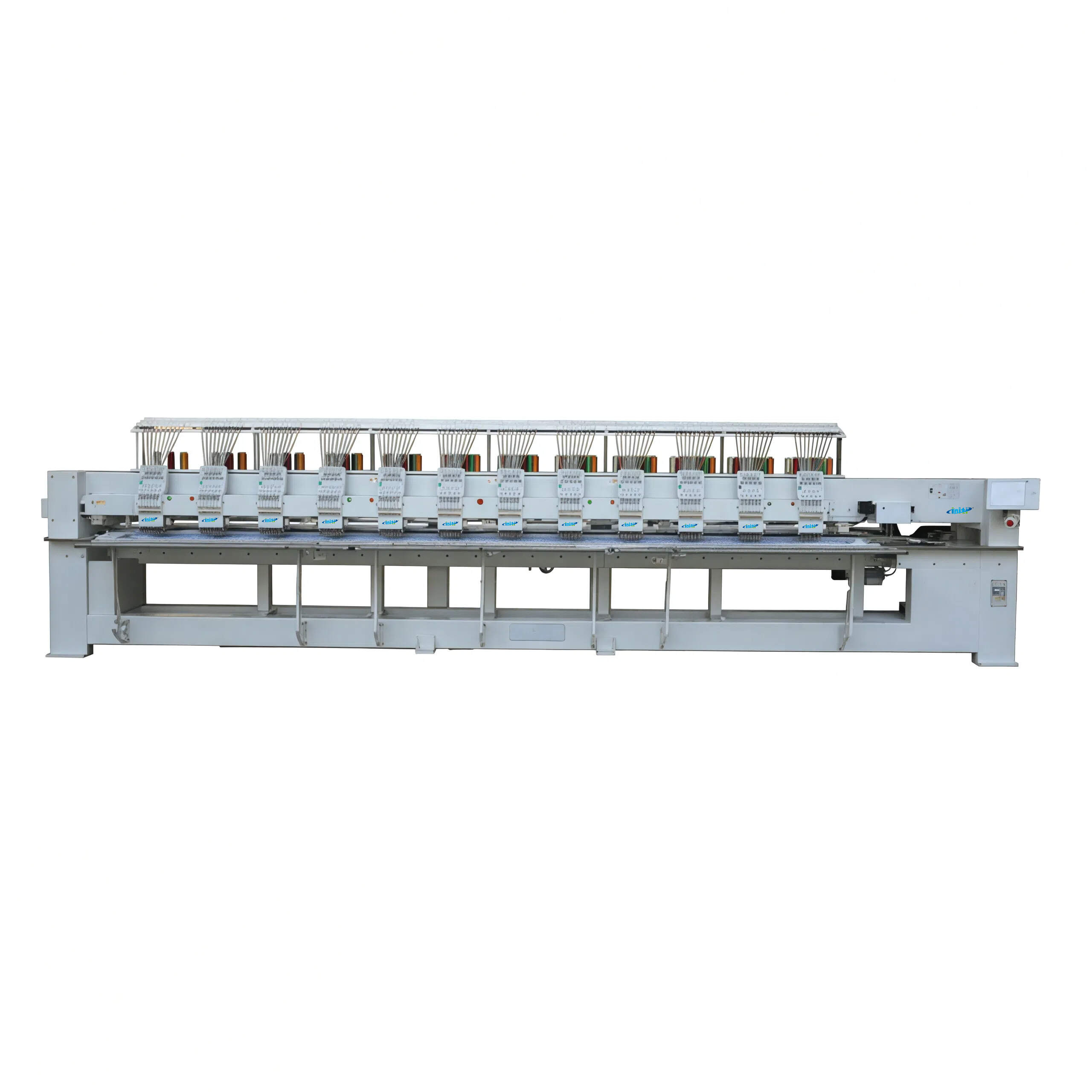
Advanced Threading Systems and Multi-Head Configuration
Precision Threading Technology
The foundation of any efficient embroidery machine lies in its threading system, which directly impacts production speed and design quality. Advanced threading mechanisms incorporate automatic needle threading capabilities, reducing manual intervention and minimizing production delays. These systems feature tension control mechanisms that adapt to different thread types and weights, ensuring consistent stitch formation across diverse materials and design complexities.
Professional-grade equipment utilizes magnetic thread guides and ceramic-coated components that reduce friction and prevent thread breakage during high-speed operations. The threading path design minimizes stress points, allowing delicate specialty threads to flow smoothly without compromising structural integrity. This technological advancement significantly reduces maintenance requirements while extending the operational lifespan of both the embroidery machine and consumable materials.
Multi-Head Operational Advantages
Multi-head configurations represent the pinnacle of embroidery machine efficiency, enabling simultaneous production of multiple pieces or complex multi-color designs. Each head operates independently, allowing manufacturers to process different orders concurrently or create elaborate patterns requiring multiple thread colors and techniques. This parallel processing capability dramatically increases throughput while maintaining consistent quality standards across all production units.
The synchronization technology in modern multi-head systems ensures precise timing and coordination between individual heads, preventing interference and maintaining design integrity. Advanced control systems monitor each head's performance in real-time, automatically adjusting speed and tension parameters to accommodate varying material properties and design requirements. This intelligent coordination maximizes production efficiency while minimizing the risk of defects or inconsistencies.
Digital Control Systems and User Interface Technology
Touchscreen Command Centers
Contemporary embroidery machine designs incorporate intuitive touchscreen interfaces that streamline operation and reduce training requirements for new operators. These digital command centers provide comprehensive access to machine functions, design libraries, and production parameters through user-friendly graphical interfaces. The integration of touch-sensitive controls eliminates complex button arrays, making it easier for operators to navigate between different functions and settings.
Advanced touchscreen systems feature customizable layouts that allow operators to arrange frequently used functions for optimal workflow efficiency. The interface displays real-time production data, including stitch count, completion percentage, and estimated completion times, enabling better production planning and resource allocation. These digital displays also provide diagnostic information and maintenance reminders, helping maintain optimal machine performance and preventing unexpected downtime.
Programmable Memory and Design Storage
Modern embroidery machines incorporate extensive memory systems capable of storing thousands of designs in various formats, eliminating the need for external storage devices during routine operations. This internal memory capacity supports complex multi-layered designs and allows operators to queue multiple projects for continuous production cycles. The programmable memory system maintains design integrity and ensures consistent reproduction across multiple production runs.
Cloud connectivity features in advanced systems enable remote design uploads and software updates, keeping the embroidery machine current with the latest technological improvements. These connected systems support wireless design transfer, allowing designers to send patterns directly to production equipment without physical media or manual intervention. The integration of cloud-based storage solutions provides unlimited design capacity and facilitates collaboration between design teams and production facilities.
Speed Control and Stitch Quality Management
Variable Speed Optimization
Efficient embroidery machines feature sophisticated speed control systems that automatically adjust operating velocity based on design complexity, material properties, and quality requirements. These intelligent systems recognize intricate details, curves, and dense stitch areas, reducing speed appropriately to maintain precision while maximizing throughput during simpler pattern sections. The dynamic speed adjustment prevents thread breaks and ensures consistent stitch formation across varying design elements.
Professional speed control systems incorporate servo motor technology that provides precise positioning and smooth acceleration profiles. This advanced motor control eliminates jerky movements and reduces mechanical stress on both the embroidery machine components and the fabric being processed. The result is extended equipment life, reduced maintenance costs, and superior stitch quality that meets demanding commercial standards.
Stitch Density and Pattern Recognition
Advanced pattern recognition algorithms analyze design files to optimize stitch density and sequencing for maximum efficiency and quality. These systems identify potential problem areas such as excessive density or problematic jump stitches, automatically adjusting parameters to prevent common production issues. The intelligent analysis prevents fabric distortion and reduces the likelihood of thread breaks or needle damage during production.
Stitch quality management systems continuously monitor needle penetration depth, thread tension, and fabric positioning to maintain consistent results throughout extended production runs. These monitoring systems detect variations in material thickness or texture, automatically adjusting machine parameters to accommodate different fabric types. This adaptability ensures that each embroidery machine maintains optimal performance regardless of the diverse materials processed during daily operations.
Material Handling and Feeding Mechanisms
Automatic Fabric Positioning Systems
Precision fabric handling represents a crucial component of efficient embroidery machine operation, with automatic positioning systems ensuring accurate placement and consistent tension throughout the production process. These systems utilize laser guidance technology and sensor arrays to detect fabric edges and maintain proper alignment during complex multi-step procedures. The automated positioning eliminates manual adjustments and reduces the potential for human error in critical placement operations.
Advanced feeding mechanisms incorporate pneumatic hold-down systems that secure fabric without causing distortion or leaving marks on delicate materials. These systems adjust pressure automatically based on fabric thickness and texture, ensuring optimal grip without damaging the base material. The intelligent pressure control prevents shifting during high-speed operations while accommodating various material types from lightweight silks to heavy canvas applications.
Hooping and Clamping Technology
Modern hooping systems feature quick-release mechanisms that significantly reduce setup time between jobs while maintaining consistent fabric tension across all production pieces. These advanced clamping systems distribute pressure evenly around the hoop perimeter, preventing distortion and ensuring uniform stitch formation throughout the design area. The ergonomic design of contemporary hooping systems reduces operator fatigue and enables faster changeovers between different job orders.
Magnetic hooping options provide additional versatility for specialty applications and delicate materials that cannot withstand traditional clamping pressure. These magnetic systems create secure fabric positioning without physical compression, making them ideal for processing finished garments or materials that require gentle handling. The magnetic technology maintains precise positioning while allowing easy removal and repositioning when necessary for complex multi-position designs.
Maintenance Features and Diagnostic Capabilities
Self-Diagnostic Systems
Contemporary embroidery machines incorporate comprehensive diagnostic systems that continuously monitor critical components and operating parameters to prevent unexpected failures and optimize maintenance scheduling. These intelligent systems track motor performance, bearing temperatures, and mechanical wear patterns to predict maintenance needs before problems impact production schedules. The proactive diagnostic approach minimizes unplanned downtime and extends overall equipment service life.
Automated diagnostic routines run during scheduled maintenance periods, checking calibration accuracy, timing synchronization, and component alignment to ensure optimal performance standards. These systems generate detailed reports highlighting any deviations from normal operating parameters and provide specific recommendations for corrective actions. The comprehensive monitoring capabilities enable maintenance teams to address minor issues before they escalate into major problems requiring extensive repairs.
Lubrication and Cleaning Automation
Advanced embroidery machine designs include automated lubrication systems that deliver precise amounts of lubricant to critical components at predetermined intervals. These systems eliminate manual lubrication procedures and ensure consistent application of appropriate lubricants to all necessary points. The automated delivery prevents over-lubrication that could contaminate fabric or under-lubrication that might cause premature wear and component failure.
Self-cleaning mechanisms remove lint, thread fragments, and debris from critical areas during operation, maintaining optimal performance without requiring frequent manual intervention. These cleaning systems utilize compressed air and specialized brushes to clear accumulated debris from needle areas, thread paths, and sensor locations. The continuous cleaning action prevents buildup that could interfere with machine operation or compromise stitch quality over extended production periods.
FAQ
What factors determine the ideal embroidery machine capacity for different business sizes
Business requirements vary significantly based on production volume, design complexity, and delivery timelines, making capacity selection crucial for operational success. Small operations typically benefit from single-head systems that offer versatility and lower initial investment, while medium-sized businesses often require multi-head configurations to balance productivity with space constraints. Large commercial operations demand high-capacity systems with numerous heads and advanced automation features to meet substantial volume requirements efficiently.
How do modern embroidery machines handle different thread types and weights
Contemporary embroidery machines utilize adaptive tension control systems and specialized threading paths to accommodate various thread materials including polyester, rayon, metallic, and specialty threads. The machines automatically adjust tension settings based on thread characteristics and provide different needle options optimized for specific thread weights. Advanced systems include thread break detection and automatic re-threading capabilities that minimize production interruptions when working with challenging specialty threads.
What maintenance schedules optimize embroidery machine performance and longevity
Optimal maintenance schedules typically include daily cleaning and inspection routines, weekly lubrication procedures, and monthly comprehensive system checks covering calibration and component alignment. Professional maintenance should occur quarterly or after specific production hour intervals, depending on usage intensity and environmental conditions. Following manufacturer-recommended maintenance protocols and utilizing automated diagnostic systems significantly extends equipment life while maintaining consistent production quality and reliability.
How does thread tension control impact overall embroidery quality and production efficiency
Proper thread tension control directly affects stitch formation, design appearance, and production reliability across all embroidery machine operations. Incorrect tension settings can cause thread breaks, uneven stitches, or fabric distortion, leading to production delays and quality issues. Advanced tension management systems automatically adjust settings based on material properties and design requirements, ensuring consistent results while minimizing operator intervention and reducing the likelihood of production problems during extended manufacturing runs.
Table of Contents
- Advanced Threading Systems and Multi-Head Configuration
- Digital Control Systems and User Interface Technology
- Speed Control and Stitch Quality Management
- Material Handling and Feeding Mechanisms
- Maintenance Features and Diagnostic Capabilities
-
FAQ
- What factors determine the ideal embroidery machine capacity for different business sizes
- How do modern embroidery machines handle different thread types and weights
- What maintenance schedules optimize embroidery machine performance and longevity
- How does thread tension control impact overall embroidery quality and production efficiency