

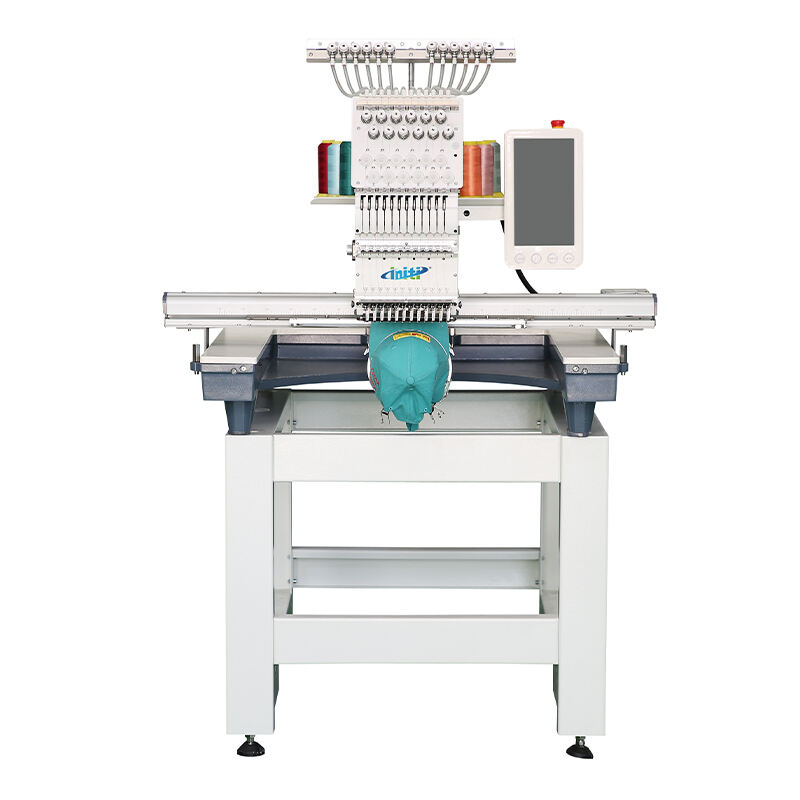
In the world of textile manufacturing and custom embroidery, reliability stands as the cornerstone of operational success. When businesses invest in an embroidery machine, they're not just purchasing equipment—they're securing their production capacity, customer satisfaction, and long-term profitability. The textile industry demands consistent performance, minimal downtime, and the ability to deliver high-quality results day after day. Understanding what makes an embroidery machine truly reliable can mean the difference between a thriving business and one plagued by constant maintenance issues, missed deadlines, and frustrated customers.
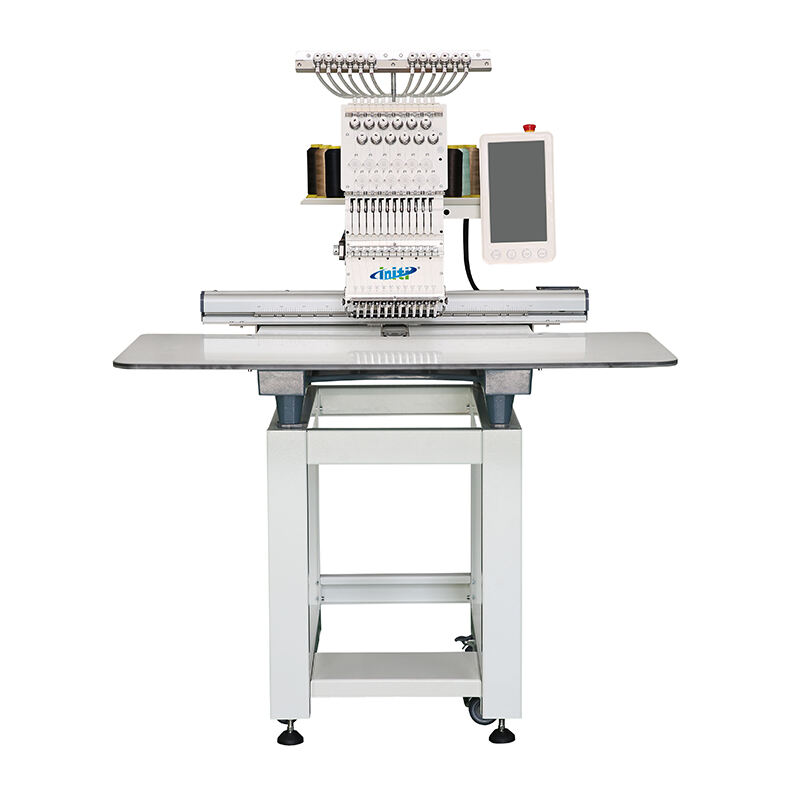
Engineering Excellence as the Foundation of Reliability
Precision Manufacturing Standards
The reliability of any embroidery machine begins with its manufacturing process. Premium embroidery machine manufacturers employ strict quality control measures that ensure every component meets exacting specifications. This attention to detail starts with the selection of high-grade materials, including aerospace-grade aluminum for frames, precision-engineered steel for moving parts, and advanced polymers for components that require flexibility and durability. The manufacturing process itself involves computer-controlled machining that achieves tolerances measured in thousandths of an inch.
Quality manufacturing also extends to the assembly process, where skilled technicians follow documented procedures to ensure consistent build quality across every unit. Each embroidery machine undergoes comprehensive testing before leaving the factory, including stress tests that simulate months of continuous operation. This rigorous approach to manufacturing creates the solid foundation upon which reliable performance is built, ensuring that operators can depend on their equipment to perform consistently under demanding production schedules.
Advanced Component Integration
Modern reliable embroidery machines feature sophisticated integration between mechanical, electrical, and software components. The servo motors that drive needle movement are precisely calibrated to work in harmony with the machine's control systems, ensuring smooth operation and accurate stitch placement. These motors incorporate feedback systems that constantly monitor position and speed, making micro-adjustments to maintain precision even during high-speed operation.
The integration extends to the machine's computerized control system, which coordinates multiple functions simultaneously while monitoring performance parameters. Advanced embroidery machines include predictive maintenance features that track component wear and alert operators to potential issues before they result in downtime. This level of integration represents years of engineering development and reflects the manufacturer's commitment to creating truly reliable equipment that operators can trust for critical production tasks.
Mechanical Durability in Critical Systems
Robust Frame Construction
The frame of a reliable embroidery machine serves as more than just a support structure—it's the foundation that maintains precision alignment throughout the machine's operational life. High-quality frames are constructed from materials that resist vibration, thermal expansion, and mechanical stress. This stability is crucial because even microscopic movements in the frame can translate to visible defects in embroidered designs, particularly during long production runs or when working with intricate patterns.
Professional-grade embroidery machines often feature reinforced frame designs that distribute operational stresses evenly across the structure. These frames undergo stress analysis during the design phase to identify potential weak points and ensure adequate strength margins. The result is an embroidery machine that maintains its accuracy and performance characteristics even after years of intensive use, providing the consistency that commercial operations require to maintain quality standards and meet customer expectations.
Superior Drive System Engineering
The drive system of an embroidery machine encompasses the motors, transmissions, and mechanical linkages that translate electrical commands into precise needle and frame movements. Reliable machines feature drive systems designed with generous safety margins that prevent premature wear even under demanding operating conditions. The gear trains are manufactured to precision tolerances and use high-quality lubricants that maintain their properties over extended operating periods.
Modern drive systems also incorporate advanced feedback mechanisms that continuously monitor performance and adjust parameters to compensate for normal wear patterns. This adaptive capability allows the embroidery machine to maintain its precision throughout its service life, reducing the need for frequent recalibration and ensuring consistent stitch quality across all production runs. The engineering behind these systems reflects decades of accumulated knowledge about the specific demands of embroidery operations and the importance of maintaining precision over time.
Electronic Control System Reliability
Advanced Microprocessor Architecture
The electronic brain of a modern embroidery machine plays a crucial role in determining overall reliability. Advanced microprocessors designed specifically for industrial applications provide the computing power necessary to coordinate complex embroidery operations while maintaining real-time responsiveness. These control systems feature redundant safety mechanisms that prevent damage from power fluctuations, electromagnetic interference, and other environmental factors that could disrupt operation.
Reliable embroidery machine control systems also include comprehensive error detection and recovery capabilities. When the system detects an anomaly, it can automatically pause operation, alert the operator to the specific issue, and in many cases, implement corrective measures without requiring manual intervention. This level of sophistication reduces the risk of material waste and ensures that production can continue with minimal interruption, even when minor issues occur during operation.
Proven Software Reliability
The software that controls an embroidery machine must demonstrate exceptional reliability because any malfunction can result in damaged materials, lost production time, and frustrated operators. Professional-grade embroidery machine software undergoes extensive testing to identify and eliminate potential bugs or compatibility issues. The software architecture typically includes multiple layers of error checking and validation to prevent invalid commands from reaching the machine's mechanical systems.
Modern embroidery machine software also features automatic backup and recovery functions that protect against data loss and allow quick restoration of normal operation following any interruption. The user interface is designed for intuitive operation while providing access to advanced features that experienced operators need for complex projects. Regular software updates address emerging compatibility requirements and incorporate improvements based on real-world operating experience, ensuring that the embroidery machine continues to perform reliably as technology evolves.
Preventive Maintenance and Serviceability
User-Friendly Maintenance Procedures
A truly reliable embroidery machine design incorporates maintenance requirements that operators can easily perform without specialized training or expensive tools. Daily maintenance tasks such as cleaning, lubrication, and basic adjustments should be straightforward procedures that take minimal time away from productive operation. The machine's design should provide easy access to components that require regular attention while protecting sensitive elements from contamination or accidental damage.
Comprehensive maintenance documentation helps operators understand the importance of each procedure and provides clear instructions for performing tasks correctly. Reliable embroidery machine manufacturers often include maintenance reminder systems that alert operators when specific services are due, helping prevent oversight that could lead to premature component failure. This proactive approach to maintenance significantly extends machine life and reduces the likelihood of unexpected breakdowns during critical production periods.
Professional Service Support
Even the most reliable embroidery machine will occasionally require professional service, and the availability of qualified technicians can significantly impact overall equipment reliability. Manufacturers who support their products with comprehensive service networks ensure that operators can quickly access the expertise needed to resolve complex issues or perform major maintenance procedures. This support typically includes technical phone assistance, on-site service visits, and access to genuine replacement parts.
The quality of service support often reflects the manufacturer's confidence in their product and commitment to customer success. Reliable embroidery machine companies invest heavily in training service technicians and maintaining adequate parts inventory to minimize downtime when service is required. They also provide comprehensive documentation and diagnostic tools that help technicians quickly identify and resolve issues, ensuring that machines return to productive operation as quickly as possible.
Performance Consistency Under Varying Conditions
Environmental Adaptability
A reliable embroidery machine must maintain consistent performance across a range of environmental conditions commonly found in commercial and industrial settings. Temperature variations, humidity changes, and vibration from nearby equipment can all affect machine performance, so reliable designs incorporate features that compensate for these factors. This might include temperature-compensated control systems, moisture-resistant electrical components, and vibration-dampening mounting systems.
The machine's materials and finishes are selected to withstand exposure to textile fibers, adhesives, and cleaning solvents without degradation that could affect performance. Electrical systems are designed with appropriate protection ratings to prevent contamination from affecting sensitive components. These design considerations ensure that the embroidery machine can operate reliably in real-world production environments rather than only under ideal laboratory conditions.
Consistent Output Quality
Reliability in an embroidery machine ultimately means the ability to produce consistent, high-quality results regardless of the design complexity, material type, or production volume. This consistency depends on precise control of thread tension, accurate needle positioning, and proper coordination between all moving components throughout the embroidery process. Reliable machines maintain these parameters within tight tolerances even during extended production runs or when switching between different materials and thread types.
Advanced embroidery machines include monitoring systems that track key performance indicators and alert operators to any deviations that might affect quality. Some systems can automatically adjust parameters to compensate for material variations or environmental changes, ensuring that every embroidered piece meets the established quality standards. This level of consistency is essential for maintaining customer satisfaction and building a reputation for reliable delivery of high-quality embroidered products.
Long-Term Value and Investment Protection
Extended Service Life
The most reliable embroidery machines are designed for extended service lives that justify their initial investment through years of productive operation. This longevity comes from conservative engineering that provides adequate safety margins in all critical components, high-quality materials that resist wear and corrosion, and modular designs that allow component replacement or upgrading without requiring complete machine replacement.
Extended service life also depends on the manufacturer's commitment to providing ongoing support for older machines, including availability of replacement parts and technical assistance. Reliable embroidery machine manufacturers understand that their customers depend on these machines for their business success and design their products with service life measured in decades rather than years. This approach creates lasting value that extends far beyond the initial purchase decision.
Technology Evolution Compatibility
Reliable embroidery machine designs anticipate future technology developments and include provisions for upgrades that extend the machine's useful life. This might include expandable memory for storing larger designs, upgradeable software that supports new file formats, or modular hardware that allows incorporation of new features as they become available. Forward-thinking design ensures that today's investment in an embroidery machine continues to provide value as industry requirements evolve.
The ability to adapt to new technologies also includes compatibility with evolving computer systems and network protocols. Reliable embroidery machines often feature standard communication interfaces that support integration with various production management systems and design software packages. This flexibility allows operators to take advantage of new productivity tools and workflow optimization techniques without requiring equipment replacement, maximizing the return on their embroidery machine investment.
FAQ
How often should routine maintenance be performed on a reliable embroidery machine
Routine maintenance frequency depends on usage intensity and environmental conditions, but most reliable embroidery machines require daily cleaning and weekly lubrication of key components. Monthly inspections should include checking thread paths, verifying calibration, and examining wear items like needles and bobbins. Following the manufacturer's maintenance schedule precisely helps ensure optimal reliability and prevents premature component failure that could disrupt production schedules.
What are the most common signs that an embroidery machine reliability issue is developing
Early warning signs of reliability issues include increased thread breakage, inconsistent stitch formation, unusual noise or vibration, and frequent error messages from the control system. Operators should also watch for gradual changes in embroidery quality, slower operation speeds, or difficulty maintaining proper thread tension. Addressing these symptoms promptly through professional diagnosis can often prevent minor issues from developing into major reliability problems that require extensive repairs.
Can environmental factors significantly impact embroidery machine reliability
Environmental conditions can substantially affect embroidery machine reliability, particularly extreme temperatures, high humidity, excessive dust, or vibration from nearby equipment. Reliable machines are designed to tolerate reasonable environmental variations, but operating conditions outside recommended parameters can accelerate wear and reduce performance consistency. Maintaining proper environmental controls in the work area helps ensure that the embroidery machine can achieve its designed reliability throughout its service life.
How important is manufacturer support for long-term embroidery machine reliability
Manufacturer support is crucial for maintaining embroidery machine reliability over time, as even the most reliable equipment will eventually require professional service or component replacement. Access to trained technicians, genuine parts, and technical documentation significantly impacts the machine's ability to maintain peak performance throughout its service life. Choosing an embroidery machine from a manufacturer with strong service support helps ensure that reliability issues can be quickly resolved with minimal impact on production operations.
Table of Contents
- Engineering Excellence as the Foundation of Reliability
- Mechanical Durability in Critical Systems
- Electronic Control System Reliability
- Preventive Maintenance and Serviceability
- Performance Consistency Under Varying Conditions
- Long-Term Value and Investment Protection
-
FAQ
- How often should routine maintenance be performed on a reliable embroidery machine
- What are the most common signs that an embroidery machine reliability issue is developing
- Can environmental factors significantly impact embroidery machine reliability
- How important is manufacturer support for long-term embroidery machine reliability