

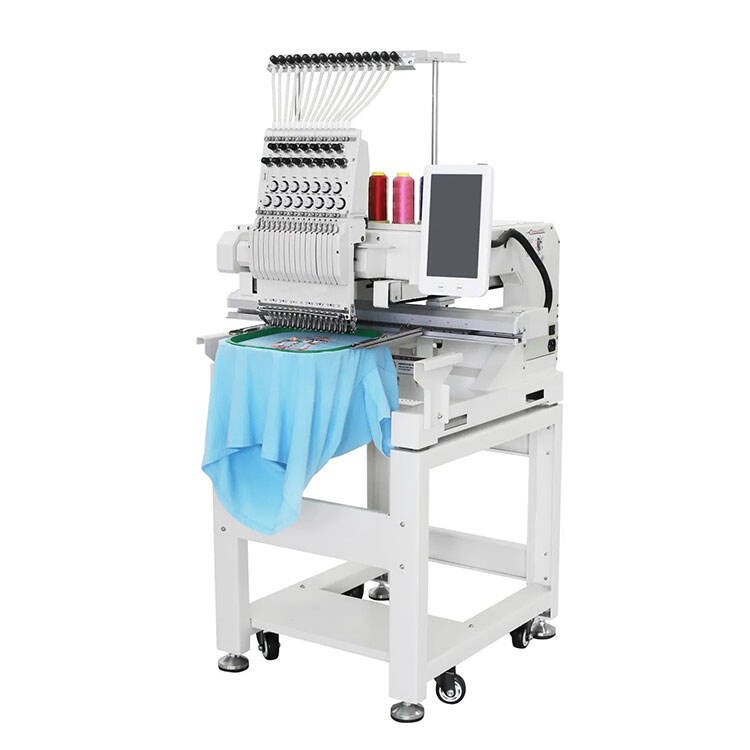
In today's competitive textile and apparel industry, businesses are constantly seeking ways to maximize their return on investment while maintaining high-quality production standards. When it comes to embroidery equipment, understanding what truly makes cost-effective embroidery machines requires looking beyond the initial purchase price. The real value lies in analyzing long-term operational efficiency, production capabilities, maintenance requirements, and the overall impact on your business profitability.
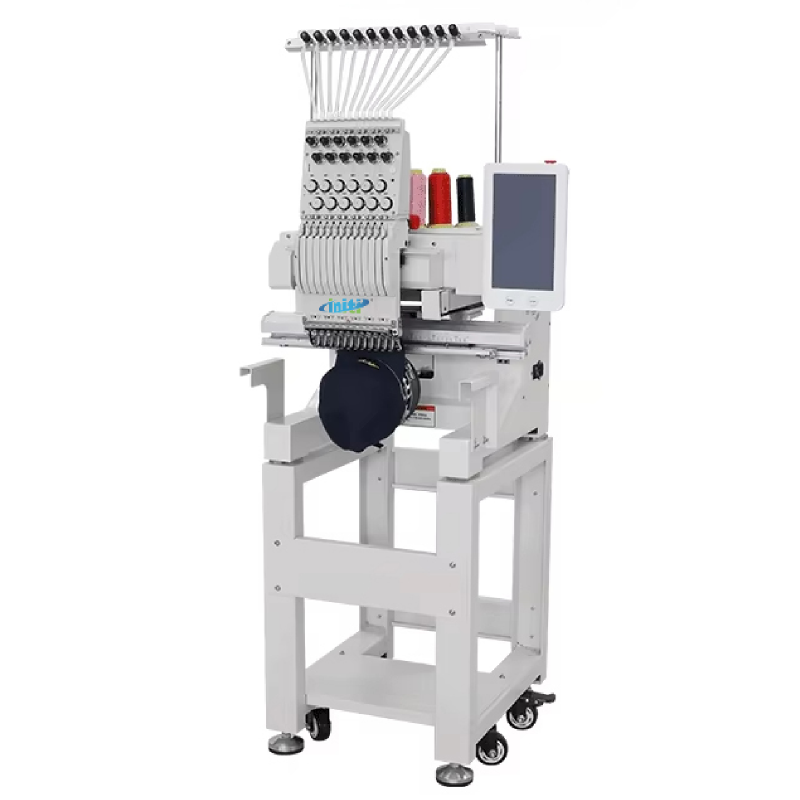
The embroidery industry has witnessed significant technological advancements over the past decade, transforming how manufacturers approach equipment selection. Modern cost-effective embroidery machines incorporate sophisticated features that were once exclusive to premium models, making high-quality embroidery accessible to businesses of all sizes. This evolution has redefined industry standards and created new opportunities for entrepreneurs and established manufacturers alike.
Understanding the true meaning of cost-effectiveness in embroidery equipment involves evaluating multiple factors that contribute to your operational success. These machines represent a significant investment that can determine your business trajectory, making it crucial to analyze their value proposition comprehensively. The decision-making process requires careful consideration of immediate needs, future growth plans, and market positioning strategies.
Key Performance Indicators for Cost-Effective Embroidery Equipment
Production Speed and Efficiency Metrics
Production speed stands as one of the most critical factors when evaluating cost-effective embroidery machines. Modern equipment can achieve speeds ranging from 850 to 1,200 stitches per minute, with some high-end models reaching even higher velocities. However, speed alone doesn't determine cost-effectiveness; the machine's ability to maintain consistent quality at optimal speeds is equally important. Businesses must consider their typical order volumes, delivery timelines, and quality requirements when assessing speed capabilities.
Efficiency metrics extend beyond raw speed to include thread utilization, setup time, and changeover procedures. The most cost-effective embroidery machines feature automated functions that reduce manual intervention, minimize material waste, and streamline the production process. These efficiency improvements translate directly into labor cost savings and increased throughput, making them essential considerations for any serious evaluation.
Thread break detection, automatic trimming, and color change capabilities significantly impact overall efficiency. Advanced machines incorporate sensors and software algorithms that detect and address issues before they affect production quality. This proactive approach reduces downtime, prevents material waste, and ensures consistent output quality across large production runs.
Quality Consistency and Precision Standards
Quality consistency represents another fundamental aspect of truly cost-effective embroidery machines. The ability to reproduce identical designs across thousands of pieces without variation requires precise mechanical components and sophisticated control systems. High-quality machines maintain stitch accuracy within tight tolerances, ensuring professional results that meet customer expectations and industry standards.
Precision standards encompass multiple technical specifications including positioning accuracy, stitch formation quality, and design registration. The best machines achieve positioning accuracy within 0.1mm, allowing for intricate detail work and complex multi-color designs. This precision enables manufacturers to accept higher-value orders that require exceptional quality, directly impacting profitability and market positioning.
Tension control systems play a crucial role in maintaining quality consistency across different thread types and fabric materials. Advanced cost-effective embroidery machines feature automatic tension adjustment capabilities that adapt to varying conditions without manual intervention. This automation reduces the skill requirements for operators while maintaining professional-grade output quality.
Total Cost of Ownership Analysis
Initial Investment Considerations
The initial investment in embroidery equipment extends beyond the machine purchase price to include installation, training, and auxiliary equipment costs. Comprehensive cost analysis must account for electrical requirements, compressed air systems, computer hardware, software licenses, and workspace preparation. These additional expenses can represent 20-30% of the machine cost, making thorough planning essential for accurate budgeting.
Financing options significantly impact the total cost of ownership for cost-effective embroidery machines. Many manufacturers offer lease programs, equipment financing, and flexible payment terms that can improve cash flow management and reduce the initial capital requirement. Understanding these options allows businesses to optimize their investment strategy while maintaining operational flexibility.
Technology obsolescence considerations factor into long-term investment planning. The most cost-effective machines incorporate upgradeable components and software systems that adapt to evolving industry requirements. This future-proofing capability extends the equipment's useful life and protects against premature obsolescence, improving the overall return on investment.
Operational and Maintenance Expenses
Operational expenses encompass energy consumption, consumable materials, and routine maintenance requirements. Energy-efficient motors and LED lighting systems reduce electrical costs while providing superior performance. Modern machines consume approximately 15-20% less power than older models while delivering enhanced capabilities, creating ongoing operational savings.
Maintenance requirements directly impact the total cost of ownership for embroidery equipment. Well-designed machines feature accessible service points, self-diagnostic capabilities, and extended maintenance intervals. Regular maintenance schedules typically include lubrication, cleaning, and component inspection procedures that ensure optimal performance and prevent costly breakdowns.
Spare parts availability and pricing affect long-term operational costs. Reputable manufacturers maintain comprehensive parts inventories and provide technical support services that minimize downtime. The availability of locally sourced components and service technicians reduces response times and maintains production continuity during maintenance or repair situations.
Market Positioning and Competitive Advantages
Product Differentiation Capabilities
Cost-effective embroidery machines enable manufacturers to differentiate their products through enhanced design capabilities and finishing options. Multi-head configurations allow simultaneous production of different designs, reducing per-unit costs while maintaining quick turnaround times. This capability enables businesses to accept diverse order types and serve multiple market segments effectively.
Advanced digitizing software integrated with modern embroidery equipment expands creative possibilities and reduces design preparation time. These software packages often include extensive design libraries, automated digitizing features, and color matching tools that streamline the production process. The ability to quickly adapt designs for different applications creates competitive advantages in responsive markets.
Specialty techniques such as appliqué, sequin application, and mixed media embroidery become accessible with properly equipped machines. These value-added capabilities command premium pricing and differentiate manufacturers from competitors using basic equipment. The investment in versatile machines pays dividends through expanded service offerings and higher profit margins.
Scalability and Growth Potential
Scalability considerations impact the long-term value proposition of embroidery equipment investments. Modular designs allow businesses to expand their capabilities incrementally as demand grows, optimizing capital utilization and minimizing risk. Single-head machines can be networked together to create flexible production systems that adapt to changing requirements.
Growth potential encompasses both production capacity expansion and market penetration opportunities. The cost-effective embroidery machines provide the foundation for business expansion by delivering consistent quality and reliable performance that builds customer confidence and market reputation.
Technology integration capabilities ensure compatibility with emerging industry trends and customer requirements. Machines equipped with network connectivity, data collection systems, and remote monitoring capabilities position businesses for Industry 4.0 implementation and advanced manufacturing practices.
Technology Integration and Future-Proofing
Software and Control Systems
Modern embroidery machines incorporate sophisticated software platforms that enhance productivity and simplify operations. User-friendly interfaces reduce training requirements while providing access to advanced features that optimize production efficiency. Touch-screen controls, intuitive menu systems, and visual feedback mechanisms make complex operations accessible to operators with varying skill levels.
Network connectivity features enable remote monitoring, production tracking, and predictive maintenance capabilities. These digital integration options provide valuable insights into machine performance, production metrics, and maintenance requirements. Data-driven decision making becomes possible when machines generate comprehensive operational reports and performance analytics.
Software upgrade capabilities ensure that cost-effective embroidery machines remain current with evolving industry requirements and customer expectations. Regular updates introduce new features, improve existing functions, and maintain compatibility with the latest design software and file formats. This ongoing development extends the equipment's useful life and protects the initial investment.
Connectivity and Automation Features
Industrial Internet of Things connectivity transforms traditional embroidery operations into smart manufacturing environments. Real-time data collection enables predictive maintenance scheduling, quality control monitoring, and production optimization. These insights help manufacturers maximize equipment utilization while minimizing unexpected downtime and quality issues.
Automation features reduce manual intervention requirements and improve production consistency. Automatic thread trimming, color changes, and design positioning eliminate repetitive tasks while ensuring precise execution. These automated functions reduce labor costs and minimize human error, contributing to overall cost-effectiveness and quality improvement.
Integration with enterprise resource planning systems streamlines order processing, inventory management, and production scheduling. Seamless data flow between embroidery equipment and business systems eliminates manual data entry, reduces errors, and improves operational visibility. This integration capability becomes increasingly important as businesses scale and complexity increases.
Return on Investment Optimization
Revenue Generation Strategies
Maximizing revenue generation requires strategic utilization of embroidery equipment capabilities and market positioning. Premium service offerings such as custom digitizing, quick turnaround embroidery, and specialty techniques command higher pricing while differentiating businesses from competitors. Understanding market demands and positioning services accordingly optimizes revenue potential.
Diversified revenue streams reduce business risk while maximizing equipment utilization. Contract embroidery services, retail product manufacturing, and corporate branding applications represent different market segments that require varying production approaches. Versatile cost-effective embroidery machines enable businesses to serve multiple markets effectively.
Value-added services such as design consultation, product development support, and finishing operations create additional revenue opportunities. These services leverage the capabilities of advanced embroidery equipment while providing comprehensive solutions that increase customer satisfaction and loyalty. Integrated approaches often result in higher per-order values and stronger customer relationships.
Cost Reduction Methodologies
Operational cost reduction through equipment optimization involves multiple strategies including energy management, material utilization, and process improvement. Energy-efficient machines reduce utility costs while advanced software minimizes material waste through optimized design placement and thread utilization. These improvements accumulate over time to create significant savings.
Labor cost optimization results from automation features and simplified operations that reduce skill requirements and training time. Operators can manage multiple machines simultaneously when equipment incorporates appropriate automation and monitoring systems. This scalability improves labor productivity and reduces per-unit production costs.
Preventive maintenance programs minimize unexpected repair costs and production disruptions. Well-maintained cost-effective embroidery machines operate more efficiently, produce higher quality output, and experience fewer breakdowns. Regular maintenance schedules based on manufacturer recommendations protect the investment while ensuring optimal performance.
Selection Criteria and Decision Framework
Technical Specifications Evaluation
Comprehensive technical evaluation encompasses mechanical specifications, control systems, and performance characteristics that determine long-term success. Embroidery area dimensions, maximum stitch speeds, and design capacity limitations define the equipment's production capabilities. These specifications must align with current requirements while providing room for future growth and market expansion.
Build quality assessment involves examining frame construction, drive systems, and component specifications. Heavy-duty construction ensures stability during high-speed operation while precision components maintain accuracy over extended production runs. Quality construction translates to longer equipment life, reduced maintenance requirements, and consistent performance.
Compatibility considerations include software integration, file format support, and accessory availability. Equipment that integrates seamlessly with existing systems reduces implementation complexity and training requirements. Broad format support ensures flexibility in accepting customer files while extensive accessory options enable specialized applications.
Vendor Support and Service Network
Vendor support capabilities significantly impact the long-term success of embroidery equipment investments. Comprehensive training programs, technical documentation, and ongoing support services ensure optimal equipment utilization and problem resolution. Local service networks reduce response times and minimize production disruptions during maintenance or repair situations.
Warranty coverage and service agreement options provide protection against unexpected costs while ensuring professional maintenance standards. Extended warranty programs and preventive maintenance contracts offer predictable cost structures that simplify budgeting and financial planning. These programs often include priority service, discounted parts, and guaranteed response times.
Training and certification programs help operators maximize equipment capabilities while maintaining safety standards. Comprehensive training reduces learning curves, improves productivity, and prevents equipment damage due to improper operation. Ongoing education opportunities ensure that operators stay current with new features and best practices.
FAQ
What factors should be considered when calculating the total cost of ownership for embroidery machines
Total cost of ownership calculations must include the initial purchase price, installation costs, training expenses, ongoing maintenance, consumable materials, energy consumption, and financing charges. Additionally, consider productivity gains, quality improvements, and revenue generation potential when evaluating the complete financial impact. Many cost-effective embroidery machines provide detailed operational cost data to support accurate calculations.
How do modern embroidery machines improve production efficiency compared to older models
Contemporary embroidery equipment incorporates advanced automation features, faster processing speeds, improved thread handling systems, and sophisticated control software that significantly enhance production efficiency. These improvements reduce manual intervention, minimize setup times, and increase throughput while maintaining consistent quality standards. Energy-efficient components also reduce operational costs compared to older technology.
What maintenance requirements are typical for cost-effective embroidery machines
Regular maintenance schedules typically include daily cleaning procedures, weekly lubrication of moving parts, monthly tension adjustments, and quarterly comprehensive inspections. Modern machines feature diagnostic systems that alert operators to maintenance requirements and potential issues before they affect production. Preventive maintenance programs help maximize equipment life while minimizing unexpected downtime and repair costs.
How can businesses determine the appropriate embroidery machine capacity for their operations
Capacity planning should consider current order volumes, peak production requirements, growth projections, and market diversification goals. Analyze historical production data, customer demand patterns, and seasonal variations to establish baseline requirements. Consider modular equipment options that allow incremental capacity expansion as business needs evolve, providing flexibility while optimizing capital utilization.
Table of Contents
- Key Performance Indicators for Cost-Effective Embroidery Equipment
- Total Cost of Ownership Analysis
- Market Positioning and Competitive Advantages
- Technology Integration and Future-Proofing
- Return on Investment Optimization
- Selection Criteria and Decision Framework
-
FAQ
- What factors should be considered when calculating the total cost of ownership for embroidery machines
- How do modern embroidery machines improve production efficiency compared to older models
- What maintenance requirements are typical for cost-effective embroidery machines
- How can businesses determine the appropriate embroidery machine capacity for their operations