

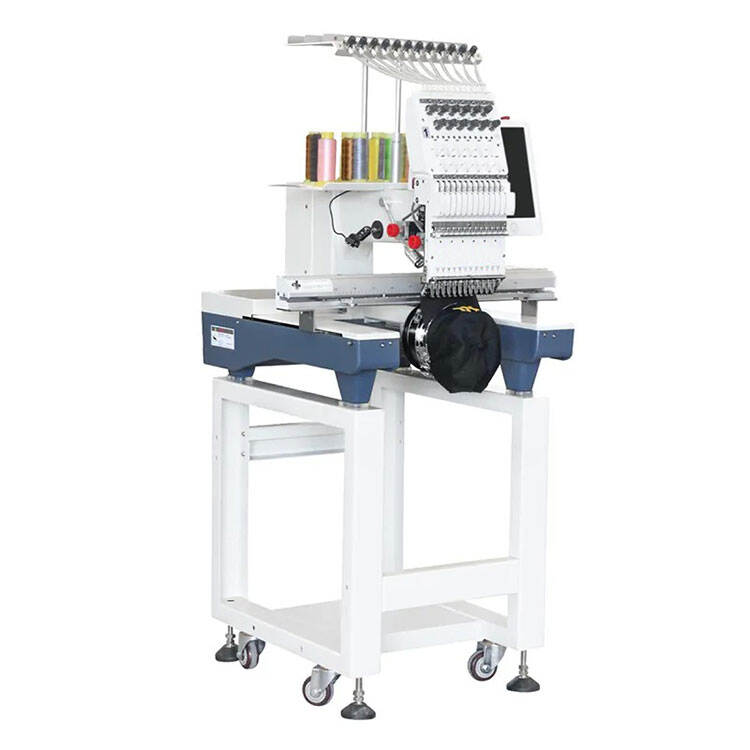
Modern manufacturing environments demand rigorous safety protocols, particularly in specialized operations like cap embroidery workstations. These sophisticated systems require comprehensive safety measures to protect operators while maintaining optimal productivity levels. Understanding the critical safety considerations for cap embroidery workstations ensures both regulatory compliance and worker wellbeing in industrial embroidery facilities.
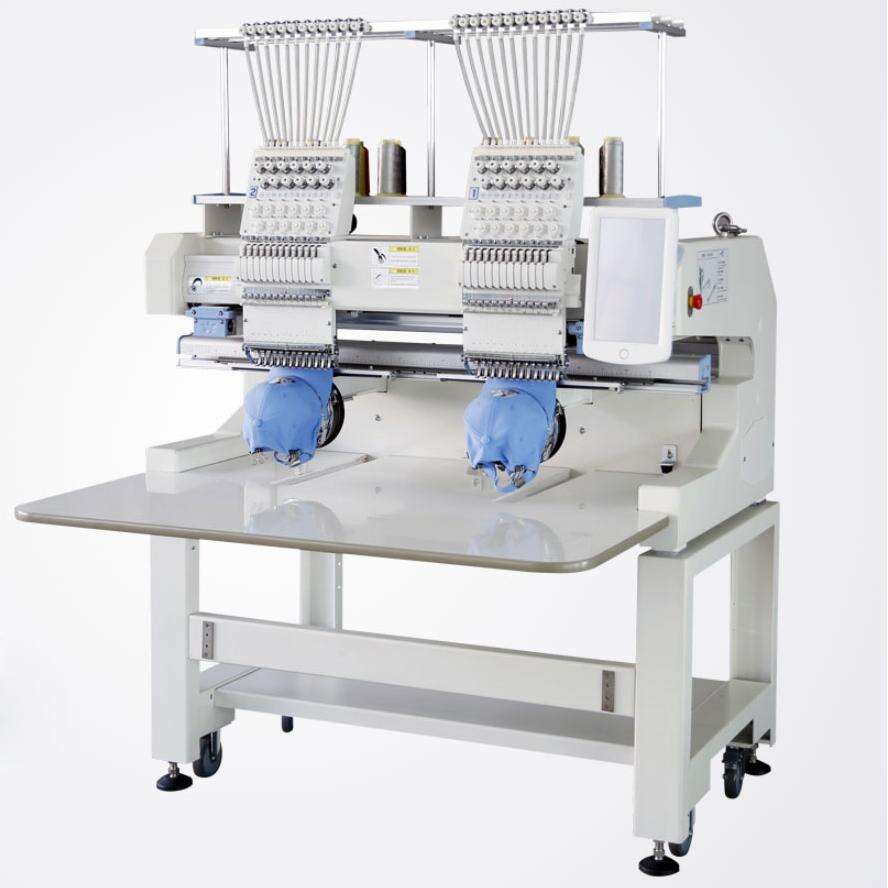
Essential Safety Infrastructure for Embroidery Operations
Machine Guarding and Physical Barriers
Proper machine guarding forms the foundation of safe cap embroidery workstations. Physical barriers must prevent operator contact with moving needle assemblies, rotating hoops, and automated positioning mechanisms. High-quality guarding systems incorporate interlocked safety gates that immediately halt machine operation when opened, ensuring operators cannot access dangerous areas during production cycles.
Emergency stop mechanisms should be strategically positioned around cap embroidery workstations for immediate accessibility. These systems must comply with international safety standards, featuring distinctive red mushroom-head buttons that remain easily identifiable under various lighting conditions. Regular testing and maintenance of these emergency systems prevents potential failures during critical situations.
Electrical Safety Systems
Electrical safety represents a paramount concern in cap embroidery workstations due to the complex electronic control systems involved. Ground fault circuit interrupters (GFCI) protect against electrical shock hazards, while proper grounding ensures safe electrical operation. All electrical components must meet appropriate IP ratings for the operating environment, preventing moisture intrusion and subsequent electrical failures.
Lockout/tagout procedures become essential when performing maintenance on cap embroidery workstations. These procedures ensure that all energy sources remain properly isolated during service activities, preventing unexpected machine startup that could endanger maintenance personnel. Clear identification of all energy isolation points simplifies these critical safety procedures.
Operator Training and Ergonomic Considerations
Comprehensive Training Programs
Effective operator training programs for cap embroidery workstations must address both technical operation and safety protocols. Training should encompass proper machine startup procedures, normal operating parameters, and emergency response protocols. Operators must understand the specific hazards associated with needle assemblies, thread tensioning systems, and automated positioning mechanisms.
Regular refresher training sessions help maintain safety awareness levels among operators of cap embroidery workstations. These sessions should incorporate lessons learned from near-miss incidents and industry best practices. Documentation of all training activities ensures compliance with safety regulations and provides evidence of due diligence in operator preparation.
Ergonomic Workstation Design
Proper ergonomic design of cap embroidery workstations reduces operator fatigue and associated safety risks. Adjustable work surfaces accommodate operators of varying heights, while proper lighting eliminates eye strain during detailed threading operations. Anti-fatigue mats provide comfort during extended standing periods, reducing the likelihood of operator errors due to physical discomfort.
Material handling considerations play a crucial role in cap embroidery workstations safety. Proper storage solutions keep thread supplies organized and easily accessible, reducing the need for excessive reaching or bending. Clear pathways around workstations prevent trips and falls while facilitating emergency evacuation procedures.
Maintenance Safety Protocols
Scheduled Maintenance Procedures
Systematic maintenance schedules for cap embroidery workstations prevent equipment failures that could compromise operator safety. Regular inspection of needle assemblies identifies wear patterns that might lead to breakage during operation. Lubrication schedules ensure smooth operation of mechanical components while preventing excessive heat buildup that could create fire hazards.
Documentation of maintenance activities provides crucial safety information for cap embroidery workstations. Maintenance logs should record all safety-related inspections, repairs, and component replacements. This documentation helps identify recurring issues that might indicate systemic safety concerns requiring engineering solutions.
Component Replacement Safety
Safe component replacement procedures for cap embroidery workstations require specific protocols to protect maintenance personnel. All moving parts must be completely stopped and locked out before beginning any replacement activities. Special tools designed for safe needle replacement prevent accidental puncture injuries during maintenance operations.
Quality control procedures ensure that replacement components meet original safety specifications for cap embroidery workstations. Using substandard components can compromise safety systems and create unexpected hazards. Proper verification of component specifications and certification prevents these dangerous situations from developing.
Environmental Safety Considerations
Air Quality Management
Air quality control around cap embroidery workstations addresses potential health hazards from thread fibers and lubricant vapors. Adequate ventilation systems remove airborne particles that could cause respiratory irritation or contribute to fire hazards. Local exhaust ventilation at thread cutting stations captures particles at their source, preventing distribution throughout the work area.
Regular air quality monitoring ensures that cap embroidery workstations maintain safe atmospheric conditions. Particle counters and air sampling procedures identify potential problems before they affect operator health. Proper filter maintenance in ventilation systems ensures continued effectiveness of air quality control measures.
Fire Prevention and Suppression
Fire safety considerations for cap embroidery workstations include both prevention and suppression systems. Proper housekeeping prevents accumulation of flammable thread waste and lint deposits. Regular cleaning schedules remove these materials before they can create fire hazards, particularly around heat-generating electrical components.
Automatic fire suppression systems provide rapid response capability for cap embroidery workstations. These systems must be designed specifically for the materials and equipment present in embroidery operations. Water-based systems might damage electronic components, while chemical suppression systems require special consideration for operator safety during activation.
Regulatory Compliance and Standards
International Safety Standards
Compliance with international safety standards ensures that cap embroidery workstations meet established safety benchmarks. Standards such as ISO 12100 provide fundamental safety principles for machinery design, while specific embroidery machine standards address unique hazards in these applications. Regular updates to these standards require ongoing evaluation of existing safety measures.
Documentation requirements for cap embroidery workstations include risk assessments, safety procedures, and training records. These documents demonstrate compliance with regulatory requirements and provide evidence of systematic safety management. Regular audits verify that documentation remains current and accurately reflects actual safety practices.
Inspection and Certification Programs
Third-party inspection programs validate safety measures for cap embroidery workstations through independent assessment. These inspections identify potential safety deficiencies that might be overlooked by internal evaluations. Certification programs provide formal recognition of safety compliance, often required for insurance coverage and customer contracts.
Continuous improvement programs utilize inspection findings to enhance safety measures for cap embroidery workstations. Regular review of safety performance data identifies trends and opportunities for improvement. These programs ensure that safety measures evolve with changing technology and industry best practices.
Emergency Response Procedures
Incident Response Planning
Comprehensive emergency response plans for cap embroidery workstations address various potential scenarios including needle stick injuries, electrical accidents, and fire emergencies. These plans must specify immediate response actions, notification procedures, and evacuation routes. Regular drills ensure that all personnel understand their roles during emergency situations.
First aid capabilities specifically designed for cap embroidery workstations address the most likely injury types. Needle stick injuries require immediate attention to prevent infection, while cuts from thread cutting tools need proper wound care. Trained first aid responders should be available during all operating shifts.
Communication Systems
Reliable communication systems enable rapid response to emergencies at cap embroidery workstations. Emergency communication devices must function independently of normal facility power systems, ensuring availability during electrical emergencies. Clear communication protocols prevent confusion during high-stress emergency situations.
Post-incident analysis procedures help improve safety measures for cap embroidery workstations. Thorough investigation of all safety incidents identifies root causes and prevents recurrence. These investigations should involve all relevant personnel and result in specific action plans for safety improvements.
FAQ
What are the most common safety hazards in cap embroidery workstations
The most common safety hazards in cap embroidery workstations include needle stick injuries from broken or improperly handled needles, cuts from thread cutting tools, electrical shock from improperly maintained equipment, and repetitive strain injuries from poor ergonomic practices. Eye strain and fatigue from detailed work can also lead to accidents if proper lighting and break schedules are not maintained.
How often should safety training be conducted for embroidery operators
Safety training for cap embroidery workstations operators should be conducted initially before beginning work, with annual refresher sessions to maintain awareness levels. Additional training is required whenever new equipment is installed, safety procedures are updated, or after any safety incident occurs. Regular short safety reminders during shift changes help maintain continuous safety awareness.
What personal protective equipment is required for cap embroidery operations
Personal protective equipment for cap embroidery workstations typically includes safety glasses to protect against flying thread particles and broken needles, cut-resistant gloves when handling sharp tools, and appropriate footwear with slip-resistant soles. Depending on the facility ventilation, respiratory protection might be necessary to prevent inhalation of thread fibers and dust particles.
How can ergonomic injuries be prevented at embroidery workstations
Preventing ergonomic injuries at cap embroidery workstations requires adjustable work surfaces to accommodate different operator heights, proper lighting to reduce eye strain, anti-fatigue mats for standing operations, and regular break schedules to prevent repetitive strain. Operators should be trained in proper posture techniques and encouraged to vary their working positions throughout their shifts.