

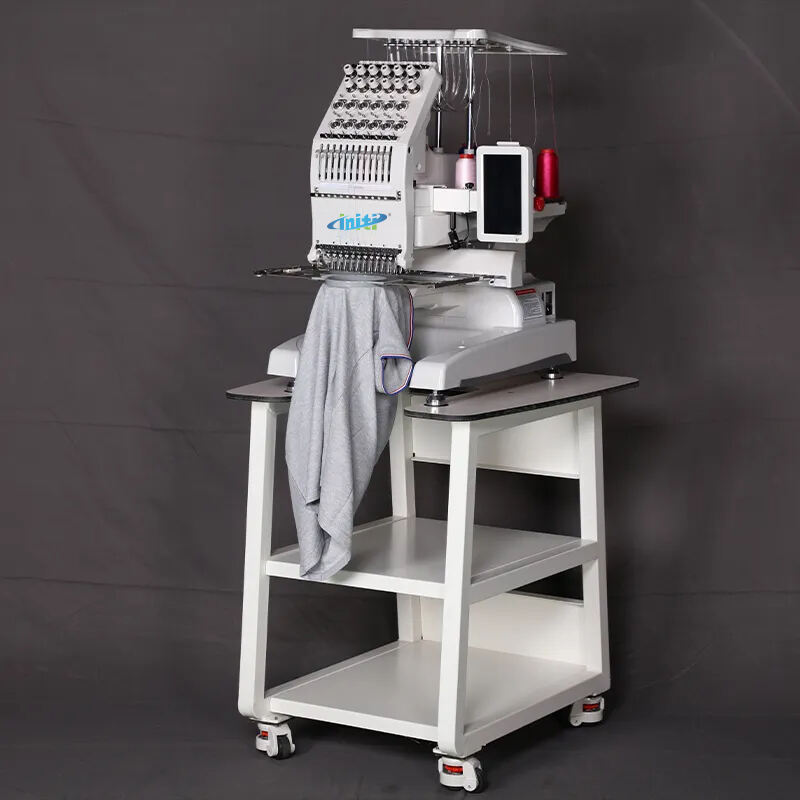
The cap embroidery industry has experienced tremendous growth in recent years, driven by increasing demand for customized headwear and promotional products. At the heart of this expansion lies the cap embroidery machine, a sophisticated piece of equipment that combines precision, speed, and safety to deliver exceptional results. Modern manufacturers and embroidery businesses must prioritize safety features when selecting equipment, as these machines operate at high speeds with sharp needles and moving parts that require careful consideration.
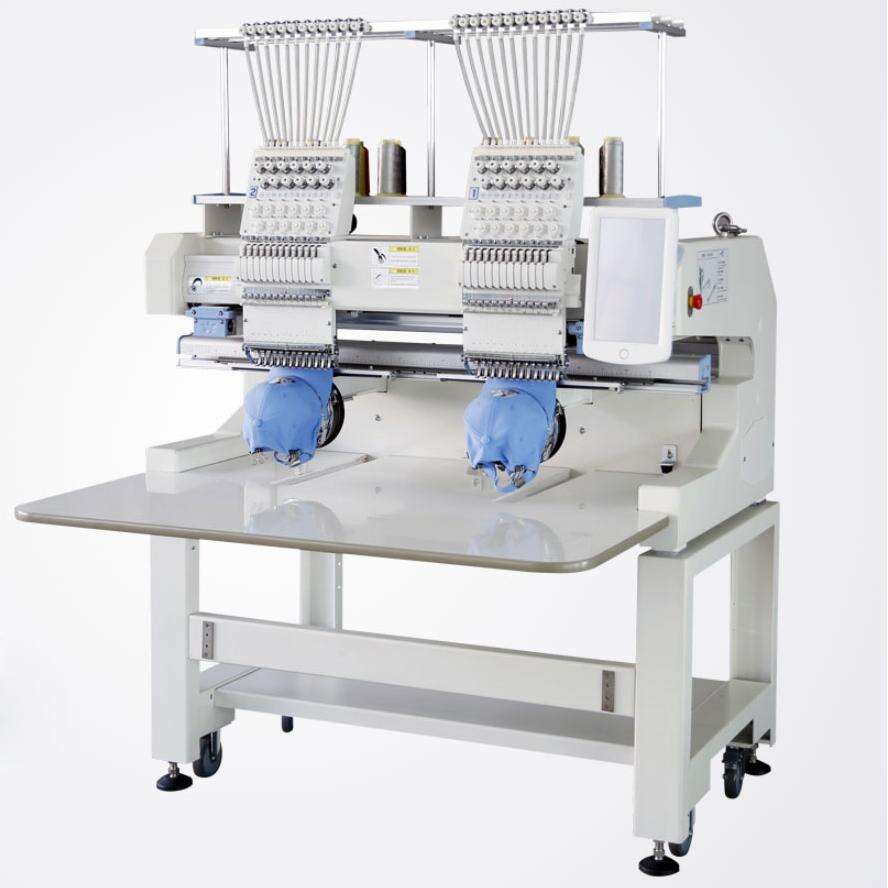
Safety considerations in cap embroidery operations extend beyond operator protection to include product quality, equipment longevity, and operational efficiency. When operators feel secure and confident while working with their cap embroidery machine, productivity increases significantly, and the risk of costly accidents decreases substantially. Understanding the essential safety features available in modern equipment helps businesses make informed purchasing decisions that protect their investment and workforce.
Core Safety Systems in Modern Cap Embroidery Equipment
Emergency Stop Mechanisms
Every reliable cap embroidery machine incorporates multiple emergency stop systems strategically positioned around the equipment for immediate access during operation. These systems typically include large, red emergency buttons that instantly halt all machine functions when pressed, preventing potential injuries and equipment damage. Advanced models feature electromagnetic braking systems that bring the machine to a complete stop within milliseconds of activation.
The positioning of emergency stops follows international safety standards, ensuring operators can reach them from any working position around the machine. Modern cap embroidery machines often include wireless emergency stop pendants that operators can wear, providing mobile safety control throughout the work area. Regular testing of these systems ensures they remain functional and responsive when needed most.
Protective Barriers and Guards
Contemporary cap embroidery machine designs incorporate comprehensive protective barriers that shield operators from moving parts while maintaining easy access for loading caps and performing routine maintenance. These guards are typically made from durable, transparent materials that allow operators to monitor the embroidery process while preventing accidental contact with needles and mechanical components.
Adjustable safety guards accommodate different cap sizes and embroidery configurations without compromising protection levels. Many modern systems feature interlocked safety barriers that automatically stop machine operation when opened, ensuring operators cannot accidentally expose themselves to dangerous moving parts during operation. The design of these protective systems balances accessibility with comprehensive safety coverage.
Needle Protection Features
Advanced needle protection systems in modern cap embroidery machines prevent needle breakage and protect operators from sharp, broken needle fragments. These systems include needle guards that contain broken pieces within the machine housing and automatic needle detection that stops operation when breakage occurs. Needle break sensors immediately alert operators to the issue and prevent continued operation with damaged needles.
Some sophisticated cap embroidery machine models feature needle replacement safety systems that guide operators through safe needle changing procedures. These systems often include automatic needle positioning that moves needles to safe replacement positions and provides clear visual indicators when needles are properly secured. Proper needle protection significantly reduces the risk of operator injury and maintains consistent embroidery quality.
Operator Safety and Ergonomic Considerations
Ergonomic Design Elements
Modern cap embroidery machine manufacturers prioritize ergonomic design to reduce operator fatigue and prevent repetitive stress injuries. Height-adjustable work surfaces accommodate operators of different statures, while strategically positioned controls minimize reaching and awkward positioning during operation. These ergonomic considerations directly contribute to safety by reducing operator fatigue that could lead to accidents.
Control panel positioning follows ergonomic principles, placing frequently used functions within easy reach while maintaining clear sight lines to the embroidery area. Many contemporary machines feature tilting control screens and adjustable lighting systems that reduce eye strain and improve visibility during detailed work. Comfortable working conditions enhance operator alertness and decision-making capabilities.
Training and Safety Protocols
Comprehensive operator training programs are essential components of cap embroidery machine safety systems. These programs cover proper machine operation, safety procedures, emergency response protocols, and routine maintenance requirements. Well-trained operators can identify potential safety issues before they become serious problems and respond appropriately to emergency situations.
Modern cap embroidery machines often include built-in training modes that allow new operators to practice machine operation without risk of damage or injury. Interactive safety tutorials guide operators through proper procedures and highlight potential hazards in a controlled learning environment. Regular safety refresher training ensures operators maintain awareness of safety protocols and stay current with equipment updates.
Advanced Safety Technologies
Sensor-Based Safety Systems
Contemporary cap embroidery machines incorporate sophisticated sensor networks that continuously monitor machine operation and identify potential safety concerns before they become hazardous. These sensors detect unusual vibrations, temperature variations, thread tensions, and mechanical irregularities that could indicate developing problems. Early detection allows for preventive maintenance that avoids equipment failures and potential safety incidents.
Motion sensors integrated into modern cap embroidery machine designs detect operator presence in safety zones and automatically adjust machine operation accordingly. These systems can slow operation speeds when operators are working near moving parts or stop operation entirely when safety zones are breached. Advanced sensor integration creates a dynamic safety environment that adapts to changing operational conditions.
Smart Monitoring and Alert Systems
Intelligent monitoring systems in advanced cap embroidery machines track equipment performance and operator behavior patterns to identify potential safety risks. These systems analyze historical data to predict when maintenance is needed and alert operators to developing issues before they compromise safety. Predictive maintenance capabilities reduce unexpected equipment failures that could create dangerous situations.
Real-time alert systems provide immediate notification of safety-related issues through visual displays, audible alarms, and mobile device notifications. These alerts include specific information about the nature of the problem and recommended response actions. Some systems can automatically contact maintenance personnel or supervisors when serious safety concerns are detected, ensuring rapid response to potential hazards.
Maintenance Safety Features
Safe Maintenance Access
Modern cap embroidery machine designs prioritize safe maintenance access through carefully planned service points and maintenance procedures. Equipment manufacturers design maintenance access points to minimize exposure to hazardous components while providing technicians with the visibility and reach needed for effective service. Clear maintenance procedures guide technicians through safe service protocols.
Lockout/tagout systems integrated into contemporary machines ensure equipment cannot be accidentally activated during maintenance procedures. These systems provide multiple isolation points for electrical, pneumatic, and mechanical energy sources, creating a safe working environment for maintenance personnel. Visual indicators confirm when all energy sources are properly isolated and secured.
Component Accessibility and Safety
Strategic component placement in modern cap embroidery machines ensures maintenance technicians can access necessary parts without exposing themselves to unnecessary risks. Frequently serviced components are positioned for easy access, while potentially hazardous components are protected by appropriate barriers and safety systems. Clear component identification and safety warnings guide technicians through proper service procedures.
Modular component designs allow for safe replacement of parts without extensive disassembly of surrounding equipment. This approach reduces maintenance time and minimizes exposure to potential hazards during service procedures. Cap embroidery machine manufacturers increasingly adopt modular approaches that enhance both safety and serviceability.
Environmental Safety Considerations
Workspace Safety Integration
Modern cap embroidery machine installations require careful consideration of workplace safety factors including adequate lighting, ventilation, and emergency access routes. Proper workspace design ensures operators have sufficient room to work safely and emergency personnel can access the equipment quickly if needed. Workplace safety assessments should address both normal operating conditions and emergency response requirements.
Electrical safety considerations for cap embroidery machine installations include proper grounding, circuit protection, and electrical code compliance. Professional electrical installations ensure equipment operates safely and reduces the risk of electrical accidents. Regular electrical system inspections maintain safety standards and identify potential issues before they become hazardous.
Fire Safety and Prevention
Fire prevention systems specific to cap embroidery machine operations address potential ignition sources including electrical components, friction from high-speed operation, and lint accumulation from thread materials. Proper housekeeping procedures minimize combustible material accumulation, while regular cleaning maintains safe operating conditions. Fire suppression systems designed for textile manufacturing environments provide appropriate protection for embroidery operations.
Emergency evacuation procedures specific to cap embroidery machine areas ensure operators can safely exit the workspace in case of fire or other emergencies. Clear evacuation routes must remain unobstructed, and emergency lighting systems should illuminate exit paths during power outages. Regular emergency drills help operators respond quickly and safely to emergency situations.
Quality Control and Safety Integration
Safety-Quality Relationships
The relationship between safety systems and quality control in cap embroidery machine operations demonstrates how proper safety measures contribute to consistent product quality. When equipment operates within safe parameters, embroidery quality remains consistent and predictable. Safety systems that prevent equipment damage also maintain the precision required for high-quality embroidery production.
Quality control systems integrated with safety features provide operators with real-time feedback about both product quality and equipment safety status. These integrated systems help operators maintain optimal operating conditions that produce quality embroidery while protecting equipment and personnel. Continuous monitoring of both quality and safety parameters ensures optimal performance across all operational aspects.
Documentation and Compliance
Comprehensive documentation of safety procedures and compliance records demonstrates commitment to safe cap embroidery machine operation and regulatory compliance. Proper documentation includes safety training records, maintenance logs, incident reports, and equipment inspection records. These documents provide evidence of safety program effectiveness and support continuous improvement efforts.
Regulatory compliance for cap embroidery machine operations varies by jurisdiction but typically includes occupational safety standards, electrical codes, and building safety requirements. Understanding applicable regulations helps businesses maintain compliance and avoid penalties while protecting workers and equipment. Regular compliance audits identify areas for improvement and ensure ongoing adherence to safety standards.
FAQ
What are the most critical safety features to look for when purchasing a cap embroidery machine
The most critical safety features include emergency stop systems accessible from multiple positions, protective guards for moving parts, needle break detection systems, and interlocked safety barriers. Additionally, look for ergonomic design elements that reduce operator fatigue, comprehensive sensor systems for monitoring equipment condition, and built-in safety training capabilities. These features work together to create a comprehensive safety environment that protects operators while maintaining productivity.
How often should safety systems on cap embroidery machines be tested and maintained
Emergency stop systems should be tested daily before operation begins, while protective guards and safety barriers should be inspected weekly for proper function and positioning. Sensor-based safety systems require monthly calibration and testing to ensure accurate operation. Annual professional inspections by qualified technicians should evaluate all safety systems comprehensively and identify any components requiring replacement or adjustment.
What training should operators receive for safe cap embroidery machine operation
Operators should receive comprehensive initial training covering machine operation, safety procedures, emergency response protocols, and basic maintenance requirements. This training should include hands-on practice with safety systems, proper lifting techniques for handling caps and materials, and recognition of potential hazards. Regular refresher training should update operators on new safety procedures and reinforce proper safety practices throughout their employment.
How do modern safety features impact cap embroidery machine productivity
Modern safety features actually enhance productivity by reducing downtime from accidents, equipment damage, and operator injuries. Predictive maintenance systems prevent unexpected breakdowns that could halt production for extended periods. Ergonomic design features reduce operator fatigue, allowing for longer productive work periods with fewer breaks. While safety systems may slightly reduce maximum operating speeds, the overall impact on productivity is positive due to improved reliability and reduced interruptions.
Table of Contents
- Core Safety Systems in Modern Cap Embroidery Equipment
- Operator Safety and Ergonomic Considerations
- Advanced Safety Technologies
- Maintenance Safety Features
- Environmental Safety Considerations
- Quality Control and Safety Integration
-
FAQ
- What are the most critical safety features to look for when purchasing a cap embroidery machine
- How often should safety systems on cap embroidery machines be tested and maintained
- What training should operators receive for safe cap embroidery machine operation
- How do modern safety features impact cap embroidery machine productivity