

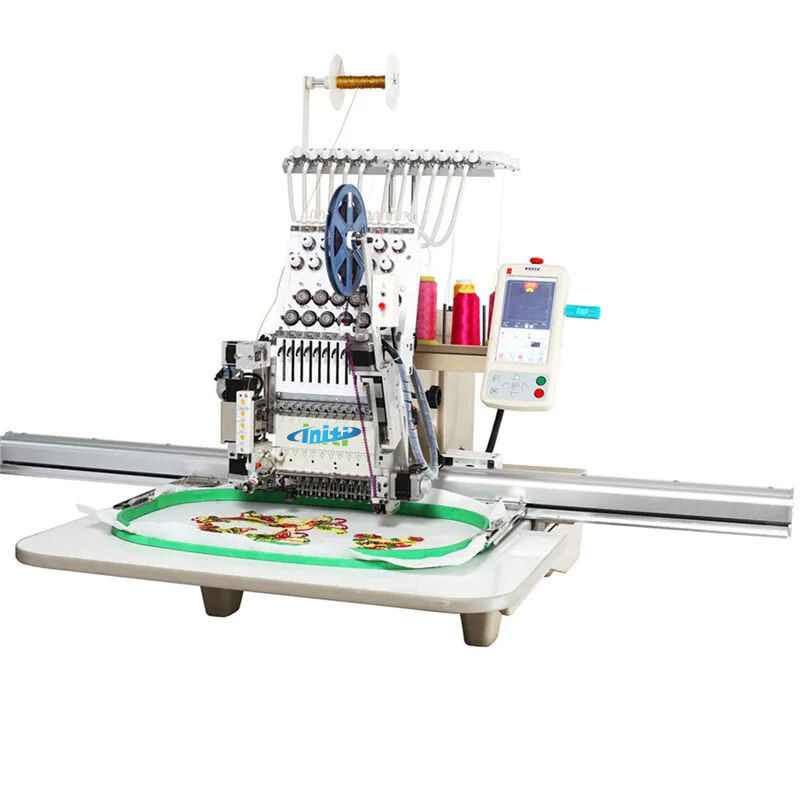
Modern textile manufacturing demands exceptional precision, and computerized embroidery has revolutionized how manufacturers achieve consistent, high-quality decorative stitching across diverse fabric applications. Leading manufacturers worldwide rely on advanced automated embroidery systems to meet stringent quality standards while maintaining efficient production rates. The integration of digital technology with traditional embroidery craftsmanship enables manufacturers to produce intricate designs with remarkable accuracy and repeatability.
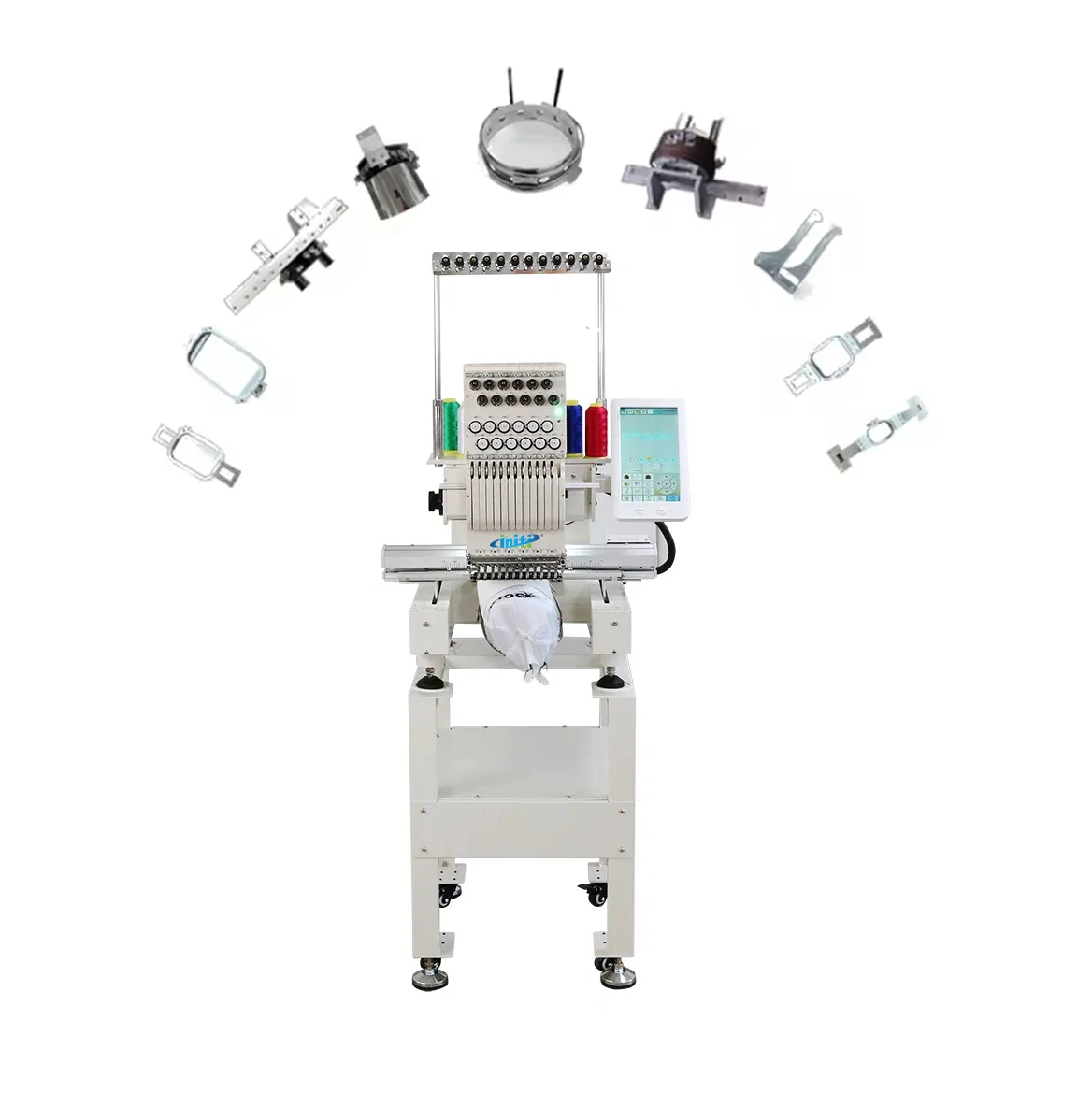
The transition from manual embroidery techniques to computerized embroidery systems represents a fundamental shift in manufacturing capabilities. Top-tier manufacturers understand that precision in computerized embroidery extends far beyond simple stitch placement, encompassing thread tension control, fabric handling, and synchronized mechanical movements. These sophisticated systems enable manufacturers to execute complex multi-color designs with microscopic accuracy, ensuring consistent results across thousands of production units.
Advanced Machine Calibration Techniques
Precision Alignment Systems
Professional manufacturers implement comprehensive machine calibration protocols to ensure optimal performance in their computerized embroidery operations. These calibration procedures involve precise alignment of mechanical components, including needle positioning systems, thread guides, and fabric clamps. Regular calibration schedules maintain accuracy tolerances within hundredths of millimeters, preventing gradual drift that could compromise embroidery quality over extended production runs.
Advanced laser alignment tools enable technicians to verify mechanical precision across all axes of movement in computerized embroidery systems. This meticulous attention to calibration ensures that every stitch placement matches the digital design specifications exactly. Manufacturers often establish dedicated calibration stations where machines undergo systematic adjustments before returning to production environments.
Thread Tension Optimization
Thread tension control represents a critical factor in achieving precision within computerized embroidery processes. Leading manufacturers employ sophisticated tension monitoring systems that automatically adjust thread delivery rates based on fabric characteristics and design requirements. These intelligent systems prevent thread breakage while maintaining consistent stitch formation across varying embroidery densities and directional changes.
Electronic tension sensors continuously monitor thread behavior during computerized embroidery operations, providing real-time feedback to control systems. This dynamic adjustment capability ensures optimal thread performance regardless of environmental conditions or material variations. Manufacturers typically maintain detailed tension profiles for different thread types and fabric combinations to streamline setup procedures and minimize production delays.
Digital Design Integration Strategies
CAD Software Implementation
Top manufacturers leverage sophisticated computer-aided design software specifically developed for computerized embroidery applications. These specialized programs enable designers to create intricate patterns while automatically generating machine-readable instruction sets that control every aspect of the stitching process. Advanced CAD systems incorporate fabric simulation capabilities, allowing designers to preview how designs will appear on different textile substrates before production begins.
Professional design software for computerized embroidery includes advanced digitizing tools that convert artwork into precise stitch sequences. These programs analyze design complexity and automatically optimize stitch paths to minimize thread changes and production time while maintaining visual quality. Leading manufacturers invest in comprehensive training programs to ensure their design teams maximize the capabilities of these sophisticated software platforms.
Pattern Verification Protocols
Rigorous pattern verification procedures form the foundation of precision manufacturing in computerized embroidery operations. Manufacturers implement multi-stage review processes that examine design files for potential production issues before transferring patterns to embroidery machines. These verification protocols include automated checks for thread count optimization, stitch density analysis, and potential mechanical conflicts that could compromise production efficiency.
Digital simulation capabilities enable manufacturers to test computerized embroidery patterns virtually, identifying potential problems before actual production begins. These simulation systems model thread behavior, fabric interaction, and mechanical movements to predict final embroidery appearance and quality. Advanced verification software can detect issues such as excessive stitch density, inadequate underlay stitching, or problematic design elements that might cause production difficulties.
Quality Control Methodologies
Real-Time Monitoring Systems
Modern computerized embroidery facilities employ comprehensive monitoring systems that track production quality in real-time. These systems utilize advanced sensors and cameras to inspect stitch formation continuously during the embroidery process. Automated quality control systems can detect thread breaks, needle deflection, and fabric positioning errors within seconds of occurrence, enabling immediate corrective action to maintain precision standards.
Integrated monitoring platforms collect extensive data on every aspect of computerized embroidery production, from individual stitch placement accuracy to overall pattern completion rates. This data enables manufacturers to identify trends and potential issues before they impact product quality. Sophisticated analytics tools process monitoring data to generate actionable insights that drive continuous improvement in embroidery precision and efficiency.
State-of-the-art computerized embroidery systems incorporate multiple feedback mechanisms that ensure consistent quality throughout production cycles. These systems monitor thread consumption, stitch count accuracy, and pattern registration to maintain precise manufacturing standards.
Statistical Process Control
Leading manufacturers implement statistical process control methodologies to maintain consistent precision in their computerized embroidery operations. These systematic approaches involve regular sampling of finished products to measure key quality parameters and identify variations that might indicate equipment drift or process instability. Statistical analysis of embroidery data enables manufacturers to establish control limits and implement preventive maintenance schedules that optimize machine performance.
Comprehensive data collection systems track multiple quality metrics simultaneously across all computerized embroidery machines in a facility. This information enables manufacturers to compare performance between different machines and identify best practices that can be implemented facility-wide. Statistical process control charts provide visual indicators of quality trends, enabling rapid response to any deviations from established precision standards.
Maintenance and Preventive Care
Scheduled Maintenance Programs
Professional manufacturers establish comprehensive maintenance schedules specifically designed for computerized embroidery equipment to ensure consistent precision performance. These programs include daily, weekly, and monthly maintenance tasks that address all critical mechanical and electronic components. Regular maintenance prevents gradual degradation of precision capabilities and extends equipment lifespan significantly compared to reactive maintenance approaches.
Preventive maintenance protocols for computerized embroidery systems encompass lubrication schedules, belt tension adjustments, and electronic system diagnostics. Trained technicians perform systematic inspections of mechanical components, replacing wear items before they impact embroidery quality. These proactive maintenance strategies minimize unexpected downtime and maintain consistent production precision across extended operating periods.
Component Replacement Strategies
Strategic component replacement programs ensure that computerized embroidery machines maintain optimal precision throughout their operational lifespan. Manufacturers track component usage and performance metrics to predict when critical parts will require replacement before they affect embroidery quality. This predictive approach prevents precision degradation and maintains consistent production standards.
Professional maintenance teams maintain comprehensive inventories of critical replacement parts for computerized embroidery equipment, enabling rapid component exchanges when necessary. These inventory management systems ensure that high-wear items such as needles, thread guides, and mechanical bearings are always available for immediate replacement. Strategic parts management minimizes production disruptions while maintaining precision manufacturing capabilities.
Environmental Control Factors
Climate Management Systems
Environmental conditions significantly impact precision in computerized embroidery manufacturing, requiring sophisticated climate control systems to maintain optimal operating conditions. Temperature and humidity fluctuations can affect thread behavior, fabric stability, and mechanical precision in embroidery equipment. Leading manufacturers invest in comprehensive HVAC systems that maintain stable environmental conditions throughout their production facilities.
Controlled manufacturing environments for computerized embroidery operations typically maintain temperature ranges between 68-72 degrees Fahrenheit with relative humidity levels between 45-55 percent. These conditions optimize thread performance and fabric handling while minimizing static electricity buildup that could interfere with precision stitching operations. Environmental monitoring systems continuously track conditions and automatically adjust climate control systems to maintain optimal parameters.
Vibration Isolation Techniques
Mechanical vibrations from building infrastructure or nearby equipment can compromise precision in computerized embroidery operations, requiring specialized isolation techniques to maintain accuracy standards. Professional manufacturers install vibration-dampening foundations and isolation systems that prevent external disturbances from affecting delicate embroidery processes. These systems ensure that precision stitching operations remain unaffected by environmental factors beyond direct control.
Advanced vibration monitoring systems detect and analyze mechanical disturbances that could impact computerized embroidery precision. These systems enable manufacturers to identify vibration sources and implement appropriate isolation measures to protect embroidery quality. Proper vibration control ensures that high-speed embroidery operations maintain precision even in challenging industrial environments with multiple sources of mechanical disturbance.
Training and Skill Development
Operator Certification Programs
Comprehensive operator training programs ensure that personnel possess the skills necessary to maintain precision standards in computerized embroidery manufacturing. These certification programs cover machine operation, quality control procedures, and troubleshooting techniques specific to automated embroidery systems. Well-trained operators can identify potential precision issues before they impact product quality and implement corrective measures quickly and effectively.
Professional training curricula for computerized embroidery operators include hands-on experience with different machine types, fabric handling techniques, and quality assessment procedures. These programs ensure that operators understand the relationship between machine settings, material properties, and final embroidery quality. Ongoing training updates keep operators current with advancing technology and evolving best practices in precision embroidery manufacturing.
Continuous Education Initiatives
Leading manufacturers implement continuous education programs that keep their teams updated on advancing technologies and techniques in computerized embroidery manufacturing. These initiatives include regular workshops, technical seminars, and collaboration with equipment manufacturers to ensure that staff members remain proficient with evolving precision manufacturing capabilities. Continuous learning environments foster innovation and improvement in embroidery quality and efficiency.
Professional development programs for computerized embroidery personnel often include cross-training initiatives that broaden skill sets and increase operational flexibility. These comprehensive training approaches enable teams to adapt quickly to new technologies and production requirements while maintaining consistent precision standards. Investment in personnel development directly correlates with improved manufacturing quality and reduced production variability.
FAQ
What factors most significantly impact precision in computerized embroidery manufacturing
The most critical factors affecting computerized embroidery precision include machine calibration accuracy, thread tension control, environmental stability, and operator skill levels. Proper calibration ensures mechanical components operate within specified tolerances, while consistent thread tension prevents stitch formation variations. Stable environmental conditions minimize material behavior changes, and skilled operators can identify and address precision issues quickly. Regular maintenance and quality monitoring systems also play essential roles in maintaining consistent precision throughout production cycles.
How frequently should computerized embroidery machines undergo calibration procedures
Professional computerized embroidery operations typically implement daily pre-production calibration checks and comprehensive weekly calibration procedures. Daily checks verify basic alignment and functionality, while weekly procedures include detailed mechanical adjustments and precision verification. High-volume production environments may require more frequent calibration, particularly when processing challenging materials or complex designs. Manufacturers should establish calibration schedules based on production volume, design complexity, and observed precision drift patterns in their specific operating environment.
What role does software play in maintaining embroidery precision standards
Advanced software systems control every aspect of computerized embroidery precision, from initial design digitization through final quality verification. CAD software optimizes stitch patterns for maximum precision while minimizing production time and material waste. Real-time monitoring software tracks machine performance and alerts operators to potential precision issues immediately. Statistical analysis software processes quality data to identify trends and optimize maintenance schedules. Integration of these software systems creates comprehensive precision management capabilities that exceed manual monitoring and control methods.
How do environmental conditions affect computerized embroidery precision outcomes
Environmental conditions significantly influence computerized embroidery precision through their effects on materials and mechanical components. Temperature fluctuations cause fabric expansion and contraction that can disrupt pattern registration and stitch placement accuracy. Humidity variations affect thread behavior and static electricity buildup, potentially causing feeding problems and thread breaks. Vibrations from external sources can disrupt delicate mechanical movements during high-speed embroidery operations. Professional manufacturing facilities maintain controlled environments with stable temperature, humidity, and vibration isolation to optimize computerized embroidery precision consistently.
Table of Contents
- Advanced Machine Calibration Techniques
- Digital Design Integration Strategies
- Quality Control Methodologies
- Maintenance and Preventive Care
- Environmental Control Factors
- Training and Skill Development
-
FAQ
- What factors most significantly impact precision in computerized embroidery manufacturing
- How frequently should computerized embroidery machines undergo calibration procedures
- What role does software play in maintaining embroidery precision standards
- How do environmental conditions affect computerized embroidery precision outcomes