

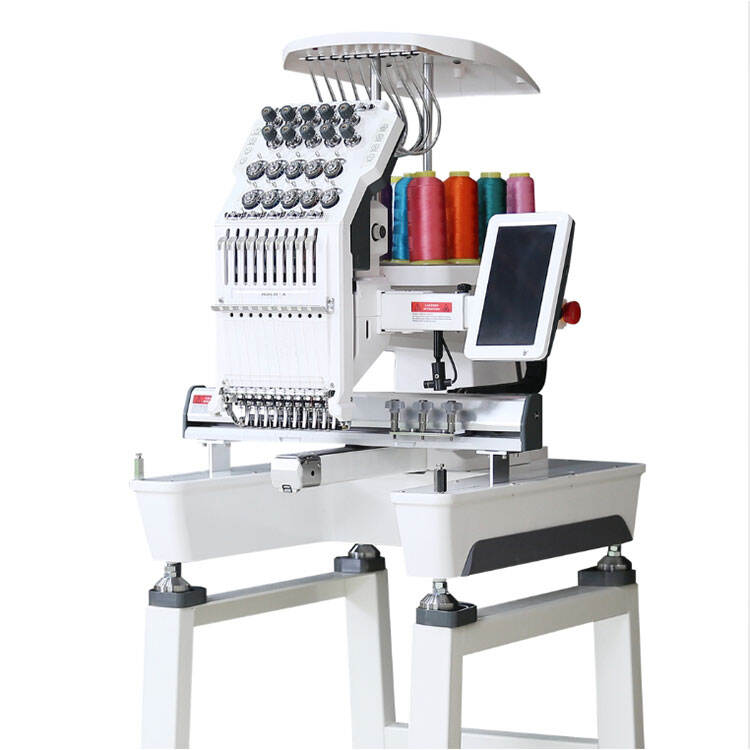
Operating embroidery equipment in home and studio environments requires careful consideration of safety features and proper machine selection. A safe embroidery sewing machine incorporates multiple protective mechanisms that prevent accidents while ensuring consistent, high-quality stitching results. Modern embroidery machines have evolved significantly from their industrial predecessors, offering enhanced safety protocols specifically designed for domestic and small studio applications. Understanding these safety features becomes crucial when selecting equipment that will be operated by individuals with varying skill levels and in spaces where safety protocols may be less stringent than commercial facilities.
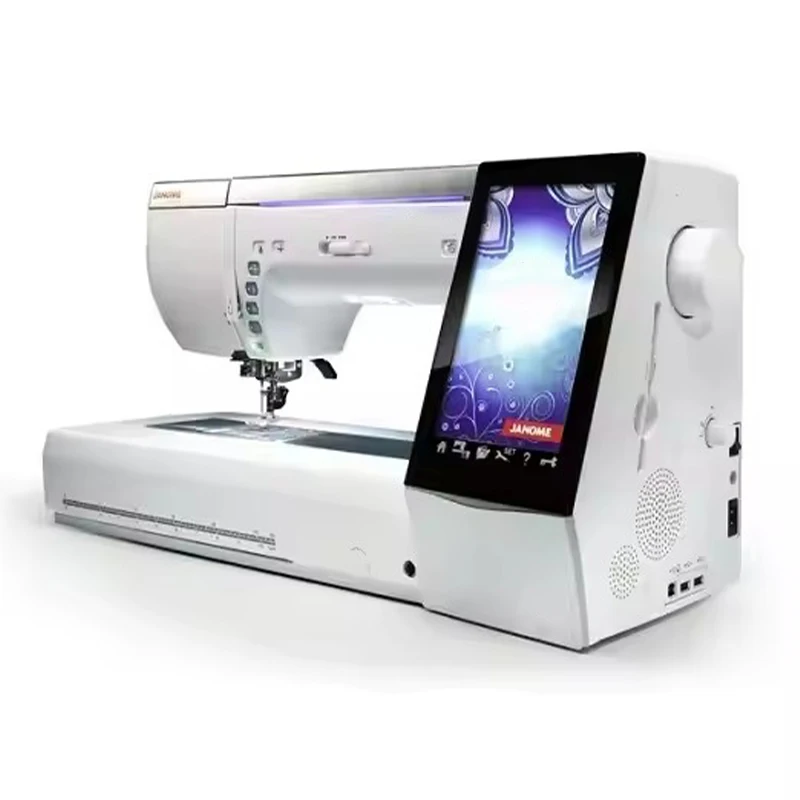
The importance of safety in embroidery work extends beyond operator protection to include equipment longevity and project quality. When accidents occur due to inadequate safety features, they often result in damaged materials, broken needles, thread tangles, and potentially costly repairs. Professional embroiderers and hobbyists alike recognize that investing in a safe embroidery sewing machine ultimately saves time, money, and reduces stress associated with equipment malfunctions. Safety features also contribute to more consistent embroidery results by preventing common operational errors that can compromise design quality.
Essential Safety Features for Embroidery Machines
Automatic Thread Tension Control Systems
Thread tension control represents one of the most critical safety and quality features in modern embroidery machines. Improper thread tension can cause needle breaks, fabric puckering, and potentially dangerous needle deflection during operation. A safe embroidery sewing machine incorporates automatic tension adjustment that responds to different thread types, fabric weights, and stitch densities. These systems continuously monitor thread resistance and make micro-adjustments to maintain optimal tension throughout the embroidery process.
Advanced tension control mechanisms include sensor-based feedback systems that detect when thread tension exceeds safe parameters. When dangerous conditions are detected, these systems either adjust tension automatically or pause operation to prevent damage. This feature proves particularly valuable when working with delicate threads like metallic or specialty fibers that are prone to breakage under excessive tension. The automatic adjustment capability reduces operator fatigue and eliminates the guesswork associated with manual tension settings.
Emergency Stop Mechanisms and Safety Sensors
Emergency stop functionality provides immediate machine shutdown when potentially dangerous conditions arise during embroidery operations. Modern machines incorporate multiple emergency stop triggers, including physical buttons, sensor-based detection systems, and software-controlled safety protocols. These mechanisms ensure that operators can quickly halt machine operation without risking injury or equipment damage. Emergency stop systems prove especially important in studio environments where multiple people may be present during machine operation.
Safety sensors monitor various operational parameters including needle position, hoop movement, and thread flow. When sensors detect abnormal conditions such as thread breaks, hoop interference, or needle deflection, they trigger automatic shutdown sequences. These sensor systems represent a significant advancement over older embroidery machines that relied solely on operator observation to detect problems. A truly safe embroidery sewing machine integrates multiple sensor types to provide comprehensive monitoring of all critical operational aspects.
Needle Safety and Protection Systems
Needle Guard and Deflection Prevention
Needle-related injuries represent some of the most common accidents in embroidery work, making needle protection systems essential safety features. Effective needle guards provide physical barriers that prevent accidental contact while allowing clear visibility of the stitching area. These guards are typically designed to deflect or absorb impact from accidental contact, protecting both the operator and the needle mechanism. Modern designs balance protection with accessibility, ensuring that operators can perform necessary thread changes and maintenance without compromising safety.
Needle deflection prevention systems monitor needle alignment and detect when needles begin to bend or deflect during operation. When deflection is detected, these systems automatically stop machine operation before the needle can break or cause damage to the machine mechanism. This proactive approach prevents the dangerous situation where broken needle fragments can become projectiles. Quality needle protection systems also include automatic needle position detection that ensures needles are properly seated before allowing machine operation to commence.
Automated Needle Threading and Insertion
Manual needle threading and insertion can create safety risks, particularly in low-light conditions or when operators are working with fine threads and small needle eyes. Automated threading systems eliminate the need for operators to position their hands and faces close to sharp needle points. These systems use mechanical or pneumatic mechanisms to guide thread through needle eyes with precision and consistency. The automation reduces eye strain and eliminates the risk of needle puncture injuries during setup procedures.
Automated needle insertion systems ensure proper needle seating and alignment before embroidery operations begin. These systems verify that needles are correctly positioned and securely fastened, preventing loose needles that could fall or shift during operation. Some advanced systems include needle type recognition that automatically adjusts machine settings based on the installed needle configuration. This feature helps ensure that machine parameters are optimized for the specific needle type being used, reducing the risk of operational problems.
Electrical Safety and Power Management
Circuit Protection and Electrical Isolation
Electrical safety forms a fundamental aspect of safe embroidery sewing machine design, particularly for equipment intended for home and studio use where electrical installation standards may vary. Modern machines incorporate multiple layers of electrical protection including surge suppressors, circuit breakers, and ground fault protection. These systems protect both operators and equipment from electrical hazards such as power surges, short circuits, and ground faults that could cause fires or electrical shock.
Electrical isolation systems separate control circuits from power circuits, reducing the risk of electrical shock during routine maintenance and operation. This isolation ensures that control panel interfaces operate at safe voltage levels even when the machine's motor systems require higher power levels. Quality electrical isolation also reduces electromagnetic interference that can affect machine operation and nearby electronic devices. Proper electrical design includes clearly marked disconnect switches that allow operators to completely isolate the machine from electrical power when performing maintenance.
Power Supply Stabilization and Protection
Unstable power supplies can cause erratic machine behavior that creates safety hazards and compromises embroidery quality. Advanced power management systems regulate voltage and frequency to ensure consistent machine operation regardless of power grid fluctuations. These systems include battery backup capabilities that provide controlled shutdown during power outages, preventing abrupt stops that could damage work in progress or create safety hazards.
Power protection systems monitor electrical consumption and automatically limit power draw to prevent overheating and electrical system stress. When electrical demands exceed safe parameters, these systems either adjust machine operation or initiate controlled shutdown procedures. This protection proves particularly important when operating multiple machines in studio environments where electrical capacity may be limited. A safe embroidery sewing machine includes comprehensive power monitoring that provides early warning of potential electrical problems.
Mechanical Safety and Stability Features
Frame Stability and Vibration Control
Machine stability directly impacts both safety and embroidery quality, as unstable machines can shift during operation, potentially causing accidents or damaging work pieces. Robust frame construction with low center of gravity design prevents machine movement during high-speed operations. Quality frames incorporate vibration dampening materials that absorb operational vibrations and prevent them from transferring to work surfaces. This stability becomes particularly important when working on detailed embroidery projects that require precise needle placement.
Adjustable leveling systems allow operators to ensure machines remain stable on uneven surfaces commonly found in home workshops and studios. These systems typically include adjustable feet or leveling mechanisms that compensate for surface irregularities while maintaining machine alignment. Some advanced systems include accelerometer-based monitoring that detects excessive vibration or movement and alerts operators to potential stability issues before they become safety hazards.
Moving Parts Protection and Guarding
Embroidery machines contain numerous moving parts including drive belts, gears, and rotating mechanisms that pose potential injury risks if not properly guarded. Effective guarding systems provide complete enclosure of moving parts while allowing necessary access for maintenance and adjustment. These guards are typically designed with interlocking mechanisms that prevent machine operation when guards are removed, ensuring operators cannot accidentally contact moving parts during operation.
Moving parts protection extends beyond physical guarding to include monitoring systems that detect when moving parts are operating outside normal parameters. These systems can identify bearing wear, belt slippage, or other mechanical issues that could lead to sudden mechanical failure. Early detection allows for preventive maintenance that avoids potentially dangerous mechanical failures during operation. Quality protection systems also include lubrication monitoring that ensures moving parts remain properly lubricated to prevent wear and overheating.
Workspace Safety and Ergonomic Design
Lighting and Visibility Enhancement
Adequate lighting is crucial for safe embroidery machine operation, as poor visibility can lead to threading errors, fabric positioning mistakes, and potential accidents. Modern machines incorporate LED lighting systems that provide bright, even illumination of the work area without generating excessive heat. These lighting systems are typically adjustable to accommodate different project requirements and operator preferences. Quality lighting design eliminates shadows and glare that can impair visibility and contribute to operator fatigue.
Advanced lighting systems include automatic brightness adjustment that responds to ambient lighting conditions, ensuring consistent visibility throughout extended work sessions. Some systems incorporate color temperature adjustment that provides optimal lighting for different thread and fabric combinations. This attention to lighting quality reduces eye strain and helps operators identify potential problems before they develop into safety hazards. Proper lighting also contributes to better embroidery quality by enabling more accurate color matching and stitch placement.
Ergonomic Controls and Interface Design
Ergonomic design principles play a crucial role in embroidery machine safety by reducing operator fatigue and preventing repetitive strain injuries. Control interfaces are positioned to minimize reaching and awkward positioning while providing clear visibility of all operational indicators. Button and switch designs provide tactile feedback that allows operators to make adjustments without taking their eyes off the embroidery work. This design approach reduces the risk of accidents caused by operator distraction or awkward positioning.
Height-adjustable work surfaces and seating compatibility ensure that operators can maintain proper posture during extended embroidery sessions. Adjustable positioning reduces back strain and neck tension that can lead to operator fatigue and increased accident risk. Some advanced machines include memory settings that automatically adjust to preferred operator positions, ensuring consistent ergonomic setup for multiple users in studio environments.
Maintenance Safety and Accessibility
Safe Maintenance Procedures and Access
Regular maintenance is essential for safe embroidery machine operation, but maintenance procedures themselves can create safety hazards if not properly designed. Safe embroidery sewing machine designs incorporate maintenance access points that allow necessary servicing without requiring operators to reach into dangerous areas or disable safety systems. Maintenance documentation includes specific safety procedures and warnings about potential hazards associated with each maintenance task.
Maintenance scheduling systems provide automated reminders for routine maintenance tasks, helping ensure that safety-critical components receive proper attention. These systems track operational hours and cycles to determine when maintenance is due, preventing the degradation of safety systems due to neglect. Some advanced systems include diagnostic capabilities that identify specific maintenance needs and provide detailed guidance for safe completion of required tasks.
Component Accessibility and Replacement Safety
Component replacement procedures require careful attention to safety, particularly when working with sharp components like needles and cutting mechanisms. Safe designs provide clear access to user-replaceable components while maintaining protection for components that require professional service. Component replacement procedures include specific safety steps such as power disconnection, pressure relief, and proper disposal of worn components.
Tool requirements for maintenance and component replacement are minimized in safe embroidery machine designs, reducing the risk of accidents associated with inappropriate tool use. When specialized tools are required, machines include secure storage locations and clear identification of proper tool specifications. This approach ensures that operators use appropriate tools and reduces the temptation to improvise with potentially dangerous alternatives.
Technology Integration for Enhanced Safety
Smart Monitoring and Diagnostic Systems
Modern embroidery machines incorporate sophisticated monitoring systems that continuously assess operational parameters and safety conditions. These systems use multiple sensors to monitor temperature, vibration, electrical consumption, and mechanical wear patterns. When monitoring systems detect conditions that could lead to safety hazards, they provide early warnings that allow operators to take corrective action before problems escalate. This predictive approach to safety management represents a significant advancement over reactive safety systems that only respond after problems occur.
Diagnostic capabilities extend beyond simple monitoring to include analysis of operational patterns that can identify developing safety issues. These systems can detect subtle changes in operational characteristics that indicate bearing wear, belt degradation, or electrical system problems. By identifying these issues early, diagnostic systems help prevent sudden failures that could create safety hazards or result in costly repairs. Advanced diagnostic systems also provide guidance for addressing identified issues, helping operators maintain safe operating conditions.
Connectivity and Remote Safety Monitoring
Network connectivity enables remote monitoring capabilities that enhance safety through continuous oversight of machine operation. Remote monitoring systems can alert operators to safety issues even when they are not directly supervising machine operation. This capability proves particularly valuable in studio environments where multiple machines operate simultaneously or when machines run unattended during long embroidery projects. Remote monitoring also enables technical support personnel to diagnose safety issues and provide guidance without requiring on-site visits.
Connected safety systems can also provide operational data that helps identify usage patterns associated with increased safety risks. This data analysis can reveal information about operator habits, environmental conditions, or operational procedures that contribute to safety incidents. By analyzing this information, operators can modify their practices to reduce safety risks and improve overall operational safety. Some systems include automated reporting features that document safety events and maintenance activities for regulatory compliance or insurance purposes.
FAQ
What are the most important safety features to look for when purchasing an embroidery machine for home use
The most critical safety features include automatic thread tension control, emergency stop mechanisms, needle guards, electrical circuit protection, and stability features. Look for machines with comprehensive sensor systems that monitor thread breaks, needle position, and operational parameters. Ensure the machine includes proper electrical isolation and surge protection, especially important for home installations. Additionally, prioritize machines with ergonomic designs that reduce operator fatigue and include adequate lighting for safe operation.
How often should safety systems on embroidery machines be tested or maintained
Safety systems should be tested monthly as part of routine maintenance procedures. Emergency stop mechanisms should be tested weekly to ensure they function properly. Electrical safety systems including circuit protection and grounding should be inspected annually by qualified technicians. Mechanical safety features like guards and interlocks should be checked whenever they are removed for maintenance. Keep detailed maintenance records to track safety system performance and identify patterns that might indicate developing problems.
Can older embroidery machines be upgraded with modern safety features
Some safety upgrades are possible for older machines, but the extent depends on the machine's design and age. Basic improvements might include adding better lighting, installing emergency stop switches, or upgrading electrical protection systems. However, advanced features like automatic tension control, sensor-based monitoring, and integrated safety systems typically cannot be retrofitted effectively. In many cases, purchasing a new safe embroidery sewing machine proves more cost-effective than attempting extensive safety upgrades on older equipment.
What should operators do if safety systems indicate a problem during embroidery operations
Immediately stop machine operation using the emergency stop mechanism when safety alerts occur. Do not attempt to override safety systems or continue operation until the issue is properly diagnosed and resolved. Disconnect power to the machine if electrical problems are suspected. Consult the operator manual for specific troubleshooting guidance related to the safety alert. Contact qualified service personnel for problems beyond basic troubleshooting, as improper repairs to safety systems can create additional hazards.
Table of Contents
- Essential Safety Features for Embroidery Machines
- Needle Safety and Protection Systems
- Electrical Safety and Power Management
- Mechanical Safety and Stability Features
- Workspace Safety and Ergonomic Design
- Maintenance Safety and Accessibility
- Technology Integration for Enhanced Safety
-
FAQ
- What are the most important safety features to look for when purchasing an embroidery machine for home use
- How often should safety systems on embroidery machines be tested or maintained
- Can older embroidery machines be upgraded with modern safety features
- What should operators do if safety systems indicate a problem during embroidery operations