

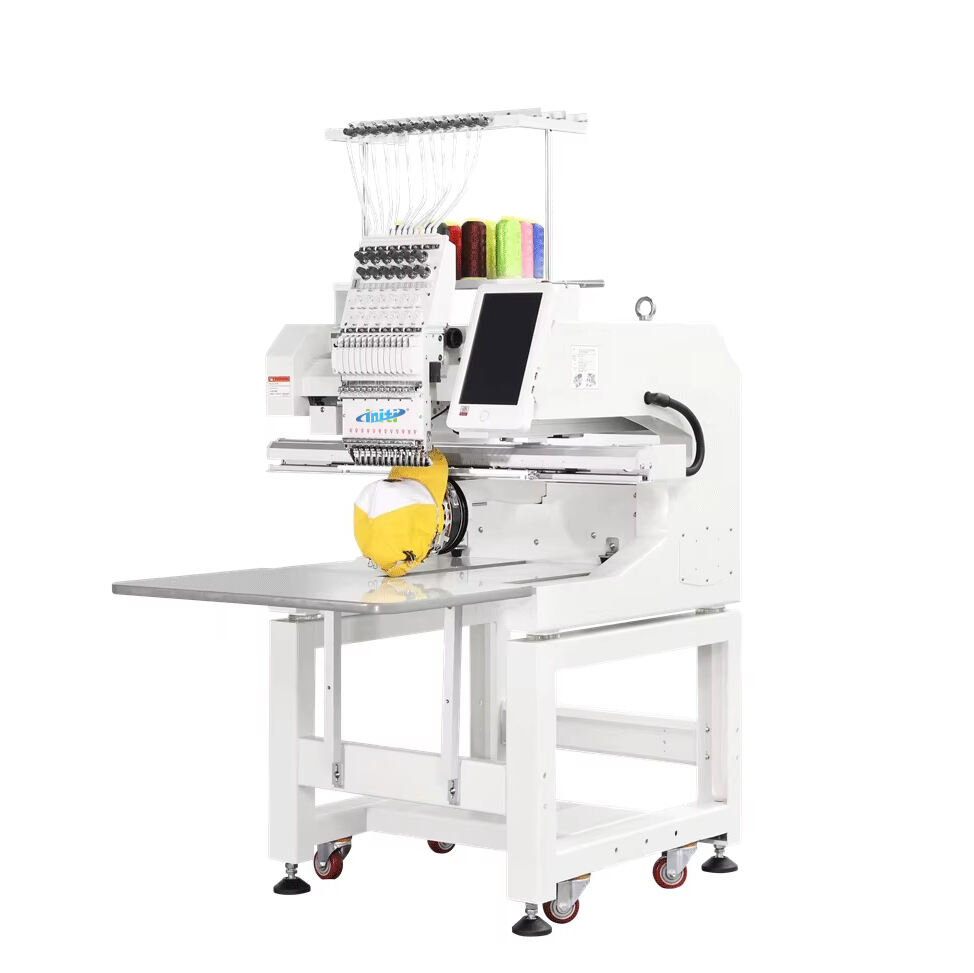
When investing in manufacturing equipment, durability stands as one of the most critical factors determining long-term success and profitability. A durable sewing machine represents more than just a piece of equipment; it embodies reliability, consistent performance, and protection of your capital investment. Understanding why durability matters in your sewing machine selection process can mean the difference between years of seamless operation and costly downtime that impacts your bottom line.
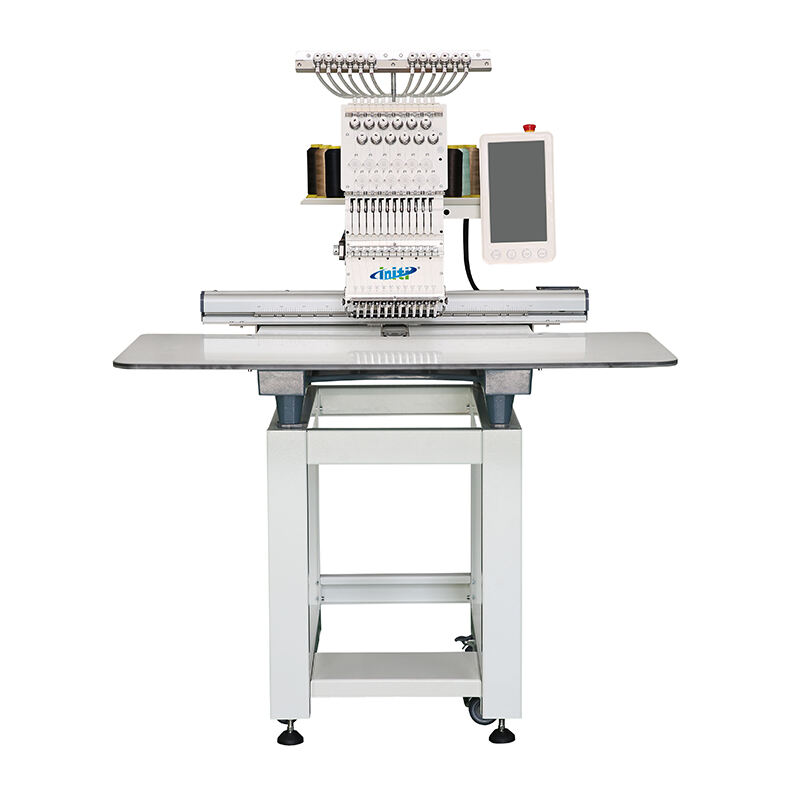
Understanding Durability in Industrial Sewing Equipment
Core Components That Define Machine Longevity
The foundation of any durable sewing machine lies in its core components and construction quality. Premium materials such as hardened steel, precision-engineered bearings, and robust motor assemblies form the backbone of machines built to withstand continuous operation. These components work together to ensure that your durable sewing machine maintains consistent performance even under demanding production schedules.
Manufacturing tolerances play a crucial role in determining how well a machine will perform over its lifetime. Tight tolerances in critical areas such as needle positioning, thread tension mechanisms, and feed dog alignment contribute significantly to the overall durability profile. When these specifications are maintained to exacting standards, the result is a machine that delivers reliable stitch quality throughout its operational life.
Material Quality and Construction Standards
The choice of materials used in construction directly impacts the longevity of your sewing equipment. Cast iron frames provide superior stability and vibration dampening compared to lighter alternatives, ensuring that your durable sewing machine maintains accuracy even during high-speed operation. Heavy-duty components such as reinforced needle bars and precision-ground cam systems contribute to extended service life.
Surface treatments and protective coatings also play vital roles in durability. Anti-corrosion treatments, hardened surfaces, and specialized lubricants help protect critical components from wear and environmental factors. These protective measures ensure that internal mechanisms continue functioning smoothly, reducing maintenance requirements and extending operational life.
Economic Benefits of Investing in Durable Equipment
Total Cost of Ownership Analysis
When evaluating the economic impact of choosing a durable sewing machine, total cost of ownership provides the most accurate assessment. This comprehensive analysis includes initial purchase price, ongoing maintenance costs, energy consumption, and potential downtime expenses. While durable machines may command higher upfront investments, their superior longevity often results in lower per-hour operating costs over their service life.
Maintenance scheduling becomes more predictable with durable equipment, allowing for better budget planning and resource allocation. Preventive maintenance intervals are typically longer, and the likelihood of unexpected breakdowns decreases significantly. This predictability enables more efficient production planning and reduces the need for emergency repair budgets.
Productivity and Efficiency Gains
A durable sewing machine maintains consistent performance characteristics throughout its operational life, ensuring that quality standards remain stable over time. This consistency translates directly into improved productivity, as operators can rely on predictable machine behavior without frequent adjustments or calibrations. The reduced variability in output quality also minimizes rework and waste, further enhancing overall efficiency.
Machine reliability directly impacts production scheduling flexibility. When equipment consistently performs as expected, manufacturers can commit to tighter delivery schedules and take on more demanding projects. This reliability becomes a competitive advantage, allowing businesses to build stronger relationships with clients who value dependable service delivery.
Key Durability Features to Evaluate
Mechanical Strength and Structural Integrity
Evaluating the mechanical strength of potential equipment requires examining both visible and internal structural elements. The frame construction should demonstrate robust engineering with adequate mass to handle operational stresses without flexing or vibration. A truly durable sewing machine incorporates reinforcement in high-stress areas and utilizes proven mechanical designs that have demonstrated longevity in industrial applications.
Connection points and fastening systems deserve particular attention during evaluation. High-quality machines employ precision fasteners, proper thread engagement, and mechanical joints designed to maintain integrity under repetitive stress cycles. These details may seem minor but contribute significantly to overall durability and long-term reliability.
Electronic Systems and Control Integration
Modern sewing machines increasingly rely on electronic control systems, making the durability of these components equally important as mechanical elements. Industrial-grade electronics designed for manufacturing environments offer superior resistance to temperature fluctuations, electrical interference, and humidity variations. These systems should include protective measures against power surges and electromagnetic interference common in production facilities.
Control system redundancy and diagnostic capabilities enhance overall durability by providing early warning of potential issues. Advanced monitoring systems can detect developing problems before they result in costly failures, allowing for planned maintenance rather than emergency repairs. This proactive approach to equipment health extends the practical service life of your durable sewing machine investment.
Maintenance Requirements and Durability Correlation
Preventive Maintenance Impact on Longevity
The relationship between maintenance practices and equipment durability is direct and significant. A durable sewing machine designed with maintenance accessibility in mind allows technicians to perform routine service tasks efficiently and thoroughly. This accessibility ensures that lubrication, cleaning, and adjustment procedures are completed according to schedule, maximizing the protective benefits of preventive maintenance.
Lubrication systems in durable machines are engineered to distribute lubricants effectively to all critical wear points. Centralized lubrication systems reduce the time required for routine maintenance while ensuring consistent protection for moving components. This systematic approach to lubrication contributes significantly to extended component life and reduced wear rates.
Component Replacement and Service Life Extension
Well-designed durable equipment anticipates the eventual need for component replacement and incorporates features that facilitate these procedures. Modular construction allows for replacement of wear items without extensive disassembly, reducing both service time and associated costs. Standard fasteners and readily available replacement parts ensure that maintenance can be performed efficiently without extended downtime.
The availability of service documentation and technical support plays a crucial role in maximizing equipment durability. Comprehensive manuals, troubleshooting guides, and responsive technical support enable maintenance teams to address issues promptly and correctly. This support infrastructure becomes particularly valuable as equipment ages and encounters less common service requirements.
Environmental Factors Affecting Sewing Machine Durability
Operating Environment Considerations
The operating environment significantly influences the practical durability of sewing equipment. Temperature variations, humidity levels, and air quality all impact component longevity and performance stability. A durable sewing machine should incorporate design features that minimize sensitivity to environmental variations while providing protection against common contamination sources such as lint, dust, and chemical vapors.
Vibration isolation and noise reduction features not only improve operator comfort but also contribute to mechanical durability. Excessive vibration can accelerate wear in precision components and lead to alignment issues over time. Proper isolation systems help maintain mechanical accuracy while reducing stress on structural elements.
Contamination Protection and Filtration
Textile manufacturing environments present unique challenges in terms of fiber contamination and dust accumulation. Durable machines incorporate effective sealing systems and filtration mechanisms to protect sensitive components from these contaminants. Positive pressure systems and strategic air flow design help prevent accumulation of debris in critical areas.
Easy cleaning access and contamination removal procedures are essential features in durable sewing machine design. Regular cleaning becomes more manageable when machines are designed with accessibility in mind, encouraging proper maintenance practices that preserve equipment condition. This attention to cleanliness directly impacts component life and performance consistency.
Technology Integration and Future-Proofing
Compatibility with Advancing Technologies
A truly durable sewing machine investment considers not only current performance requirements but also future technological developments. Equipment designed with modular electronic systems and standardized interfaces can accommodate upgrades and enhancements throughout their service life. This adaptability extends the practical utility of equipment beyond its initial specifications.
Software compatibility and update capabilities ensure that control systems remain current with industry standards and regulatory requirements. Regular software updates can enhance functionality, improve efficiency, and extend the competitive relevance of durable equipment. This ongoing evolution helps protect the investment value over extended operational periods.
Scalability and Production Flexibility
Durable equipment should accommodate changing production requirements without compromising reliability or performance. Machines that can handle varying material types, thread specifications, and stitch patterns provide greater long-term value by adapting to evolving market demands. This flexibility ensures that your durable sewing machine remains relevant as business requirements change.
Integration capabilities with existing production systems and quality control equipment become increasingly important as manufacturing processes become more automated. Durable machines that support standard communication protocols and data exchange formats facilitate seamless integration with broader manufacturing systems.
Quality Assurance and Durability Testing
Manufacturing Standards and Certification
Recognized manufacturing standards and industry certifications provide valuable indicators of equipment durability and reliability. Machines that meet or exceed established standards such as ISO certifications demonstrate commitment to quality construction and performance consistency. These certifications often require extensive testing and documentation that validates durability claims.
Third-party testing and validation services offer independent assessment of durability characteristics. These evaluations typically include accelerated life testing, stress analysis, and performance verification under various operating conditions. Such testing provides objective data about expected service life and reliability parameters for your durable sewing machine investment.
Performance Validation and Real-World Testing
Laboratory testing provides valuable baseline information, but real-world performance validation offers the most relevant durability assessment. Case studies and user testimonials from similar applications provide insights into actual service life and maintenance requirements under comparable operating conditions. This practical experience data helps validate manufacturer claims and expectations.
Extended warranty programs and service guarantees reflect manufacturer confidence in equipment durability. Companies that offer comprehensive coverage and extended service periods typically have substantial experience with their equipment's long-term performance characteristics. These programs provide additional protection for your investment while demonstrating manufacturer commitment to durability.
FAQ
What factors most significantly impact sewing machine durability
The most significant factors affecting sewing machine durability include construction materials quality, precision manufacturing tolerances, operating environment conditions, and maintenance practices. High-grade steel components, precise mechanical assemblies, and robust electronic systems form the foundation of a durable sewing machine. Environmental factors such as temperature, humidity, and contamination levels also play crucial roles, while consistent preventive maintenance practices can dramatically extend equipment service life.
How can I evaluate the long-term durability of a sewing machine before purchase
Evaluating durability before purchase requires examining multiple aspects including manufacturer reputation, construction quality, available documentation, and warranty terms. Request detailed specifications about materials used, manufacturing standards followed, and testing procedures employed. Review case studies from similar applications and seek references from users in comparable environments. Additionally, assess the availability of technical support, spare parts, and service documentation as these factors significantly impact practical durability over the equipment's service life.
What role does preventive maintenance play in extending sewing machine life
Preventive maintenance plays a critical role in maximizing sewing machine durability by addressing wear factors before they cause significant damage. Regular lubrication, cleaning, adjustment, and inspection procedures help maintain optimal operating conditions for all mechanical and electronic components. A durable sewing machine designed with maintenance accessibility facilitates these procedures, making it more likely that preventive maintenance will be performed consistently and effectively throughout the equipment's service life.
How do environmental conditions affect sewing machine durability and performance
Environmental conditions significantly impact both durability and performance through multiple mechanisms. Temperature variations affect material expansion and contraction, potentially causing alignment issues and increased wear. Humidity can promote corrosion and affect electrical components, while airborne contaminants such as lint and dust can accumulate in moving parts causing premature wear. A durable sewing machine incorporates protective features such as sealing systems, filtration, and contamination-resistant materials to minimize these environmental impacts and maintain consistent performance over extended periods.
Table of Contents
- Understanding Durability in Industrial Sewing Equipment
- Economic Benefits of Investing in Durable Equipment
- Key Durability Features to Evaluate
- Maintenance Requirements and Durability Correlation
- Environmental Factors Affecting Sewing Machine Durability
- Technology Integration and Future-Proofing
- Quality Assurance and Durability Testing
-
FAQ
- What factors most significantly impact sewing machine durability
- How can I evaluate the long-term durability of a sewing machine before purchase
- What role does preventive maintenance play in extending sewing machine life
- How do environmental conditions affect sewing machine durability and performance