

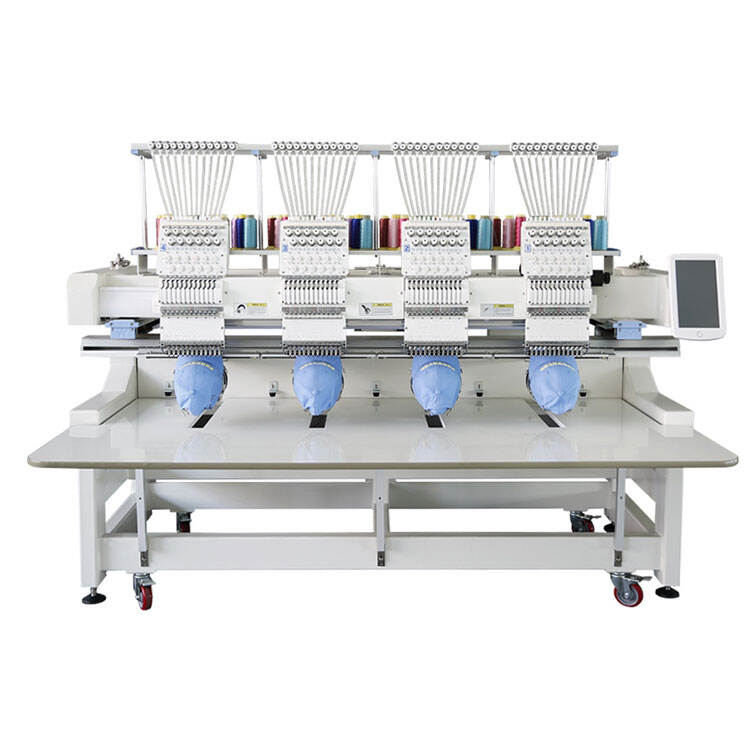
Modern embroidery sewing machine technology has revolutionized the textile and garment industry, bringing unprecedented levels of precision, safety, and efficiency to manufacturing processes. Today's advanced embroidery sewing machine systems incorporate sophisticated safety mechanisms that protect both operators and equipment while maintaining optimal production standards. Understanding these essential safety features is crucial for any business considering investment in contemporary embroidery equipment, as workplace safety regulations continue to evolve and demand higher standards of operator protection.
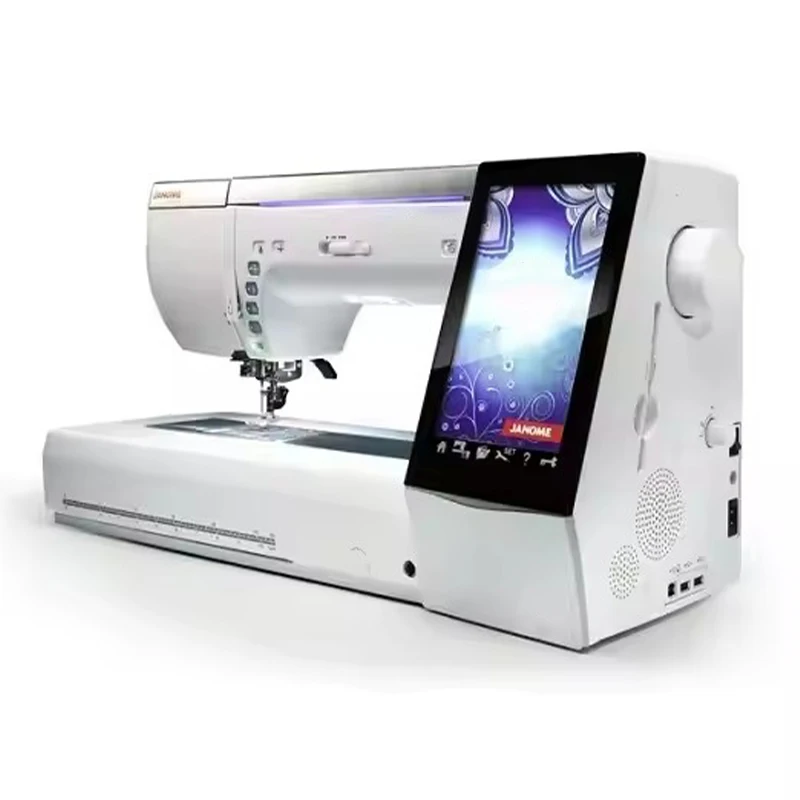
The integration of safety technology in modern embroidery sewing machine designs reflects decades of industrial experience and regulatory compliance requirements. Manufacturers now prioritize operator wellbeing alongside production efficiency, creating machines that significantly reduce workplace injuries while enhancing overall productivity. These safety innovations have transformed embroidery operations from potentially hazardous environments into controlled, secure workspaces where skilled technicians can focus on quality output without constant concern for personal safety.
Advanced Safety Control Systems
Emergency Stop Mechanisms
Contemporary embroidery sewing machine models feature strategically positioned emergency stop buttons that provide instant machine shutdown capabilities during unexpected situations. These bright red, mushroom-shaped controls are easily accessible from multiple operator positions and require deliberate action to reset, preventing accidental restarts. The emergency stop system immediately cuts power to all moving components while maintaining electrical power to control systems, allowing for safe diagnosis and resolution of any issues that triggered the shutdown.
Advanced emergency systems in premium embroidery sewing machine units include wireless emergency stops that operators can carry while moving around larger installations. These portable devices communicate with the main control system through secure radio frequencies, ensuring that help can be summoned or operations halted regardless of the operator's position relative to the machine. The wireless range typically extends 50-100 meters, providing comprehensive coverage for large production facilities.
Automatic Tension Monitoring
Modern embroidery sewing machine designs incorporate sophisticated thread tension monitoring systems that prevent dangerous thread breaks and needle damage. These systems use precision sensors to continuously measure upper and lower thread tension, automatically adjusting parameters when deviations are detected. When tension exceeds safe operational limits, the machine immediately stops and alerts operators through visual and audible warnings, preventing potential injury from broken threads or damaged components.
The tension monitoring capability extends beyond simple measurement to predictive maintenance functions. Advanced embroidery sewing machine systems analyze tension patterns over time, identifying gradual changes that might indicate component wear or threading problems before they become safety hazards. This proactive approach significantly reduces unexpected failures that could endanger operators or damage expensive embroidery work in progress.
Protective Barrier Technologies
Light Curtain Safety Systems
Industrial-grade embroidery sewing machine installations increasingly utilize light curtain technology to create invisible safety barriers around dangerous machine areas. These systems project invisible infrared beams across potential danger zones, immediately stopping machine operation when the beams are interrupted by operator movement into restricted areas. Light curtains provide protection without impeding normal workflow, allowing operators to work efficiently while maintaining constant safety monitoring.
The sophistication of light curtain systems in modern embroidery sewing machine applications includes programmable safety zones that adapt to different operational modes. During setup or maintenance procedures, safety zones can be temporarily modified to allow necessary access while maintaining protection in other areas. Advanced systems feature multiple resolution levels, distinguishing between small objects like tools and larger intrusions that might indicate operator presence in dangerous zones.
Physical Guard Systems
Mechanical safety guards on contemporary embroidery sewing machine designs provide essential protection against moving parts while maintaining operator access for necessary adjustments and maintenance. These guards utilize interlocked mechanisms that prevent machine operation when protective covers are removed, ensuring that maintenance can only be performed under safe conditions. Modern guard designs balance safety requirements with operational efficiency, featuring quick-release mechanisms for authorized personnel.
Advanced guard systems incorporate sensor technology that monitors guard position and integrity continuously during operation. If guards become loose, damaged, or improperly positioned, the embroidery sewing machine automatically enters a safe shutdown mode until proper guard function is restored. This continuous monitoring prevents the gradual degradation of safety systems that might otherwise go unnoticed during busy production periods.
Operator Interface Safety Features
Ergonomic Control Design
Modern embroidery sewing machine control interfaces prioritize operator comfort and safety through ergonomic design principles that reduce physical strain and improve operational accuracy. Control panels are positioned at optimal heights and angles to minimize operator fatigue during extended work sessions, while critical safety controls are distinctively marked and easily accessible. The ergonomic approach extends to foot pedals, hand controls, and viewing positions, creating a comprehensive operator-friendly environment.
Advanced ergonomic features in premium embroidery sewing machine models include adjustable operator stations that accommodate different operator heights and preferences. These systems may include powered height adjustment for work surfaces, adjustable lighting systems to reduce eye strain, and anti-fatigue flooring options. The recognition that operator comfort directly impacts safety has driven manufacturers to integrate comprehensive ergonomic solutions into their machine designs.
Visual Safety Indicators
Contemporary embroidery sewing machine systems employ sophisticated visual indication systems to communicate machine status and potential safety concerns to operators continuously. LED light towers provide immediate status information using internationally recognized color codes: green for normal operation, yellow for caution conditions, and red for stop or emergency situations. These visual indicators are positioned for maximum visibility from multiple operator positions around the machine.
Advanced visual systems in modern embroidery sewing machine installations include programmable display screens that provide detailed safety information and operational guidance. These displays can show real-time safety system status, maintenance schedules, and step-by-step safety procedures for various operational scenarios. The integration of visual and audible warning systems ensures that critical safety information reaches operators regardless of environmental conditions or background noise levels.
Maintenance and Safety Integration
Predictive Maintenance Systems
Modern embroidery sewing machine technology includes sophisticated predictive maintenance capabilities that enhance both operational efficiency and safety performance. These systems continuously monitor critical machine parameters such as vibration levels, temperature variations, and operational cycles to identify potential problems before they become safety hazards. Predictive maintenance reduces unexpected failures that could endanger operators or damage products, while ensuring that safety systems remain fully functional.
The integration of IoT technology in contemporary embroidery sewing machine designs enables remote monitoring and diagnostic capabilities that support proactive safety management. Maintenance teams can receive real-time alerts about developing issues, schedule preventive maintenance during optimal times, and maintain detailed records of safety system performance. This data-driven approach to maintenance ensures that safety systems receive appropriate attention and remain effective throughout the machine's operational life.
Safe Maintenance Procedures
Advanced embroidery sewing machine designs incorporate built-in safety procedures that guide maintenance personnel through safe service routines. These systems include lockout/tagout integration that prevents accidental machine startup during maintenance, automated diagnostic routines that identify potential safety issues, and step-by-step maintenance guidance displayed on integrated screens. The systematic approach to maintenance safety reduces the risk of injury during service procedures while ensuring thorough attention to all safety-critical components.
Modern maintenance safety features extend to remote diagnostic capabilities that minimize the need for personnel to work in close proximity to potentially dangerous machine components. Remote diagnostic systems can identify many common issues without requiring physical inspection, while guided troubleshooting procedures help maintenance personnel resolve problems safely and efficiently when hands-on work is necessary.
Training and Operator Competency
Integrated Training Systems
Contemporary embroidery sewing machine installations often include integrated training systems that ensure operators understand safety procedures and machine capabilities before beginning production work. These systems may include simulation modes that allow new operators to practice procedures without safety risks, interactive tutorials covering safety protocols, and competency verification systems that document operator qualifications. The emphasis on training reflects the understanding that well-trained operators are essential for maintaining safe working environments.
Advanced training integration in modern embroidery sewing machine systems includes ongoing education features that keep operators informed about safety updates, procedural changes, and best practices. Regular safety refresher training can be delivered through the machine's control system, ensuring that safety awareness remains current and comprehensive. Some systems include gamification elements that make safety training engaging and memorable for operators at all experience levels.
Competency Verification
Modern embroidery sewing machine systems increasingly include operator verification features that ensure only qualified personnel can operate equipment in different modes or access certain functions. These systems may use key cards, biometric identification, or PIN codes to control access levels, preventing unauthorized or inadequately trained individuals from operating complex machinery. The verification systems can be programmed to require periodic safety recertification, ensuring that operator competency remains current.
The integration of competency verification with machine operation creates detailed audit trails that document who operated equipment when specific events occurred. This documentation capability supports both safety management and regulatory compliance requirements, while providing valuable data for improving training programs and identifying areas where additional safety emphasis may be needed.
Regulatory Compliance and Standards
International Safety Standards
Modern embroidery sewing machine manufacturers design equipment to comply with rigorous international safety standards including CE marking requirements, OSHA guidelines, and ISO safety specifications. These standards establish minimum safety requirements for machine design, operator protection, and environmental considerations that ensure consistent safety performance across different markets and applications. Compliance with multiple standards demonstrates manufacturer commitment to comprehensive safety design.
The evolution of safety standards continues to drive innovation in embroidery sewing machine design, with manufacturers often exceeding minimum requirements to provide enhanced operator protection and competitive advantages. Standards compliance also facilitates international trade and ensures that safety systems will be recognized and supported by regulatory authorities in different countries where equipment may be installed or relocated.
Documentation and Audit Requirements
Contemporary embroidery sewing machine systems include comprehensive documentation capabilities that support regulatory compliance and safety auditing requirements. These systems automatically log safety events, maintenance activities, operator actions, and system performance data that can be retrieved for regulatory inspections or internal safety reviews. The documentation capability extends to generating safety reports and compliance summaries that demonstrate adherence to applicable safety standards.
Advanced documentation systems in modern embroidery sewing machine installations provide real-time compliance monitoring that alerts management to potential safety or regulatory issues before they become serious problems. This proactive approach to compliance management helps organizations maintain excellent safety records while avoiding costly regulatory violations or workplace injuries.
FAQ
What are the most critical safety features to look for when purchasing an embroidery sewing machine
The most critical safety features include emergency stop systems accessible from multiple positions, automatic tension monitoring to prevent dangerous thread breaks, light curtain or physical guard systems protecting moving parts, and comprehensive operator interface safety indicators. Additionally, look for machines with integrated training systems, predictive maintenance capabilities, and compliance with international safety standards such as CE marking and OSHA guidelines.
How do modern safety systems impact productivity in embroidery operations
Modern safety systems actually enhance productivity by reducing unexpected downtime, preventing operator injuries that could disrupt operations, and providing predictive maintenance capabilities that optimize machine availability. Advanced safety features like automatic tension monitoring and visual status indicators help operators maintain consistent quality while working confidently in a secure environment, leading to better overall performance.
What training requirements should be considered for safe embroidery sewing machine operation
Comprehensive training should cover emergency procedures, proper machine operation techniques, safety system functions, basic maintenance tasks, and regulatory compliance requirements. Many modern machines include integrated training systems that provide interactive tutorials and competency verification. Regular refresher training and safety updates are essential to maintain operator competency and ensure continued safe operation throughout the equipment's service life.
How often should safety systems on an embroidery sewing machine be inspected and maintained
Safety systems should undergo daily visual inspections by operators, weekly functional testing of emergency stops and guards, monthly comprehensive safety system checks by qualified technicians, and annual certification inspections as required by local regulations. Modern machines with predictive maintenance capabilities may provide specific guidance on optimal inspection intervals based on actual usage patterns and system performance data.
Table of Contents
- Advanced Safety Control Systems
- Protective Barrier Technologies
- Operator Interface Safety Features
- Maintenance and Safety Integration
- Training and Operator Competency
- Regulatory Compliance and Standards
-
FAQ
- What are the most critical safety features to look for when purchasing an embroidery sewing machine
- How do modern safety systems impact productivity in embroidery operations
- What training requirements should be considered for safe embroidery sewing machine operation
- How often should safety systems on an embroidery sewing machine be inspected and maintained