

Selecting the right embroidery machine is a critical decision that can significantly impact your business productivity, quality output, and long-term profitability. Whether you're starting a custom apparel business, expanding your existing operation, or upgrading from manual embroidery methods, understanding the differences between single head, multi head, and high-speed C-type embroidery machines is essential. Each type serves distinct purposes and caters to different production requirements, making the selection process more nuanced than simply choosing the most expensive or feature-rich option. Modern embroidery machine technology has evolved tremendously, offering unprecedented precision, speed, and versatility that can transform your creative vision into reality.
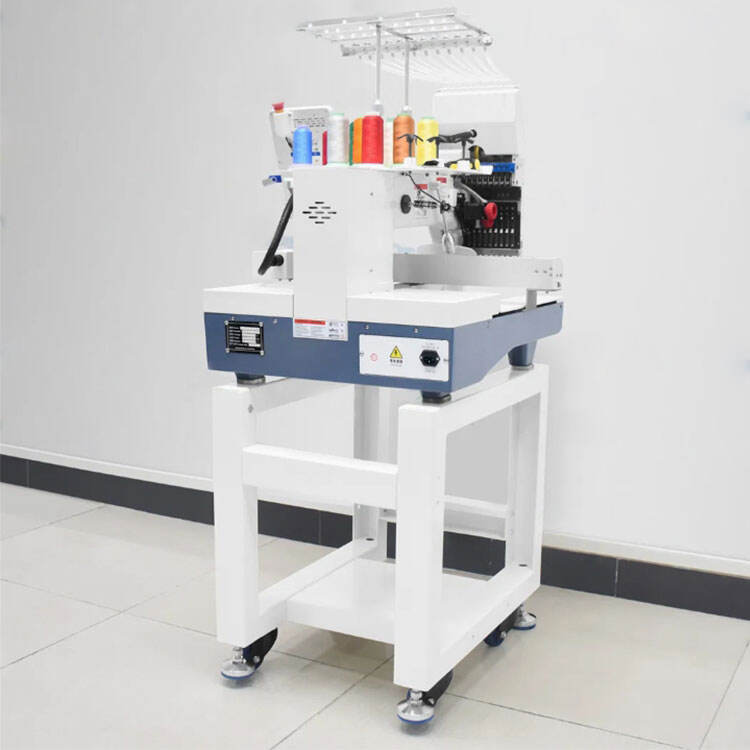
Understanding Single Head Embroidery Machines
Ideal Applications and Use Cases
Single head embroidery machines represent the perfect entry point for small businesses, home-based entrepreneurs, and crafters looking to monetize their creativity. These machines excel in producing high-quality, detailed embroidery work on individual garments, accessories, and promotional items. The single head embroidery machine design allows for exceptional precision and control, making it ideal for custom monogramming, personalized gifts, and small-batch production runs. Many successful embroidery businesses started with single head units before scaling up to larger operations, proving their viability as both learning tools and profit-generating equipment.
The versatility of a single head embroidery machine extends beyond simple logos and text. These units can handle complex multi-color designs, appliqué work, and intricate decorative patterns with remarkable accuracy. Fashion designers often prefer single head machines for prototype development and sample creation, as they provide the flexibility to experiment with different thread types, tensions, and stitch patterns without the commitment of running multiple identical pieces simultaneously.
Cost Considerations and ROI Potential
From a financial perspective, single head embroidery machines offer the lowest barrier to entry in the commercial embroidery market. Initial investment costs are significantly lower than multi head alternatives, making them accessible to entrepreneurs with limited startup capital. The maintenance requirements are generally simpler and less expensive, as there are fewer moving parts and mechanical components to service. Thread consumption is also more manageable, allowing operators to use premium threads without substantial waste concerns.
Return on investment for single head embroidery machines can be achieved relatively quickly, especially when focusing on high-margin custom work and personalized items. Many operators charge premium prices for individualized embroidery services, allowing them to recoup their equipment investment within the first year of operation. The key to maximizing profitability lies in targeting niche markets and developing specialized skills that command higher pricing.
Multi Head Embroidery Machine Advantages
Production Efficiency and Scalability
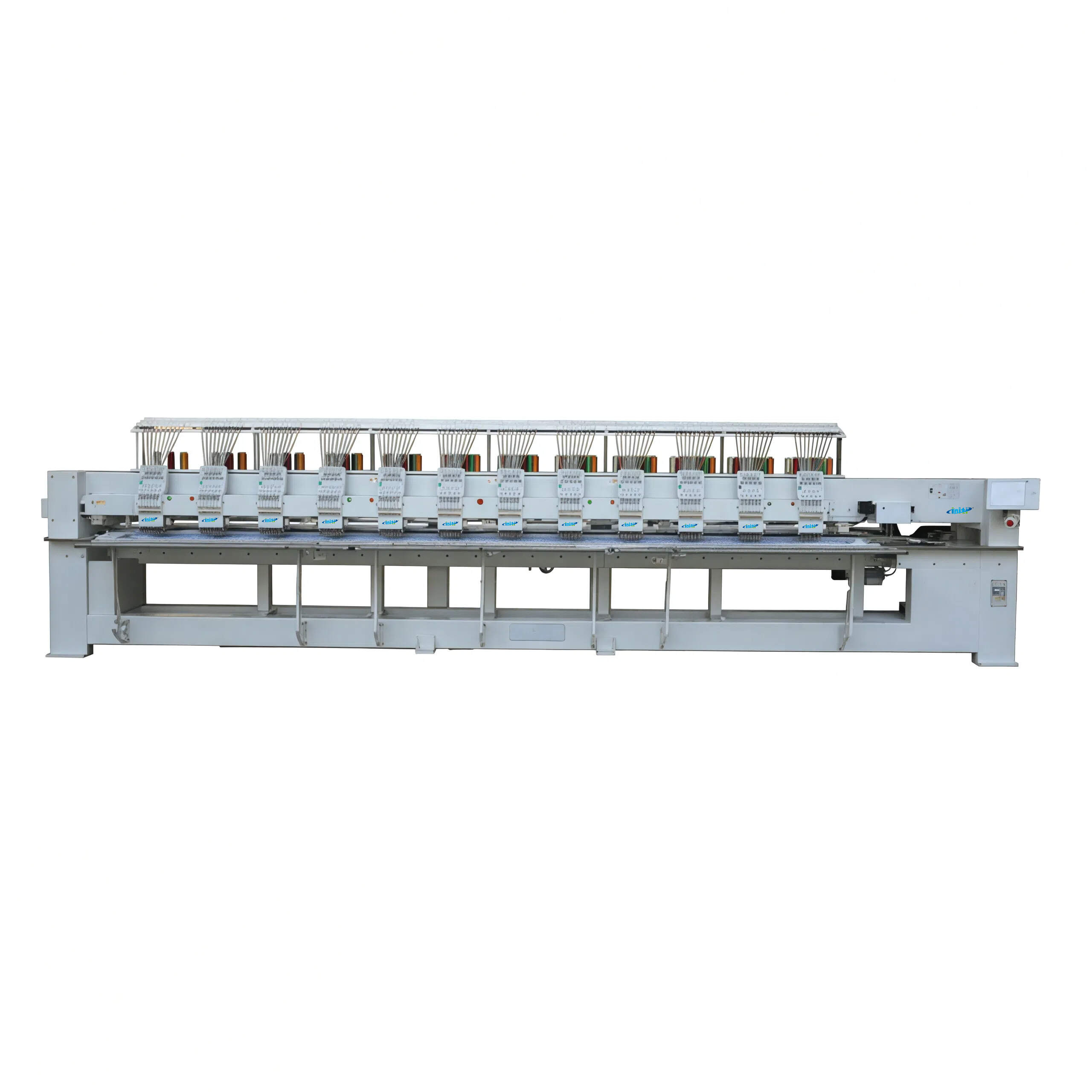
Multi head embroidery machines revolutionize production capabilities by allowing simultaneous embroidery on multiple garments or items. This parallel processing approach dramatically increases hourly output, making it possible to fulfill larger orders within tight deadlines. A typical multi head embroidery machine can feature anywhere from four to twenty-four heads, with each head operating independently while maintaining synchronized timing and quality standards. This scalability makes multi head systems indispensable for medium to large embroidery operations serving corporate clients, sports teams, and retail brands.
The efficiency gains extend beyond mere quantity increases. Multi head embroidery machines often incorporate advanced features like automatic thread trimming, color changes, and design positioning that reduce manual intervention and speed up overall production cycles. Operators can load multiple hoops simultaneously, allowing continuous operation while they prepare subsequent batches or handle other business tasks. This level of automation translates directly into improved profit margins and competitive pricing capabilities.
Quality Consistency and Professional Results
Consistency is paramount in commercial embroidery work, and multi head embroidery machines excel in delivering uniform results across large production runs. Each head maintains identical tension settings, stitch patterns, and thread handling characteristics, ensuring that the hundredth item matches the quality of the first. This consistency is crucial for brand integrity and customer satisfaction, particularly when producing corporate apparel or promotional merchandise where uniformity is expected.
Professional-grade multi head systems incorporate sophisticated monitoring and quality control features that detect and compensate for variations in fabric thickness, thread tension, and environmental conditions. Some advanced models include automatic thread break detection, density adjustment capabilities, and real-time stitch monitoring that maintains professional standards even during unattended operation periods.
High-Speed C-Type Embroidery Machine Benefits
Revolutionary Speed and Precision Technology
High-speed C-type embroidery machines represent the pinnacle of commercial embroidery technology, designed specifically for high-volume production environments that demand both speed and precision. These machines typically operate at speeds exceeding 1200 stitches per minute while maintaining exceptional accuracy and stitch quality. The C-type frame design provides superior stability and reduces vibration, allowing for consistent performance even at maximum operating speeds. This combination of speed and precision makes C-type machines ideal for large-scale contract embroidery operations, uniform suppliers, and manufacturers serving international markets.
The technological sophistication of high-speed C-type embroidery machines includes advanced servo motor systems, precision-engineered drive mechanisms, and computer-controlled tensioning systems that adapt automatically to different thread types and fabric characteristics. These features enable operators to switch between delicate silk threads and heavy-duty polyester without manual adjustments, maintaining optimal stitch quality across diverse material combinations.
Industrial-Grade Durability and Reliability
High-speed C-type embroidery machines are engineered for continuous operation in demanding industrial environments. The robust construction includes reinforced frames, commercial-grade components, and advanced cooling systems that prevent overheating during extended production runs. This durability translates into higher uptime percentages and lower maintenance costs over the machine's operational lifetime, making them particularly attractive for businesses operating multiple shifts or 24-hour production schedules.
The reliability of C-type systems extends to their electronic components and software systems, which often include predictive maintenance algorithms, remote monitoring capabilities, and comprehensive diagnostic tools. These features help operators identify potential issues before they cause production interruptions, minimizing downtime and maintaining consistent delivery schedules for time-sensitive orders.
Factors to Consider When Choosing
Production Volume Requirements
Accurately assessing your current and projected production volumes is fundamental to making the right embroidery machine selection. Small operations producing fewer than 50 items per day may find single head machines perfectly adequate, while businesses handling hundreds or thousands of pieces require the efficiency of multi head or high-speed C-type systems. Consider not only your current order volume but also your growth projections and peak season demands when evaluating production requirements.
Production volume analysis should also include consideration of order complexity and turnaround time expectations. Complex multi-color designs may require longer processing times even on high-speed equipment, while simple single-color logos can be completed rapidly on any embroidery machine type. Understanding your typical order profile helps determine whether speed, versatility, or cost-effectiveness should be prioritized in your equipment selection.
Budget Constraints and Financing Options
Equipment investment represents a significant financial commitment that must align with your business's cash flow and financing capabilities. Single head embroidery machines typically range from moderate to premium pricing, while multi head and C-type systems require substantially larger investments. However, the higher productivity of advanced systems often justifies their cost through increased revenue potential and operational efficiency gains.
Many embroidery machine manufacturers and dealers offer flexible financing options, lease arrangements, and trade-in programs that can make advanced equipment more accessible to growing businesses. Consider the total cost of ownership, including maintenance, training, and operational expenses, when evaluating different embroidery machine options and financing structures.
Making the Final Decision
Evaluating Your Business Model
Your business model and target market significantly influence the optimal embroidery machine choice. Custom apparel businesses serving individual consumers may benefit from single head flexibility, while contract embroiderers serving corporate clients need multi head efficiency. Understanding your competitive positioning and service offerings helps determine which embroidery machine features provide the greatest strategic advantage.
Consider how different embroidery machine types align with your marketing strategy and customer expectations. High-end custom work may justify premium single head capabilities, while high-volume promotional products require the consistency and speed of multi head or C-type systems. Your chosen embroidery machine should enhance rather than limit your ability to serve your target market effectively.
Future Growth Planning
Successful embroidery businesses often outgrow their initial equipment choices as customer demand increases and service offerings expand. Planning for future growth involves selecting an embroidery machine that can accommodate increased production requirements while maintaining quality standards. Some businesses choose to start with single head units and add capacity gradually, while others invest in multi head systems from the beginning to establish scalable operations.
Consider how your chosen embroidery machine integrates with potential future equipment additions and workflow modifications. Compatibility with existing software systems, thread suppliers, and operational procedures becomes increasingly important as your business grows and evolves. The right embroidery machine choice provides a foundation for sustainable growth rather than creating limitations that require costly equipment changes later.
FAQ
What is the typical lifespan of different embroidery machine types
The lifespan of an embroidery machine depends heavily on usage patterns, maintenance quality, and operating environment. Single head embroidery machines typically last 8-15 years with proper care, while commercial multi head systems can operate effectively for 10-20 years. High-speed C-type embroidery machines, despite their intensive use, often have lifespans of 15-25 years due to their robust industrial construction. Regular maintenance, proper training, and quality operating conditions significantly extend equipment life regardless of machine type.
How much space do different embroidery machine configurations require
Space requirements vary dramatically between embroidery machine types. Single head units typically need 6-8 feet of length and 4-5 feet of depth, including operator workspace. Multi head embroidery machines require significantly more space, with 4-head systems needing approximately 12-15 feet of length and 6-8 feet of depth. High-speed C-type machines often require dedicated production areas of 15-20 feet in length and 8-10 feet in depth, plus additional space for material handling and finishing operations.
What training is required for operating different embroidery machine types
Training requirements increase with embroidery machine complexity and production demands. Single head embroidery machines typically require 2-5 days of basic training for competent operation, focusing on hooping techniques, design loading, and basic maintenance. Multi head systems require 1-2 weeks of comprehensive training covering multi-head coordination, production planning, and advanced troubleshooting. High-speed C-type embroidery machines often require 2-4 weeks of intensive training, including industrial maintenance procedures, production optimization, and quality control systems.
How do maintenance costs compare between different embroidery machine types
Maintenance costs generally correlate with embroidery machine complexity and production volume. Single head units typically require $500-1500 annually in routine maintenance, including basic service calls and replacement parts. Multi head embroidery machines generally incur $2000-5000 in annual maintenance costs due to their multiple mechanisms and higher usage rates. High-speed C-type systems, while more expensive to maintain at $3000-8000 annually, often have lower per-stitch maintenance costs due to their high production volumes and industrial-grade components designed for continuous operation.