

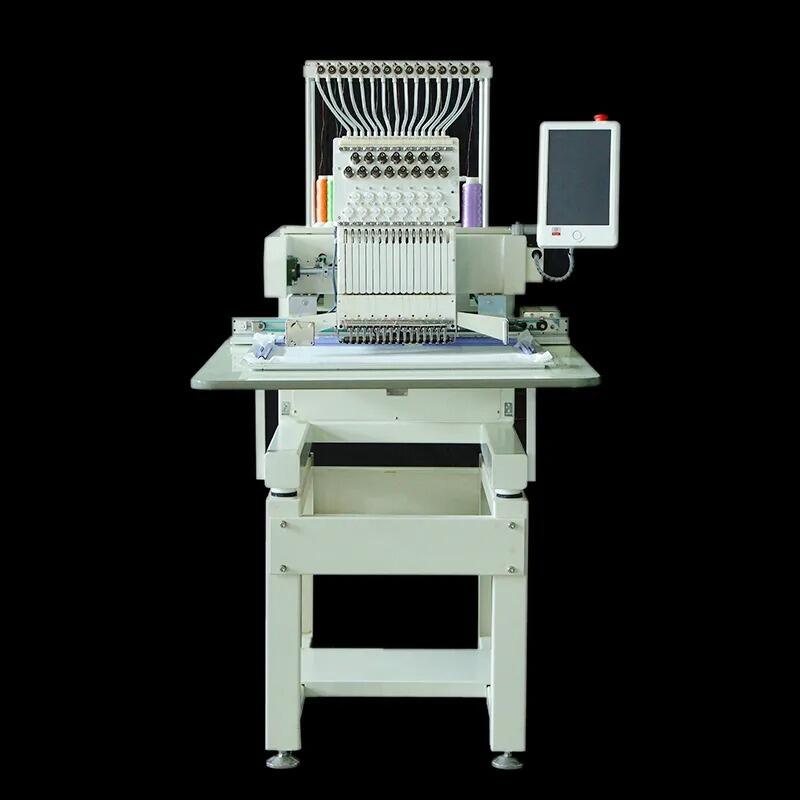
Manufacturing excellence in the embroidery industry depends significantly on equipment reliability, particularly when it comes to specialized equipment designed for challenging materials like caps and hats. A cap embroidery machine represents a substantial investment for any business, making durability and long-term performance crucial factors in the purchasing decision. Understanding the key elements that contribute to machine reliability can help manufacturers and embroidery shop owners make informed choices that protect their investment and ensure consistent production output. The reliability of these machines directly impacts business profitability, customer satisfaction, and operational efficiency in competitive markets.
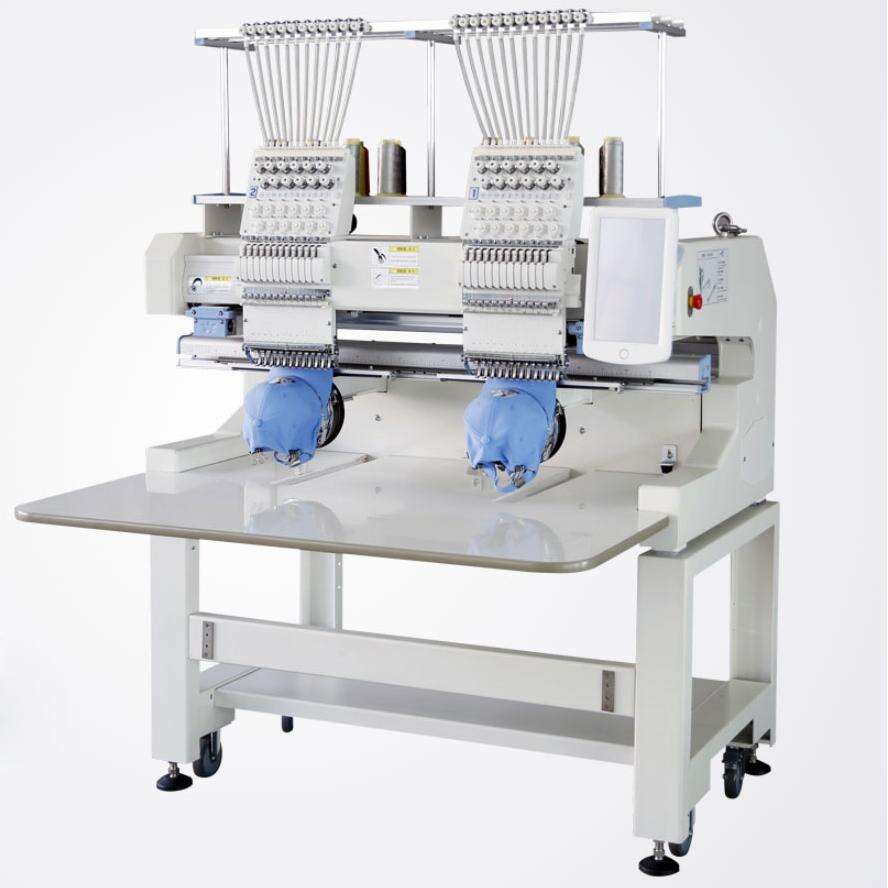
Frame Construction and Structural Integrity
Heavy-Duty Frame Materials
The foundation of any reliable cap embroidery machine lies in its frame construction, which must withstand constant vibration and operational stress. Premium machines utilize cast iron or heavy-duty steel frames that provide superior stability compared to lighter alternatives. These materials resist deformation under continuous operation, ensuring consistent stitch quality and preventing alignment issues that can plague machines with inferior frames. The weight and rigidity of the frame directly correlate with the machine's ability to maintain precision during high-speed operations, making this a critical factor in long-term reliability assessments.
Engineering specifications for commercial-grade frames typically include reinforcement points at stress concentration areas, particularly around the needle bar assemblies and hoop attachment mechanisms. Professional manufacturers implement finite element analysis during the design phase to identify potential weak points and strengthen these areas accordingly. The frame must also accommodate thermal expansion and contraction during extended operation cycles without compromising dimensional stability, which requires careful material selection and heat treatment processes.
Vibration Dampening Systems
Effective vibration control systems significantly extend machine lifespan by reducing wear on moving components and maintaining embroidery precision. Advanced cap embroidery machine designs incorporate multiple dampening technologies, including rubber isolation mounts, counterweight systems, and dynamic balancing mechanisms. These systems work together to minimize the transmission of operational vibrations to the work surface and surrounding equipment, creating a more stable working environment and reducing fatigue on machine components.
The implementation of proper vibration dampening also affects the quality of finished embroidery work, as excessive machine movement can cause registration errors and thread tension variations. Modern machines often feature active vibration monitoring systems that can detect when dampening components require maintenance or replacement, allowing operators to address issues before they impact production quality or machine reliability.
Drive System Components and Power Transmission
Motor Specifications and Control Systems
The drive system represents the heart of any cap embroidery machine, with servo motors providing the precision and reliability necessary for consistent performance. High-quality machines utilize brushless servo motors that offer superior longevity compared to traditional brush motors, eliminating the need for regular brush replacement and reducing maintenance requirements. These motors typically feature encoder feedback systems that ensure precise positioning accuracy and maintain consistent stitching speeds across varying load conditions.
Advanced motor control systems incorporate intelligent algorithms that adapt to different fabric types and embroidery patterns, optimizing power delivery and reducing unnecessary stress on mechanical components. The integration of variable frequency drives allows operators to fine-tune machine performance for specific applications while maintaining energy efficiency. Temperature monitoring and overload protection features built into modern motor controllers help prevent damage from unexpected operating conditions and extend overall system reliability.
Transmission and Gear Systems
Precision gear systems and transmission components must maintain accurate timing relationships between needle movement, hook rotation, and fabric advancement throughout millions of operational cycles. Premium cap embroidery machine designs utilize hardened steel gears with precise tooth profiles that minimize backlash and ensure smooth power transmission. Regular lubrication systems, often automated, help maintain proper gear mesh conditions and prevent premature wear that could lead to timing errors or mechanical failures.
The gear reduction ratios in professional machines are carefully calculated to provide optimal torque multiplication while maintaining the speed requirements for efficient production. Belt drive systems, where used, typically employ reinforced timing belts with steel cord construction to prevent stretching and maintain accurate timing relationships. Tensioning systems for belt drives often include automatic adjustment mechanisms that compensate for normal wear and thermal expansion effects.
Needle and Thread Management Systems
Needle Bar Assemblies and Bearing Systems
The needle bar assembly in a cap embroidery machine must operate with exceptional precision and reliability, as any deviation in needle positioning directly affects embroidery quality. High-precision linear bearings or bushing systems guide needle bar movement, with premium machines utilizing sealed bearing assemblies that resist contamination from thread particles and fabric debris. The material selection for needle bars typically involves hardened steel alloys that resist wear while maintaining dimensional stability under thermal cycling conditions.
Proper needle bar alignment and maintenance procedures are critical for preventing premature bearing wear and ensuring consistent stitch formation. Many modern machines incorporate automatic lubrication systems for needle bar assemblies, reducing manual maintenance requirements and ensuring optimal lubrication levels throughout operation. The design of needle bar assemblies must also accommodate the unique stresses associated with cap embroidery, where fabric thickness variations and hoop positioning create additional challenges compared to flat embroidery applications.
Thread Tension and Delivery Systems
Consistent thread tension control is essential for producing high-quality embroidery and preventing thread breaks that interrupt production. Reliable machines feature precision-engineered tension assemblies with spring-loaded mechanisms that maintain consistent pressure across varying thread types and speeds. The thread path from spool to needle must be carefully designed to minimize friction and prevent thread damage, with smooth-finished guides and properly radiused contact points throughout the delivery system.
Advanced thread monitoring systems can detect breaks or tension variations in real-time, automatically stopping the machine to prevent defective embroidery and reduce waste. The integration of individual thread tension controls for each needle position allows operators to optimize settings for different thread types and colors, ensuring consistent results across complex multi-color designs. Proper thread storage and delivery systems also protect threads from environmental factors that could affect their performance or longevity.
Control Electronics and Software Systems
Processing Power and Memory Architecture
Modern cap embroidery machine reliability depends heavily on robust electronic control systems that can process complex embroidery patterns while maintaining real-time control over mechanical components. Industrial-grade processors with sufficient memory capacity ensure smooth pattern execution without processing delays that could affect stitch quality. The electronic architecture must also include adequate data storage for pattern libraries and machine configuration settings, with backup systems to prevent data loss during power interruptions.
Temperature management for electronic components is crucial in industrial environments where ambient temperatures and humidity levels may vary significantly. Proper cooling systems and component selection ensure reliable operation across environmental extremes while preventing premature failure of sensitive electronic parts. Modular electronic designs allow for easier troubleshooting and component replacement when necessary, reducing downtime and maintenance costs.
User Interface and Diagnostic Capabilities
Intuitive user interfaces with comprehensive diagnostic capabilities help operators identify and address potential issues before they impact production or machine reliability. Modern control systems provide real-time monitoring of critical machine parameters, including motor temperatures, thread tensions, and operational speeds. Historical data logging capabilities allow maintenance personnel to identify trends that may indicate developing problems, enabling proactive maintenance strategies that extend machine life.
The integration of remote monitoring capabilities allows technical support personnel to diagnose issues and provide assistance without on-site visits, reducing downtime and improving overall machine availability. Software update capabilities ensure that machines can benefit from ongoing improvements in control algorithms and feature enhancements without requiring hardware modifications. User-friendly programming interfaces also reduce the likelihood of operator errors that could damage equipment or compromise production quality.
Maintenance Requirements and Service Accessibility
Preventive Maintenance Protocols
Establishing comprehensive preventive maintenance protocols is essential for maximizing cap embroidery machine reliability and service life. Regular lubrication schedules must be followed precisely, with appropriate lubricants specified for different machine components and operating conditions. Cleaning procedures should address both visible surfaces and internal mechanisms, preventing the accumulation of thread debris and fabric particles that could interfere with machine operation or cause premature component wear.
Timing belt inspection and replacement intervals must be observed to prevent unexpected failures that could cause significant production disruptions. Needle replacement schedules should be based on both usage hours and fabric types being processed, as worn or damaged needles can create thread breaks and poor stitch quality. Regular calibration of electronic systems ensures continued accuracy of positioning systems and maintains optimal embroidery quality throughout the machine's service life.
Component Accessibility and Service Design
Machine design features that facilitate easy access to maintenance points and serviceable components significantly impact long-term reliability by encouraging proper maintenance practices. Removable panels, clearly marked service points, and logical component layouts help maintenance personnel perform required procedures efficiently and correctly. The availability of comprehensive service documentation, including detailed diagrams and troubleshooting guides, supports effective maintenance programs and reduces the risk of service-related errors.
Parts availability and supply chain support from manufacturers play crucial roles in maintaining machine reliability over extended periods. Standardized components where possible reduce inventory requirements and simplify procurement processes, while proprietary components require reliable supplier relationships and adequate parts stocking strategies. The design of critical wear items should prioritize replaceability and cost-effectiveness to ensure that maintenance remains economically viable throughout the machine's service life.
Environmental Factors and Operating Conditions
Temperature and Humidity Control
Environmental conditions significantly impact cap embroidery machine reliability, with temperature and humidity variations affecting both mechanical and electronic components. Optimal operating environments maintain stable temperatures within manufacturer-specified ranges, typically between 60-80 degrees Fahrenheit, to prevent thermal stress on precision components. Humidity control is equally important, as excessive moisture can cause corrosion of metal parts and affect the performance of electronic systems, while low humidity increases static electricity risks.
Air filtration systems help protect machine components from dust and airborne contaminants that could interfere with moving parts or cause premature wear. In facilities where air quality cannot be controlled adequately, machines may require additional protective measures such as enclosures or more frequent cleaning schedules. The installation environment should also provide adequate ventilation to prevent heat buildup around electronic components and ensure proper cooling system operation.
Power Quality and Electrical Infrastructure
Stable electrical power supply is fundamental to cap embroidery machine reliability, as voltage fluctuations and power quality issues can damage sensitive electronic components and disrupt machine operation. Uninterruptible power supply systems provide protection against power outages and voltage sags that could cause data loss or interrupt production cycles. Power conditioning equipment helps filter electrical noise and stabilize voltage levels, protecting delicate control electronics from damage and ensuring consistent performance.
Proper electrical grounding systems prevent ground loops and reduce electromagnetic interference that could affect machine control systems or create safety hazards. Regular electrical system inspections should verify proper grounding, check for loose connections, and assess the condition of power distribution components. The electrical installation should comply with all applicable codes and standards while providing adequate capacity for current and future equipment requirements.
FAQ
What are the most critical components affecting cap embroidery machine durability?
The most critical components include the frame construction, drive motors, needle bar assemblies, and control electronics. A heavy-duty cast iron or steel frame provides essential stability, while high-quality servo motors ensure precise control and longevity. Needle bar assemblies with precision bearings maintain embroidery accuracy over millions of cycles, and robust control electronics manage complex operations reliably. Regular maintenance of these components, combined with proper operating conditions, determines overall machine durability and performance consistency.
How often should preventive maintenance be performed on industrial cap embroidery machines?
Preventive maintenance schedules vary based on usage intensity and operating conditions, but typically include daily cleaning and lubrication checks, weekly detailed inspections of moving parts, and monthly comprehensive system evaluations. Critical components like timing belts and needles should be replaced according to manufacturer specifications or usage hours, while electronic systems require periodic calibration and software updates. Following manufacturer-recommended maintenance intervals and keeping detailed service records helps maximize machine reliability and prevents unexpected downtime.
What environmental conditions are optimal for cap embroidery machine operation?
Optimal conditions include stable temperatures between 60-80°F, relative humidity levels of 45-60%, and clean air with minimal dust and contaminants. Consistent power supply with proper voltage regulation and grounding is essential for electronic component protection. Adequate ventilation prevents heat buildup around motors and control systems, while proper lighting ensures operator safety and work quality. Environmental control systems should maintain these conditions consistently to prevent thermal stress and premature component failure.
How can operators identify early warning signs of potential machine problems?
Early warning signs include unusual noises, vibrations, or changes in stitching quality that may indicate developing mechanical issues. Electronic diagnostic systems often provide alerts for parameters outside normal ranges, such as motor temperatures or thread tension variations. Operators should monitor production consistency, noting any increase in thread breaks or registration errors. Regular inspection of lubrication levels, belt tension, and component wear helps identify issues before they cause significant problems or require major repairs.
Table of Contents
- Frame Construction and Structural Integrity
- Drive System Components and Power Transmission
- Needle and Thread Management Systems
- Control Electronics and Software Systems
- Maintenance Requirements and Service Accessibility
- Environmental Factors and Operating Conditions
-
FAQ
- What are the most critical components affecting cap embroidery machine durability?
- How often should preventive maintenance be performed on industrial cap embroidery machines?
- What environmental conditions are optimal for cap embroidery machine operation?
- How can operators identify early warning signs of potential machine problems?