

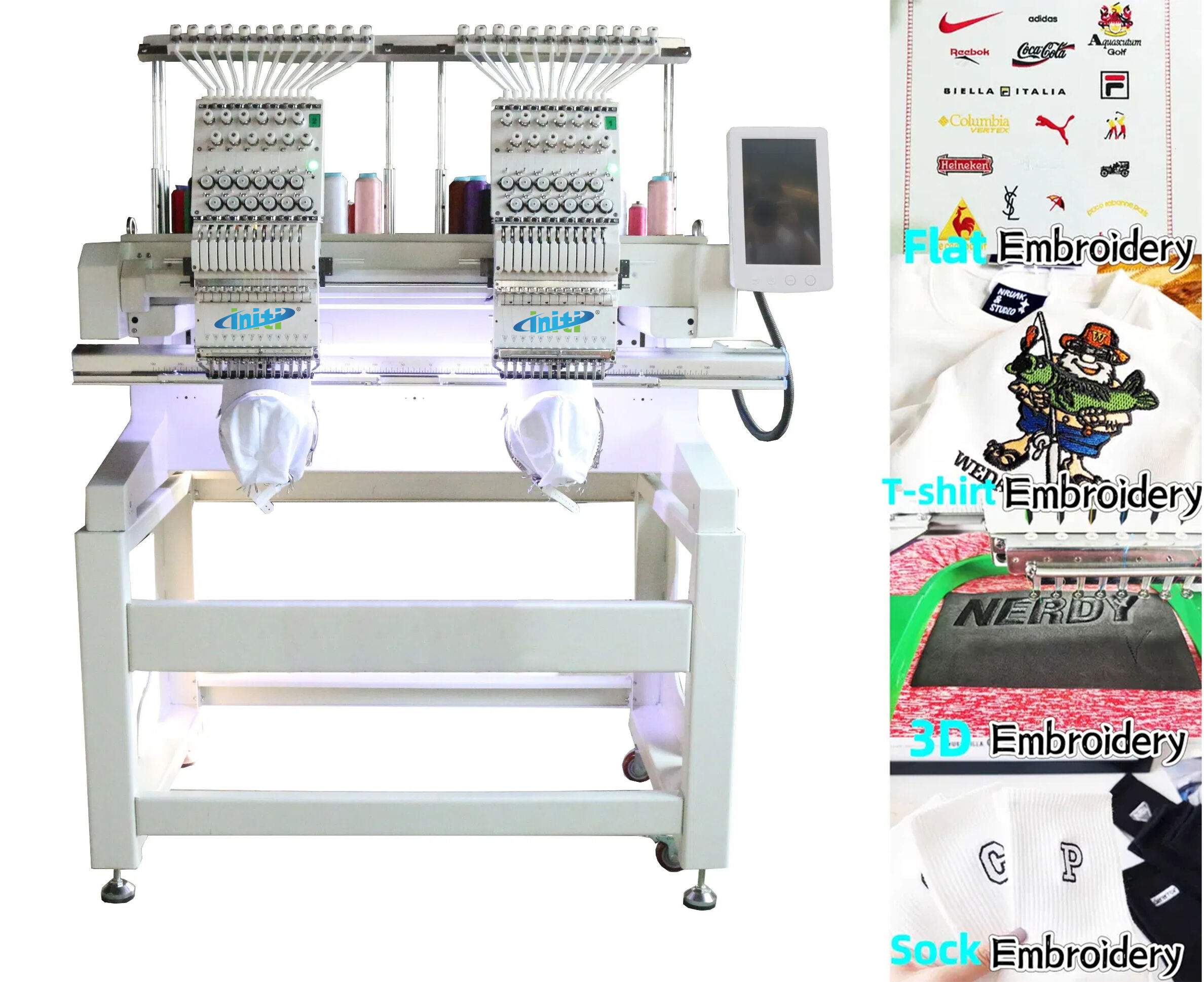
The industrial embroidery sector has witnessed remarkable growth in recent years, with cap embroidery machines becoming essential equipment for businesses ranging from custom apparel shops to large-scale manufacturing facilities. These specialized machines have revolutionized how businesses approach headwear customization, offering unprecedented precision and efficiency in decorating caps, hats, and other cylindrical textiles. Understanding the durability factors that separate premium cap embroidery machines from standard models is crucial for making informed investment decisions that will serve your business for years to come.
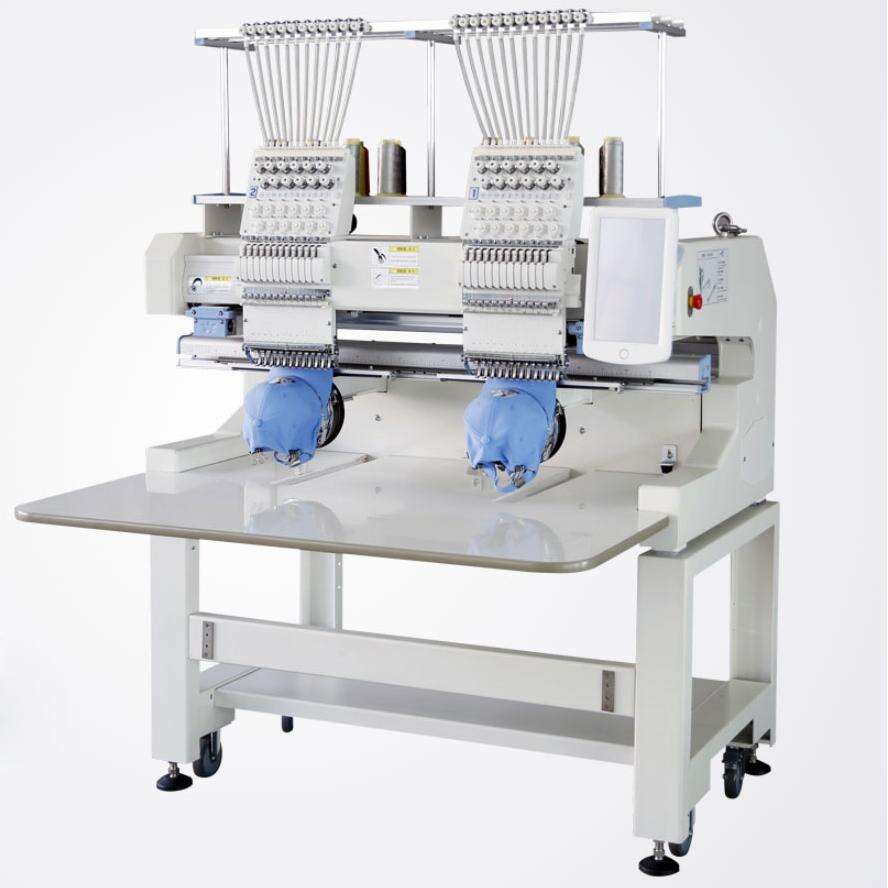
Engineering Excellence in Modern Cap Embroidery Technology
Heavy-Duty Frame Construction
The foundation of any durable cap embroidery machine begins with its frame construction. Premium models feature reinforced steel or aluminum frames that resist vibration and maintain precision alignment even during high-speed operation. This robust construction ensures that cap embroidery machines can withstand continuous operation without compromising stitch quality or dimensional accuracy. The frame design incorporates strategically placed support beams and dampening mechanisms that minimize operational noise while maximizing stability during complex embroidery patterns.
Advanced engineering techniques employed in modern frame construction include computer-aided design optimization and finite element analysis to identify stress concentration points. Manufacturers utilize these insights to reinforce critical areas where operational forces are highest, ensuring longevity even under demanding production schedules. The integration of modular frame components also facilitates easier maintenance and potential upgrades, extending the operational lifespan of cap embroidery machines significantly beyond standard industry expectations.
Precision Drive Systems and Motor Technology
The heart of durable cap embroidery machines lies in their sophisticated drive systems, which convert electrical energy into precise mechanical motion. High-quality servo motors provide exceptional torque control and positioning accuracy, enabling intricate detail work while maintaining consistent thread tension throughout the embroidery process. These advanced motor systems incorporate feedback mechanisms that continuously monitor and adjust performance parameters, ensuring optimal operation regardless of fabric density or design complexity.
Modern cap embroidery machines utilize multi-axis control systems that coordinate simultaneous movements across multiple embroidery heads with microsecond precision. This technological advancement allows for complex gradient effects and multi-color designs that were previously impossible to achieve on cylindrical surfaces. The implementation of brushless motor technology eliminates friction-related wear points, significantly extending operational lifespan while reducing maintenance requirements and operational costs over time.
Advanced Hooping and Positioning Systems
Cylindrical Hoop Design Innovation
The specialized hooping systems used in cap embroidery machines represent a critical component that directly impacts both embroidery quality and machine durability. Premium models feature adjustable cylindrical hoops manufactured from lightweight yet robust materials that accommodate various cap styles and sizes without compromising stability. These hooping systems incorporate quick-release mechanisms that enable rapid changeovers between different cap types, maximizing production efficiency while minimizing operator fatigue during extended production runs.
Advanced hoop design incorporates ergonomic considerations that reduce operator strain while ensuring consistent cap positioning. The integration of magnetic or pneumatic clamping systems provides secure cap retention without damaging delicate fabric structures. Many modern cap embroidery machines feature interchangeable hoop systems that allow operators to switch between different cap styles seamlessly, accommodating everything from fitted baseball caps to structured trucker hats with equal precision and reliability.
Automated Positioning and Alignment Technology
Sophisticated positioning systems in professional cap embroidery machines utilize laser alignment technology and computerized measurement systems to ensure precise embroidery placement on every cap. These systems automatically detect cap dimensions and adjust embroidery parameters accordingly, eliminating manual measurement errors and reducing setup time between different cap styles. The integration of vision systems enables real-time monitoring of cap position throughout the embroidery process, making automatic corrections when necessary.
The implementation of programmable positioning presets allows operators to store optimal settings for frequently embroidered cap styles, streamlining production workflows and ensuring consistent results across large production runs. Advanced cap embroidery machines incorporate touch-screen interfaces that display real-time positioning data and provide intuitive controls for fine-tuning alignment parameters. This technological sophistication significantly reduces operator training requirements while improving overall production quality and consistency.
Thread Management and Tension Control Systems
Multi-Thread Delivery Mechanisms
Professional cap embroidery machines feature sophisticated thread delivery systems that maintain consistent tension across multiple embroidery heads simultaneously. These systems incorporate individual thread path optimization for each color station, ensuring smooth thread flow regardless of thread type or embroidery speed. Advanced tensioning mechanisms automatically compensate for variations in thread characteristics, preventing thread breaks and ensuring consistent stitch formation throughout complex multi-color designs.
The integration of active thread monitoring systems provides real-time feedback on thread consumption and alerts operators to potential issues before they impact production quality. Modern cap embroidery machines utilize magnetic tensioning devices that provide precise, repeatable tension settings while accommodating different thread weights and materials. This sophisticated approach to thread management significantly reduces material waste while improving overall embroidery quality and production efficiency.
Automatic Thread Cutting and Trimming
Advanced cap embroidery machines incorporate precision thread cutting mechanisms that automatically trim thread tails at the completion of each color segment or design element. These systems utilize servo-controlled cutting blades that provide clean, precise cuts without fraying or leaving excessive thread tails that could interfere with subsequent embroidery operations. The integration of programmable cutting parameters allows operators to customize trim lengths based on specific design requirements or customer preferences.
Automated trimming systems in professional cap embroidery machines include safety features that prevent accidental fabric damage during the cutting process. Advanced models incorporate optical sensors that detect thread position and fabric proximity, ensuring accurate cuts while protecting delicate cap materials. The reliability of these automated systems reduces operator intervention requirements and maintains consistent finishing quality across large production runs.
Digital Control Systems and Software Integration
Computerized Embroidery Control Platforms
Modern cap embroidery machines utilize sophisticated computerized control systems that manage every aspect of the embroidery process with unprecedented precision. These platforms integrate design software, machine control, and production monitoring capabilities into unified systems that streamline workflow management and optimize production efficiency. The implementation of touchscreen interfaces provides intuitive access to machine settings, design parameters, and diagnostic information, enabling operators to maximize machine capabilities while minimizing training requirements.
Advanced control systems in cap embroidery machines feature real-time monitoring capabilities that track production metrics, machine performance, and maintenance requirements continuously. These systems generate comprehensive reports that help operators identify optimization opportunities and schedule preventive maintenance procedures proactively. The integration of network connectivity enables remote monitoring and diagnostic capabilities, allowing technical support teams to provide assistance and troubleshooting services without requiring on-site visits.
Design Software and Pattern Management
Professional cap embroidery machines include comprehensive design software packages that enable operators to create, modify, and optimize embroidery patterns specifically for cylindrical surfaces. These software solutions incorporate specialized algorithms that compensate for the curvature of caps and other rounded objects, ensuring accurate pattern reproduction regardless of cap style or size. Advanced digitizing tools provide precise control over stitch density, direction, and sequencing to achieve optimal results on various fabric types and cap constructions.
The integration of automated design optimization features in cap embroidery machines reduces manual digitizing time while improving pattern quality and production efficiency. Modern software platforms include extensive libraries of pre-digitized fonts and design elements specifically optimized for cap embroidery applications. These comprehensive software solutions enable operators to achieve professional results while minimizing the learning curve associated with complex embroidery design creation and modification processes.
Maintenance and Service Considerations
Preventive Maintenance Protocols
Implementing comprehensive preventive maintenance protocols is essential for maximizing the operational lifespan and performance consistency of cap embroidery machines. Regular maintenance schedules should include lubrication of moving components, calibration of positioning systems, and inspection of wear-prone elements such as needles, bobbins, and thread guides. Professional maintenance programs often incorporate computerized maintenance management systems that track service intervals and provide automated reminders for scheduled maintenance activities.
Advanced cap embroidery machines feature built-in diagnostic systems that monitor component performance and alert operators to potential maintenance requirements before issues impact production quality. These predictive maintenance capabilities help prevent unexpected downtime while optimizing maintenance costs and resource allocation. The implementation of modular component design in modern machines facilitates rapid replacement of wear components, minimizing production interruptions during routine maintenance procedures.
Technical Support and Training Resources
Comprehensive technical support and operator training programs are crucial factors that contribute to the long-term success and durability of cap embroidery machines in production environments. Leading manufacturers provide extensive training resources that cover machine operation, maintenance procedures, troubleshooting techniques, and design optimization strategies. These educational programs ensure that operators can maximize machine capabilities while minimizing the risk of operational errors that could impact machine longevity or production quality.
Modern support systems for cap embroidery machines often include remote diagnostic capabilities, online training modules, and comprehensive technical documentation that enables operators to resolve common issues independently. The availability of readily accessible spare parts and service components ensures minimal downtime when maintenance or repairs are required. Investment in comprehensive training and support programs significantly enhances the return on investment for cap embroidery machines while ensuring consistent production quality throughout the machine's operational lifespan.
FAQ
What factors determine the durability of cap embroidery machines
The durability of cap embroidery machines depends primarily on frame construction quality, motor and drive system specifications, and the precision of mechanical components. Heavy-duty steel or aluminum frames provide stability and vibration resistance, while high-quality servo motors ensure consistent performance over extended periods. Additionally, the quality of thread management systems, hooping mechanisms, and computerized controls significantly impacts long-term reliability and operational consistency.
How often should cap embroidery machines undergo preventive maintenance
Professional cap embroidery machines typically require daily cleaning and basic inspection, with more comprehensive maintenance performed weekly or monthly depending on usage intensity. Critical maintenance tasks include lubrication of moving parts, calibration checks, and replacement of consumable components like needles and bobbins. Most manufacturers recommend professional service inspections every 6-12 months to ensure optimal performance and identify potential issues before they impact production capabilities.
What are the key differences between industrial and commercial cap embroidery machines
Industrial cap embroidery machines feature heavier construction, more powerful motors, and enhanced durability components designed for continuous operation in high-volume production environments. They typically offer faster embroidery speeds, larger embroidery areas, and more sophisticated control systems compared to commercial models. Industrial machines also include advanced features like multiple head configurations, automated thread changing, and comprehensive production monitoring capabilities that optimize efficiency in professional manufacturing settings.
How do modern cap embroidery machines handle different cap styles and materials
Advanced cap embroidery machines utilize adjustable hooping systems and programmable positioning controls that accommodate various cap styles, from fitted baseball caps to structured promotional headwear. Computerized control systems automatically adjust embroidery parameters based on fabric type and cap construction, ensuring optimal stitch formation regardless of material characteristics. Modern machines include preset configurations for common cap styles and materials, streamlining setup processes while maintaining consistent embroidery quality across diverse product ranges.
Table of Contents
- Engineering Excellence in Modern Cap Embroidery Technology
- Advanced Hooping and Positioning Systems
- Thread Management and Tension Control Systems
- Digital Control Systems and Software Integration
- Maintenance and Service Considerations
-
FAQ
- What factors determine the durability of cap embroidery machines
- How often should cap embroidery machines undergo preventive maintenance
- What are the key differences between industrial and commercial cap embroidery machines
- How do modern cap embroidery machines handle different cap styles and materials