

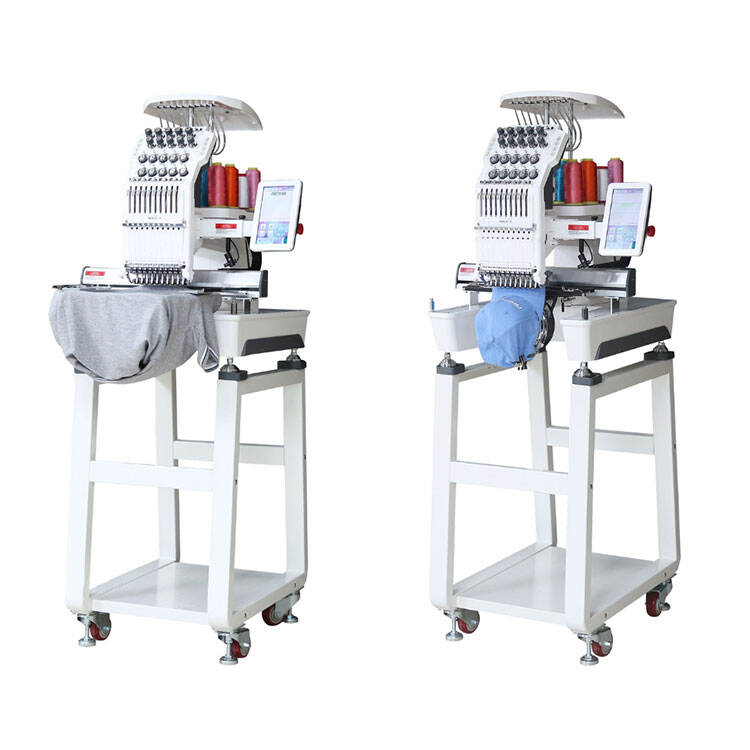
The textile and manufacturing industry relies heavily on precision equipment to deliver exceptional results, and an embroidery sewing machine represents one of the most critical investments for businesses seeking to enhance their production capabilities. These sophisticated machines have evolved significantly from their traditional counterparts, incorporating advanced technology and engineering innovations that define modern embroidery operations. Understanding what distinguishes a high-quality embroidery sewing machine from standard alternatives becomes essential for manufacturers, fashion designers, and textile producers who demand consistent, professional-grade results in their embroidery projects.
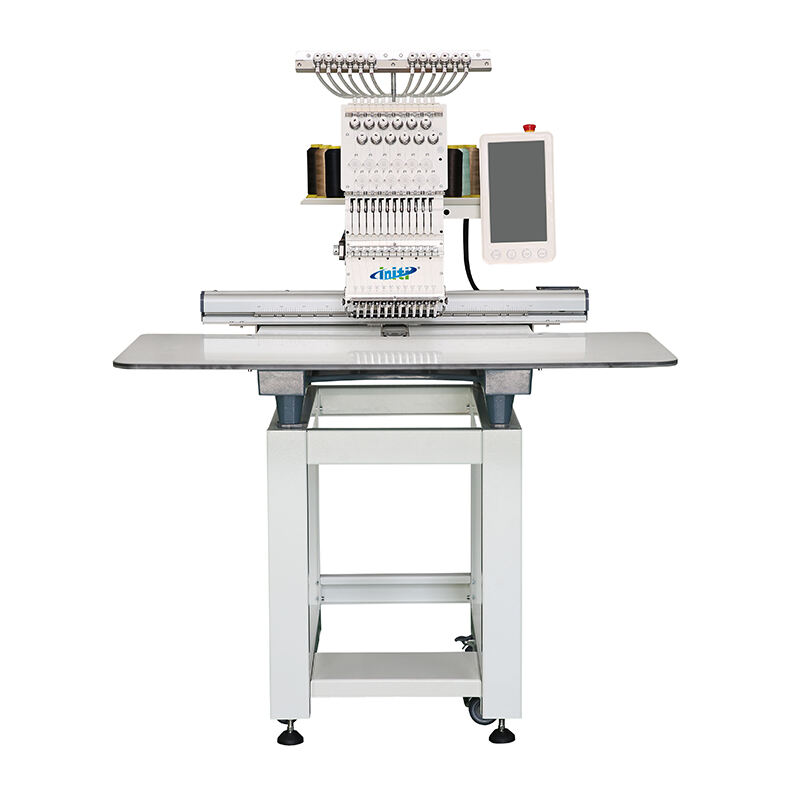
Quality in embroidery equipment extends beyond basic functionality to encompass precision engineering, durability, versatility, and technological integration. A superior embroidery sewing machine delivers consistent stitch quality across various fabric types while maintaining operational efficiency throughout extended production runs. The distinction between ordinary and exceptional equipment often determines the success of commercial embroidery operations, affecting everything from production timelines to final product quality and customer satisfaction.
Engineering Excellence and Build Quality
Frame Construction and Stability
The foundation of any exceptional embroidery sewing machine begins with its structural integrity and frame construction. Premium machines feature robust steel or aluminum alloy frames designed to minimize vibration and maintain dimensional accuracy during high-speed operation. This solid construction ensures that the embroidery sewing machine maintains precise needle positioning even when operating at maximum speeds, preventing thread breaks and maintaining consistent stitch formation across complex designs.
Advanced frame engineering incorporates vibration dampening technologies that reduce machine noise while improving operator comfort during extended production sessions. The stability provided by superior frame construction directly impacts the machine's ability to handle heavy fabrics and maintain embroidery quality across diverse material types. Manufacturers investing in well-constructed equipment benefit from reduced maintenance requirements and extended operational lifespans that justify the initial investment through improved productivity and reliability.
Precision Components and Tolerances
Manufacturing tolerances in critical components distinguish professional-grade equipment from consumer-level alternatives. High-quality embroidery machines utilize precision-machined components with tight tolerances that ensure consistent performance throughout the machine's operational life. These exacting standards apply to needle bars, thread guides, tension mechanisms, and drive systems that work together to deliver superior embroidery results.
The quality of bearings, bushings, and sliding mechanisms directly affects the machine's longevity and maintenance requirements. Premium components resist wear and maintain their specifications even under continuous operation, ensuring that the embroidery sewing machine continues to produce consistent results without gradual degradation in performance. This attention to component quality translates into reduced downtime, lower maintenance costs, and sustained production quality that meets demanding commercial requirements.
Advanced Control Systems and Technology Integration
Digital Interface and User Experience
Modern embroidery machines incorporate sophisticated control systems that enhance operator efficiency while simplifying complex embroidery processes. Touchscreen interfaces provide intuitive access to machine functions, design libraries, and operational parameters that allow operators to optimize performance for specific projects. The quality of these control systems significantly impacts productivity and ease of use, making advanced interfaces essential features of professional-grade equipment.
High-resolution displays enable operators to preview designs, adjust parameters, and monitor machine status in real-time. Advanced control systems support multiple file formats and provide design editing capabilities that eliminate the need for separate software in many applications. The integration of user-friendly interfaces with powerful processing capabilities allows operators to maximize the potential of their embroidery sewing machine while minimizing learning curves and training requirements.
Automation and Intelligent Features
Intelligent automation features distinguish premium embroidery equipment from basic alternatives by reducing manual intervention and optimizing production efficiency. Automatic thread trimming, color changing, and tension adjustment capabilities enable continuous operation while maintaining consistent quality standards. These automated functions reduce operator fatigue and minimize the potential for human error during complex embroidery sequences.
Advanced machines incorporate sensors and monitoring systems that detect thread breaks, fabric positioning errors, and other operational issues before they affect embroidery quality. Predictive maintenance features analyze operational data to identify potential problems before they cause production interruptions. These intelligent capabilities ensure that the embroidery sewing machine operates at peak efficiency while minimizing unexpected downtime and maintenance costs.
Multi-Needle Capabilities and Threading Systems
Needle Configuration and Flexibility
The number and configuration of needles significantly impact the versatility and efficiency of embroidery operations. Multi-needle systems allow for complex color combinations without manual thread changes, dramatically reducing production time while maintaining design integrity. Professional embroidery machines typically feature between six and forty needles, with the optimal configuration depending on specific application requirements and production volumes.
Advanced needle systems incorporate individual tension controls for each needle position, allowing operators to optimize thread behavior for different colors and thread types within a single design. This capability ensures consistent stitch quality across varied materials while accommodating specialty threads such as metallic, rayon, or polyester varieties. The flexibility provided by sophisticated needle configurations enables embroidery operations to handle diverse projects without equipment limitations constraining creative possibilities.
Thread Path Design and Tension Control
Thread path engineering plays a crucial role in preventing thread breaks and maintaining consistent tension throughout embroidery processes. Quality machines feature smooth, carefully designed thread paths that minimize friction while providing optimal thread control. Strategic placement of thread guides, tensioners, and take-up systems ensures reliable thread delivery to each needle position regardless of thread type or embroidery speed.
Precise tension control mechanisms allow operators to fine-tune thread behavior for specific materials and thread types. Advanced systems provide digital tension adjustment with memory functions that store optimal settings for frequently used thread and fabric combinations. This level of control enables the embroidery sewing machine to handle delicate fabrics and specialty threads while maintaining the consistent tension required for professional-quality results.
Fabric Handling and Hooping Systems
Embroidery Area and Field Size
The size and accessibility of the embroidery field directly impact the types of projects that can be completed efficiently. Large embroidery areas accommodate oversized garments, home textiles, and industrial applications that require extensive design coverage. Professional machines typically offer embroidery fields ranging from standard garment sizes to industrial-scale capabilities that support commercial production requirements.
Field accessibility affects operator efficiency when loading materials and changing hoops during production runs. Well-designed machines provide clear access to the embroidery area while maintaining the structural support necessary for precise stitching. The combination of generous embroidery capacity with user-friendly access enables operators to handle diverse projects efficiently while maintaining the precision required for professional-quality embroidery work.
Hooping Systems and Material Support
Advanced hooping systems accommodate various fabric types and thicknesses while maintaining the consistent tension required for quality embroidery. Quick-change hoop mechanisms reduce setup time between projects while ensuring reliable fabric positioning throughout embroidery cycles. Professional-grade systems support multiple hoop sizes and configurations that adapt to specific project requirements without compromising embroidery quality.
Integrated fabric support systems prevent material distortion during embroidery processes, particularly important when working with stretchy or delicate fabrics. Proper material handling ensures that the embroidery sewing machine produces consistent results regardless of fabric characteristics, expanding the range of applications that can be completed successfully. These support systems maintain fabric stability while allowing the machine to accommodate various material types and weights.
Speed and Production Efficiency
Operating Speed Capabilities
Embroidery speed capabilities significantly impact production throughput and operational efficiency in commercial applications. High-quality machines typically operate at speeds ranging from 800 to 1,500 stitches per minute while maintaining precise stitch formation and thread control. The ability to maintain quality at maximum speeds distinguishes professional equipment from consumer-grade alternatives that may compromise precision at higher operating speeds.
Variable speed control allows operators to optimize embroidery speed based on design complexity, fabric type, and thread characteristics. Delicate materials and intricate designs may require reduced speeds to maintain quality, while simple designs on stable fabrics can utilize maximum speed capabilities. This flexibility enables the embroidery sewing machine to adapt to diverse production requirements while maximizing efficiency within quality constraints.
Production Workflow Optimization
Efficient production workflows minimize setup time and maximize machine utilization throughout operational periods. Advanced machines incorporate features that streamline material loading, design selection, and quality verification processes. Automated functions reduce manual intervention requirements while maintaining the oversight necessary to ensure consistent quality standards across production runs.
Memory functions store frequently used designs and machine settings, enabling rapid setup for repeat orders and standard products. Production tracking capabilities monitor machine utilization and performance metrics that support operational optimization and scheduling decisions. These workflow enhancements ensure that embroidery operations maximize the productive potential of their equipment investment while maintaining quality standards.
Maintenance and Reliability Considerations
Accessibility and Service Requirements
Maintenance accessibility significantly impacts operational costs and equipment downtime throughout the machine's service life. Well-designed embroidery machines provide clear access to critical components that require regular maintenance, enabling operators to perform routine servicing efficiently. Strategic component placement and removable panels facilitate cleaning, lubrication, and adjustment procedures without extensive disassembly requirements.
Service documentation and diagnostic capabilities help operators identify maintenance needs and troubleshoot operational issues. Advanced machines incorporate diagnostic systems that monitor component condition and alert operators to maintenance requirements before problems affect production quality. This proactive approach to maintenance ensures that the embroidery sewing machine maintains peak performance while minimizing unexpected downtime and repair costs.
Component Longevity and Wear Resistance
The durability of wearing components directly affects maintenance frequency and operational costs over the machine's service life. High-quality machines utilize premium materials and surface treatments that resist wear and maintain specifications throughout extended operation periods. Components such as needles bars, thread guides, and drive mechanisms benefit from advanced materials and engineering that extend service intervals.
Lubrication systems and protective features minimize component wear while maintaining optimal operating conditions. Sealed bearings, dust protection, and contamination prevention measures protect critical components from environmental factors that could accelerate wear or degrade performance. These protective measures ensure consistent operation while reducing maintenance requirements and extending the productive life of embroidery equipment.
FAQ
What factors should be considered when selecting an embroidery sewing machine for commercial use
Commercial embroidery machine selection requires careful evaluation of production requirements, including expected volumes, design complexity, and material types. Key considerations include needle count, embroidery field size, operating speed capabilities, and automation features that impact productivity. Additionally, assess the quality of construction, control systems, and support infrastructure to ensure the equipment meets long-term operational requirements while providing reliable performance throughout its service life.
How does multi-needle capability affect embroidery production efficiency
Multi-needle systems dramatically improve production efficiency by eliminating manual thread changes during color transitions, reducing setup time and maintaining consistent embroidery quality. The number of needles determines the complexity of designs that can be completed without interruption, with larger needle counts supporting more sophisticated color schemes and design elements. This capability enables continuous operation during complex projects while reducing labor requirements and improving overall productivity.
What maintenance practices ensure optimal embroidery machine performance
Regular maintenance includes daily cleaning of thread paths and needle areas, weekly lubrication of moving components, and periodic calibration of tension and timing systems. Monitor thread quality and replace needles based on usage and fabric requirements rather than arbitrary schedules. Implement preventive maintenance schedules that address critical components before wear affects performance, ensuring consistent embroidery quality while minimizing unexpected downtime and repair costs.
How do advanced control systems improve embroidery operation efficiency
Modern control systems streamline operations through intuitive interfaces, design preview capabilities, and automated parameter optimization that reduces setup time and operator training requirements. Digital controls provide precise adjustment of embroidery parameters while storing settings for repeated use, enabling consistent results across production runs. Integration with design software and production management systems further enhances efficiency by automating workflow processes and reducing manual data entry requirements.
Table of Contents
- Engineering Excellence and Build Quality
- Advanced Control Systems and Technology Integration
- Multi-Needle Capabilities and Threading Systems
- Fabric Handling and Hooping Systems
- Speed and Production Efficiency
- Maintenance and Reliability Considerations
-
FAQ
- What factors should be considered when selecting an embroidery sewing machine for commercial use
- How does multi-needle capability affect embroidery production efficiency
- What maintenance practices ensure optimal embroidery machine performance
- How do advanced control systems improve embroidery operation efficiency