

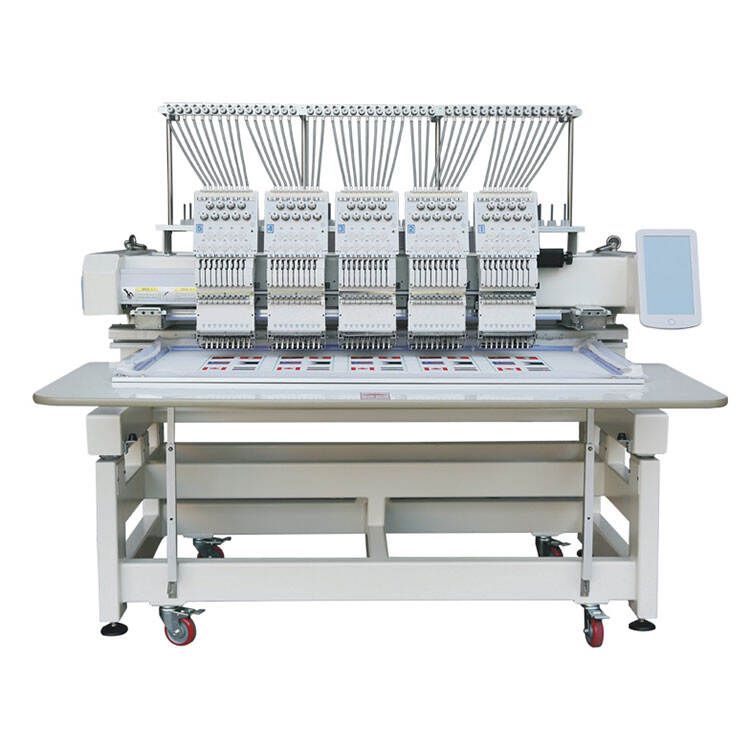
In today's competitive manufacturing landscape, investing in high-quality machines has become more critical than ever before. The difference between premium industrial equipment and standard alternatives often determines long-term operational success, production efficiency, and overall return on investment. Discerning manufacturers understand that high-quality machines represent far more than just initial purchase decisions—they embody strategic investments in sustainable business growth and operational excellence.

Understanding Machine Quality Fundamentals
Material Construction and Engineering Standards
The foundation of high-quality machines begins with superior material selection and engineering precision. Premium manufacturers utilize advanced metallurgy, incorporating high-grade steel alloys and specialized composites that ensure exceptional durability under demanding industrial conditions. These materials undergo rigorous testing protocols, including stress analysis, fatigue resistance evaluation, and environmental exposure assessments that guarantee consistent performance over extended operational periods.
Engineering standards play an equally crucial role in defining machine quality characteristics. High-quality machines feature precision-machined components manufactured to exact tolerances, typically within micron-level specifications. This attention to detail ensures seamless integration between moving parts, reducing wear patterns and minimizing maintenance requirements. Advanced computer-aided design systems enable manufacturers to optimize component geometry, improving stress distribution and enhancing overall structural integrity.
Manufacturing Process Excellence
Distinguished manufacturers implement comprehensive quality control systems throughout their production processes. High-quality machines undergo multiple inspection stages, from raw material verification to final assembly testing. These protocols include dimensional accuracy checks, surface finish evaluations, and performance validation procedures that ensure each unit meets stringent quality benchmarks before shipment to customers.
Advanced manufacturing techniques contribute significantly to machine quality outcomes. Precision machining centers, automated assembly systems, and sophisticated measurement equipment enable consistent production standards. Quality-focused manufacturers invest heavily in state-of-the-art production facilities, ensuring their high-quality machines benefit from the latest technological advancements and manufacturing best practices available in the industry today.
Performance Characteristics of Superior Equipment
Operational Reliability and Consistency
High-quality machines demonstrate exceptional operational reliability through consistent performance delivery under varying production conditions. These systems maintain precise operational parameters, delivering repeatable results that meet or exceed specified tolerances. Reliability encompasses multiple factors, including mechanical stability, electronic system integrity, and software performance consistency that collectively ensure predictable production outcomes.
Consistency represents another hallmark of premium industrial equipment. High-quality machines maintain stable performance characteristics throughout extended production runs, minimizing variation in output quality and dimensional accuracy. This consistency translates directly into reduced waste, improved customer satisfaction, and enhanced competitive positioning for manufacturing operations that prioritize quality excellence.
Energy Efficiency and Environmental Considerations
Modern high-quality machines incorporate advanced energy management systems that optimize power consumption while maintaining peak performance levels. These systems utilize variable frequency drives, intelligent power management algorithms, and energy-efficient components that reduce operational costs and environmental impact. Premium manufacturers recognize that energy efficiency represents both economic and environmental imperatives in contemporary industrial operations.
Environmental considerations extend beyond energy consumption to include sustainable manufacturing practices and end-of-life recyclability. High-quality machines often feature modular designs that facilitate component replacement and system upgrades, extending operational lifecycles and reducing environmental footprint. These design philosophies align with corporate sustainability initiatives while delivering tangible economic benefits through reduced replacement frequency and enhanced asset utilization.
Technology Integration and Innovation
Advanced Control Systems
Contemporary high-quality machines incorporate sophisticated control systems that enhance operational capabilities and user experience. These systems feature intuitive human-machine interfaces, real-time monitoring capabilities, and advanced diagnostic functions that enable operators to optimize performance and predict maintenance requirements. Integration with enterprise resource planning systems provides comprehensive production visibility and data-driven decision-making capabilities.
Automation capabilities represent significant differentiators among high-quality machines in today's market. Advanced systems offer programmable logic controllers, servo-driven positioning systems, and intelligent feedback mechanisms that minimize manual intervention while maximizing precision and repeatability. These technological innovations enable manufacturers to achieve higher productivity levels while maintaining consistent quality standards across diverse production scenarios.
Connectivity and Industry 4.0 Integration
Modern high-quality machines embrace Industry 4.0 principles through comprehensive connectivity features and data analytics capabilities. Internet-of-Things integration enables remote monitoring, predictive maintenance scheduling, and performance optimization through cloud-based analytics platforms. These capabilities provide manufacturers with unprecedented visibility into equipment performance and operational efficiency metrics.
Data collection and analysis capabilities distinguish premium equipment from standard alternatives. High-quality machines generate detailed operational data, including cycle times, energy consumption, and quality metrics that enable continuous improvement initiatives. Advanced analytics platforms process this information to identify optimization opportunities, predict component failures, and recommend operational adjustments that enhance overall equipment effectiveness.
Durability and Lifecycle Considerations
Component Longevity and Wear Resistance
High-quality machines demonstrate superior component longevity through advanced materials engineering and precision manufacturing techniques. Critical wear components utilize specialized coatings, heat treatments, and surface hardening processes that extend operational lifecycles significantly beyond standard alternatives. These enhancements reduce replacement frequency and minimize unplanned downtime associated with component failures.
Wear resistance characteristics vary significantly between premium and standard equipment options. High-quality machines incorporate bearing systems, drive components, and cutting tools engineered for extended service intervals. Premium manufacturers conduct extensive accelerated life testing to validate component durability claims, ensuring customers receive equipment capable of sustained high-performance operation under demanding production conditions.
Maintenance Requirements and Serviceability
Maintenance accessibility represents a crucial consideration when evaluating high-quality machines for industrial applications. Premium equipment features thoughtful design elements that facilitate routine maintenance procedures, including easily accessible lubrication points, removable covers, and modular component arrangements. These design characteristics reduce maintenance time requirements and associated labor costs throughout equipment lifecycles.
Predictive maintenance capabilities increasingly distinguish high-quality machines from conventional alternatives. Advanced monitoring systems track component conditions, vibration patterns, and performance trends that enable maintenance scheduling based on actual equipment needs rather than arbitrary time intervals. This approach optimizes maintenance resources while preventing unexpected failures that disrupt production schedules and increase operational costs.
Manufacturer Support and Service Excellence
Technical Support Infrastructure
Comprehensive technical support distinguishes reputable manufacturers of high-quality machines from competitors focused primarily on initial sales transactions. Premium manufacturers maintain dedicated support organizations staffed by experienced engineers and technicians capable of addressing complex technical challenges. These support networks provide responsive assistance through multiple communication channels, ensuring minimal disruption to customer operations.
Training programs represent additional value propositions offered by quality-focused manufacturers. Comprehensive operator training, maintenance workshops, and troubleshooting seminars ensure customers maximize equipment capabilities while minimizing operational risks. These educational initiatives contribute significantly to overall equipment effectiveness and long-term customer satisfaction with high-quality machines investments.
Parts Availability and Supply Chain Reliability
Long-term parts availability distinguishes established manufacturers from emerging competitors in the high-quality machines marketplace. Reputable manufacturers maintain comprehensive spare parts inventories and guarantee component availability for extended periods, often spanning decades beyond initial equipment installations. This commitment ensures customers can maintain equipment performance throughout anticipated service lives without concerns about obsolescence.
Supply chain reliability becomes increasingly important as manufacturing operations depend on consistent equipment availability. High-quality machines manufacturers implement robust supply chain management systems that ensure rapid parts delivery and minimize inventory carrying costs for customers. Strategic partnerships with component suppliers and regional distribution networks enhance service responsiveness while reducing total cost of ownership.
Return on Investment Considerations
Productivity and Efficiency Gains
High-quality machines deliver measurable productivity improvements through enhanced operational speeds, reduced cycle times, and improved first-pass quality rates. These performance advantages translate directly into increased production capacity without proportional increases in labor costs or facility requirements. Quantifiable efficiency gains justify premium purchase prices through improved competitiveness and enhanced profit margins.
Quality improvements associated with premium equipment reduce rework costs, warranty claims, and customer complaints that negatively impact profitability. High-quality machines consistently produce outputs that meet or exceed specifications, eliminating waste associated with defective products and enhancing customer satisfaction levels. These quality advantages strengthen market positioning and support premium pricing strategies for manufactured products.
Total Cost of Ownership Analysis
Comprehensive total cost of ownership evaluations reveal the economic advantages of investing in high-quality machines over standard alternatives. While initial purchase prices may exceed budget equipment options, superior reliability, reduced maintenance requirements, and extended service lives result in lower lifecycle costs. These economic benefits become more pronounced as equipment ages and operational demands intensify.
Energy efficiency contributions to total cost calculations continue gaining importance as utility costs increase and environmental regulations tighten. High-quality machines typically consume less energy per unit of production while delivering superior performance characteristics. These efficiency advantages compound over equipment lifecycles, generating substantial savings that offset initial investment premiums and contribute to improved profitability.
FAQ
How can manufacturers identify truly high-quality machines during the evaluation process
Manufacturers should evaluate multiple criteria including material construction quality, manufacturing precision standards, component specifications, and performance validation data. Request detailed technical documentation, reference installations, and conduct thorough facility tours to assess manufacturing capabilities. High-quality machines typically feature precision-machined components, advanced control systems, and comprehensive quality certifications from recognized industry standards organizations.
What role does manufacturer reputation play in identifying high-quality machines
Manufacturer reputation serves as a reliable indicator of equipment quality, reflecting years of market experience, customer satisfaction, and continuous improvement initiatives. Established manufacturers with strong reputations typically invest heavily in research and development, maintain comprehensive support organizations, and stand behind their products with extensive warranties. Research customer testimonials, industry awards, and market presence to evaluate manufacturer credibility before making investment decisions.
How do high-quality machines impact long-term operational costs compared to standard equipment
High-quality machines typically deliver lower total cost of ownership through reduced maintenance requirements, extended service intervals, improved energy efficiency, and enhanced reliability. While initial purchase prices may exceed standard alternatives, superior durability and performance characteristics result in fewer unexpected repairs, reduced downtime, and consistent production quality. These operational advantages compound over equipment lifecycles, generating substantial cost savings and improved profitability.
What maintenance considerations distinguish high-quality machines from standard alternatives
High-quality machines feature superior component materials, precision manufacturing tolerances, and advanced monitoring capabilities that extend maintenance intervals and reduce service complexity. Premium equipment incorporates accessible service points, modular component designs, and predictive maintenance systems that optimize service scheduling. These design characteristics minimize maintenance labor requirements while ensuring optimal equipment performance throughout extended operational periods.
Table of Contents
- Understanding Machine Quality Fundamentals
- Performance Characteristics of Superior Equipment
- Technology Integration and Innovation
- Durability and Lifecycle Considerations
- Manufacturer Support and Service Excellence
- Return on Investment Considerations
-
FAQ
- How can manufacturers identify truly high-quality machines during the evaluation process
- What role does manufacturer reputation play in identifying high-quality machines
- How do high-quality machines impact long-term operational costs compared to standard equipment
- What maintenance considerations distinguish high-quality machines from standard alternatives