

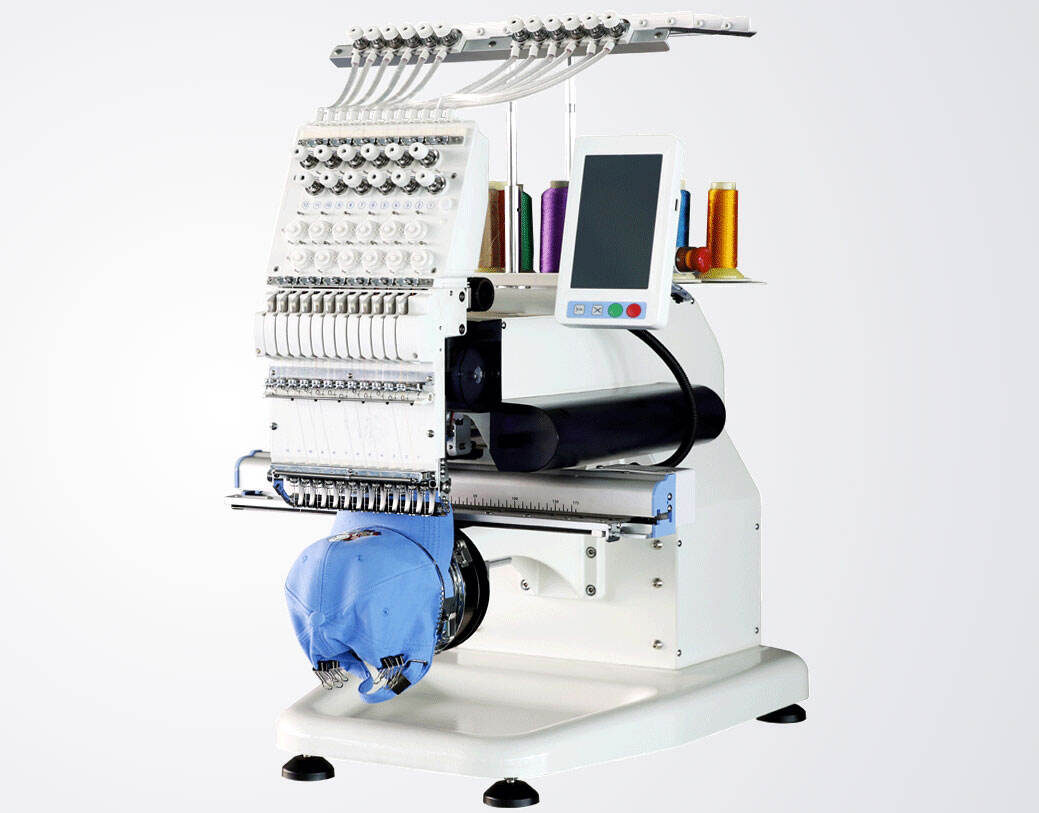
In today's competitive textile industry, the demand for high-quality embroidered products continues to grow across commercial and industrial sectors. An embroidery sewing machine serves as the cornerstone of successful embroidery operations, combining advanced technology with precise mechanical engineering to deliver consistent, professional results. Whether you're operating a small embroidery shop or managing large-scale production facilities, selecting the right embroidery sewing machine can significantly impact your operational efficiency, product quality, and bottom-line profitability. The modern embroidery sewing machine has evolved far beyond simple decorative stitching, now offering sophisticated computerized controls, multi-head configurations, and industrial-grade durability that meets the most demanding production requirements.
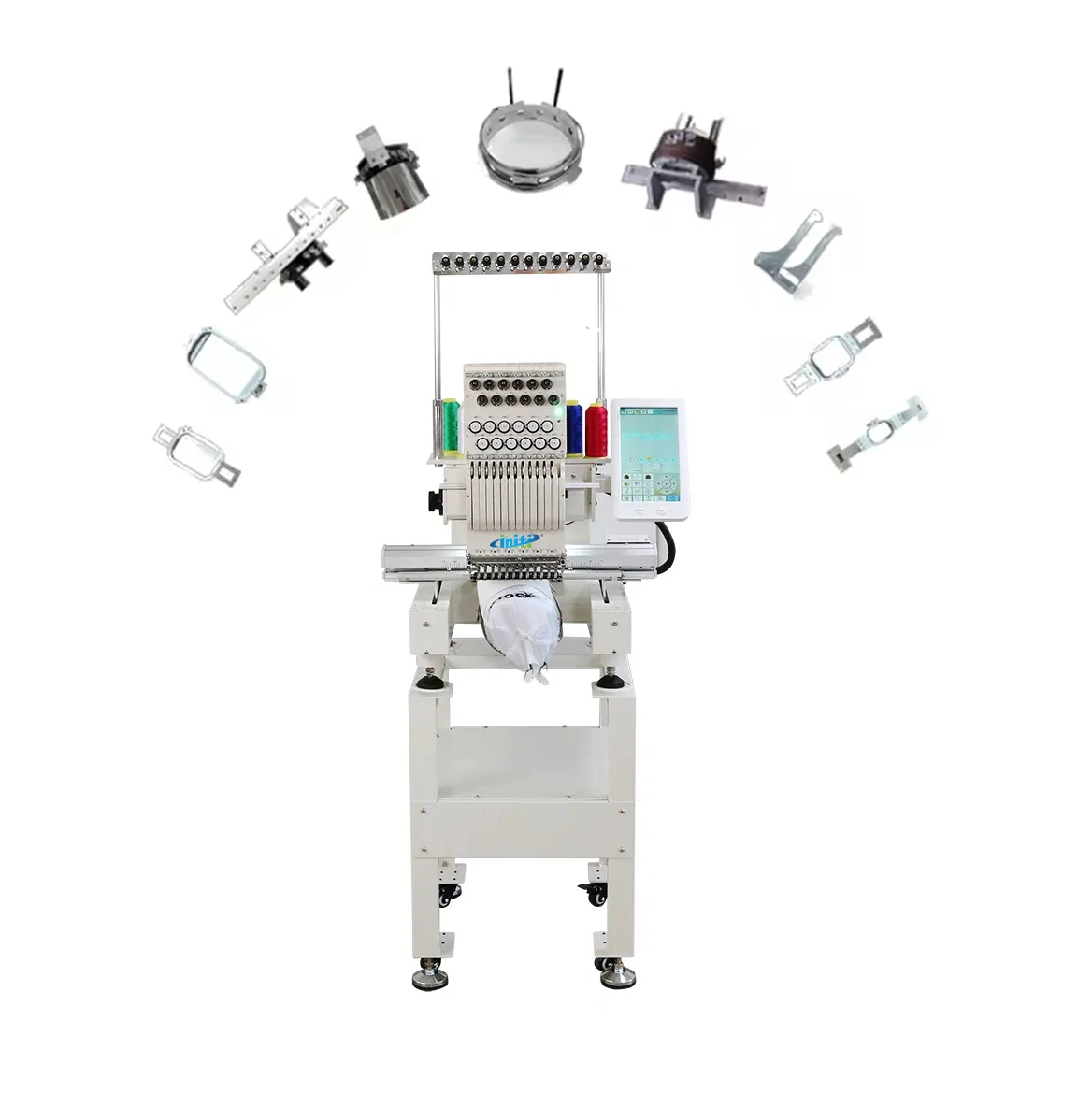
Essential Components of Industrial Embroidery Equipment
Computerized Control Systems
Modern computerized control systems represent the brain of every advanced embroidery sewing machine, providing operators with unprecedented control over stitch patterns, thread tension, and production timing. These sophisticated systems utilize digital interfaces that allow for real-time monitoring and adjustment of embroidery parameters, ensuring consistent quality across large production runs. The integration of touchscreen displays and intuitive software interfaces has revolutionized how operators interact with their embroidery sewing machine, reducing learning curves and minimizing operational errors.
Advanced control systems also feature automatic thread cutting, color changing capabilities, and programmable start-stop functions that enhance productivity while maintaining precise stitch quality. The digital memory storage allows operators to save hundreds of custom embroidery designs, making it easy to reproduce client-specific patterns with exact specifications. These computerized features transform a traditional embroidery sewing machine into a versatile production tool capable of handling complex multi-color designs with minimal manual intervention.
Precision Mechanical Engineering
The mechanical foundation of a quality embroidery sewing machine relies on precision-engineered components that work in perfect harmony to deliver consistent stitching performance. High-grade steel frames provide the structural stability necessary for maintaining accurate needle positioning during high-speed operation, while precision-machined drive mechanisms ensure smooth, vibration-free movement of the embroidery hoop. These mechanical components undergo rigorous testing and quality control processes to guarantee long-term reliability under demanding production conditions.
Ball bearing assemblies, hardened steel shafts, and precision timing belts work together to create the mechanical precision that distinguishes professional-grade equipment from consumer-level alternatives. The incorporation of servo motors and advanced tension control mechanisms allows operators to fine-tune their embroidery sewing machine for different thread types, fabric weights, and design complexities. This mechanical precision directly translates to superior stitch quality and reduced maintenance requirements over the equipment's operational lifetime.
Performance Characteristics of Professional Embroidery Systems
Speed and Efficiency Optimization
Production speed remains a critical factor in determining the commercial viability of any embroidery sewing machine, with modern systems capable of achieving speeds exceeding 1000 stitches per minute while maintaining exceptional stitch quality. Variable speed control allows operators to adjust production rates based on design complexity, fabric type, and quality requirements, providing flexibility to handle diverse customer specifications. The ability to maintain consistent speed throughout extended production runs demonstrates the robust engineering that characterizes professional-grade embroidery equipment.
Efficiency optimization extends beyond raw speed to include features such as automatic thread trimming, jump stitch elimination, and intelligent color sequencing that minimize manual interventions. These efficiency enhancements allow a single operator to manage multiple production tasks simultaneously, maximizing labor productivity and reducing per-unit production costs. The integration of production monitoring systems provides real-time data on cycle times, thread consumption, and quality metrics, enabling continuous process improvement and operational optimization.
Multi-Head Configuration Benefits
Multi-head embroidery sewing machine configurations multiply production capacity by allowing simultaneous embroidery of multiple pieces, significantly reducing per-unit production times for large orders. Each embroidery head operates independently while sharing common control systems and design files, ensuring perfect consistency across all produced items. This parallel production capability makes multi-head systems ideal for commercial embroidery operations that need to balance high-volume output with precise quality standards.
The scalability of multi-head systems allows businesses to start with smaller configurations and expand their capacity as demand grows, protecting initial investments while providing room for operational growth. Advanced multi-head embroidery sewing machine systems include synchronized operation modes that coordinate all heads for complex designs requiring precise alignment, as well as independent modes that allow different designs to be produced simultaneously on different heads.
Material Compatibility and Versatility
Fabric Type Adaptability
A versatile embroidery sewing machine must demonstrate exceptional adaptability across diverse fabric types, from delicate silk and lightweight cotton to heavy-duty canvas and synthetic materials. The machine's ability to automatically adjust tension, stitch length, and penetration force based on fabric characteristics ensures optimal results regardless of material properties. This adaptability eliminates the need for multiple specialized machines, reducing equipment costs and floor space requirements while expanding service capabilities.
Advanced fabric detection systems can automatically identify material thickness and adjust machine parameters accordingly, while programmable settings allow operators to create custom profiles for frequently used fabric types. The incorporation of variable presser foot pressure and adjustable hooping systems accommodates materials of different thicknesses and textures without compromising stitch quality. This flexibility enables embroidery operations to accept diverse customer requests and explore new market opportunities without equipment limitations.
Thread Compatibility and Management
Professional embroidery sewing machine systems support a wide range of thread types, including polyester, rayon, cotton, metallic, and specialty threads, each requiring specific handling characteristics and tension adjustments. Automatic thread delivery systems maintain consistent tension throughout the embroidery process, preventing thread breaks and ensuring uniform stitch appearance. The ability to work with different thread weights and compositions expands creative possibilities and allows operators to meet specific customer requirements for thread type and color matching.
Integrated thread monitoring systems detect breaks or low thread conditions automatically, pausing production to alert operators before quality issues occur. Large-capacity thread cones reduce change-over frequency during long production runs, while color-coded organization systems help operators manage complex multi-color designs efficiently. These thread management features minimize production interruptions and maintain consistent quality standards throughout extended embroidery operations.
Maintenance and Durability Considerations
Preventive Maintenance Protocols
Regular maintenance protocols are essential for maximizing the operational lifespan and performance consistency of any embroidery sewing machine, with manufacturer-recommended schedules typically covering daily, weekly, and monthly maintenance tasks. Daily maintenance includes cleaning lint accumulation, checking thread paths, and verifying proper lubrication of moving parts, while weekly procedures involve more comprehensive cleaning and inspection of critical components. Monthly maintenance typically includes timing verification, tension system calibration, and replacement of wear items such as needles and bobbin cases.
Proper maintenance not only extends equipment life but also prevents costly production interruptions and maintains consistent stitch quality over time. Many modern embroidery sewing machine systems include built-in maintenance reminders and diagnostic capabilities that alert operators to potential issues before they impact production. The availability of detailed maintenance documentation and training programs helps operators develop the skills necessary to perform routine maintenance tasks effectively, reducing dependence on external service providers.
Component Durability and Replacement
The durability of individual components directly impacts the long-term cost of ownership for any embroidery sewing machine, with high-quality systems featuring components designed for extended operational life under demanding production conditions. Critical wear items such as needles, hooks, and bobbin cases are engineered for easy replacement without requiring specialized tools or extensive downtime. The availability of genuine replacement parts and their cost-effectiveness significantly influence the total cost of ownership over the machine's operational lifetime.
Modular component design allows for targeted replacement of worn parts without affecting other system components, minimizing repair costs and reducing maintenance downtime. Quality manufacturers provide comprehensive parts availability guarantees and technical support services that ensure continued operation throughout the equipment's expected service life. The investment in durable components and reliable service support protects the long-term productivity and profitability of embroidery operations.
Technology Integration and Software Capabilities
Design Software and File Management
Modern embroidery sewing machine systems integrate seamlessly with professional design software, allowing operators to create, modify, and optimize embroidery designs directly within the machine's control interface. Advanced file management systems support multiple industry-standard formats, ensuring compatibility with customer-provided designs and external design services. The ability to preview designs before production begins helps operators identify potential issues and make necessary adjustments, reducing waste and improving first-pass quality rates.
Cloud-based design storage and sharing capabilities enable remote design management and collaboration, allowing designers to upload new patterns directly to production machines regardless of physical location. Automatic design scaling and density adjustment features help optimize designs for different fabric types and application requirements, while built-in editing tools allow operators to make real-time modifications without requiring external software. These software capabilities transform the embroidery sewing machine from a simple production tool into a complete design and manufacturing solution.
Connectivity and Production Monitoring
Network connectivity features enable remote monitoring and control of embroidery sewing machine operations, allowing managers to track production progress, monitor quality metrics, and identify potential issues from any location. Real-time production data collection provides insights into machine utilization, cycle times, and efficiency metrics that support continuous improvement initiatives. Integration with enterprise resource planning systems enables automatic job scheduling, material requirements planning, and production cost tracking.
Mobile device compatibility allows operators to receive notifications, view production status, and even control basic machine functions using smartphones or tablets. These connectivity features support lean manufacturing principles by providing the visibility and control necessary to optimize production flow and minimize waste. The data generated by connected embroidery sewing machine systems becomes valuable business intelligence that supports strategic decision-making and operational optimization.
Investment Considerations and Return Analysis
Cost-Benefit Evaluation
Evaluating the investment potential of an embroidery sewing machine requires comprehensive analysis of both direct costs and operational benefits, including purchase price, installation requirements, training costs, and ongoing maintenance expenses. The calculation must also consider productivity improvements, quality enhancements, and expanded service capabilities that generate additional revenue opportunities. Professional-grade equipment typically commands higher initial investment but delivers superior return on investment through increased productivity, reduced maintenance costs, and extended operational life.
Financing options and lease programs can help businesses acquire advanced embroidery sewing machine technology without large upfront capital commitments, improving cash flow management while providing access to the latest technological innovations. The ability to upgrade software and add optional features over time protects the initial investment while allowing gradual expansion of capabilities as business requirements evolve. Comprehensive cost-benefit analysis should include projected revenue increases, labor savings, and competitive advantages that result from improved production capabilities.
Scalability and Future Expansion
Selecting an embroidery sewing machine with scalable architecture allows businesses to expand production capacity incrementally as demand grows, protecting initial investments while providing flexibility for future growth. Modular system designs enable the addition of extra embroidery heads, expanded memory capacity, and advanced software features without requiring complete equipment replacement. This scalability is particularly important for growing businesses that need to balance current operational requirements with future expansion plans.
Compatibility with emerging technologies and industry standards ensures that current investments remain viable as the embroidery industry continues to evolve. Manufacturers that provide regular software updates and hardware upgrade paths help protect customer investments while delivering access to the latest innovations and capabilities. The selection of equipment from manufacturers with strong research and development programs provides confidence that future technological advances will be accessible through existing systems.
FAQ
What maintenance schedule should be followed for optimal embroidery sewing machine performance
Professional embroidery sewing machine systems require daily cleaning of lint and thread debris, weekly lubrication of moving parts, and monthly comprehensive inspections including timing verification and tension system calibration. Following manufacturer-recommended maintenance schedules prevents premature wear, maintains stitch quality consistency, and reduces unexpected production interruptions. Many modern systems include built-in maintenance reminders and diagnostic capabilities that guide operators through proper maintenance procedures.
How does thread type selection affect embroidery sewing machine performance
Thread selection significantly impacts both the performance of an embroidery sewing machine and the quality of finished products, with different thread materials requiring specific tension settings, needle types, and machine adjustments. Polyester threads offer excellent durability and color fastness, while rayon threads provide superior sheen and appearance for decorative applications. Metallic and specialty threads require careful tension control and may necessitate reduced operating speeds to prevent thread breaks and maintain consistent stitch formation.
What factors determine the appropriate embroidery sewing machine speed for different applications
Optimal operating speed for an embroidery sewing machine depends on fabric type, thread material, design complexity, and required quality standards, with delicate fabrics and intricate designs typically requiring slower speeds to maintain precision. Heavy fabrics and simple designs can accommodate higher speeds without quality compromise, while specialty threads like metallic or textured materials generally perform better at reduced speeds. Modern machines include variable speed controls that allow operators to optimize production rates for specific applications while maintaining consistent quality standards.
How do multi-head configurations compare to single-head embroidery sewing machine systems
Multi-head embroidery sewing machine configurations provide significantly higher production capacity by enabling simultaneous embroidery of multiple pieces, making them ideal for high-volume commercial operations with consistent design requirements. Single-head systems offer greater flexibility for diverse, small-batch production and typically require lower initial investment, making them suitable for custom embroidery shops and smaller operations. The choice between configurations depends on production volume requirements, available floor space, operator skill levels, and capital investment capabilities.
Table of Contents
- Essential Components of Industrial Embroidery Equipment
- Performance Characteristics of Professional Embroidery Systems
- Material Compatibility and Versatility
- Maintenance and Durability Considerations
- Technology Integration and Software Capabilities
- Investment Considerations and Return Analysis
-
FAQ
- What maintenance schedule should be followed for optimal embroidery sewing machine performance
- How does thread type selection affect embroidery sewing machine performance
- What factors determine the appropriate embroidery sewing machine speed for different applications
- How do multi-head configurations compare to single-head embroidery sewing machine systems