

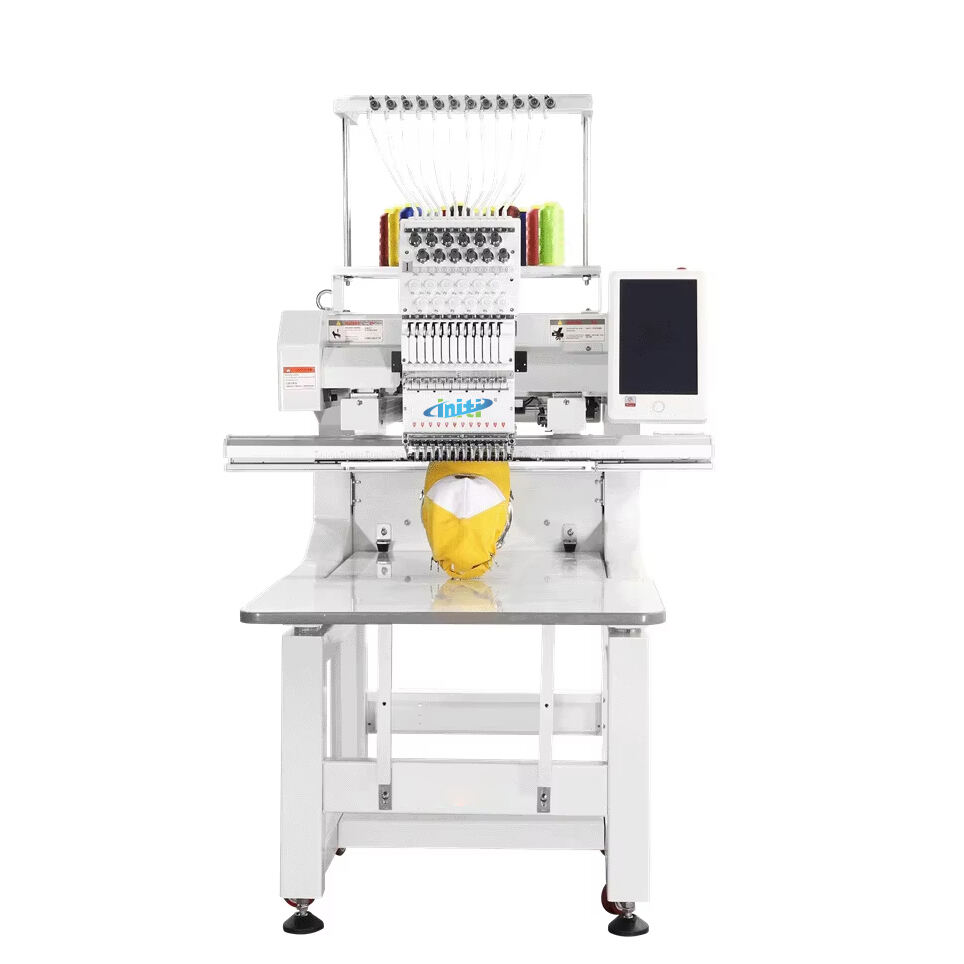
Modern businesses in the textile and apparel industry are discovering that investing in advanced commercial embroidery machine technology represents a transformative leap forward in production capabilities. Today's sophisticated embroidery systems deliver unprecedented levels of precision, speed, and versatility that fundamentally reshape how companies approach custom decoration projects. The evolution from basic single-head units to multi-head computerized systems has created new opportunities for manufacturers to expand their service offerings while dramatically reducing production timeframes. Understanding these technological advances becomes essential for business owners seeking to maintain competitive advantages in increasingly demanding markets.
Revolutionary Multi-Head Design Architecture
Enhanced Production Capacity Through Parallel Processing
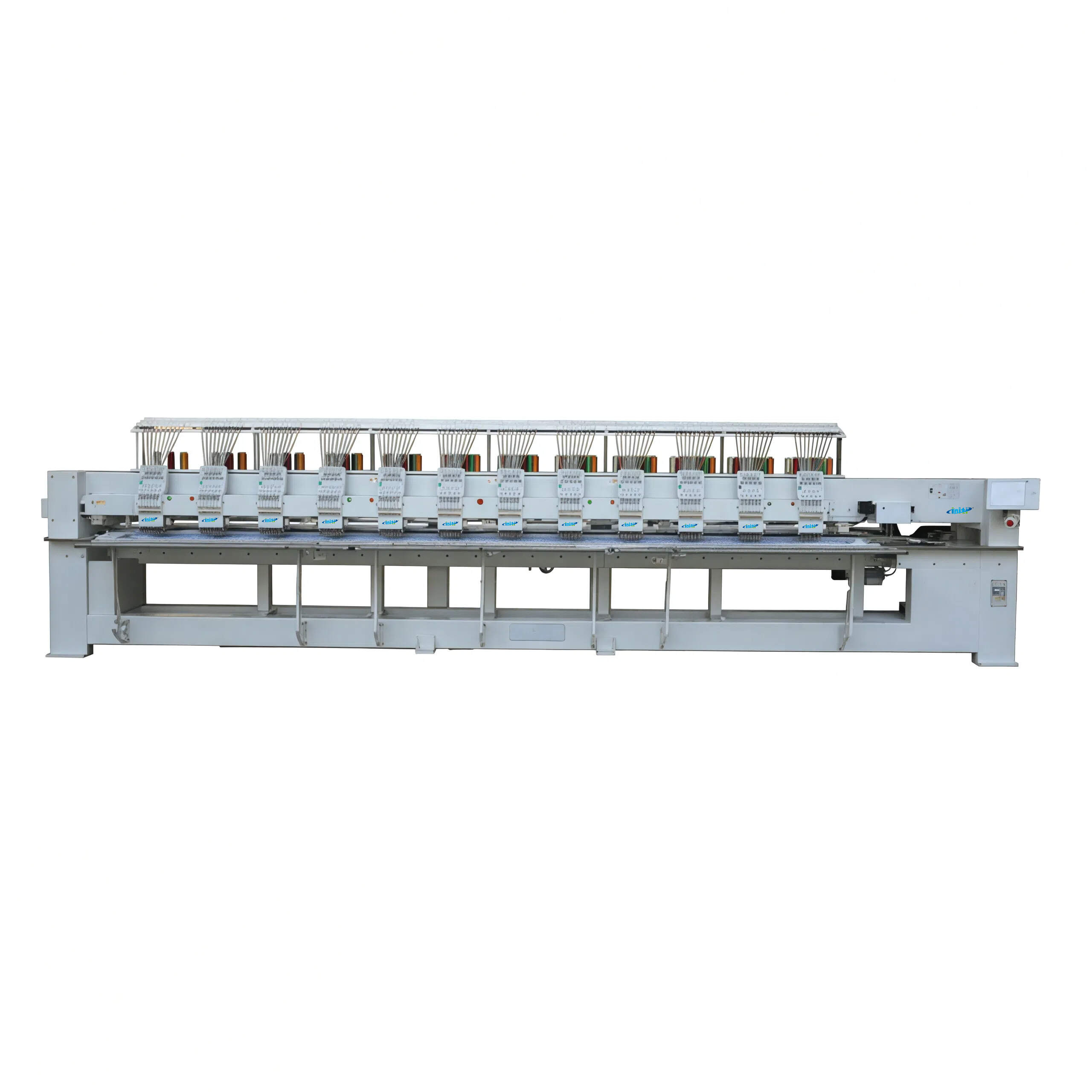
The transition to multi-head commercial embroidery machine configurations represents one of the most significant productivity breakthroughs in textile manufacturing. These advanced systems feature multiple independent embroidery heads operating simultaneously, allowing manufacturers to complete identical designs on multiple garments concurrently. Production throughput increases exponentially when comparing traditional single-head operations to modern 6-head, 12-head, or even 15-head configurations. Each embroidery head maintains independent thread tension control, stitch precision, and speed optimization, ensuring consistent quality across all simultaneous operations.
Advanced synchronization technology ensures that all heads maintain perfect timing throughout complex multi-color designs, preventing thread breaks and maintaining uniform stitch density. The parallel processing capability transforms production economics by reducing per-unit manufacturing costs while maintaining exceptional quality standards. Manufacturers report productivity improvements of 300-600% when upgrading from single-head to multi-head commercial embroidery machine systems, fundamentally changing their capacity to handle large-volume orders.
Intelligent Load Distribution and Workflow Management
Sophisticated control systems integrated into modern commercial embroidery machine platforms automatically distribute workload across available heads based on design complexity and production priorities. Smart algorithms analyze stitch counts, color changes, and completion times to optimize head assignments dynamically. This intelligent distribution prevents bottlenecks while ensuring maximum utilization of available embroidery capacity throughout production cycles.
Advanced workflow management features include automatic thread trimming between designs, programmable pause points for material changes, and seamless transition between different embroidery patterns. These capabilities eliminate manual intervention requirements that traditionally slowed production processes. Operators can load multiple design files simultaneously, allowing the commercial embroidery machine system to queue projects automatically and maintain continuous operation during shift changes.
Precision Control Systems and Computer Integration
Advanced Digitization and Design Processing
Contemporary commercial embroidery machine systems incorporate sophisticated digitization software that converts artwork into precise stitch patterns with minimal manual intervention. Advanced algorithms analyze design elements, automatically generating optimal stitch sequences that minimize thread usage while maximizing visual impact. These systems support multiple file formats including industry-standard DST, EMB, and PES formats, ensuring compatibility with various design software platforms.
Integrated design preview capabilities allow operators to visualize completed embroidery before production begins, identifying potential issues such as thread tension problems or stitch density conflicts. Real-time editing features enable on-the-fly modifications without requiring complete design regeneration. The commercial embroidery machine interface provides intuitive controls for adjusting stitch density, thread colors, and embroidery sequence, empowering operators to optimize designs for specific fabric types and production requirements.
Automated Quality Control and Monitoring Systems
Modern commercial embroidery machine platforms integrate comprehensive monitoring systems that continuously track thread tension, needle condition, and stitch formation quality throughout production cycles. Sensors detect thread breaks instantly, automatically pausing operations and alerting operators to specific head locations requiring attention. Advanced systems can even attempt automatic thread re-threading for minor breaks, minimizing production interruptions.
Quality control algorithms analyze stitch consistency in real-time, identifying variations that might indicate needle wear or thread quality issues before they affect finished products. Statistical process control features track production metrics including average stitch rates, error frequencies, and completion times, providing valuable data for optimizing operational efficiency. These monitoring capabilities ensure that every commercial embroidery machine operation maintains consistent quality standards while maximizing productive runtime.
High-Speed Operation Capabilities
Variable Speed Control and Optimization
Today's commercial embroidery machine systems feature sophisticated variable speed control that automatically adjusts operational velocities based on design complexity and fabric characteristics. Advanced algorithms recognize intricate detail areas requiring slower speeds for precision while accelerating through simple fill patterns to maximize throughput. This dynamic speed optimization ensures optimal balance between production speed and embroidery quality throughout every project.
Programmable speed profiles allow operators to customize operational parameters for different fabric types, thread weights, and design complexities. Heavy fabrics like denim or canvas require different speed settings compared to delicate materials such as silk or lightweight polyester. The commercial embroidery machine automatically applies appropriate speed settings based on pre-configured material profiles, eliminating guesswork and reducing setup times between different production runs.
Advanced Motor Technology and Power Management
High-performance servo motors integrated into modern commercial embroidery machine systems deliver precise positioning control with exceptional acceleration and deceleration characteristics. These motors provide consistent torque across variable speed ranges while maintaining energy efficiency during extended production runs. Advanced power management systems optimize electrical consumption by adjusting motor performance based on actual workload requirements.
Regenerative braking technology captures energy during deceleration cycles, reducing overall power consumption while extending motor lifespan. Intelligent thermal management prevents overheating during intensive production schedules, automatically adjusting operational parameters when necessary to maintain optimal operating temperatures. These power management features contribute to reduced operational costs while ensuring reliable performance during demanding production environments.
Advanced Threading and Material Handling
Automatic Threading Systems and Thread Management
Revolutionary automatic threading technology eliminates one of the most time-consuming aspects of traditional embroidery operations. Modern commercial embroidery machine systems feature pneumatic threading mechanisms that can thread needles automatically within seconds, dramatically reducing setup times between color changes or thread breaks. Advanced thread detection systems monitor thread supply levels continuously, alerting operators when thread replacement becomes necessary.
Sophisticated thread tension control systems automatically adjust tension settings based on thread type, fabric characteristics, and stitch requirements. Individual tension controls for each embroidery head ensure optimal thread handling across all simultaneous operations. Thread cutting mechanisms provide precise trimming between design elements, eliminating manual intervention while maintaining clean, professional finishing quality throughout production runs.
Intelligent Fabric Positioning and Hooping Systems
Advanced positioning systems integrated into commercial embroidery machine platforms provide precise fabric placement with repeatability measured in hundredths of millimeters. Laser positioning guides assist operators in achieving perfect garment alignment, ensuring consistent embroidery placement across multiple identical items. Programmable positioning memories store optimal settings for frequently produced items, streamlining setup processes for repeat orders.
Quick-change hooping systems enable rapid transitions between different garment sizes and types without requiring extensive machine adjustments. Magnetic or pneumatic hoop attachment mechanisms secure fabrics firmly while allowing easy removal for inspection or material changes. These advanced hooping capabilities significantly reduce setup times while ensuring consistent positioning accuracy throughout production runs.
Integration with Modern Manufacturing Systems
Network Connectivity and Production Management
Contemporary commercial embroidery machine systems feature comprehensive network connectivity that enables seamless integration with enterprise resource planning systems and production management software. Real-time production data flows automatically to management systems, providing instant visibility into production status, completion estimates, and quality metrics. This connectivity enables sophisticated production scheduling and resource allocation across multiple commercial embroidery machine installations.
Cloud-based design libraries allow instant access to approved artwork from any connected embroidery system, eliminating file transfer delays and ensuring version control consistency. Remote monitoring capabilities enable supervisors to track production progress and address issues from off-site locations. These integration features transform individual embroidery systems into components of comprehensive manufacturing ecosystems.
Data Analytics and Performance Optimization
Advanced analytics platforms integrated with commercial embroidery machine systems collect comprehensive operational data including production rates, quality metrics, maintenance requirements, and energy consumption patterns. Machine learning algorithms analyze this data to identify optimization opportunities and predict maintenance needs before equipment failures occur. Predictive analytics help manufacturers schedule maintenance activities during planned downtime, minimizing disruption to production schedules.
Performance dashboards provide real-time visibility into key operational metrics including overall equipment effectiveness, production efficiency, and quality statistics. Historical trend analysis enables continuous improvement initiatives by identifying patterns in production performance and quality outcomes. These analytical capabilities empower manufacturers to optimize commercial embroidery machine utilization while maintaining consistent quality standards.
Maintenance and Reliability Enhancements
Predictive Maintenance and Condition Monitoring
Modern commercial embroidery machine systems incorporate sophisticated condition monitoring sensors that continuously track critical component health including bearing temperatures, vibration levels, and motor performance characteristics. Advanced algorithms analyze sensor data to predict component wear patterns and maintenance requirements before failures occur. This predictive approach minimizes unexpected downtime while optimizing maintenance scheduling around production commitments.
Automated lubrication systems ensure optimal component protection while reducing manual maintenance requirements. Intelligent monitoring tracks lubrication levels and automatically schedules replenishment activities. Component wear tracking provides detailed insights into replacement schedules based on actual usage patterns rather than arbitrary time intervals. These maintenance enhancements significantly improve commercial embroidery machine reliability while reducing total cost of ownership.
Modular Design and Serviceability Improvements
Contemporary commercial embroidery machine designs emphasize modular construction that enables rapid component replacement and system upgrades without extensive downtime. Modular embroidery heads can be replaced or serviced individually without affecting other system components. Quick-disconnect connections for electrical and pneumatic systems facilitate efficient maintenance procedures.
Diagnostic systems provide detailed fault isolation capabilities that guide technicians directly to problematic components, reducing troubleshooting time significantly. Self-diagnostic routines identify potential issues during startup sequences, preventing operational problems before they affect production quality. These serviceability improvements ensure maximum commercial embroidery machine availability while minimizing maintenance costs and technical skill requirements.
FAQ
What production capacity improvements can businesses expect when upgrading to advanced commercial embroidery machine systems
Businesses typically experience production capacity increases of 300-600% when upgrading from single-head to multi-head commercial embroidery machine configurations. The exact improvement depends on design complexity, fabric types, and operational efficiency factors. Multi-head systems enable simultaneous production of identical designs, dramatically reducing per-unit manufacturing time while maintaining consistent quality standards. Advanced automation features further enhance productivity by minimizing manual intervention requirements and optimizing operational workflows.
How do modern commercial embroidery machine systems integrate with existing manufacturing workflows
Contemporary commercial embroidery machine platforms feature comprehensive network connectivity that enables seamless integration with enterprise resource planning systems, inventory management software, and production scheduling platforms. Real-time data exchange provides instant visibility into production status, quality metrics, and completion estimates. Cloud-based design libraries and remote monitoring capabilities further enhance integration by enabling centralized management of multiple embroidery systems across different production locations.
What maintenance advantages do advanced commercial embroidery machine systems provide compared to older equipment
Advanced commercial embroidery machine systems incorporate predictive maintenance capabilities that monitor component health continuously and predict maintenance requirements before failures occur. Automated lubrication systems, modular component design, and comprehensive diagnostic capabilities significantly reduce maintenance time and technical skill requirements. These systems typically achieve 95-98% uptime compared to 80-85% for older equipment, while reducing maintenance costs through optimized scheduling and component longevity improvements.
How do intelligent control systems optimize embroidery quality and consistency across production runs
Intelligent control systems integrated into modern commercial embroidery machine platforms automatically adjust operational parameters including thread tension, stitch speed, and needle positioning based on fabric characteristics and design requirements. Real-time quality monitoring detects variations in stitch formation and automatically compensates for environmental factors or component wear. Advanced algorithms ensure consistent embroidery quality across all production heads while optimizing throughput through dynamic speed control and automated workflow management.
Table of Contents
- Revolutionary Multi-Head Design Architecture
- Precision Control Systems and Computer Integration
- High-Speed Operation Capabilities
- Advanced Threading and Material Handling
- Integration with Modern Manufacturing Systems
- Maintenance and Reliability Enhancements
-
FAQ
- What production capacity improvements can businesses expect when upgrading to advanced commercial embroidery machine systems
- How do modern commercial embroidery machine systems integrate with existing manufacturing workflows
- What maintenance advantages do advanced commercial embroidery machine systems provide compared to older equipment
- How do intelligent control systems optimize embroidery quality and consistency across production runs