

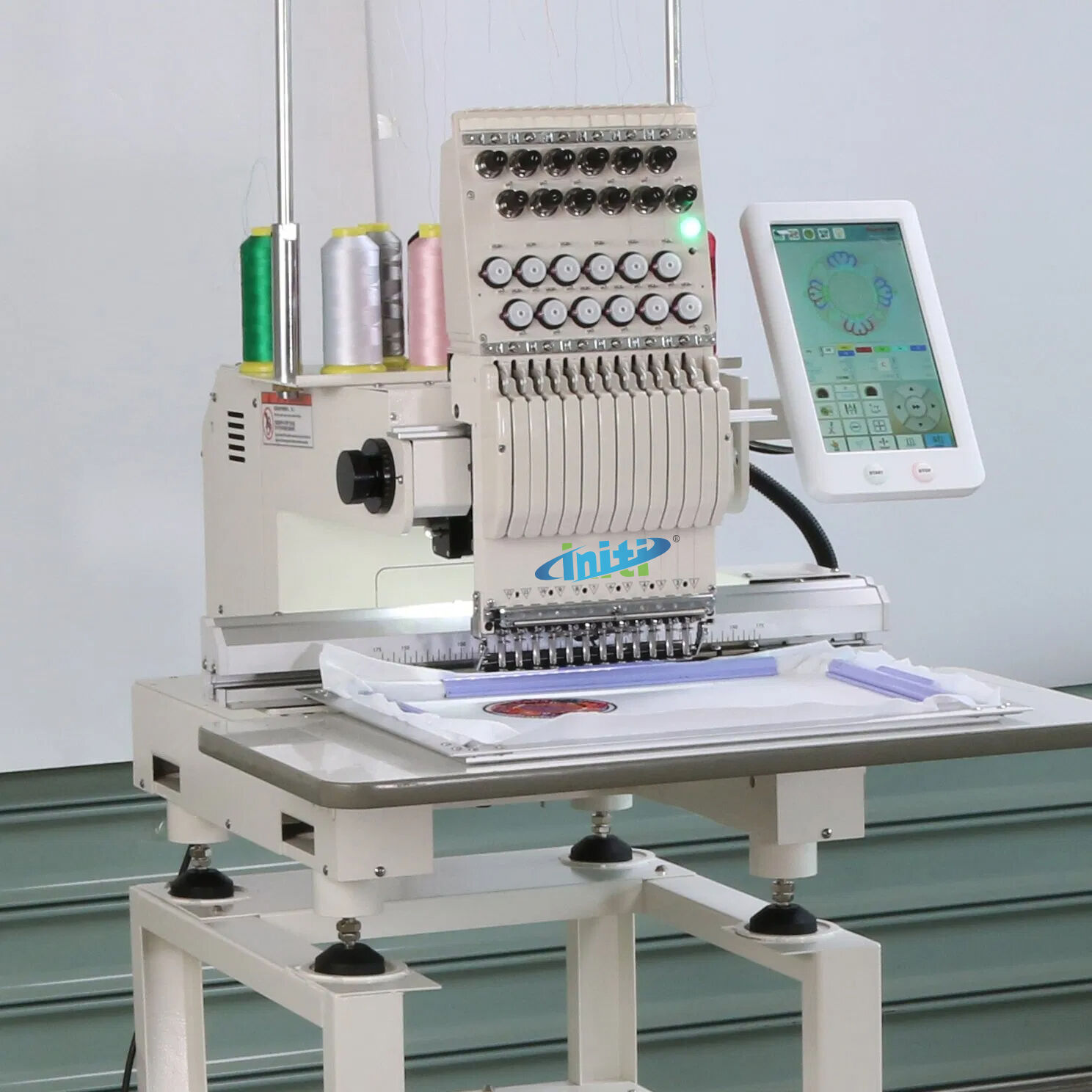
The embroidery industry continues to evolve with technological advancements, making cap embroidery machines more accessible than ever before. Businesses of all sizes now have the opportunity to invest in professional-grade equipment without breaking their budget. Finding the right balance between affordability and quality requires understanding the key features that truly matter for long-term success. Modern cap embroidery machines offer exceptional precision and reliability while maintaining competitive pricing structures that appeal to both startup operations and established companies.
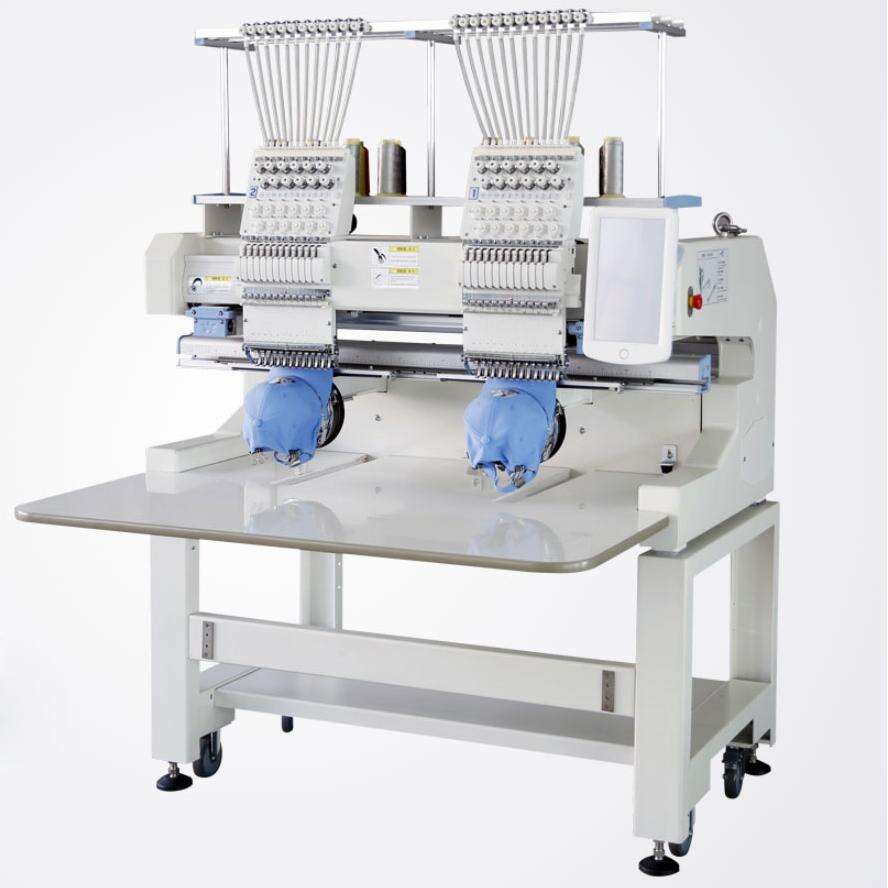
Understanding the Market for Cap Embroidery Equipment
Current Industry Trends and Demands
The demand for customized headwear has surged dramatically across various sectors including sports teams, corporate branding, and fashion accessories. Cap embroidery machines have become essential tools for businesses looking to capitalize on this growing market. Professional embroiderers report increased order volumes for personalized caps, hats, and beanies throughout the year. The versatility of modern cap embroidery machines allows operators to handle diverse projects ranging from simple text logos to complex multi-color designs with exceptional detail.
Market research indicates that businesses investing in quality cap embroidery machines experience faster return on investment compared to outsourcing embroidery services. The ability to maintain direct control over production timelines and quality standards provides significant competitive advantages. Additionally, the growing trend toward personalized merchandise has created new revenue streams for entrepreneurs and established businesses alike.
Evaluating Cost-Effectiveness in Equipment Selection
Smart purchasing decisions for cap embroidery machines require careful analysis of total ownership costs beyond the initial purchase price. Energy consumption, maintenance requirements, and expected lifespan all contribute to the long-term financial impact of equipment investments. Experienced operators recommend focusing on machines that offer balanced performance specifications rather than pursuing the lowest upfront cost. Quality cap embroidery machines typically provide better thread tension control, resulting in fewer production delays and material waste.
The most cost-effective approach involves selecting equipment that matches current production needs while providing reasonable scalability for future growth. Overspending on features that may never be utilized can strain budgets unnecessarily. Conversely, choosing machines with insufficient capabilities often leads to costly upgrades within the first year of operation.
Essential Features for Quality Cap Embroidery Production
Precision and Stitching Capabilities
High-quality cap embroidery machines deliver consistent stitch formation across various fabric types and cap styles. The importance of precise needle positioning cannot be overstated when working with curved surfaces and varying material thicknesses. Advanced tensioning systems ensure uniform thread distribution while minimizing the risk of puckering or distortion during the embroidery process. Professional-grade cap embroidery machines incorporate servo motors that provide smooth acceleration and deceleration for optimal stitch quality.
Modern machines offer programmable stitch density controls that adapt to different design requirements and fabric characteristics. This flexibility enables operators to achieve professional results on everything from lightweight baseball caps to heavy winter beanies. The ability to fine-tune parameters for each project ensures consistent quality across diverse product lines.
Speed and Efficiency Considerations
Production speed significantly impacts the profitability of embroidery operations, making it a crucial factor when evaluating cap embroidery machines. However, maximum speed specifications should be balanced against actual usable speeds for different design complexities. Most professional operators find that moderate speeds with consistent quality produce better results than pushing machines to their absolute limits. High-speed capabilities become particularly valuable when handling large production runs with simple designs.
Efficiency also depends on features like automatic color changes, thread trimming, and jump stitch minimization. These automated functions reduce operator intervention and increase overall throughput. The most productive cap embroidery machines integrate seamlessly with design software to optimize stitch paths and minimize production time.
Comparing Budget-Friendly Options with Premium Models
Performance Differences and Trade-offs
Budget-conscious buyers often wonder about the practical differences between affordable and premium cap embroidery machines. Entry-level models typically provide adequate performance for basic embroidery projects but may lack the precision and durability required for high-volume commercial operations. Premium machines generally offer superior build quality, advanced control systems, and comprehensive warranty coverage that justifies higher initial investments.
The gap in performance becomes most apparent during extended production runs where precision consistency and mechanical reliability are critical. Budget cap embroidery machines may experience more frequent tension issues, threading problems, or mechanical adjustments that impact productivity. However, many affordable models still deliver acceptable results for businesses with moderate production requirements and careful maintenance practices.
Long-term Value and Return on Investment
Calculating the true value of cap embroidery machines requires projecting operational costs over several years of typical use. Premium models often provide lower per-unit production costs due to reduced downtime, fewer quality issues, and longer service intervals. The reliability factor becomes particularly important when considering customer satisfaction and repeat business opportunities. Consistent quality output from reliable cap embroidery machines helps build strong client relationships and referral networks.
Resale value also varies significantly between different quality tiers, with well-maintained premium machines retaining higher percentages of their original value. This factor becomes relevant for businesses planning equipment upgrades or changes in operational focus. The strongest return on investment typically comes from selecting cap embroidery machines that slightly exceed current needs rather than exactly matching minimum requirements.
Key Factors in Machine Selection and Setup
Space Requirements and Installation Considerations
Proper workspace planning ensures optimal performance from cap embroidery machines while maintaining efficient workflow patterns. Adequate clearance around the machine allows for easy operator access and material handling. Most commercial-grade cap embroidery machines require dedicated electrical circuits to handle motor loads and prevent voltage fluctuations that could affect stitch quality. Environmental factors like temperature stability and dust control also influence long-term machine performance and maintenance requirements.
Ventilation considerations become important when operating multiple cap embroidery machines in enclosed spaces. Heat generation from motors and lighting systems can create uncomfortable working conditions without proper air circulation. Professional installations often include dedicated workbenches designed specifically for embroidery equipment with integrated storage for threads, accessories, and design materials.
Software Compatibility and Design Integration
Modern cap embroidery machines rely heavily on compatible software for design transfer and production management. The ability to work with industry-standard file formats ensures flexibility when accepting designs from various sources. Advanced machines offer network connectivity that enables remote design transfer and production monitoring. Software integration capabilities often distinguish professional-grade cap embroidery machines from basic consumer models.
User-friendly interfaces reduce training time and minimize operator errors during production. Touch-screen controls with intuitive navigation help streamline common tasks like thread color changes and design positioning. The learning curve for operating sophisticated cap embroidery machines decreases significantly with well-designed control systems and comprehensive documentation.
Maintenance and Operational Best Practices
Preventive Care and Routine Maintenance
Regular maintenance schedules extend the productive lifespan of cap embroidery machines while reducing unexpected downtime costs. Daily cleaning routines remove lint and debris that can interfere with precise mechanical movements. Lubrication requirements vary between different machine models, but consistent attention to manufacturer specifications prevents premature wear of critical components. Professional operators often maintain detailed service logs to track maintenance activities and identify patterns that might indicate developing issues.
Thread tension adjustments represent one of the most common maintenance tasks for cap embroidery machines. Understanding proper tension settings for different thread types and fabric combinations helps achieve consistent results while minimizing thread breaks. Regular calibration of hooping systems ensures accurate design placement and prevents material damage during production runs.
Troubleshooting Common Issues
Experienced operators develop systematic approaches to diagnosing and resolving typical problems with cap embroidery machines. Thread breakage issues often stem from incorrect tension settings, dull needles, or poor-quality thread materials. Design distortion problems usually indicate hooping issues or inappropriate stabilizer selection for the specific cap style. Understanding these relationships helps operators quickly identify root causes rather than treating symptoms.
Professional-grade cap embroidery machines often include diagnostic features that help pinpoint mechanical or electronic malfunctions. Error codes and status indicators guide operators through troubleshooting procedures without requiring extensive technical knowledge. However, complex repairs should always be handled by qualified service technicians to avoid voiding warranty coverage or causing additional damage.
Market Applications and Business Opportunities
Diverse Revenue Streams and Target Markets
Cap embroidery machines open multiple revenue opportunities for creative entrepreneurs and established businesses. Sports teams represent a consistent market for customized caps with team logos, player names, and championship commemoratives. Corporate clients frequently order branded headwear for employee uniforms, promotional events, and customer giveaways. The fashion accessory market continues growing as consumers seek unique, personalized items that reflect individual style preferences.
Seasonal fluctuations in demand can be managed by diversifying service offerings beyond traditional baseball caps. Winter beanies, visors, and specialty headwear expand market reach throughout the year. Many successful embroidery businesses combine cap services with garment decoration to provide comprehensive customization solutions. This approach maximizes equipment utilization and strengthens customer relationships through expanded service capabilities.
Scaling Operations and Growth Strategies
Strategic growth planning helps businesses maximize returns from cap embroidery machines while managing operational complexity. Starting with single-head machines allows operators to develop skills and build client bases before investing in multi-head systems. Production capacity planning should account for design complexity variations and seasonal demand patterns. Successful scaling often involves adding complementary services rather than simply increasing embroidery capacity.
Technology upgrades provide natural growth opportunities as businesses mature and requirements evolve. Modern cap embroidery machines offer modular expansion capabilities that allow gradual capacity increases without replacing entire systems. This approach minimizes financial risk while maintaining operational continuity during expansion phases.
FAQ
What is the typical lifespan of quality cap embroidery machines
Well-maintained cap embroidery machines typically provide 8-12 years of productive service with proper care and regular maintenance. Professional-grade models often exceed this range when operated within recommended parameters and serviced according to manufacturer guidelines. The actual lifespan depends on usage intensity, maintenance quality, and environmental conditions in the workspace.
How much space do cap embroidery machines require for optimal operation
Most cap embroidery machines require approximately 6-8 feet of clearance on all sides for operator access and material handling. The specific footprint varies by model, but planning for adequate workspace prevents operational constraints that could limit productivity. Additional space for thread storage, design stations, and finished goods staging improves overall workflow efficiency.
Can affordable cap embroidery machines handle commercial production volumes
Entry-level cap embroidery machines can manage moderate commercial volumes with appropriate operator attention and maintenance practices. However, businesses planning high-volume production should consider machines with enhanced durability features and automated functions. The definition of commercial volume varies significantly between different business models and market segments.
What training is typically required for operating cap embroidery machines effectively
Basic operation of cap embroidery machines can be learned within 2-3 days of focused training, but developing proficiency with complex designs and troubleshooting typically requires several weeks of practice. Many manufacturers provide comprehensive training programs that cover both technical operation and business applications. Ongoing education helps operators stay current with new features and industry best practices.
Table of Contents
- Understanding the Market for Cap Embroidery Equipment
- Essential Features for Quality Cap Embroidery Production
- Comparing Budget-Friendly Options with Premium Models
- Key Factors in Machine Selection and Setup
- Maintenance and Operational Best Practices
- Market Applications and Business Opportunities
- FAQ