

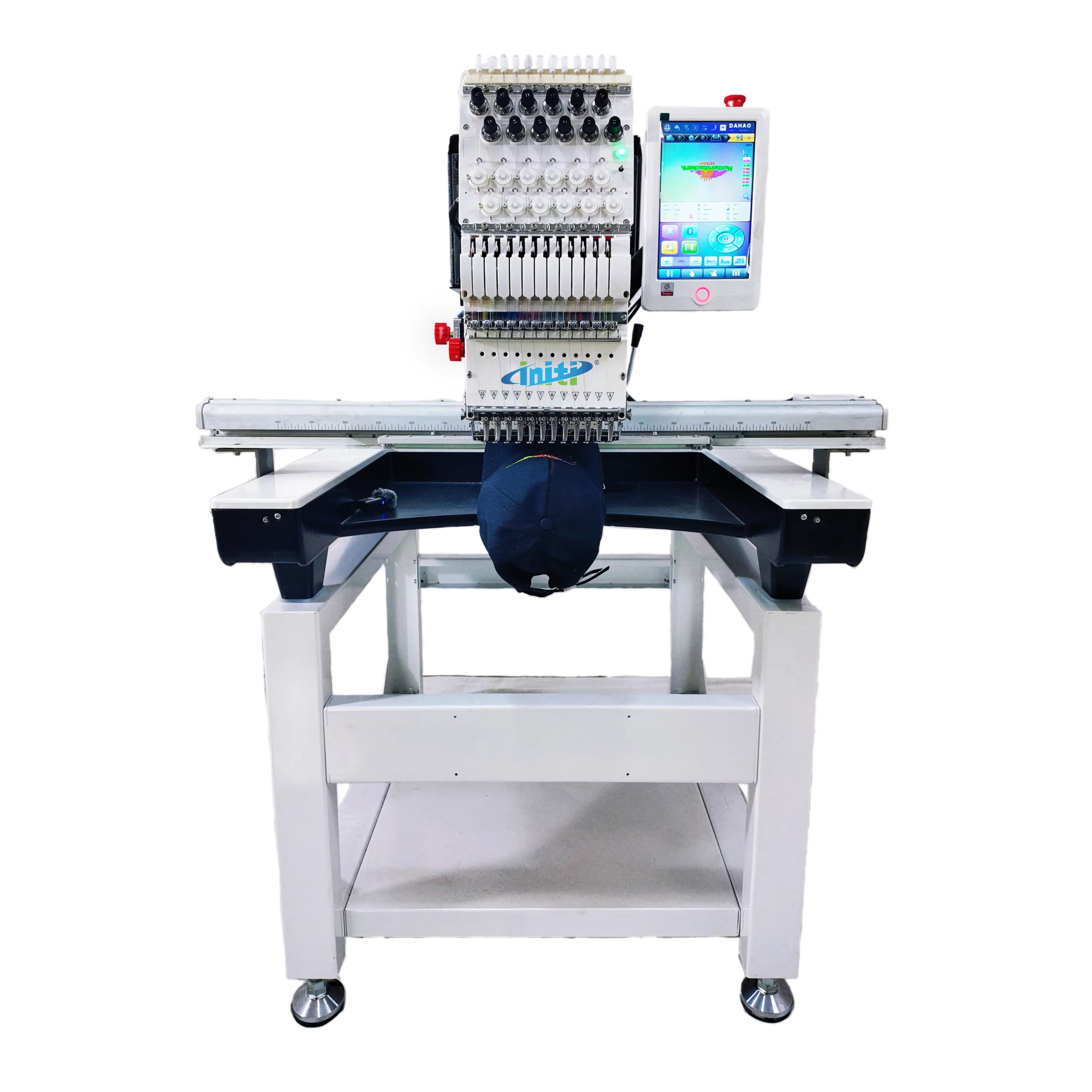
The textile and garment industry continues to evolve rapidly, with businesses seeking efficient ways to meet growing demand for customized embroidery work. Commercial embroidery machines have become indispensable tools for companies looking to scale their operations and deliver high-quality embroidered products consistently. These sophisticated pieces of equipment offer the precision, speed, and reliability that modern businesses need to remain competitive in today's marketplace. Whether you're running a small embroidery shop or managing a large-scale manufacturing facility, understanding how to leverage commercial embroidery machines effectively can significantly impact your bottom line and operational efficiency.
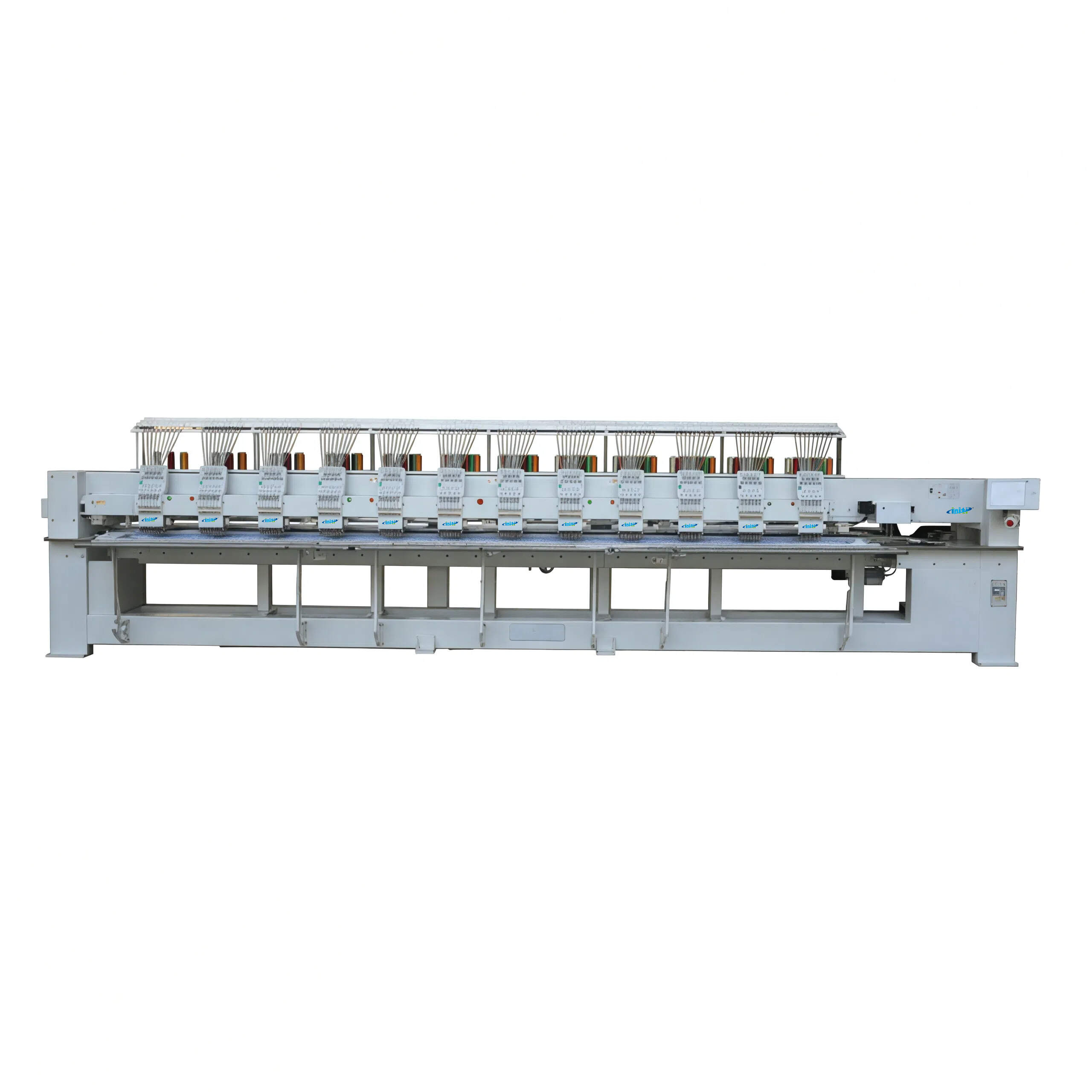
Understanding Commercial Embroidery Machine Technology
Multi-Head Configuration Benefits
Modern commercial embroidery machines feature advanced multi-head configurations that dramatically increase production capacity while maintaining exceptional quality standards. These systems typically range from six to twenty heads, allowing operators to embroider multiple garments simultaneously or create complex designs with various thread colors and textures. The synchronized operation of multiple heads ensures consistent stitch quality across all pieces, reducing the likelihood of defects and rework that can plague single-head operations.
Multi-head commercial embroidery machines also provide exceptional flexibility in production planning and workflow management. Operators can dedicate specific heads to different design elements, colors, or even entirely separate projects, maximizing machine utilization and minimizing changeover times. This configuration proves particularly valuable when handling large orders with tight deadlines, as the increased throughput capability allows businesses to meet customer demands without compromising quality or extending delivery timelines.
Advanced Control Systems and Automation
Contemporary commercial embroidery machines incorporate sophisticated computer control systems that streamline operation and reduce the skill barrier for operators. These systems feature intuitive touchscreen interfaces, automated thread trimming, color changes, and tension adjustments that minimize manual intervention and potential human error. The integration of these automated features significantly reduces labor costs while improving overall production efficiency and consistency.
The automation capabilities of modern commercial embroidery machines extend beyond basic operation to include advanced features like automatic bobbin winding, thread break detection, and real-time quality monitoring. These systems can detect and alert operators to potential issues before they result in defective products, allowing for immediate corrective action and minimizing waste. Additionally, many machines now include connectivity features that enable remote monitoring and diagnostics, supporting proactive maintenance schedules and reducing unexpected downtime.
Production Efficiency and Scalability Advantages
High-Speed Operation Capabilities
Commercial embroidery machines are engineered to operate at significantly higher speeds than their domestic or semi-commercial counterparts, typically achieving stitch rates of 1,000 to 1,500 stitches per minute without sacrificing quality. This enhanced speed capability translates directly into increased production capacity, allowing businesses to process larger orders within shorter timeframes and respond more effectively to market demands. The high-speed operation becomes particularly advantageous when handling repetitive designs or large quantities of similar items.
The ability to maintain consistent quality at high speeds sets professional-grade commercial embroidery machines apart from lesser alternatives. Advanced engineering ensures that rapid operation doesn't compromise stitch formation, thread tension, or design registration, maintaining the professional appearance that customers expect. This reliability at speed enables businesses to confidently quote shorter lead times and accept rush orders that might otherwise be impossible to fulfill with slower equipment.
Scalable Production Workflows
Implementing commercial embroidery machines effectively requires developing scalable production workflows that can adapt to varying order volumes and complexity levels. Successful businesses establish standardized processes for design preparation, material handling, machine setup, and quality control that can be efficiently replicated as production demands increase. These workflows should account for peak periods while maintaining efficiency during slower times, ensuring optimal resource utilization throughout business cycles.
The scalability of commercial embroidery machine operations extends beyond individual machine capacity to encompass entire production systems. Businesses can implement modular approaches that allow for the addition of machines, workstations, and support equipment as demand grows. This staged expansion strategy minimizes initial capital investment while providing a clear path for growth that doesn't require complete operational overhauls or significant disruptions to existing workflows.
Quality Control and Consistency Standards
Precision Engineering and Stitch Quality
The precision engineering inherent in commercial embroidery machines ensures consistent stitch formation and design registration across thousands of pieces. These machines utilize high-precision servo motors, rigid frame construction, and advanced tensioning systems that maintain exact positioning and thread control throughout extended production runs. The mechanical precision translates into visual consistency that customers notice and appreciate, building brand reputation and customer loyalty over time.
Quality consistency becomes particularly critical when fulfilling wholesale orders where every piece must meet identical standards. Commercial embroidery machines equipped with advanced monitoring systems can detect variations in stitch quality, thread tension, or design registration before they become visible defects. This proactive quality management approach reduces waste, minimizes rework, and ensures that finished products consistently meet or exceed customer expectations.
Standardized Production Processes
Establishing standardized production processes around commercial embroidery machines creates the foundation for consistent quality output regardless of operator skill level or production volume. These standards should encompass everything from thread selection and fabric preparation to machine setup procedures and post-production finishing techniques. Documentation and training programs ensure that all team members understand and follow established protocols, reducing variability and maintaining quality standards across shifts and personnel changes.
Standardization also facilitates easier troubleshooting and maintenance procedures, as technicians and operators become familiar with consistent machine configurations and operating parameters. This familiarity reduces downtime associated with problem diagnosis and resolution, while also supporting more effective preventive maintenance programs that extend equipment life and maintain optimal performance levels.
Investment Considerations and ROI Analysis
Capital Equipment Planning
Investing in commercial embroidery machines requires careful financial planning and analysis to ensure adequate return on investment and sustainable cash flow. The initial capital outlay for professional-grade equipment can be substantial, but the enhanced production capacity, improved quality, and reduced labor costs typically justify the investment within a reasonable payback period. Businesses should evaluate their current production volumes, growth projections, and market opportunities when determining the appropriate level of investment in commercial embroidery machines.
Financing options for commercial embroidery machines include traditional equipment loans, lease arrangements, and lease-to-own programs that can help businesses manage cash flow while acquiring necessary equipment. Each financing approach offers different advantages and considerations, from tax implications to maintenance responsibilities and upgrade flexibility. Working with knowledgeable equipment dealers and financial advisors helps ensure that financing decisions align with overall business objectives and financial capabilities.
Operational Cost Management
The operational costs associated with commercial embroidery machines extend beyond the initial purchase price to include ongoing expenses for maintenance, consumables, utilities, and labor. Understanding these costs is essential for accurate pricing strategies and profitability analysis. Regular maintenance schedules, quality thread and stabilizer materials, and properly trained operators all contribute to optimal machine performance and cost-effective operation over the equipment's service life.
Energy efficiency has become an increasingly important consideration in commercial embroidery machine selection and operation. Modern machines often incorporate energy-saving features like automatic standby modes, efficient motor designs, and optimized power management systems that reduce utility costs. These efficiency improvements become more significant as production volumes increase and machines operate for extended periods, contributing to improved profitability and environmental sustainability.
Market Applications and Business Opportunities
Diverse Industry Applications
Commercial embroidery machines serve diverse market segments, from corporate apparel and promotional products to fashion accessories and home textiles. Each market segment presents unique requirements for design complexity, production volumes, and quality standards that influence equipment selection and operational strategies. Understanding these market dynamics helps businesses position themselves effectively and identify the most profitable opportunities for their commercial embroidery machine investments.
The growing demand for customized and personalized products across multiple industries creates expanding opportunities for businesses equipped with commercial embroidery machines. Sports teams, corporate clients, schools, and retail brands all require high-quality embroidered products in quantities that justify commercial-grade equipment. Developing expertise in specific market niches allows businesses to command premium pricing while building sustainable competitive advantages.
Competitive Differentiation Strategies
Commercial embroidery machines enable businesses to differentiate themselves through superior quality, faster turnaround times, and expanded service capabilities. The ability to handle complex designs, multiple colors, and specialty threads opens opportunities for premium services that command higher margins. Additionally, the consistency and reliability of commercial-grade equipment support warranty programs and quality guarantees that build customer confidence and loyalty.
Technology integration capabilities of modern commercial embroidery machines support additional differentiation opportunities through services like real-time production tracking, digital proofing, and custom design development. These value-added services leverage the technological sophistication of commercial equipment to create comprehensive solutions that extend beyond basic embroidery services. Businesses that effectively utilize these capabilities can establish themselves as full-service partners rather than simple contract embroiderers.
Maintenance and Support Considerations
Preventive Maintenance Programs
Implementing comprehensive preventive maintenance programs for commercial embroidery machines ensures optimal performance, extends equipment life, and minimizes unexpected downtime. These programs should include daily, weekly, and monthly maintenance tasks performed by operators, as well as more extensive periodic services conducted by qualified technicians. Regular maintenance schedules address lubrication requirements, timing adjustments, and component inspections that prevent minor issues from developing into costly repairs.
Documentation and tracking systems for maintenance activities provide valuable data for optimizing service intervals and identifying patterns that might indicate developing problems. Modern commercial embroidery machines often include built-in monitoring systems that track operating hours, stitch counts, and performance parameters to support data-driven maintenance decisions. This information helps businesses balance maintenance costs with operational reliability while avoiding both under-maintenance and excessive service expenses.
Technical Support and Training Resources
Access to qualified technical support and comprehensive training programs significantly impacts the success of commercial embroidery machine implementations. Equipment manufacturers and dealers should provide initial installation and training services, followed by ongoing technical support for troubleshooting and optimization. The availability of local service technicians, spare parts inventory, and emergency support services influences both equipment selection decisions and long-term operational success.
Continuous training and skill development programs ensure that operators and maintenance personnel stay current with evolving technology and best practices. Many commercial embroidery machine manufacturers offer advanced training courses, certification programs, and user conferences that provide opportunities for skill enhancement and networking with other professionals. Investment in training typically yields significant returns through improved productivity, reduced errors, and more effective problem resolution.
Future Trends and Technology Evolution
Digital Integration and Industry 4.0
The evolution of commercial embroidery machines continues toward greater digital integration and connectivity that supports Industry 4.0 manufacturing concepts. Future systems will likely incorporate enhanced IoT capabilities, artificial intelligence for process optimization, and seamless integration with enterprise resource planning systems. These technological advances will enable more sophisticated production planning, real-time performance monitoring, and predictive maintenance capabilities that further improve efficiency and reliability.
Digital workflow integration encompasses the entire production process from initial design capture through finished product delivery. Advanced commercial embroidery machines increasingly support direct connectivity with design software, inventory management systems, and customer relationship management platforms. This integration reduces manual data entry, minimizes errors, and provides comprehensive visibility into production status and performance metrics that support better business decisions.
Sustainability and Environmental Considerations
Environmental sustainability considerations are increasingly influencing commercial embroidery machine design and operation. Manufacturers are developing more energy-efficient systems, incorporating recyclable materials in construction, and designing for easier end-of-life disposal or refurbishment. These environmental improvements align with growing customer expectations for sustainable business practices while often providing operational cost benefits through reduced resource consumption.
Waste reduction capabilities of modern commercial embroidery machines contribute to both environmental and economic sustainability. Advanced systems minimize thread waste through precise cutting algorithms, optimize material utilization through intelligent nesting and layout tools, and reduce defective products through improved quality control. These efficiency improvements support corporate sustainability goals while directly improving profitability through reduced material costs and waste disposal expenses.
FAQ
What production capacity should I expect from commercial embroidery machines
Production capacity varies significantly based on machine configuration, design complexity, and operational efficiency, but multi-head commercial embroidery machines typically produce 50-200 pieces per hour depending on these factors. Simple designs on lightweight materials achieve higher throughput rates, while complex, dense designs require more time per piece. Most businesses see 3-5 times higher capacity compared to single-head machines when investing in professional commercial embroidery machines.
How do I determine the right number of heads for my commercial embroidery machine
The optimal number of heads depends on your typical order sizes, design complexity, and growth projections. Six to twelve-head machines work well for most small to medium operations, while larger wholesale operations often benefit from fifteen to twenty-head configurations. Consider that commercial embroidery machines with more heads provide greater flexibility for simultaneous projects but require higher initial investment and more floor space.
What maintenance costs should I budget for commercial embroidery machines
Annual maintenance costs typically range from 8-12% of the machine's purchase price when following recommended service schedules. This includes routine maintenance supplies, periodic professional services, and minor repairs or adjustments. Commercial embroidery machines with comprehensive preventive maintenance programs often experience lower long-term costs and fewer unexpected breakdowns compared to machines with irregular service schedules.
Can commercial embroidery machines handle different fabric types and thicknesses
Yes, commercial embroidery machines are designed to accommodate a wide range of fabric types from lightweight silk to heavy canvas and leather goods. Most machines include adjustable presser feet, variable speed controls, and programmable tension settings that optimize performance for different materials. The versatility of commercial embroidery machines allows businesses to serve diverse markets and accept orders for various product types without equipment limitations.
Table of Contents
- Understanding Commercial Embroidery Machine Technology
- Production Efficiency and Scalability Advantages
- Quality Control and Consistency Standards
- Investment Considerations and ROI Analysis
- Market Applications and Business Opportunities
- Maintenance and Support Considerations
- Future Trends and Technology Evolution
-
FAQ
- What production capacity should I expect from commercial embroidery machines
- How do I determine the right number of heads for my commercial embroidery machine
- What maintenance costs should I budget for commercial embroidery machines
- Can commercial embroidery machines handle different fabric types and thicknesses