

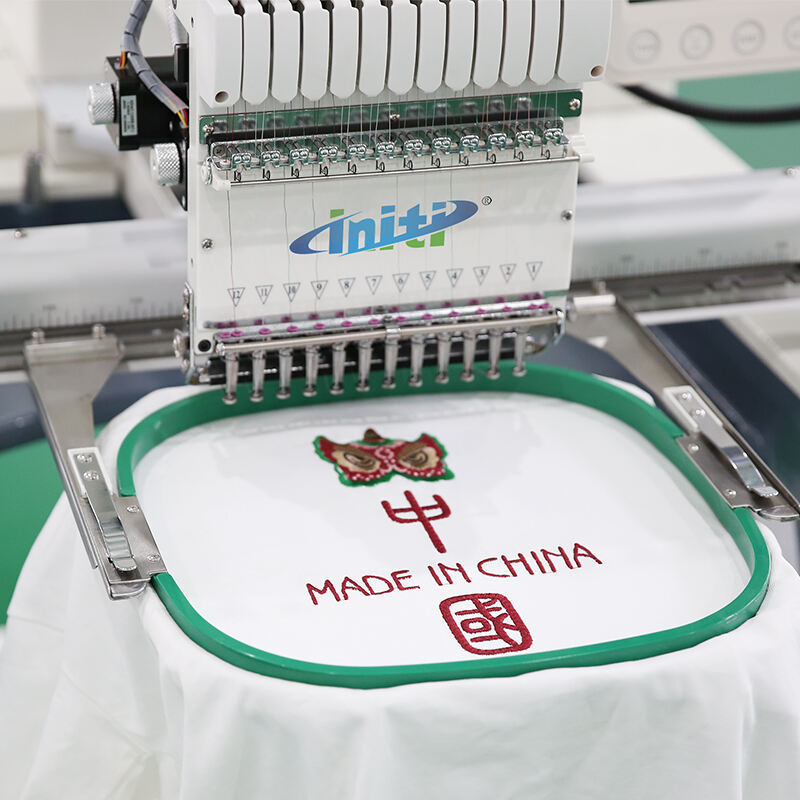
The textile and garment industry has witnessed remarkable technological advancement in recent years, particularly in the realm of automated stitching and decorative applications. Modern manufacturing facilities increasingly rely on sophisticated equipment that combines precision engineering with intelligent software integration. When investing in commercial-grade stitching equipment, understanding the latest technological innovations becomes crucial for maintaining competitive advantage in today's fast-paced market. These cutting-edge systems offer unprecedented levels of automation, efficiency, and design flexibility that were unimaginable just a decade ago.
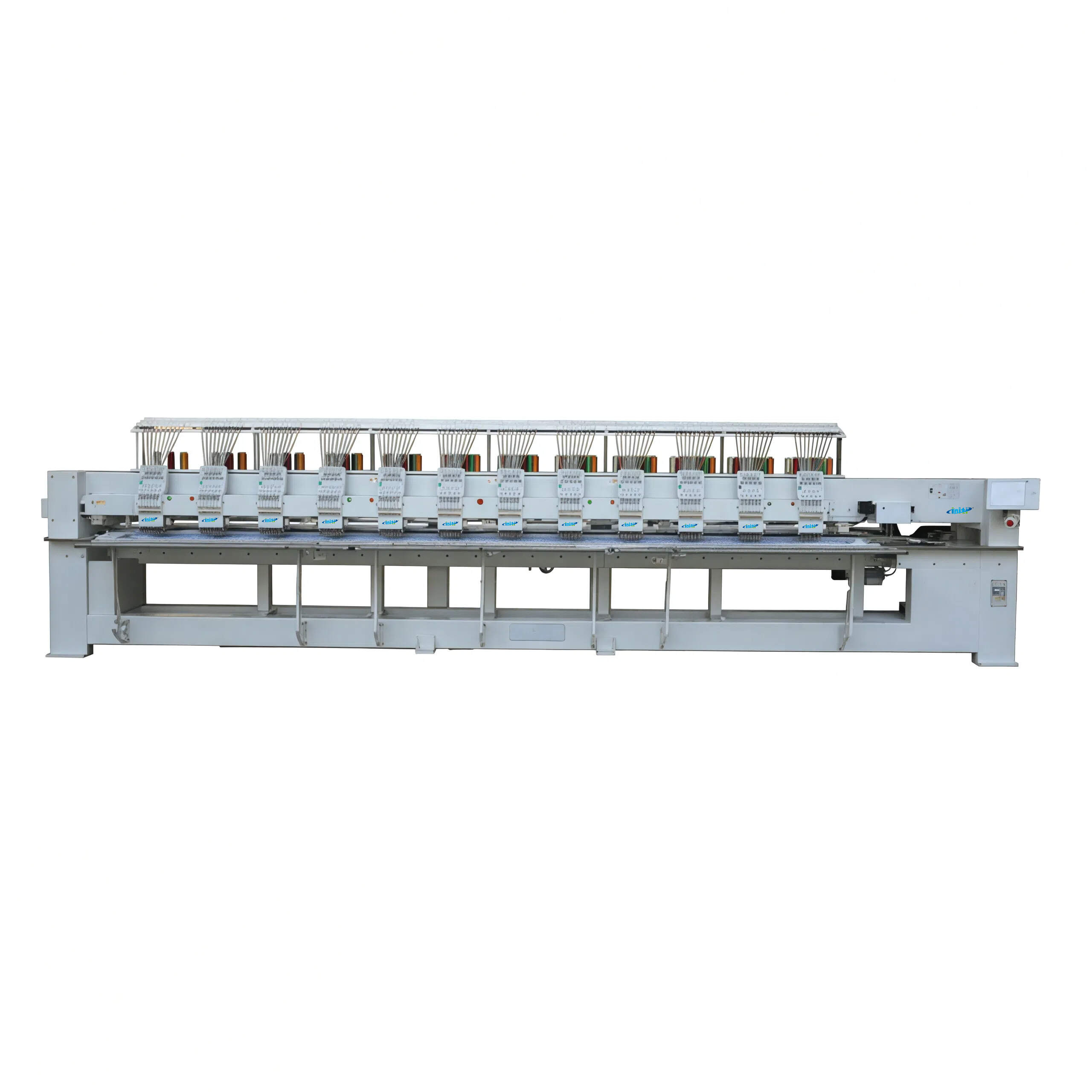
Multi-Head Configuration and Simultaneous Production Capabilities
Optimizing Production Throughput with Multiple Head Systems
Contemporary industrial stitching systems feature multi-head configurations that revolutionize production capacity and operational efficiency. These advanced setups allow manufacturers to execute multiple identical designs simultaneously, dramatically reducing per-unit production time while maintaining consistent quality standards. A professional embroidery machine equipped with multiple heads can process anywhere from six to forty garments concurrently, depending on the specific model and configuration. This parallel processing capability transforms traditional sequential production methods into highly efficient batch processing operations.
The synchronization technology embedded in modern multi-head systems ensures that each head operates with identical precision and timing. Advanced servo motor control systems maintain perfect coordination between heads, preventing any variations in stitch placement or design execution. This technological sophistication eliminates the quality inconsistencies that previously plagued multi-head operations, ensuring every finished product meets exact specifications regardless of which head completed the work.
Advanced Thread Management Across Multiple Heads
Sophisticated thread management systems represent a critical advancement in multi-head embroidery machine technology. These systems monitor thread tension, consumption, and quality across all heads simultaneously, automatically adjusting parameters to maintain optimal performance. Intelligent thread break detection systems immediately halt production when issues arise, preventing costly material waste and ensuring consistent output quality. The integration of pneumatic thread trimming systems further enhances efficiency by providing clean, precise cuts without manual intervention.
Modern thread management also incorporates predictive maintenance algorithms that monitor thread consumption patterns and predict when supplies will need replenishment. This proactive approach minimizes production interruptions and ensures continuous operation during critical production periods. The system's ability to track thread usage across different colors and materials provides valuable data for inventory management and cost optimization strategies.
Intelligent Software Integration and Design Management
Advanced Digitizing and Pattern Recognition Technology
Contemporary embroidery machine software platforms incorporate artificial intelligence and machine learning algorithms that streamline the design-to-production workflow. These intelligent systems can automatically convert raster images into embroidery-ready vector formats, significantly reducing the time required for design preparation. Advanced pattern recognition capabilities allow the embroidery machine to optimize stitch paths automatically, minimizing thread changes and reducing production time while maintaining design integrity.
The software integration extends beyond basic digitizing to include comprehensive design libraries and cloud-based storage solutions. These platforms enable seamless design sharing across multiple machines and locations, facilitating consistent brand reproduction across different production facilities. Real-time design modification capabilities allow operators to adjust patterns, colors, and sizing parameters directly from the machine interface without requiring separate design software.
Real-Time Production Monitoring and Quality Control
Modern embroidery machine systems incorporate sophisticated monitoring technology that provides real-time visibility into production performance and quality metrics. Integrated cameras and sensors continuously monitor stitch formation, thread tension, and fabric positioning throughout the production process. This continuous monitoring enables immediate detection of quality issues, allowing for rapid corrections before defective products are completed.
The monitoring systems generate comprehensive production reports that include detailed analytics on throughput, efficiency, and quality metrics. These data insights enable production managers to identify optimization opportunities and implement continuous improvement strategies. The integration of predictive analytics helps forecast maintenance requirements and optimize production scheduling to maximize equipment utilization and minimize downtime.
High-Speed Operation with Precision Control
Variable Speed Control and Adaptive Performance
Advanced speed control systems in modern industrial stitching equipment offer unprecedented flexibility in balancing production speed with precision requirements. These systems automatically adjust operating speeds based on design complexity, fabric characteristics, and thread specifications to optimize both quality and throughput. An embroidery machine with intelligent speed control can operate at maximum velocity during straight-line stitching segments while automatically reducing speed for intricate detail work or delicate fabric handling.
The adaptive performance capabilities extend to thread tension management, where the system continuously adjusts tension parameters based on fabric stretch, thread material, and stitch density requirements. This dynamic adjustment ensures consistent stitch quality across varying material types and design complexities without requiring manual intervention or setup changes between different jobs.
Precision Positioning and Movement Control
Contemporary positioning systems utilize advanced servo motor technology combined with precision-engineered mechanical components to achieve exceptional accuracy in needle placement and fabric movement. These systems maintain positioning accuracy within fractions of a millimeter, ensuring perfect design reproduction even during high-speed operation. The integration of linear motor technology in premium embroidery machine models provides smoother movement patterns and reduces mechanical wear compared to traditional belt-driven systems.
Advanced vibration dampening systems minimize the impact of high-speed operation on stitch quality and machine longevity. These systems incorporate both active and passive dampening technologies that absorb operational vibrations and maintain stable platform conditions for precise stitching. The result is consistent stitch formation quality regardless of operating speed or design complexity.
Automated Material Handling and Workflow Integration
Intelligent Hooping and Fabric Positioning Systems
Revolutionary material handling systems have transformed the traditional manual hooping process into an automated, precision-controlled operation. Modern automated hooping systems utilize computer vision technology to identify optimal fabric positioning and automatically secure materials with consistent tension distribution. These systems eliminate the variability inherent in manual hooping while significantly reducing setup time between production runs.
The integration of fabric recognition technology allows the embroidery machine to automatically adjust operational parameters based on material characteristics. The system can detect fabric weight, stretch properties, and surface texture, automatically optimizing stitch density, tension settings, and speed parameters for optimal results. This intelligent adaptation ensures consistent quality across different material types without requiring extensive manual adjustments or test runs.
Continuous Feed and Automated Material Management
Advanced material handling systems incorporate continuous feed mechanisms that enable uninterrupted production of large-format designs or repetitive pattern applications. These systems automatically manage fabric positioning and advancement, maintaining precise registration throughout extended production runs. The integration of material waste reduction algorithms optimizes fabric utilization by automatically calculating optimal pattern placement and nesting configurations.
Automated material management extends to finished product handling, where integrated conveyor systems and sorting mechanisms streamline post-production workflow. These systems automatically remove completed items from the production area and organize them according to predefined sorting criteria such as design type, color variations, or customer specifications. This automation eliminates manual handling bottlenecks and ensures consistent product flow through the entire production process.
Connectivity and Industry 4.0 Integration
IoT Connectivity and Remote Monitoring Capabilities
Modern industrial stitching equipment embraces Internet of Things connectivity to enable comprehensive remote monitoring and control capabilities. These connected systems provide real-time production data accessible from any location, allowing production managers to monitor multiple facilities simultaneously. The embroidery machine connectivity extends to predictive maintenance systems that automatically schedule service interventions based on actual usage patterns and component wear indicators.
IoT integration facilitates seamless data exchange between production equipment and enterprise resource planning systems, enabling automatic inventory updates, production scheduling optimization, and real-time cost tracking. This connectivity ensures that production data flows seamlessly throughout the organization, providing accurate visibility into operational performance and resource utilization.
Cloud-Based Design Management and Collaboration
Cloud-based design management platforms revolutionize how embroidery designs are created, stored, and distributed across production facilities. These platforms enable real-time collaboration between designers, production managers, and quality control personnel regardless of their physical location. Version control systems ensure that all production facilities utilize the most current design specifications while maintaining complete audit trails of design modifications and approvals.
The cloud integration extends to automatic software updates and feature enhancements that keep embroidery machine systems current with the latest technological developments. This continuous improvement approach ensures that equipment capabilities evolve alongside industry requirements without requiring extensive manual updates or system replacements.
Energy Efficiency and Environmental Considerations
Power Management and Consumption Optimization
Contemporary industrial stitching equipment incorporates sophisticated power management systems that optimize energy consumption while maintaining peak performance levels. These systems automatically adjust power delivery based on operational requirements, reducing energy consumption during idle periods and low-intensity operations. Advanced motor control technology ensures that energy is utilized efficiently throughout all operational phases, significantly reducing overall power consumption compared to traditional systems.
Energy recovery systems capture and reuse energy generated during deceleration and braking operations, further improving overall efficiency. These regenerative systems can reduce total energy consumption by up to twenty percent while extending the operational life of electrical components through reduced thermal stress and improved power quality.
Sustainable Manufacturing and Waste Reduction
Modern embroidery machine technology incorporates waste reduction features that minimize material consumption and environmental impact. Intelligent nesting algorithms optimize fabric utilization by automatically calculating the most efficient pattern placement strategies, reducing material waste by significant percentages. Thread optimization systems minimize color changes and reduce thread waste through intelligent path planning and consolidated design execution.
Sustainable manufacturing features extend to component longevity and recyclability considerations. Advanced materials and precision manufacturing techniques result in longer service life for critical components, reducing replacement frequency and associated environmental impact. The integration of biodegradable lubricants and environmentally friendly maintenance products further supports sustainable manufacturing practices.
FAQ
What production capacity should I expect from a modern multi-head embroidery machine
Production capacity varies significantly based on design complexity, material types, and specific machine configuration. A professional multi-head system typically produces between 800 to 1200 stitches per minute per head, with total output depending on the number of heads installed. For standard logo applications, expect to complete 50-100 pieces per hour across a 12-head configuration, while complex designs may reduce throughput to 20-40 pieces per hour. The key advantage lies in simultaneous production across multiple heads rather than raw speed alone.
How does intelligent software integration improve production efficiency compared to traditional systems
Intelligent software integration eliminates many manual processes that traditionally consumed significant production time. Automatic digitizing reduces design preparation time from hours to minutes, while real-time optimization algorithms continuously adjust machine parameters for optimal performance. Predictive maintenance scheduling reduces unexpected downtime by up to 40%, and automated quality monitoring prevents defective production before it occurs. These combined efficiencies typically result in 30-50% improvement in overall productivity compared to conventional systems.
What maintenance requirements should I anticipate with advanced embroidery machine technology
Advanced systems actually require less frequent maintenance intervention due to improved component quality and predictive maintenance capabilities. Daily maintenance typically involves basic cleaning and thread path inspection, while major service intervals may extend to 500-1000 operating hours depending on usage intensity. The integrated monitoring systems provide advance warning of component wear, allowing for planned maintenance scheduling that minimizes production disruption. Most modern systems include self-diagnostic capabilities that identify specific maintenance requirements and provide detailed service instructions.
How do connectivity features enhance production management and operational control
Connectivity features provide unprecedented visibility into production performance and equipment status across multiple locations. Real-time production monitoring enables immediate identification of efficiency bottlenecks and quality issues, while remote diagnostic capabilities allow technical support teams to resolve problems without on-site visits. Integration with enterprise systems provides automatic inventory tracking, production scheduling optimization, and real-time cost analysis. These capabilities enable data-driven decision making that optimizes resource utilization and maximizes return on equipment investment.
Table of Contents
- Multi-Head Configuration and Simultaneous Production Capabilities
- Intelligent Software Integration and Design Management
- High-Speed Operation with Precision Control
- Automated Material Handling and Workflow Integration
- Connectivity and Industry 4.0 Integration
- Energy Efficiency and Environmental Considerations
-
FAQ
- What production capacity should I expect from a modern multi-head embroidery machine
- How does intelligent software integration improve production efficiency compared to traditional systems
- What maintenance requirements should I anticipate with advanced embroidery machine technology
- How do connectivity features enhance production management and operational control