

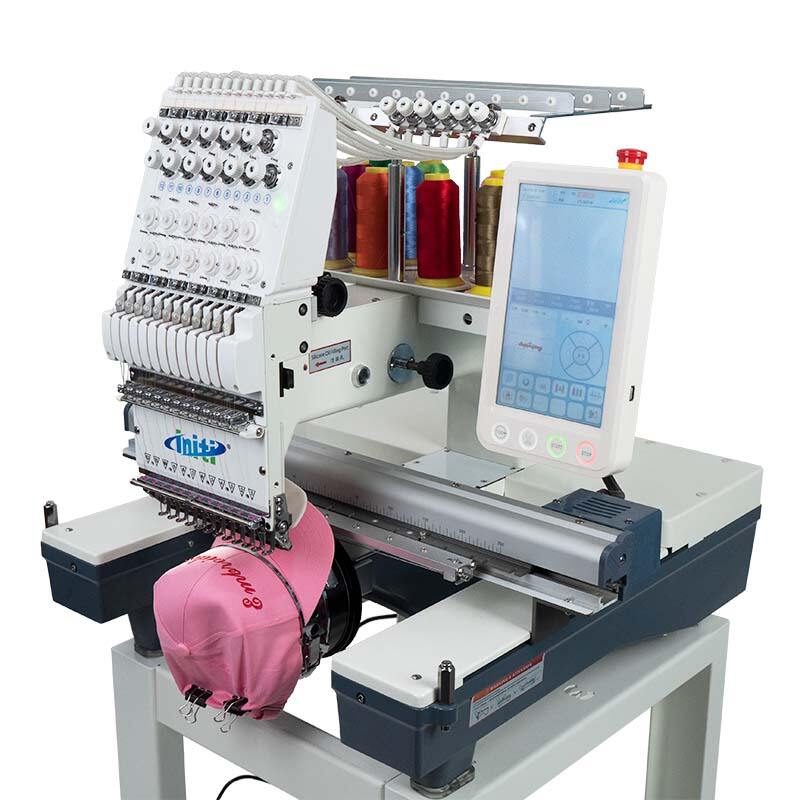
The global textile industry has witnessed remarkable advancements in embroidery technology, with Chinese embroidery equipment leading the charge in innovation and manufacturing excellence. Modern Chinese embroidery equipment combines traditional craftsmanship principles with cutting-edge automation to deliver superior performance across diverse industrial applications. These sophisticated machines have revolutionized production capabilities while maintaining the intricate detail and precision that embroidery work demands.
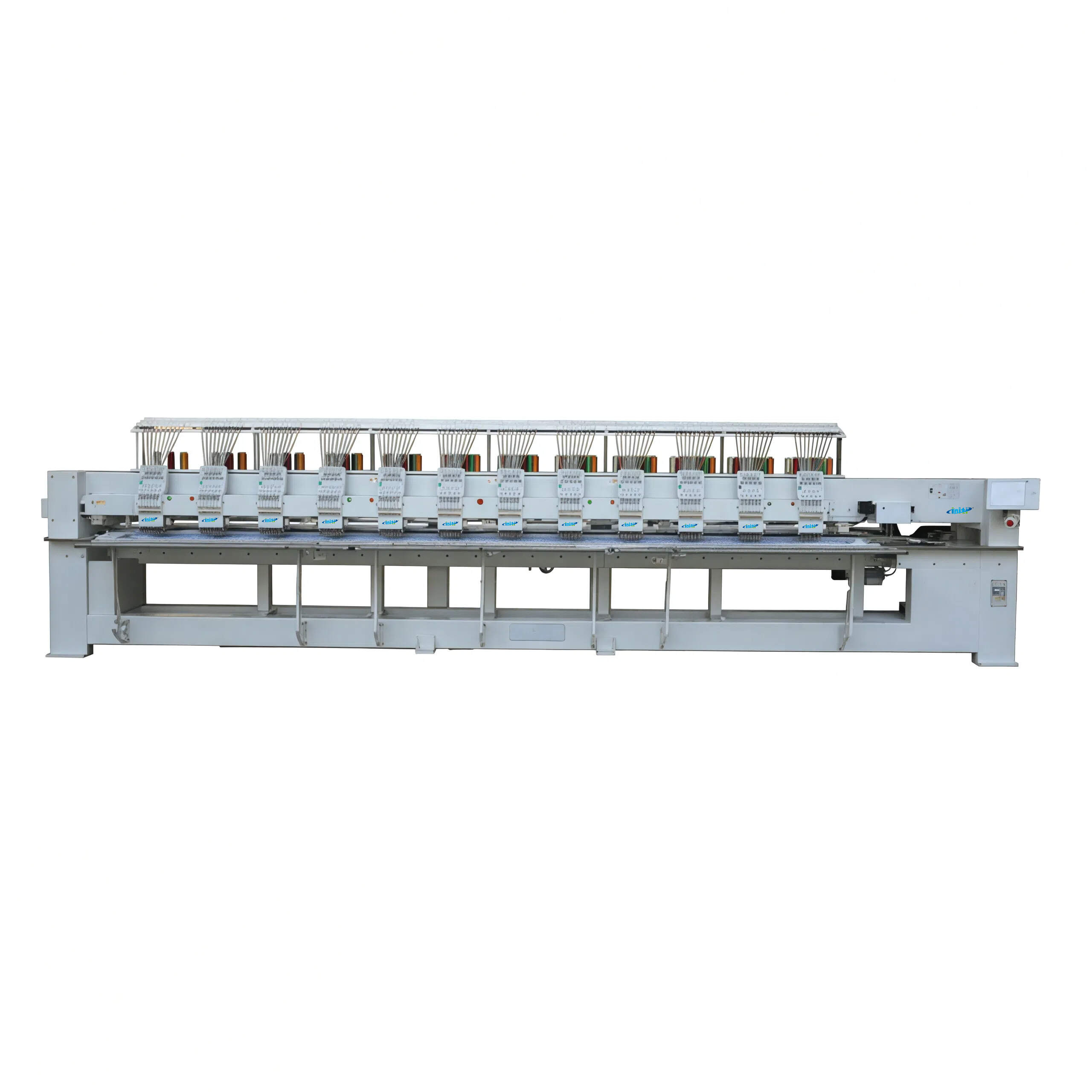
Contemporary Chinese embroidery equipment manufacturers have established themselves as global leaders through strategic investments in research and development. Their machines incorporate advanced computerized control systems that enable precise thread placement and complex pattern execution. The integration of servo motors and digital interfaces has transformed how operators interact with embroidery machinery, making complex designs more accessible to manufacturers of all scales.
Technical Innovations Driving Market Leadership
Advanced Control Systems
Modern Chinese embroidery equipment features sophisticated microprocessor-based control systems that manage multiple operational parameters simultaneously. These systems monitor thread tension, needle positioning, and fabric advancement with microsecond precision. The intelligent feedback mechanisms continuously adjust machine settings to maintain consistent stitch quality throughout extended production runs.
Digital pattern storage capabilities allow operators to store thousands of embroidery designs directly within the machine's memory system. This eliminates the need for external storage devices and reduces setup time between different production orders. The user interface typically includes touchscreen displays that provide intuitive navigation through design libraries and operational settings.
Multi-Head Configuration Benefits
Professional multi-head configurations represent a significant advancement in Chinese embroidery equipment design. These systems can operate 12, 15, or even 20 embroidery heads simultaneously, dramatically increasing production throughput while maintaining individual thread control for each head. This parallel processing capability enables manufacturers to complete large orders efficiently without compromising quality standards.
Each embroidery head operates independently, allowing for different thread colors and patterns across multiple garments simultaneously. The synchronized operation ensures consistent timing and prevents thread tangles or mechanical conflicts between adjacent heads. This technology particularly benefits manufacturers producing corporate uniforms, promotional items, and custom apparel lines.
Manufacturing Excellence and Quality Standards
Precision Engineering Components
Chinese embroidery equipment manufacturers utilize high-grade steel and aluminum alloys in machine construction to ensure durability and dimensional stability. The precision machining of critical components like needle bars, thread guides, and drive mechanisms contributes to smooth operation and extended service life. Quality control protocols throughout the manufacturing process maintain tight tolerances essential for accurate embroidery work.
Bearing systems and linear guides incorporate Japanese and German components to achieve optimal performance standards. These premium components reduce friction and vibration while maintaining precise positioning accuracy over millions of operational cycles. The combination of robust construction with high-quality components results in Chinese embroidery equipment that delivers consistent results across diverse production environments.
Thread Handling Innovation
Advanced thread delivery systems in Chinese embroidery equipment minimize thread breaks and tension variations that can compromise embroidery quality. Magnetic thread guides and ceramic thread paths reduce friction while maintaining optimal thread positioning throughout the stitching process. These improvements significantly reduce downtime associated with thread management issues.
Automatic thread trimming systems enhance production efficiency by eliminating manual intervention between embroidery segments. The precision cutting mechanisms cleanly sever threads without leaving excessive tails that could interfere with subsequent stitching operations. This automation reduces labor requirements while improving overall embroidery appearance and consistency.
Industrial Applications and Market Segments
Apparel Manufacturing Integration
Chinese embroidery equipment serves diverse segments within the global apparel industry, from high-volume production facilities to specialized custom embroidery shops. Fashion brands rely on these machines for logo placement, decorative elements, and branded merchandise production. The versatility of modern Chinese embroidery equipment accommodates various fabric types, from lightweight synthetics to heavy canvas materials.
Sportswear manufacturers particularly benefit from the high-speed capabilities and precision control offered by Chinese embroidery equipment. Team uniforms, athletic apparel, and promotional sportswear require consistent logo placement and durable thread application that these machines deliver reliably. The ability to handle technical fabrics with moisture-wicking properties has expanded market opportunities for embroidery applications.
Home Textile and Decorative Applications
The home textile sector represents a growing market for Chinese embroidery equipment applications. Bed linens, curtains, and decorative pillows benefit from the intricate patterns and premium finishes these machines can produce. The large embroidery area capabilities allow for creating substantial decorative elements that enhance the perceived value of home textile products.
Contract embroidery services utilize Chinese embroidery equipment to serve diverse client bases efficiently. The quick changeover capabilities between different projects enable these businesses to maintain competitive pricing while delivering high-quality results. The reliability and consistent operation of Chinese embroidery equipment support the demanding schedules typical in contract manufacturing environments.
Operational Efficiency and Cost Considerations
Energy Efficiency and Environmental Impact
Modern Chinese embroidery equipment incorporates energy-efficient drive systems and optimized power management to reduce operational costs. Variable frequency drives adjust motor speeds based on operational requirements, minimizing energy consumption during idle periods and light-duty operations. These efficiency improvements contribute to lower operational costs and reduced environmental impact.
Noise reduction engineering in Chinese embroidery equipment creates more comfortable working environments while meeting increasingly strict industrial noise regulations. Sound dampening materials and precision mechanical design minimize operational noise without compromising machine performance. This attention to operator comfort and regulatory compliance demonstrates the mature design approach of Chinese manufacturers.
Maintenance and Service Support
Comprehensive maintenance programs for Chinese embroidery equipment help maximize uptime and extend equipment service life. Preventive maintenance schedules address critical wear points and consumable components before they impact production quality. The availability of replacement parts and technical support ensures continued operation throughout the equipment lifecycle.
Training programs provided by Chinese embroidery equipment manufacturers ensure operators understand optimal machine setup and operation procedures. Proper training reduces the likelihood of operator errors that could damage equipment or compromise embroidery quality. These educational resources contribute to successful equipment implementation and long-term customer satisfaction.
Technology Integration and Future Developments
Digital Design Integration
Contemporary Chinese embroidery equipment seamlessly integrates with computer-aided design software and digital pattern creation tools. This connectivity enables rapid prototyping and design modifications without extensive setup procedures. The direct transfer of digital designs to machine memory eliminates transcription errors and reduces time between design approval and production initiation.
Cloud-based design libraries and remote machine monitoring capabilities represent emerging trends in Chinese embroidery equipment technology. These features enable centralized design management across multiple production locations and real-time performance monitoring for optimal efficiency. The integration of internet connectivity opens new possibilities for remote technical support and predictive maintenance programs.
Artificial Intelligence and Automation
Advanced Chinese embroidery equipment increasingly incorporates artificial intelligence algorithms to optimize stitch sequences and minimize production time. These systems analyze design complexity and automatically adjust machine parameters for optimal results. Machine learning capabilities enable continuous improvement in operational efficiency based on historical performance data.
Automated quality inspection systems integrated with Chinese embroidery equipment can detect thread breaks, tension irregularities, and pattern deviations in real-time. Early detection of quality issues prevents the production of defective embroidered items and reduces material waste. This integration of quality control with production processes enhances overall manufacturing efficiency and product consistency.
Market Position and Competitive Advantages
Global Market Presence
Chinese embroidery equipment manufacturers have established significant market share in both developed and emerging markets worldwide. Their competitive pricing combined with reliable performance has made Chinese embroidery equipment the preferred choice for many textile manufacturers. The extensive global distribution network ensures local support and service availability in major manufacturing regions.
Export statistics demonstrate the growing international acceptance of Chinese embroidery equipment quality and reliability. Major fashion brands and textile manufacturers have incorporated these machines into their production lines, validating the technical capabilities and commercial viability of Chinese manufacturing expertise. This market acceptance continues to drive innovation and quality improvements across the industry.
Value Proposition Analysis
The total cost of ownership for Chinese embroidery equipment typically provides superior value compared to alternative solutions from other manufacturing regions. Lower initial acquisition costs combined with competitive operational expenses and readily available service support create favorable economic conditions for textile manufacturers. This value proposition has been particularly attractive to emerging market manufacturers seeking to upgrade production capabilities.
Return on investment calculations for Chinese embroidery equipment consistently demonstrate positive results within reasonable payback periods. The combination of increased production capacity, improved quality consistency, and reduced labor requirements contributes to enhanced profitability for textile manufacturers. These economic benefits support continued market expansion and customer loyalty for Chinese embroidery equipment brands.
FAQ
What makes Chinese embroidery equipment competitive in the global market
Chinese embroidery equipment achieves global competitiveness through advanced engineering, cost-effective manufacturing, and comprehensive quality control systems. The integration of international components with innovative Chinese design creates machines that deliver professional performance at competitive prices. Continuous investment in research and development ensures these machines incorporate the latest technological advances while maintaining reliability standards expected by international customers.
How does multi-head configuration improve production efficiency
Multi-head Chinese embroidery equipment multiplies production capacity by operating multiple embroidery heads simultaneously on the same frame system. Each head can work on different garments or sections of larger items, dramatically reducing the time required to complete substantial orders. The synchronized operation maintains quality consistency across all heads while minimizing operator intervention requirements, resulting in both higher throughput and improved labor efficiency.
What maintenance requirements are typical for Chinese embroidery equipment
Regular maintenance for Chinese embroidery equipment includes daily cleaning of thread paths and needle areas, weekly lubrication of moving components, and monthly inspection of drive belts and tension systems. Comprehensive service intervals typically occur every 500 operational hours, involving detailed mechanical inspections and calibration procedures. Following manufacturer-recommended maintenance schedules ensures optimal performance and extends equipment service life while minimizing unexpected downtime.
Can Chinese embroidery equipment handle specialized thread materials
Modern Chinese embroidery equipment accommodates a wide range of thread materials including polyester, rayon, metallic, and specialty technical threads. Thread tensioning systems and guide mechanisms are designed to handle varying thread characteristics while maintaining consistent stitch formation. Some models include specialized features for handling delicate or difficult threads, ensuring reliable operation across diverse embroidery applications and material requirements.