

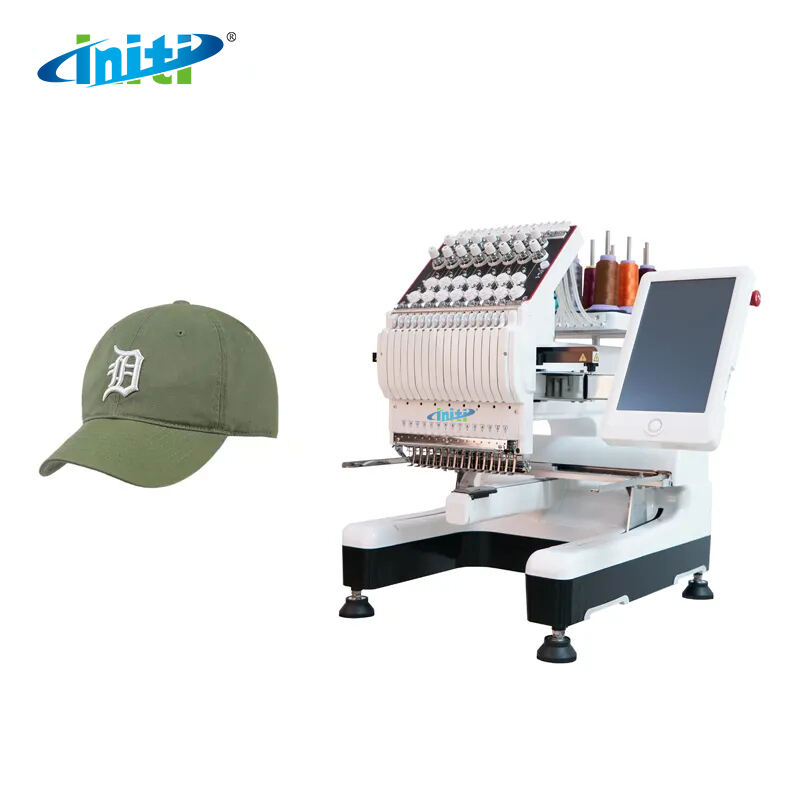
The global textile industry relies heavily on precision manufacturing, and at the heart of this ecosystem lies the embroidery machine factory. These specialized facilities combine advanced engineering, quality control, and innovative technology to produce the equipment that creates intricate designs on fabrics worldwide. Understanding the inner workings of a top-tier embroidery machine factory reveals the meticulous standards and processes that ensure consistent, high-quality production. From raw material selection to final testing procedures, every aspect of manufacturing is carefully orchestrated to meet the demanding requirements of commercial embroidery operations.
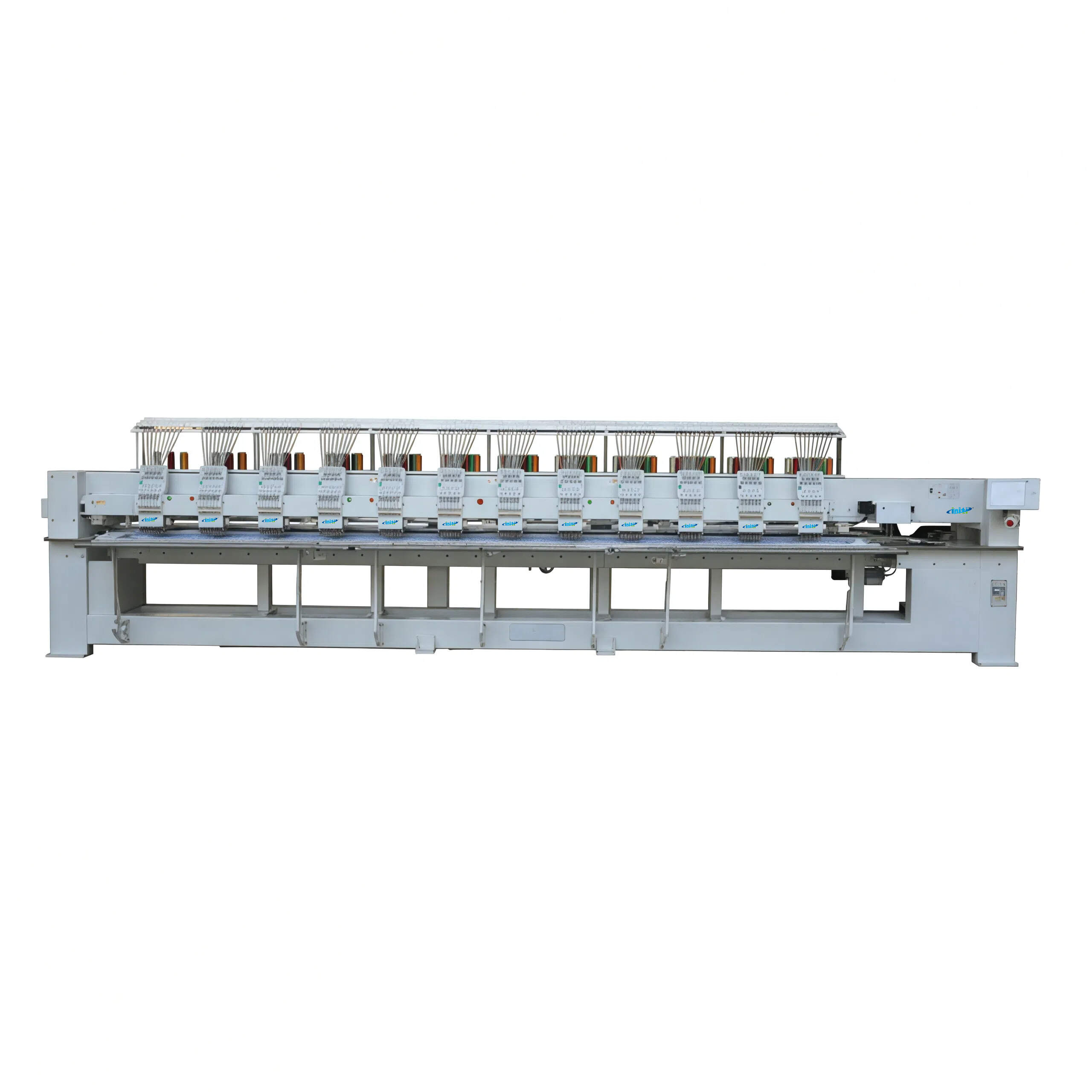
Manufacturing Excellence in Modern Production Facilities
Quality Control Systems and Protocols
A leading embroidery machine factory implements comprehensive quality control systems that begin with incoming material inspection and continue through every stage of production. These protocols ensure that each component meets strict tolerance requirements before assembly begins. Quality assurance teams utilize advanced measurement tools and testing equipment to verify dimensional accuracy, material properties, and functional performance. Regular audits and certifications maintain compliance with international manufacturing standards, providing customers with confidence in product reliability.
The quality management system encompasses not only physical inspection processes but also documentation protocols that track each machine's production history. This traceability allows for rapid identification and resolution of any issues that may arise during manufacturing or after delivery. Statistical process control methods help identify trends and variations in production, enabling proactive adjustments to maintain consistent output quality. Worker training programs ensure that all personnel understand and follow established quality procedures throughout the manufacturing process.
Advanced Manufacturing Technologies
State-of-the-art manufacturing technologies form the backbone of modern embroidery machine factory operations. Computer-controlled machining centers provide the precision required for complex mechanical components, while automated assembly systems ensure consistent positioning and alignment of critical parts. Robotic welding and joining processes deliver superior strength and repeatability compared to manual techniques. These technological investments enable higher production volumes while maintaining the exacting standards required for professional embroidery equipment.
Integration of Industry 4.0 principles allows real-time monitoring of production metrics and equipment performance throughout the facility. Smart sensors and data analytics systems provide insights into machine efficiency, product quality trends, and predictive maintenance requirements. This connectivity enables rapid response to production challenges and optimization of manufacturing processes. The digital transformation of factory operations contributes significantly to overall product quality and customer satisfaction.
Component Engineering and Material Selection
Precision Components and Hardware
The foundation of any reliable embroidery machine lies in the quality of its individual components, making material selection a critical aspect of embroidery machine factory operations. High-grade steel alloys provide the strength and durability required for frame construction, while precision-machined aluminum components offer lightweight yet robust solutions for moving parts. Bearing assemblies undergo rigorous testing to ensure smooth operation and extended service life under continuous operation conditions. Electronic components are sourced from reputable suppliers and subjected to comprehensive validation testing before integration into finished machines.
Advanced manufacturing techniques enable the production of complex geometries and tight tolerances required for optimal machine performance. CNC machining operations maintain dimensional accuracy within micrometers, ensuring proper fit and function of interconnected components. Surface treatment processes enhance corrosion resistance and wear characteristics, extending component life in demanding industrial environments. Quality certifications from component suppliers provide additional assurance of material properties and manufacturing consistency.
Software and Control Systems
Modern embroidery machines rely on sophisticated software and control systems that are developed and tested within the embroidery machine factory environment. Proprietary control algorithms optimize stitch formation, thread tension, and fabric handling to achieve superior embroidery quality. User interface design focuses on intuitive operation while providing access to advanced features required by professional operators. Extensive testing protocols validate software performance across diverse operating conditions and design complexity levels.
Integration between hardware and software components requires careful coordination during the development process. Real-time communication protocols ensure precise synchronization between mechanical movements and digital commands. Diagnostic capabilities enable rapid troubleshooting and maintenance, minimizing downtime for end users. Regular software updates and feature enhancements maintain product competitiveness and customer satisfaction throughout the machine's operational life.
Production Workflow and Assembly Standards
Systematic Assembly Processes
The assembly process within an embroidery machine factory follows carefully choreographed workflows designed to maximize efficiency while ensuring consistent quality. Workstation design incorporates ergonomic principles and tool accessibility to support worker productivity and reduce assembly errors. Standardized work instructions provide detailed guidance for each assembly step, including torque specifications, alignment procedures, and quality checkpoints. Progressive assembly stations allow for specialized focus on specific subsystems before final integration.
Just-in-time inventory management ensures that components are available when needed while minimizing work-in-process inventory. Kitting systems organize parts and hardware according to assembly sequences, reducing handling time and potential for missing components. Visual management techniques provide immediate feedback on production status and quality metrics throughout the assembly area. Continuous improvement initiatives capture worker suggestions and implement process refinements that enhance overall manufacturing effectiveness.
Testing and Validation Procedures
Comprehensive testing procedures validate machine performance before shipment from the embroidery machine factory. Initial electrical testing verifies proper operation of all control systems, motors, and sensors. Mechanical function tests confirm smooth operation of moving assemblies and proper alignment of critical components. Embroidery quality testing involves running standardized design patterns to evaluate stitch formation, thread tension consistency, and overall output quality. Environmental testing ensures reliable operation under varying temperature and humidity conditions.
Accelerated life testing simulates extended operation to identify potential wear patterns and failure modes. Vibration and noise testing verify compliance with workplace safety and comfort standards. Electromagnetic compatibility testing ensures that machines operate properly in environments with other electronic equipment. Each embroidery machine factory maintains detailed test records that provide traceability and support warranty claims if issues arise after delivery.
Innovation and Research Development
Technology Advancement Initiatives
Leading embroidery machine factory operations invest heavily in research and development to maintain competitive advantages and meet evolving customer needs. Engineering teams collaborate with textile industry experts to identify emerging trends and technical requirements. Prototype development and testing allow for evaluation of new concepts and technologies before committing to full-scale production. Patent development protects intellectual property while contributing to industry advancement and innovation.
Partnerships with universities and research institutions provide access to cutting-edge technologies and specialized expertise. Material science research explores new composite materials and surface treatments that enhance machine performance and durability. Automation research focuses on reducing operator intervention while maintaining design flexibility and quality output. Sustainability initiatives address environmental concerns through energy-efficient designs and recyclable material selection.
Customer-Driven Product Development
Customer feedback plays a crucial role in guiding product development priorities within the embroidery machine factory environment. Field service data provides insights into real-world performance and reliability issues that inform design improvements. User experience research identifies opportunities to enhance operator productivity and reduce training requirements. Market analysis reveals emerging application requirements and competitive pressures that influence future product specifications.
Beta testing programs involve selected customers in evaluating new features and capabilities before general market release. This collaboration ensures that new products meet actual user needs and perform reliably in diverse operating environments. Continuous feedback loops between development teams and field support personnel facilitate rapid problem resolution and product refinement. Customer advisory panels provide strategic input on long-term product roadmaps and technology priorities.
Environmental and Safety Standards
Workplace Safety Protocols
Safety considerations permeate every aspect of embroidery machine factory operations, from facility design to daily work procedures. Comprehensive safety training programs ensure that all personnel understand potential hazards and proper safety procedures. Personal protective equipment requirements are enforced consistently throughout the manufacturing area. Emergency response procedures and evacuation plans provide guidance for handling various crisis scenarios.
Machine guarding and safety interlocks protect workers from moving machinery and electrical hazards. Ergonomic assessments identify and address potential sources of repetitive stress injuries. Regular safety audits and inspections maintain compliance with occupational health and safety regulations. Safety performance metrics track incident rates and identify areas for improvement in workplace safety programs.
Environmental Responsibility Measures
Modern embroidery machine factory facilities implement comprehensive environmental management systems that minimize ecological impact while maintaining production efficiency. Waste reduction programs focus on material utilization optimization and recycling of manufacturing byproducts. Energy-efficient lighting and equipment reduce overall facility energy consumption. Water conservation measures minimize usage and prevent contamination of local water supplies.
Air quality monitoring systems ensure compliance with emission standards and protect worker health. Chemical management protocols minimize the use of hazardous substances and ensure proper handling and disposal procedures. Environmental performance reporting provides transparency regarding sustainability efforts and progress toward environmental goals. Green building principles guide facility design and renovation projects to maximize resource efficiency.
Supply Chain Management and Global Distribution
Supplier Relationship Management
Effective supplier relationships are essential for maintaining consistent quality and delivery performance in embroidery machine factory operations. Supplier qualification processes evaluate technical capabilities, quality systems, and financial stability before establishing partnerships. Regular performance reviews assess delivery reliability, quality performance, and continuous improvement efforts. Strategic partnerships with key suppliers enable collaborative development of new technologies and cost optimization initiatives.
Supply chain risk management identifies potential disruptions and develops contingency plans to maintain production continuity. Supplier diversity programs promote opportunities for small and disadvantaged businesses while expanding the supplier base. Long-term agreements provide stability for both parties while encouraging investment in capability development. Communication systems facilitate rapid information sharing and problem resolution throughout the supply network.
Global Distribution Networks
International distribution capabilities enable embroidery machine factory products to reach customers worldwide efficiently and cost-effectively. Regional distribution centers provide local inventory and technical support for faster customer response. Logistics optimization reduces shipping costs and delivery times while maintaining product protection during transit. Export compliance programs ensure adherence to international trade regulations and documentation requirements.
Service network development provides customers with access to technical support, spare parts, and maintenance services regardless of location. Training programs ensure that local service personnel have the knowledge and skills required to support complex embroidery equipment. Digital communication systems enable remote diagnostics and technical assistance to minimize downtime and travel costs. Customer relationship management systems track service history and preferences to enhance future support interactions.
FAQ
What quality certifications should a reputable embroidery machine factory maintain
A reputable embroidery machine factory should maintain ISO 9001 quality management certification, which demonstrates adherence to international quality standards and continuous improvement practices. Additional certifications such as CE marking for European markets, UL listing for electrical safety, and FCC compliance for electromagnetic compatibility provide assurance of product safety and regulatory compliance. Industry-specific certifications related to textile machinery standards further validate manufacturing capabilities and product quality.
How do advanced embroidery machine factory facilities ensure consistent product quality
Advanced embroidery machine factory facilities ensure consistent product quality through implementation of statistical process control methods, automated inspection systems, and comprehensive documentation protocols. Real-time monitoring of critical manufacturing parameters enables immediate correction of deviations from established standards. Regular calibration of measurement equipment and standardized work procedures minimize variation between operators and production shifts. Continuous training programs keep personnel current with quality requirements and best practices.
What role does automation play in modern embroidery machine factory operations
Automation plays a crucial role in modern embroidery machine factory operations by improving precision, consistency, and productivity while reducing manufacturing costs. Automated assembly systems ensure repeatable positioning and alignment of components, while robotic welding and joining processes deliver superior quality compared to manual techniques. Computer-controlled machining provides the accuracy required for complex mechanical components, and automated testing systems validate performance parameters more consistently than manual inspection methods.
How do embroidery machine factory sustainability practices benefit customers
Embroidery machine factory sustainability practices benefit customers through reduced environmental impact, improved resource efficiency, and enhanced corporate social responsibility profiles. Energy-efficient manufacturing processes often translate to more energy-efficient products, reducing operating costs for customers. Waste reduction and recycling programs demonstrate environmental stewardship that supports customer sustainability initiatives. Sustainable practices often drive innovation in materials and processes that result in improved product performance and durability.
Table of Contents
- Manufacturing Excellence in Modern Production Facilities
- Component Engineering and Material Selection
- Production Workflow and Assembly Standards
- Innovation and Research Development
- Environmental and Safety Standards
- Supply Chain Management and Global Distribution
-
FAQ
- What quality certifications should a reputable embroidery machine factory maintain
- How do advanced embroidery machine factory facilities ensure consistent product quality
- What role does automation play in modern embroidery machine factory operations
- How do embroidery machine factory sustainability practices benefit customers