

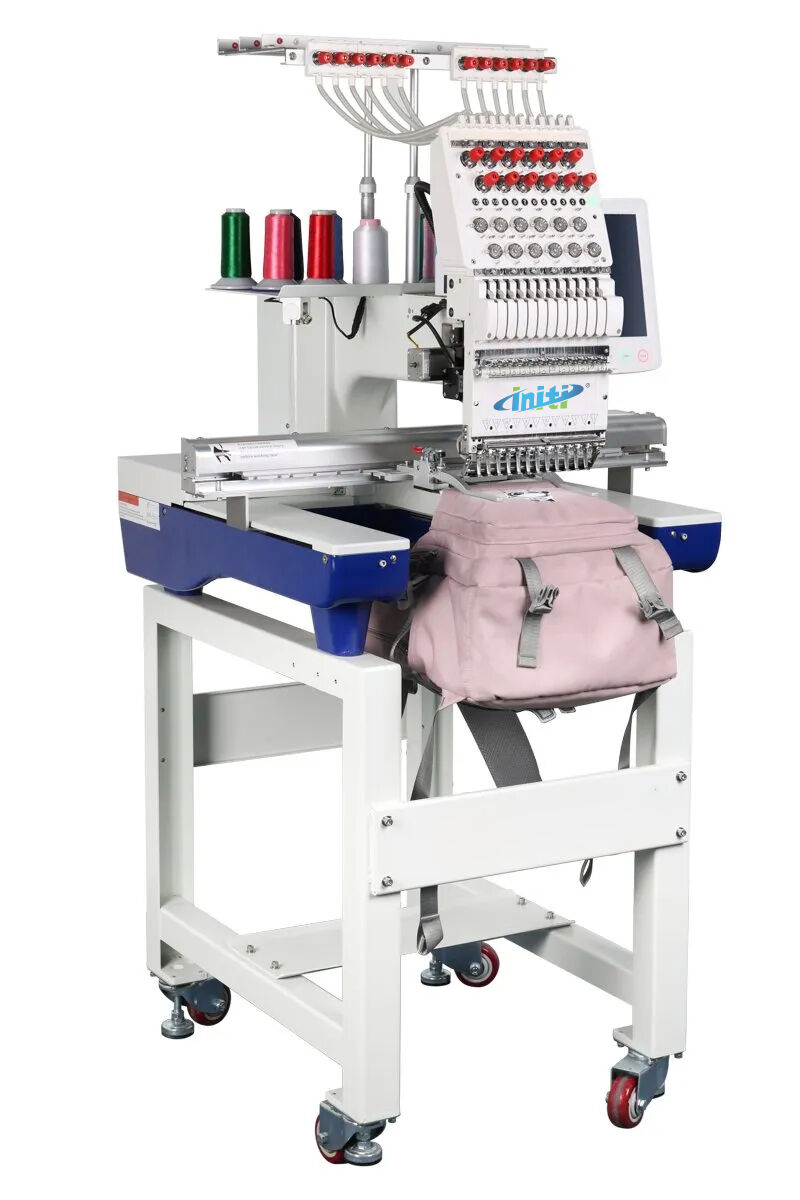
လက်မှုပညာရှင်များ၊ အသေးစားလုပုံစဥ်များနှင့် စိတ်ဝင်စားမှုအဖွဲ့ဝင်များအနက် စျေးနောက်ကြောင်းများသော စက်ပစ္စည်းများကို ရှာဖွေရေးသည် အလှဆင်ခြယ်လှယ်မှု စိတ်ကူးယဉ်မှုကို စတင်ရှာဖွေရာတွင် ဘတ်ဂျက်ကို မထိခိုက်စေဘဲ စိတ်ကူးယဉ်မှုကို စတင်ရှာဖွေရာတွင် အရေးပါလာခဲ့ပါသည်။ စျေးနောက်ကြောင်းများသော စက်များအတွက် ဈေးကွက်သည် အလွန်အမင်း ချဲ့ထွင်လာခဲ့ပါသည်။ ထိုစက်များသည် စျေးနောက်ကြောင်းများသော စျေးနှုန်းများနှင့် လုပ်ဆောင်နိုင်မှုများကို ဟန်ချက်ညှိပေးသည့် ရွေးချယ်စရာများကို ပေးအပ်ပါသည်။ ထိုစက်များသည် စတင်လေ့လာသူများအတွက် အကောင်းဆုံး စတင်မှုအခွင့်အလမ်းများကို ပေးအပ်ပါသည်။ ထို့အပြင် အရည်အသွေးမြင့် အလှဆင်ခြယ်လှယ်မှုအတွက် လိုအပ်သော တိကျမှုနှင့် ယုံကြည်စေမှုကိုလည်း ပေးအပ်ပါသည်။ သင်သည် အိမ်တွင် စတင်လုပုံစဥ်တစ်ခုကို စတင်ရှာဖွေနေခြင်းဖြစ်စေ သို့မဟုတ် စိတ်ကူးယဉ်မှုအသစ်တစ်ခုကို စတင်လေ့လာနေခြင်းဖြစ်စေ စျေးနောက်ကြောင်းများသော အလှဆင်ခြယ်လှယ်မှုစက်ပစ္စည်းများ၏ ဈေးကွက်အခြေအနေကို နားလည်ခြင်းဖြင့် သင့်၏လိုအပ်ချက်များနှင့် ဘတ်ဂျက်အကန့်အသတ်များနှင့် ကိုက်ညီသော သတိထားမှုရှိသော ဆုံးဖြတ်ချက်ကို ချမှတ်နိုင်ပါသည်။
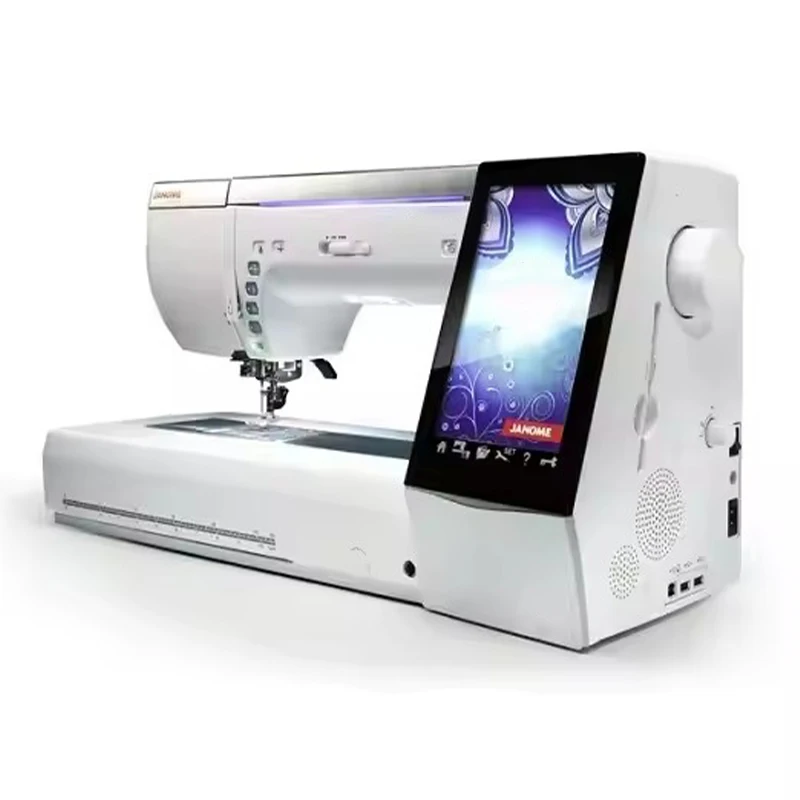
စျေးနောက်ကြောင်းများသော အလှဆင်ခြယ်လှယ်မှုစက်ပစ္စည်းများတွင် ထည့်သွင်းစဉ်းစားရမည့် အရေးကြီးသော အင်္ဂါရပ်များ
ချုပ်လုပ်မှုအရည်အသွေးနှင့် တိကျမှုအဆင်းများ
စိန်တောက်ချုပ်စက်များကို ဈေးနှုန်းချိုသာစွာဖြင့် အကဲဖြတ်သည့်အခါ ဈေးနှုန်းအဆင့်ကို လျစ်လျူရှု၍ ချုပ်လုံခြင်းအရည်အသွေးသည် အရေးပါဆုံးဖြစ်သည်။ ခေတ်မီသော စျေးနှုန်းချိုသာသည့် စက်များတွင် ပိုမိုမြင့်မားသော စက်များနှင့် ယှဉ်ပြိုင်နိုင်သည့် တင်းမာမှုထိန်းချုပ်မှုစနစ်များနှင့် အပေါက်အတိအကျရှိသော အပ်တပ်ဆင်မှုစနစ်များကို ထည့်သွင်းလေ့ရှိသည်။ အဓိကမှာ ချုပ်လုံခြင်းရလဒ်များကို တိုက်ရိုက်သက်ရောက်မှုရှိသော လုပ်ဆောင်ချက်များနှင့် အဆင်ပြေမှုကိုသာ ဖြည့်စွက်ပေးသော လုပ်ဆောင်ချက်များကို နားလည်ခြင်းဖြစ်သည်။ အရည်အသွေးရှိသော ဘတ်ဂျက်စက်များသည် ချုပ်လုံမှုတည်ငြိမ်မှု၊ ကြိုးကိုင်တွယ်မှုယုံကြည်စိတ်ချရမှုနှင့် ပရော်ဖက်ရှင်နယ်ပုံစံရလဒ်များရရှိစေရန် ဟုပ်တံတည်ငြိမ်မှုကို ပေးစွမ်းနိုင်သည်။ ထုတ်လုပ်သူအများအပြားသည် အခြေခံစွမ်းဆောင်ရည်စံနှုန်းများကို မထိခိုက်စေဘဲ စျေးကျသောကုန်ကျစရိတ်ဖြင့် အရေးကြီးသော ချုပ်လုံခြင်းစွမ်းရည်များကို ပေးပို့ရန် ထုတ်လုပ်မှုလုပ်ငန်းစဉ်များကို အကောင်းဆုံးဖြစ်အောင် ပြုလုပ်ထားကြသည်။
စျေးသက်သာသော စက်ခြင်းစက်များတွင် တိကျမှုရှိမရှိသည်မှာ စတပ်ပါမော်တာများ၊ ဒရိုက်ဘယ်လ်များနှင့် အီလက်ထရွန်နစ်ထိန်းချုပ်စနစ်များကဲ့သို့သော အတွင်းပိုင်းအစိတ်အပိုင်းများ၏ အရည်အသွေးအပေါ်တွင် မှီခိုပါသည်။ ဤအစိတ်အပိုင်းများသည် ရှုပ်ထွေးသောဒီဇိုင်းများတွင် အများအားဖြင့် မှန်ကန်သော ချုပ်ချောင်းထိုးနေရာများနှင့် စံချိန်စံညွှန်းနှင့်ကိုက်ညီသော ချုပ်ကြောင်းအကွာအဝေးများကို ထိန်းသိမ်းပေးရန် အတ together တွင် အလုပ်လုပ်ကြသည်။ ဘတ်ဂျက်အရ စျေးနောက်ကြောင်းရှိသော ဝယ်သူများသည် ရှည်လျားသောအသုံးပြုမှုကာလများအတွင်း စက်များ၏ ယန္တရားဆိုင်ရာ စိတ်ချရမှုနှင့် စံချိန်စံညွှန်းနှင့်ကိုက်ညီသော စွမ်းဆောင်ရည်ရှိမှုကို အထူးအလေးပေးသင့်ပါသည်။ နမူနာစက်ခြင်းအထုတ်ကုန်များကို စမ်းသပ်ခြင်းဖြင့် အများပြားသော အဝတ်အစားအများအပြားနှင့် ဒီဇိုင်းရှုပ်ထွေးမှုအဆင့်များတွင် စက်၏ အရည်အသွေးစံချိန်စံညွှန်းများကို ထိန်းသိမ်းနိုင်မှုအကြောင်း အသုံးဝင်သော အချက်အလက်များကို ရယူနိုင်ပါသည်။
ဒီဇိုင်းသ совместим်မှုနှင့် ဆော့ဖ်ဝဲလ်အသုံးပြုမှု
ခေတ်မီသော စျေးသက်သာသည့် စက်ချုပ်စက်များသည် အလွန်ကျယ်ပြန့်သော ဒီဇိုင်းဖိုင်ဖော်မတ်များကို ထောက်ပံ့ပေးလာကြပါသည်။ ထိုသို့သော ဖိုင်ဖော်မတ်များတွင် DST၊ PES၊ JEF နှင့် VP3 စသည့် လူကြိုက်များသော ဖိုင်အမျိုးအစားများ ပါဝင်ပါသည်။ ဤအရည်အသွေးကြောင့် အသုံးပြုသူများသည် သူတို့၏ ကိုယ်ပိုင် ဖိုင်ဖော်မတ်များတွင် မှောင်နေသည့် ဒီဇိုင်းများကို အသုံးပြုနိုင်မည်ဖြစ်ပြီး အထူးသော ဖိုင်ဖော်မတ်များတွင် အကောက်အပို့မှုများ မဖြစ်ပါသည်။ စျေးသက်သာသည့် စက်များအများစုတွင် အတွင်းပါ ဒီဇိုင်းပြင်ဆင်မှုစွမ်းရည်များ ပါဝင်လာပါသည်။ ထိုစက်များဖွင့်သည့် အင်တာဖေ့စ်တွင် အသုံးပြုသူများသည် ဒီဇိုင်းများကို အရွယ်အစားပြောင်းခြင်း၊ လှည့်ခြင်းနှင့် ပေါင်းစပ်ခြင်းများကို တိုက်ရိုက်ပြုလုပ်နိုင်ပါသည်။ ဆော့ဖ်ဝဲလ်ချိတ်ဆက်မှုသည် အရေးကြီးသော ကွဲပြားမှုဖြစ်လာပါသည်။ အချို့သော စျေးသက်သာသည့် မော်ဒယ်များတွင် USB၊ မှတ်ဉာဏ်ကတ်များ သို့မဟုတ် အဝေးမှ ချိတ်ဆက်မှုများဖြင့် ဒီဇိုင်းများကို လွှဲပေးနိုင်သည့် ချိတ်ဆက်မှုများ ပါဝင်လာပါသည်။
အလှဆင်ချုပ်စက်များအတွက် ဈေးနှုန်းချိုသာစွာဖြင့် ဒီဇိုင်းဆွဲရန် ဆော့ဖ်ဝဲများနှင့် အွန်လိုင်းပုံစံစာကြည့်တိုက်များရရှိမှုသည် ဘတ်ဂျက်အတွက် တန်ဖိုးကို သိသိသာသာ မြှင့်တင်ပေးပါသည်။ ထုတ်လုပ်သူအများအပြားသည် ၎င်းတို့၏စက်များနှင့်အတူ အခြေခံဒစ်ဂျစ်တယ်ပြောင်းဆော့ဖ်ဝဲများကို တွဲဖက်၍ ပေးပို့ပါသည်။ ထိုသို့ဖြင့် အသုံးပြုသူများအနေဖြင့် ကိုယ်ပိုင်ဒီဇိုင်းများဖန်တီးရန် သို့မဟုတ် ရှိပြီးသားပုံစံများကို ပြင်ဆင်ရန် ကိရိယာများရရှိပါသည်။ ကလောင်းပေါ်ရှိ ဒီဇိုင်းပလက်ဖောင်းများသည် ပရော်ဖက်ရှင်နယ်အဆင့်အတန်းရှိ ပုံစံများကို လူတိုင်းရယူအသုံးပြုနိုင်ရေးကို ဖြစ်ပေါ်စေပါသည်။ ထိုသို့ဖြင့် စျေးပေါအလှဆင်ချုပ်စက်များကို ပိုင်ဆိုင်သူများသည်လည်း စျေးကြီးစက်များကို အသုံးပြုသူများနှင့် အတူတူပင် ဒီဇိုင်းအရင်းအမြစ်များကို အသုံးပြုနိုင်ပါသည်။ ဤဆော့ဖ်ဝဲစနစ်ချဉ်းကပ်မှုသည် စျေးနှုန်းချိုသာသော စက်များကို ကန့်သတ်ချက်ရှိသည့် ကိရိယာများမှ စွမ်းဆောင်ရည်မြင့် ဖန်တီးမှုပလက်ဖောင်းများအဖြစ် ပြောင်းလဲပေးလိုက်ပါသည်။
ဈေးနှုန်းအတန်းအစားအလိုက် စွမ်းဆောင်ရည်နှိုင်းယှဉ်ချက်
အမြန်နှင့် ကုသမှု အမှတ်တိုင်းများ
စက်ချုပ်မှုအမြန်နှုန်းသည် ထုတ်လုပ်မှုနှုန်းနှင့် ပရောဂျက်ပီးမြောက်ရန်ကုန်ကျစရိတ်အချိန်ကို တိုက်ရိုက်သက်ရောက်မှုရှိသည့် အရေးကြီးသော စွမ်းဆောင်ရည်ညွှန်းကိန်းဖြစ်သည်။ စျေးနောက်ပိုင်း စက်ချုပ်စက်များသည် များသောအားဖြင့် မိနစ်လျှင် ၄၀၀ မှ ၈၀၀ ချုပ်မှုအထ do အထိ အမြန်နှုန်းဖြင့် လုပ်ဆောင်နိုင်ပြီး ၎င်းသည် အိမ်တွင် အသုံးပြုသည့် ပရောဂျက်များနှင့် စီးပွားရေးအသုံးပြုမှုအတွက် အသေးစားအဆင့်များတွင် လုံလောက်သည့် အမြန်နှုန်းဖြစ်သည်။ အဆင့်မြင့်စက်များသည် အမြင်နှုန်းအမြင့်ဆုံးကို ပေးစေသည်ဖြစ်သော်လည်း လက်တွေ့အသုံးပြုမှုတွင် အမြင်နှုန်းအမြင့်ဆုံးဖြင့် အမြင်နှုန်းအနိမ့်ဆုံးကြားတွင် ကွာခြားမှုသည် အလေးထားဖွယ်မဟုတ်ဘဲ အလယ်အလတ်အမြန်နှုန်းဖြင့် စွမ်းဆောင်ရည်တည်မြဲမှုနှင့် ယုံကြည်စိတ်ချရသော လုပ်ဆောင်မှုကို ပိုမိုအလေးထားကြသည်။ စျေးနောက်ပိုင်းစက်များအများစုသည် အမြင်နှုန်းအမြင့်ဆုံး၏ ၆၀-၇၀% အထိ လုပ်ဆောင်ခြင်းဖြင့် အကောင်းဆုံးရလေ့ရှိပြီး ချုပ်ခြင်းခြင်းကြေးနီများကို ပိုမိုကောင်းမောင်းစေပါသည်။
စျေးသက်သာသော စက်ချုပ်ပေါင်းလုပ်ရှိ စက်များ၏ အကောင်းမွန်မှုသည် အချိန်အတိုင်းအတာတွင် အမြန်နှုန်းသ့ဲထက် ပိုမိုကျယ်ပေါင်းသည်။ ဥပမါ- အလိုအလျောက် ချုပ်ခြင်းချုပ်ကြိုးများ ဖြတ်တောက်ခြင်း၊ အရောင်ပြောင်းခြင်းကို အသိပေးခြင်းနှင့် အမှားအမှင်များ ပြန်လည်ပေါ်ပေါက်လာစေရန် အလိုအလျောက် ပြုပုံပြုန်းခြင်း စသည့် အချိန်ကုန်သက်သာစေသည့် လုပ်ဆောင်ချက်များ ပါဝင်ပါသည်။ ခေတ်မှီသော စျေးသက်သာသော စက်ချုပ်ပေါင်းလုပ်ရှိ စက်များတွင် ဤသည်တို့ကို အထက်တန်းစား စက်များတွင်သာ ပါဝင်လေ့ရှိသည့် လုပ်ဆောင်ချက်များ တိုးမြင်လာကြသည်။ စက်ချုပ်ပေါင်းလုပ်ရှိ လုပ်ငန်းစဉ်များအတွင်း လူသားများ၏ လက်တွေ့ကုန်သုတ်မှုကို အနည်းဆုံးဖြစ်စေရန် စက်များတွင် အာရှိမှုစက်များနှင့် အလိုအလျောက် လုပ်ဆောင်ချက်များ ပေါင်းစပ်ထည့်သွင်းထားခြင်းဖြစ်သည်။ ထို့ကြောင့် အသုံးပြုသူများသည် စက်ကို အမြဲတမ်း စောင်းကြည့်နေရခြင်းထက် ဒီဇိုင်းရွေးချယ်မှုနှင့် အရည်အသွေးထိန်းချုပ်မှုတွင် အာရုံစိုက်နိုင်သည်။ ဤသည်တို့သည် စျေးနှုန်းအမျိုးမျိုးရှိ အသုံးပြုသူများ၏ အတွေ့အကြုံကို သိသိသာသာ မြ improvement မှုဖြစ်စေခဲ့သည်။
အဆောက်အအုံအရည်အသွေးနှင့် ခံနိုင်ရည်ရှိမှု အကဲဖြတ်ခြင်း
ဘတ်ဂျက်အတွင်းရှိ စက်သုံး စက်ခြယ်လှယ်မှုပစ္စည်းများ၏ တည်ဆောက်မှုအရည်အသွေးသည် ထုတ်လုပ်သူများက ထုတ်လုပ်မှုလုပ်ငန်းစဉ်များနှင့် ပစ္စည်းရွေးချယ်မှုများကို ပိုမိုကောင်းမွန်အောင် မော်ဒီဖိုင်းလုပ်လာသည့်အတွက် အလွန်အမင်း မြင့်မားလာခဲ့ပါသည်။ အခုခေတ်တွင် ဈေးသက်သာသော စက်ခြယ်လှယ်မှုစက်များအများစုတွင် ခိုင်မာသော သံမဏိဖရိမ်းဝေါက်များနှင့် တိကျစွာ ဒီဇိုင်းထုတ်ထားသော အစိတ်အပိုင်းများ ပါဝင်လာပြီး ၎င်းတို့သည် ပိုမိုစျေးကောင်းသော အစားထိုးစက်များနှင့် နှိုင်းယှဉ်ပါက တည်ငြိမ်မှုနှင့် အသက်တာကြာရှည်မှုတို့တွင် နှိုင်းယှဉ်နိုင်သည့် အရည်အသွေးကို ပေးစေပါသည်။ အဓိကကွာခြားချက်များသည် အများအားဖြင့် အသွင်အပြင်ဆိုင်ရာ အမျှတမှုများနှင့် အဆင်ပေးမှုဆိုင်ရာ လုပ်ဆောင်ချက်များတွင်သာ ရှိပြီး အခြေခံအောက်ခြေ တည်ဆောက်မှုအားသာချက်များတွင် မဟုတ်ပါ။ သုံးစွဲသူများသည် ထုတ်လုပ်သူများ၏ ညွှန်ကြားချက်များအတိုင်း အကောင်းဆုံး အသုံးပြုမှုအတွက် အက်ဒ်ဘိုက်ဒ် အခြေအနေများအတွင်းတွင် စက်များကို အသုံးပြုပြီး ထုတ်လုပ်သူများ၏ ညွှန်ကြားချက်များအတိုင်း ထိန်းသိမ်းမှုများကို ပုံမှန်လုပ်ဆောင်ပါက ယုံကြုံစွာ အလုပ်လုပ်နေမည့် ဘတ်ဂျက်အတွင်းရှိ စက်များများကို မျှော်လင့်နိုင်ပါသည်။
သင့်တော်စွာ ထိန်းသိမ်းထားသော စျေးပေါ ချုပ်လုပ်ရေးစက်များသည် ယုံကြည်စိတ်ချရသော ဝန်ဆောင်မှုကို နှစ်အတန်ကြာ ပေးနိုင်ကြောင်း ခံနိုင်ရည်စမ်းသပ်မှုများနှင့် အသုံးပြုသူများ၏ အကြံပြုချက်များက အမြဲတမ်း ဖော်ပြနေပါသည်။ အသုံးချောမှုကို ပုံမှန်သန့်ရှင်းခြင်း၊ သင့်တော်သော ဆီထည့်ပေးခြင်းနှင့် အသုံးပြုမှုပုံစံများကို လိုက်နာခြင်းတို့သည် သက်တမ်းကို အဓိက အကျိုးသက်ရောက်စေသော အချက်များ ဖြစ်ပါသည်။ ထုတ်လုပ်သူအများအပြားသည် ယခုအခါ ၎င်းတို့၏ စျေးနှုန်းချိုသာသော ထုတ်ကုန်များအတွက် အထူး အာမခံကာလ တိုးချဲ့ပေးသည့် အစီအစဉ်များကို ပေးနေပြီး ထုတ်ကုန်၏ ယုံကြည်စိတ်ချရမှုကို ပိုမိုတိုးတက်လာစေပါသည်။ တည်ဆောက်မှုအရည်အသွေး ပိုမိုကောင်းမွန်လာသည့် ဤလားရာသည် စျေးပေါ ချုပ်လုပ်ရေးစက်များ အလုပ်ရဲ့အရည်အသွေးကို အမှန်တကယ် အာရုံစိုက်သော အနုပညာရှင်များနှင့် သေးငယ်သော စီးပွားရေးလုပ်ကိုင်သူများအတွက် ရေရှည်ရင်းနှီးမြှုပ်နှံမှုတစ်ရပ် ဖြစ်လာစေခဲ့ပါသည်။
ဈေးကွက် ခွဲခြမ်းစိတ်ဖြာမှုနှင့် အမှတ်တံဆိပ်များ နှိုင်းယှဉ်ခြင်း
စျေးနှုန်းချိုသာပြီး ရွေးချယ်စရာကောင်းသော ထုတ်လုပ်သူများ
စျေးနေ့သက်သာသော စက်ချုပ်ပိုမ်းစက်များ၏ ဈေးကွက်တွင် အဆင့်မြင့် ထုတ်လုပ်ရေးကုမ္ပဏီများ အများအပြား ပါဝင်ပါသည်။ ဤကုမ္ပဏီများသည် ဗုဒ္ဓဟောင်း ထုတ်ကုန်ဖွံ့ဖြိုးရေးနှင့် စုစုပေါင်းစုံစမ်းမှုများကို အသုံးပြု၍ စျေးနေ့သက်သာသော အပိုင်းတွင် အောင်မြင်စွာ နေရာယူထားပါသည်။ ဤကုမ္ပဏီများသည် ထုတ်လုပ်မှုနည်းပညာများ တိုးတက်လာမှုနှင့် အစိတ်အပိုင်းများ ရယူရေးတွင် အောင်မြင်မှုများကို အသုံးချ၍ စျေးနေ့သက်သာသော စျေးနှုန်းဖြင့် လုပ်ဆောင်ချက်များ ပေးစေးသည့် စက်များကို ထုတ်လုပ်ပေးနိုင်ခဲ့ပါသည်။ ထုတ်လုပ်သူများ၏ အားသာချက်များနှင့် အထူးပြုမှုများကို နားလည်ခြင်းဖြင့် ဝယ်သူများသည် သူတို့၏ လိုအပ်ချက်များနှင့် အသုံးပြုမှုပုံစံများနှင့် ကိုက်ညီသော အမှတ်တံဆိပ်များကို ရှာဖွေနိုင်ပါသည်။ စျေးနေ့သက်သာသော အပိုင်းတွင် အာရုံစိုက်သည့် ကုမ္ပဏီများအများအပြားသည် အရည်အသွေး မှန်ကန်စွာ ပေးပေးနိုင်မှုနှင့် ဖောက်သည်များအား အမျှတ်တုံ့ပြန်မှု ပေးနိုင်သည့် ဝန်ဆောင်မှုများကို အသုံးပြု၍ အားကောင်းသော အမည်ကောင်းများ တည်ဆောက်နိုင်ခဲ့ပါသည်။
စျေးသက်သာသော အပ်ချုပ်စက်များ အုပ်စုတွင် အမှတ်တံဆိပ် ကွဲပြားမှုသည် မတူကွဲပြားသော လုပ်ဆောင်ချက်များ ပေါင်းစပ်မှု၊ ဆော့ဖ်ဝဲများ ထည့်သွင်းပေးခြင်းနှင့် ရောင်းပြီးနောက် ပံ့ပိုးမှုအရည်အသွေးတွင် အဓိကအားဖoc်စွဲလေ့ရှိပါသည်။ အချို့သော ထုတ်လုပ်သူများသည် ယန္တရားဆိုင်ရာ စိတ်ချရမှုတွင် ထူးချွန်ပြီး အချို့သည် ဆော့ဖ်ဝဲ ပေါင်းစပ်မှုနှင့် အသုံးပြုသူ အင်တာဖေး ဒီဇိုင်းတွင် အလေးပေးပါသည်။ အောင်မြင်သော စျေးနောက် အမှတ်တံဆိပ်များသည် သီးခြား စျေးကွက် အပိုင်းအစများကို သေချာစွာ သိရှိပြီး ၎င်းတို့၏ ထုတ်ကုန်များကို ထို အထူးလိုအပ်ချက်များကို ထိရောက်စွာ ဖြည့်ဆည်းပေးရန် ပုံစံထုပ်ပေးထားပါသည်။ ဤ အထူးပြုမှု ချဉ်းကပ်မှုသည် ဈေးကွက်ကို အလွန်မျှော်လင့်ချက်များ ကွဲပြားသော အမျိုးအစားများဖြင့် ဖွဲ့စည်းပေးခဲ့ပါသည်။ ဝယ်သူများသည် သူတို့၏ ရည်ရွယ်ချက်အတွက် အကောင်းဆုံး အသုံးပြုနိုင်ရန် အထူးပုံစံထုပ်ပေးထားသော စက်များကို ရှာဖွေနိုင်ပါသည်။ ထိုသို့သော ရည်ရွယ်ချက်များသည် အိမ်တွင် အလုပ်လုပ်ခြင်း၊ သေးငယ်သော စီးပွားရေးလုပ်ငန်းများ လုပ်ကိုင်ခြင်း သို့မဟုတ် ပညာရေးဆိုင်ရာ ပတ်ဝန်းကျင်များ ဖြစ်နိုင်ပါသည်။
တန်ဖိုးအကြံပြုချက် ဆန်းစစ်ချက်
စျေးပေါသော ချုပ်လက်ရာစက်များ၏ တန်ဖိုးအဆိုအပြုကို ဆန်းစစ်ရာတွင် ချက်ချင်းကုန်ကျစရိတ်များနှင့် ရေရှည်ပိုင်ဆိုင်မှုကုန်ကျစရိတ်များကို ထည့်သွင်းစဉ်းစားရန် လိုအပ်ပါသည်။ စုစုပေါင်းပိုင်ဆိုင်မှုကုန်ကျစရိတ်၏ တစ်စိတ်တစ်ဒေသသာ ဖြစ်သော ကနဦးဝယ်ယူမှုစျေးနှုန်းအပြင် စားသုံးပစ္စည်းများ၊ ထိန်းသိမ်းမှုလိုအပ်ချက်များနှင့် ဆော့ဖ်ဝဲလိုင်စင်ကဲ့သို့သော အချက်များသည် ဆက်လက်ကုန်ကျနေသော စရိတ်များကို ဖြစ်ပေါ်စေပါသည်။ စျေးနှုန်းချိုသာသော စက်အများစုသည် စီမံခန့်ခွဲမှုထိရောက်သော ဒီဇိုင်းများ၊ အလွယ်တကူရရှိနိုင်သော အစိတ်အပိုင်းများနှင့် ဆော့ဖ်ဝဲလ်ပက်ကေ့ခ်ျများကို ပေါင်းစပ်ပေးခြင်းဖြင့် ဒုတိယအဆင့်ကုန်ကျစရိတ်များကို လျှော့ချပေးခြင်းဖြင့် ပိုမိုကောင်းမွန်သော တန်ဖိုးအဆိုအပြုကို ပေးစွမ်းနိုင်ပါသည်။ ဉာဏ်ရည်မီသော ဝယ်ယူသူများသည် ၎င်းတို့၏ သီးခြားအသုံးပြုမှုပုံစံအတွက် စုစုပေါင်းတန်ဖိုးကို အကောင်းဆုံးပေးစွမ်းနိုင်သော စက်များကို ဖော်ထုတ်ရန် ကုန်ကျစရိတ်အပြည့်အစုံကို ဆန်းစစ်သုံးသပ်ကြပါသည်။
စျေးသက်သာသော စက်ချုပ်စက်များအတွက် ရင်းနှီးမြှုပ်နှံမှုအပေါ် အကျိုးအမြတ်ပြန်လာ တွက်ချက်မှုများသည် အထူးသဖြင့် ထုတ်လုပ်မှုလုပ်ဆောင်မှုအနည်းငယ်သာ လုပ်ရန် လိုအပ်သည့် အသုံးပြုသူများ သို့မဟုတ် အစပိုင်းရင်းနှီးမြှုပ်နှံမှု အနည်းငယ်သာ ရှိသည့် အသုံးပြုသူများအတွက် စျေးနောက်ကြောင်း ရွေးချယ်မှုများကို ပိုမိုအားပေးလေ့ရှိပါသည်။ စျေးနောက်ကြောင်း ရွေးချယ်မှုများသည် စီးပွားရေးလုပ်ငန်းများအတွက် အမြန်ဆုံး အမြတ်နှုန်း အမြင့်ဆုံးရောက်ရှိရန် အခွင့်အလမ်းကို ဖန်တီးပေးပြီး အသုံးပြုသူများအား အရည်အသွေးမြင့် စက်များတွင်သာ ရနှိုင်သည့် အဆင့်မြင့် လုပ်ဆောင်နွဲ့မှုများကို အသုံးပြုနိုင်ရန် အခွင့်အလမ်းကို ပေးပါသည်။ ဈေးကွက်အခြေအနေများသည် စျေးသက်သာသော စက်ချုပ်စက်များသည် အထူးသဖြင့် အဆင့်မြင့် စက်များ၏ လုပ်ဆောင်နွဲ့မှု ၈၀% ကို စျေးနောက်ကြောင်း စက်များဖြင့် ၄၀% သာ စုစုပေါင်းစျေးနှုန်းဖြင့် ရရှိနိုင်သည့် အခြေအနေကို ဖန်တီးပေးခဲ့ပါသည်။ ထိုသို့သော အခြေအနေသည် စျေးနောက်ကြောင်း ဝယ်သူများအတွက် အထူးသဖြင့် အကောင်းမွန်သော တန်ဖိုးကို ဖော်ပြပါသည်။
လက်တွေ့အသုံးချမှုများနှင့် အသုံးပြုမှုအမျိုးအစားများ
အိမ်တွင် လုပ်ကိုင်သော စီးပွားရေးအခွင့်အလမ်းများ
စီးပွားဖြစ် ချုပ်လက်ရာလုပ်ငန်းများတွင် ဝင်ရောက်လုပ်ကိုင်နိုင်မှုကို အဆင့်မြှင့်တင်ပေးခဲ့သည့် ဈေးသက်သာသော ချုပ်စက်များသည် စွန့်ဦးတီထွင် လုပ်ငန်းရှင်များအား ရင်းနှီးမြှုပ်နှံမှု အနည်းငယ်ဖြင့် စတင်လုပ်ကိုင်နိုင်စေခဲ့သည်။ ဤစက်များသည် စျေးကွက်၏ အရည်အသွေးနှင့် ထူးခြားမှု လိုအပ်ချက်များကို ဖြည့်ဆည်းပေးနိုင်သည့် ပစ္စည်းများ၊ ကြော်ငြာပစ္စည်းများနှင့် အထည်အလိပ်များကို ထုတ်လုပ်ရန် လုံလောက်သော စွမ်းဆောင်ရည်များကို ပေးဆောင်ပါသည်။ အောင်မြင်သော အသေးစားလုပ်ငန်းများအများအပြားသည် အထုတ်အပိုး ထုတ်လုပ်မှုထက် ဈေးကွက်၏ အထူးလိုအပ်ချက်များနှင့် ပုဂ္ဂိုလ်ရေးဝန်ဆောင်မှုများကို အခြေခံ၍ စျေးနှုန်းချိုသာသော ချုပ်စက်ပစ္စည်းများဖြင့် တည်တံ့သော လုပ်ငန်းများကို တည်ဆောက်ခဲ့ကြသည်။ အောင်မြင်မှုရရှိရန် သော့ချက်မှာ စက်၏ စွမ်းဆောင်ရည်ကို နားလည်ခြင်းနှင့် ၎င်း၏ အားသာချက်များနှင့် ကိုက်ညီသော စီမံကိန်းများကို ရွေးချယ်ခြင်းတို့တွင် ရှိပါသည်။
စျေးကွက်သုတေသနအရ ကော်ပေါ်ရေးတစ်ခုမှ လက်ဆောင်ပစ္စည်းများအထိ အသုံးပြုမှုနယ်ပယ်အများအပြားတွင် ပုဂ္ဂိုလ်ရေးဖော်ပေးထားသော စက်ချုပ်ထုပ်ပိုးမှုပစ္စည်းများအတွက် ဝယ်လိုအားများသည် တိုးပွားလာနေကြောင်း တွေ့ရပါသည်။ စျေးနောက်ပိုင်း စက်ချုပ်စက်များကြောင့် သေးငယ်သော လုပ်ငန်းများသည် ယှဉ်ပြိုင်မှုအတွက် စျေးနောက်ပိုင်း စျေးနှုန်းများနှင့် အမြန်နှုန်းဖြင့် ပေးပို့နိုင်မှုတို့ဖြင့် ဤစျေးကွက်များတွင် အောင်မြင်စွာ ယှဉ်ပြိုင်နိုင်ပါသည်။ အနည်းဆုံးအရေအတွက်များ မလိုအပ်ဘဲ လိုအပ်သည့်အတိုင်း အထူးပြုထုတ်လုပ်နိုင်မှုသည် အသေးစားလုပ်ငန်းများနှင့် အပိုလုပ်ငန်းများအတွက် အခွင့်အရေးများစွာကို ဖန်တီးပေးခဲ့ပါသည်။ အချို့သော အသုံးပြုသူများသည် စျေးနောက်ပိုင်း စက်ပစ္စည်းများကို အခြေခံအားဖြင့် အသုံးပြု၍ အိမ်တွင် စက်ချုပ်ခြင်းမှ အမြတ်ထွက်သော လုပ်ငန်းများသို့ အောင်မြင်စွာ ပြောင်းလဲနေကြပါသည်။
ပညာရေးနှင့် လေ့ကျင့်ရေး အသုံးပြုမှုများ
ပညာရေးအဖွဲ့အစည်းများသည် သင်ရိုးညွှန်းတမ်း ဖွံ့ဖေါ်ရေးတွင် စျေးသက်သာသော စက်ချုပ်စက်များကို ပိုမိုများပြားလျက် အသုံးပြုလျက်ရှိပါသည်။ ထိုသို့သော စက်များသည် ကျောင်းသားများအား အဝတ်အစားအနုပညာနှင့် ထုတ်လုပ်မှုလုပ်ငန်းစဉ်များတွင် လက်တွေ့အလုပ်လုပ်ခွင့်ပေးပါသည်။ ဤစျေးသက်သာသော စက်များသည် ကျောင်းများအား အရှိန်အဟုန်များစွာသော ရင်းနှီးမြှုပ်နှံမှုများ မလိုအပ်ဘဲ စက်ချုပ်အစီအစဉ်များကို တည်ထောင်နိုင်စေပါသည်။ ထို့ကြောင့် အဝတ်အစားဆိုင်ရာ အဆင့်မြင့်ပညာရေးကို ကျောင်းသားအုပ်စုပိုမိုက wide ကျောင်းသားအုပ်စုများသို့ ရောက်ရှိစေပါသည်။ အသုံးပျော်လွယ်သော အင်တာဖေ့စ်များနှင့် စုံလင်သော စွမ်းရည်များ ပေါင်းစပ်မှုသည် ဘတ်ဂျက်အတွက် စက်များကို ဒစ်ဂျစ်တယ်စက်ချုပ်အယူအဆများနှင့် နည်းစနစ်များကို ကျောင်းသားများအား မိတ်ဆက်ရာတွင် အကောင်းဆုံးဖြစ်စေပါသည်။ အများအားဖြင့် အနုပညာ၊ နည်းပညာနှင့် စီးပွားရေးသင်ရိုးညွှန်းတမ်းများတွင် ဤစက်များကို အောင်မြင်စွာ ပေါင်းစပ်အသုံးပြုထားပါသည်။
ဘတ်ဂျက်အလုံအလေးရှိသော စက်ခွေခြင်းစက်များဖြင့် ပညာသင်ရေးအကျိုးသက်ရောက်မှုသည် မကြာခဏ မျှော်လင့်ချက်များထက် ပိုမိုကောင်းမွန်လေ့ရှိပါသည်။ ကျောင်းသားများသည် ရှုပ်ထွေးသော လုပ်ဆောင်ချက်များဖြင့် စိတ်ပိုင်းဖိစီးမှုများကို မခံစားရဘဲ အခြေခံနည်းစနစ်များကို သင်ယူရန် အာရုံစိုက်နိုင်ပါသည်။ စျေးသက်သာသော စက်ခွေခြင်းစက်များတွင် အသုံးများသော ရိုးရှင်းသော အင်တာဖေးများသည် အစပျိုးသူများအတွက် ကျွမ်းကျင်မှုဖွံ့ဖြိုးရေးနှင့် ယုံကြည်မှုတည်ဆောက်ရေးကို အထောက်အကူပေးပါသည်။ ဆရာများသည် နည်းပညာဆိုင်ရာ ပြဿနာဖြေရှင်းခြင်းအတွက် အချိနုံ့နည်းပါးပြီး သင်ကြားရေးအတွက် အချိနုံ့ပိုမိုရရှိနေသည့် ရှုပ်ထွေးမှုနောက်ခံနှင့် ထိန်းသိမ်းရေးလုပ်ငန်းများကို အသေးစိတ်ချိုးနောက်ခံဖြင့် အသိအမှတ်ပြုကြပါသည်။ ဤပညာသင်ရေးအပေါ် အာရုံစိုက်မှုသည် ဈေးနောက်ခံစက်များကို အသိအမှတ်ပြုမှုနှင့် ဈေးကွက်တွင် လက်တွေ့ကျသော ပရော်ဖက်ရှင်နယ်ကိရိယာများအဖြစ် အသိအမှတ်ပြုမှုကို မြင့်တက်စေခဲ့ပါသည်။
လုပ်ငန်းရှင်းမှုနှင့် အကောင်အထည်ဖော်မှု စီမံခန်းများ
ကာကွယ်ရေးစောင်းဆောင်မှုများ
စနစ်တကျ ပုံမှန်ထိန်းသိမ်းရေးလုပ်ထုံးများကို အကောင်အထည်ဖော်ခြင်းဖြင့် စျေးသက်သာသော စက်ချုပ်စက်များ၏ အလုပ်လုပ်နေသည့် သက်တမ်းနှင့် စွမ်းဆောင်ရည်တည်ငြိမ်မှုကို သိသိသာသာ တိုးမြှင့်ပေးနိုင်ပါသည်။ ပုံမှန်သန့်ရှင်းရေးအစီအစဉ်များ၊ မှန်ကန်သော ချောမှုန်းခြင်းလုပ်ထုံးများနှင့် ကြားကြားခွဲ၍ ပုံမှန်စမ်းသပ်ခြင်းများသည် ချုပ်လုပ်မှုအရည်အသွေး သို့မဟုတ် ယန္တရားအစိတ်အပိုင်းများ၏ ယုံကြည်စိတ်ချရမှုကို ထိခိုက်စေနိုင်သည့် ပုံမှန်ပြဿနာများကို ကာကွယ်ပေးပါသည်။ အောက်ချိုးစျေးစက်များအများစုတွင် ထိန်းသိမ်းရေးလုပ်ထုံးများနှင့် အကောင်အထည်ဖော်ရန် အက်ဒ်ဖ်ဝ်အချိန်ကာလများကို အသေးစိတ်ဖော်ပြထားသည့် စုံလင်သော ထိန်းသိမ်းရေးလုပ်ဆောင်ချက်များ ပါဝင်ပါသည်။ ဤလုပ်ထုံးများကို အကူအညီမှုများဖြင့် စနစ်တကျ လိုက်နာခြင်းဖြင့် စျေးကောင်းသော စက်များ၏ စွမ်းဆောင်ရည်နှင့် ယှဉ်ပါက စျေးကောင်းသော စက်များနှင့် ယှဉ်လျှင် စွမ်းဆောင်ရည်အဆင့်များကို ရရှိနိုင်ပါသည်။ ထို့အပါအဝင် မျှော်လင့်မထားသည့် အလုပ်လုပ်နေမှုဖြတ်တောက်မှုများနှင့် ပြုပြင်မှုစရိတ်များကိုလည်း အနည်းဆုံးဖြစ်အောင် လုပ်ဆောင်နိုင်ပါသည်။
အသုံးပျော်စရိတ်နည်းသော စက်ပစ္စည်းများကို အသုံးပြုသူများအတွက် အစိတ်အပိုင်းများကို စစ်ဆေးခြင်းနှင့် အစိတ်အပိုင်းများကို အစားထိုးခြင်းဆိုင်ရာ နည်းဗျူဟာများသည် သူတို့၏ ရင်းနှီးမှုတန်ဖိုးကို အများဆုံးအထိ အသုံးချလိုသော အသုံးပြုသူများအတွက် အထူးအရေးကြီးပါသည်။ ဘယ်အစိတ်အပိုင်းများသည် ပုံမှန်အားဖြင့် ပုံပေါ်လေ့ရှိသော ပုံပေါ်မှုများကို နားလည်ပြီး လိုအပ်သော အပိုအစိတ်အပိုင်းများကို လုံလောက်စွာ သိုလှောင်ထားခြင်းဖြင့် အသုံးများသည့် အချိန်ကာလများအတွင်း စက်ပစ္စည်းများ အပိုင်းအစိတ်အပိုင်းများ အဆက်မပါဘဲ လုပ်ဆောင်နေနိုင်မည်ဖြစ်ပါသည်။ အများအားဖြင့် ထုတ်လုပ်သူများသည် ၎င်းတို့၏ စျေးနောက်ပိုင်း စက်ပစ္စည်းများအတွက် အထူးရည်ရွယ်ပြုလုပ်ထားသော ပုံမှန်ပြုပြင်ထိန်းသိမ်းရေး ကုတ်ပစ္စည်းများကို ပေးအပ်လေ့ရှိပါသည်။ ထိုကုတ်ပစ္စည်းများသည် အရေးကြီးသော အစိတ်အပိုင်းများနှင့် အသုံးပျော်စရိတ်နည်းသော ပစ္စည်းများကို စျေးနောက်ပိုင်းဖြင့် ဝယ်ယူနိုင်စေပါသည်။ ကြိုတင်ပြုပြင်ထိန်းသိမ်းရေး ချဉ်းကပ်မှုများကို အသုံးပြုခြင်းဖြင့် စက်ပစ္စည်း၏ အသုံးပြုမှုကာလတစ်လုံးလုံးအတွင်း စုစုပေါင်း ပိုင်ဆိုင်မှုစရိတ်များနှင့် လုပ်ဆောင်မှုစရိတ်များကို ပိုမိုနည်းပါးစေပြီး ပိုမိုခန့်မှန်းနိုင်သော အခြေအနေများဖြင့် ထိန်းသိမ်းနိုင်ပါသည်။
စွမ်းဆောင်ရည်မြှင့်တင်ရေးနည်းပညာများ
ဈေးသက်သာတဲ့ ထွင်းထိုးစက်တွေကို အကောင်းဆုံး အသုံးပြုနိုင်ဖို့ အတွက် အထူးသုံးပစ္စည်းတွေနဲ့ အသုံးအဆောင်အတွက် အကောင်းဆုံး ရလဒ်တွေ ရရှိဖို့ အတွက် လုပ်ငန်းပိုင်းဆိုင်ရာ ကိန်းဂဏန်းတွေကို ညှိနှိုင်းပေးရမှာပါ။ အမျှင်တင်းမာမှုကို ညှိနှိုင်းခြင်း၊ အမြန်နှုန်းကို အကောင်းမွန်ဆုံးဖြစ်အောင်လုပ်ခြင်းနှင့် တည်ငြိမ်စေသူ ရွေးချယ်ခြင်းသည် သီးခြားစီမံကိန်းများအတွက် မှန်ကန်စွာ ပြင်ဆင်ထားလျှင် ထုတ်ကုန်အရည်အသွေးကို သိသိသာသာ တိုးတက်စေနိုင်သည်။ အသုံးပြုသူ အများအပြားက သူတို့ရဲ့ ဘတ်ဂျက် စက်တွေဟာ စက်ရုံက အလိုအလျောက် သတ်မှတ်ချက်တွေနဲ့ ကွဲပြားနိုင်ကြတဲ့ အကောင်းမွန်ဆုံး ပါမစ်တာ ကန့်သတ်ချက်တွေထဲမှာ လည်ပတ်တဲ့အခါမှာ ထူးခြားစွာ ကောင်းမွန်စွာ လုပ်ဆောင်တာကို တွေ့ရှိကြပါတယ်။ အောင်မြင်တဲ့ ပုံစံတွေကို စနစ်တကျ စမ်းသပ်ခြင်းနဲ့ မှတ်တမ်းတင်ခြင်းတွေဟာ ကျွမ်းကျင်မှု တည်ဆောက်ဖို့နဲ့ မတူညီတဲ့ ပရောဂျက် အမျိုးအစားတွေအကြားမှာ တစ်သမတ်တည်း ရလဒ်တွေကို တိုးတက်စေပါတယ်။
ဆော့ဖ်ဝဲအရည်အသွေးမြှင့်တင်ခြင်းနှင့် လုပ်ငန်းစဉ်များကို ဖွံ့ဖြိုးတိုးတက်စေခြင်းတို့သည် စနစ်၏စွမ်းဆောင်ရည်ကို အဓိကအားဖြင့် မြှင့်တင်ပေးနိုင်ပြီး ပစ္စည်းကိရိယာ၏ ကန့်သတ်ချက်များကို ကျော်လွန်သော တိုးတက်မှုများကို ရရှိစေနိုင်ပါသည်။ ဒီဇိုင်းပြင်ဆင်မှုများကို ထိရောက်စွာ ပြုလုပ်ခြင်း၊ ဂဏန်းအဖြစ်ပြောင်းလဲခြင်းနည်းလမ်းများကို သင့်တော်စွာအသုံးပြုခြင်းနှင့် စီမံကိန်းအဆင့်ဆင့်ကို ဗျူဟာမြောက် စီစဉ်ခြင်းတို့သည် စျေးနှုန်းချိုသာသော စက်ကိရိယာများမှ ထုတ်လုပ်မှုနှုန်းနှင့် အရည်အသွေးကို မြှင့်တင်ပေးနိုင်ပါသည်။ စျေးနှုန်းချိုသာသော ချုပ်စက်များကို အသုံးပြုသည့် အောင်မြင်သော အသုံးပြုသူများသည် ၎င်းတို့၏စက်များ၏ အားသာချက်များကို အများဆုံးအသုံးချပြီး အားနည်းချက်များကို အနည်းဆုံးဖြစ်အောင် လျှော့ချပေးမည့် အထူးလုပ်ငန်းစဉ်များကို ဖန်တီးကြပါသည်။ ဤကဲ့သို့သော အရည်အသွေးမြှင့်တင်မှုနည်းဗျူဟာများသည် သတ်မှတ်ထားသော စွမ်းဆောင်ရည်ရလဒ်များကို ရရှိရန်အတွက် ပစ္စည်းကိရိယာများကို အဆင့်မြှင့်တင်ခြင်းထက် ပိုမိုထိရောက်မှုရှိတတ်ပါသည်။
မေးလေ့ရှိသောမေးခွန်းများ
စျေးနှုန်းချိုသာသော ချုပ်စက်များဝယ်ယူရာတွင် ဘယ်လို လုပ်ဆောင်ချက်များကို ဦးစားပေးသင့်ပါသလဲ
အစပိုင်းမှာ မလိုချင်တဲ့ အဆင့်မြင့် features တွေထက် အပ်ချုပ် အရည်အသွေး တစ်သမတ်တည်း၊ ဒီဇိုင်းပုံစံ လိုက်ဖက်မှု နဲ့ စက်ပိုင်းဆိုင်ရာ စိတ်ချရမှုအပေါ် အာရုံစိုက်ပါ။ အရေးကြီးသော အချက်များမှာ သင့်ပရိုဂျက်များအတွက် သင့်လျော်သော ထိုးထွင်းအကွက်အရွယ်အစား၊ ယုံကြည်စိတ်ချရသည့် ပိုးမျှင် တင်းမာမှု ထိန်းချုပ်မှုနှင့် အသုံးပြုသူအတွက် အဆင်ပြေသော ဆော့ဝဲ ပေါင်းစပ်မှုတို့ ဖြစ်သည်။ အပြင်ဘက်က အစိတ်အပိုင်းတွေ အောင်မြင်တဲ့ အသုံးပြုသူ အများအပြားက အခြေခံကျပေမဲ့ ယုံကြည်မှုရှိတဲ့ မော်ဒယ်တွေနဲ့ စတင်ပြီး ကျွမ်းကျင်မှုနဲ့ လိုအပ်ချက်တွေ တိုးတက်လာတာနဲ့အမျှ နောက်ပိုင်းမှာ အဆင့်မြှင့်ဖို့ အကြံပြုကြတယ်။
ထုတ်ကုန်အရည်အသွေးအရ ဘတ်ဂျက်အထုပ်ထိုးစက်တွေဟာ ကျွမ်းကျင်သူ မော်ဒယ်တွေနဲ့ ဘယ်လိုယှဉ်လဲ။
ခေတ်မီသော စျေးပေါသည့် ချုပ်စက်များကို သင့်တော်စွာ လည်ပတ်ပြီး ကောင်းစွာထိန်းသိမ်းပါက ပရော်ဖက်ရှင်နယ် ကိရိယာများနှင့် မခွဲခြားနိုင်အောင် ရလဒ်များကို ထုတ်လုပ်နိုင်ပါသည်။ အဓိက ကွာခြားချက်များမှာ အများအားဖြင့် အမြန်နှုန်း၊ အဆင့်မြင့်လုပ်ဆောင်ချက်များနှင့် တည်ဆောက်မှုအရည်အသွေးတို့တွင် ရှိပြီး ချုပ်ရိုးအရည်အသွေးနှင့် မသက်ဆိုင်ပါ။ ဘတ်ဂျက်စျေးနှုန်းရှိ စက်အများစုသည် အဆင့်မြင့်စက်များနှင့် အလားတူ ဒစ်ဂျစ်တိုင်ဇ်အင်ဂျင်များနှင့် စက်မှုစနစ်များကို အသုံးပြုကြပြီး အများအားဖြင့် လုပ်ငန်းဆောင်တာများအတွက် အရည်အသွေးနှိုင်းယှဉ်၍ ရနိုင်သည့် ရလဒ်များကို ထုတ်ပေးနိုင်ပါသည်။ သော့ချက်မှာ ယုံကြည်စိတ်ချရသော ထုတ်လုပ်သူများထံမှ စက်များကို ရွေးချယ်ခြင်းနှင့် သင့်တော်သော စီမံကိန်းအတွက် စက်ချိန်ညှိမှုများကို နားလည်အသုံးချနိုင်ခြင်းဖြစ်ပါသည်။
စျေးနှုန်းချိုသာသော ချုပ်ကိရိယာများနှင့်အတူ ငါသည် ဘယ်လို ဆက်လက်ကုန်ကျစရိတ်များကို မျှော်လင့်သင့်ပါသနည်း
ပုံမှန်အသုံးစရိတ်များတွင် ချုပ်လုပ်ရာတွင်အသုံးပြုသည့် ချုပ်ခြင်းချုပ်ကြိုးများ၊ အထောက်အပံ့ပစ္စည်းများ၊ အပ်များနှင့် အခါအားလျော်စွာ အသုံးပြုသည့် အသုံးအဆောင်ပစ္စည်းများ (ဥပမါ- သီးခြားအဆီများနှင့် သန့်ရှင်းရေးပစ္စည်းများ) ပါဝင်ပါသည်။ စျေးသက်သာသည့် စက်များသည် အများအားဖြင့် အစိတ်အပိုင်းများ၏ စျေးနှုန်းနိမ့်ပါးပြီး အဆင့်မြင့်စက်များထက် ပိုမိုရှုပ်ထွေးမှုနည်းပါသည်။ ဆော့ဖ်ဝဲအပ်ဒိတ်များနှင့် ဒီဇိုင်းများ ဝယ်ယူခြင်းသည် အပိုအသုံးစရိတ်များဖြစ်သော်လည်း အင်တာနက်ပေါ်တွင် အခမဲ့အသုံးပြုနိုင်သည့် အရင်းအမြစ်များစွာရရှိပါသည်။ အသုံးပြုသူအများစုအတွက် စက်၏ အစပိုင်းစျေးနှုန်း၏ ၁၀-၁၅% ခန့်ကို နှစ်စဥ်အသုံးပြုရှိများနှင့် ပြုပြင်ထိန်းသိမ်းရေးအတွက် အသုံးပြုရန် အကောင်းဆုံးဘတ်ဂျက်အစီအစဥ်ဖြစ်ပါသည်။
စျေးသက်သာသည့် ချုပ်လုပ်ရေးစက်များသည် ကုန်ပစ္စည်းထုတ်လုပ်မှုအတွက် စီးပွားရေးအဆင့်များကို လက်ခံနိုင်ပါသလား။
ဘတ်ဂျက်စက်တွေဟာ စက်မှုပစ္စည်းတွေရဲ့ အမြန်နှုန်းနဲ့ အလုပ်ချိန်နဲ့ မညီနိုင်ပေမဲ့ အများအပြားဟာ သင့်တော်စွာ စီမံခန့်ခွဲတဲ့အခါ အသေးစားကနေ အလတ်စား ကုန်သွယ်မှု ပမာဏတွေကို ထိရောက်စွာ ကိုင်တွယ်နိုင်ပါတယ်။ အောင်မြင်မှုဟာ ထုတ်လုပ်မှု လိုအပ်ချက်တွေကို စက်ရဲ့ စွမ်းဆောင်ရည်နဲ့ ကိုက်ညီအောင် လုပ်ပေးခြင်းနဲ့ ထိရောက်တဲ့ လုပ်ငန်းစဉ်တွေ အကောင်အထည်ဖော်ပေးခြင်းအပေါ် မူတည်ပါတယ်။ အသေးစား စီးပွားရေးလုပ်ငန်း အများအပြားသည် စျေးပေါသော ထွင်းစက်များကို အသုံးပြု၍ အမြတ်ရနိုင်သော လုပ်ငန်းများ လုပ်ကိုင်ကြရာ၊ များပြားလှသော ပမာဏများဖြင့် စံသတ်မှတ်ထားသော ထုတ်လုပ်မှုအစား အထူးပြုစျေးကွက်များနှင့် အလိုက်သင့် လုပ်အားများအပေါ် အာရုံစိုက်ကြသည်။ အဓိကက သင့်ရဲ့ တိကျတဲ့ ပမာဏ လိုအပ်ချက်တွေကို နားလည်ခြင်းနဲ့ သင့်လျော်စွာ ကိရိယာတွေကို ရွေးချယ်ခြင်းပါ။
အကြောင်းအရာများ
- စျေးနောက်ကြောင်းများသော အလှဆင်ခြယ်လှယ်မှုစက်ပစ္စည်းများတွင် ထည့်သွင်းစဉ်းစားရမည့် အရေးကြီးသော အင်္ဂါရပ်များ
- ဈေးနှုန်းအတန်းအစားအလိုက် စွမ်းဆောင်ရည်နှိုင်းယှဉ်ချက်
- ဈေးကွက် ခွဲခြမ်းစိတ်ဖြာမှုနှင့် အမှတ်တံဆိပ်များ နှိုင်းယှဉ်ခြင်း
- လက်တွေ့အသုံးချမှုများနှင့် အသုံးပြုမှုအမျိုးအစားများ
- လုပ်ငန်းရှင်းမှုနှင့် အကောင်အထည်ဖော်မှု စီမံခန်းများ
-
မေးလေ့ရှိသောမေးခွန်းများ
- စျေးနှုန်းချိုသာသော ချုပ်စက်များဝယ်ယူရာတွင် ဘယ်လို လုပ်ဆောင်ချက်များကို ဦးစားပေးသင့်ပါသလဲ
- ထုတ်ကုန်အရည်အသွေးအရ ဘတ်ဂျက်အထုပ်ထိုးစက်တွေဟာ ကျွမ်းကျင်သူ မော်ဒယ်တွေနဲ့ ဘယ်လိုယှဉ်လဲ။
- စျေးနှုန်းချိုသာသော ချုပ်ကိရိယာများနှင့်အတူ ငါသည် ဘယ်လို ဆက်လက်ကုန်ကျစရိတ်များကို မျှော်လင့်သင့်ပါသနည်း
- စျေးသက်သာသည့် ချုပ်လုပ်ရေးစက်များသည် ကုန်ပစ္စည်းထုတ်လုပ်မှုအတွက် စီးပွားရေးအဆင့်များကို လက်ခံနိုင်ပါသလား။