

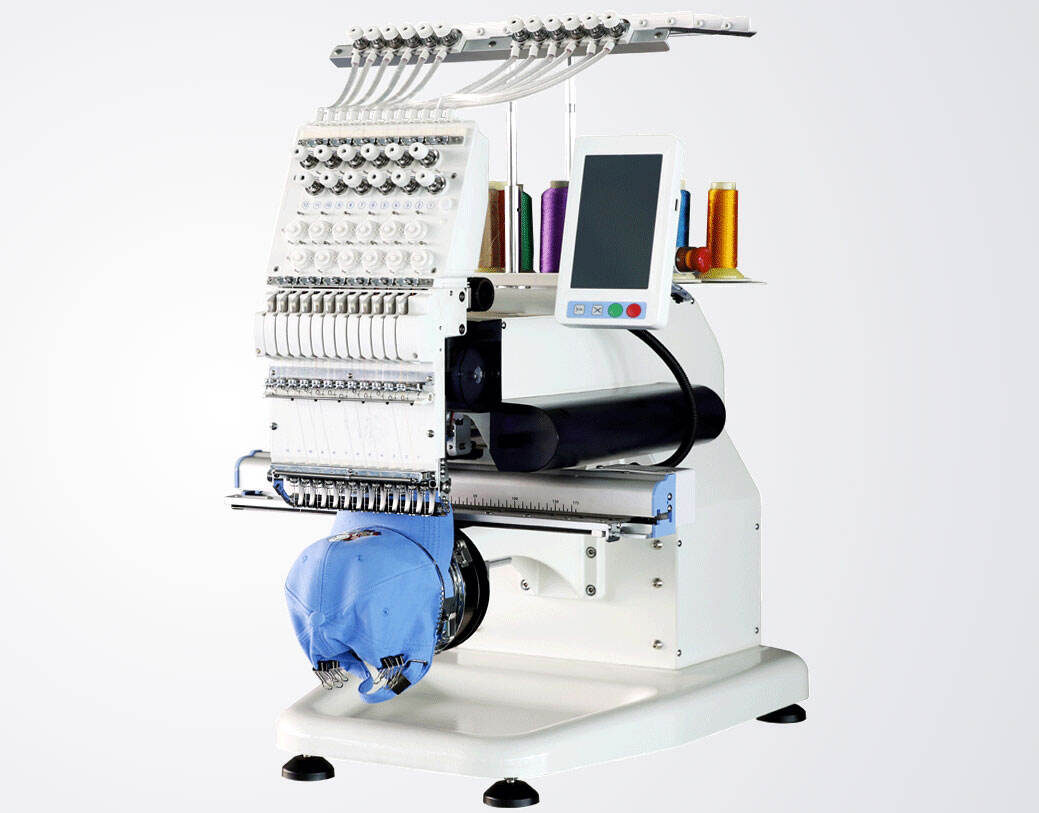
Finding the right embroidery machines for sale can transform your business operations and unlock new revenue streams. Whether you're running a small custom apparel shop or managing a large-scale manufacturing facility, selecting quality equipment at competitive prices requires careful consideration of multiple factors. The embroidery industry has experienced significant growth, with businesses increasingly seeking automated solutions that deliver precision, efficiency, and reliability. Modern embroidery machines for sale offer advanced features including multi-needle capabilities, computerized controls, and high-speed operation that can dramatically increase production capacity while maintaining exceptional stitch quality.
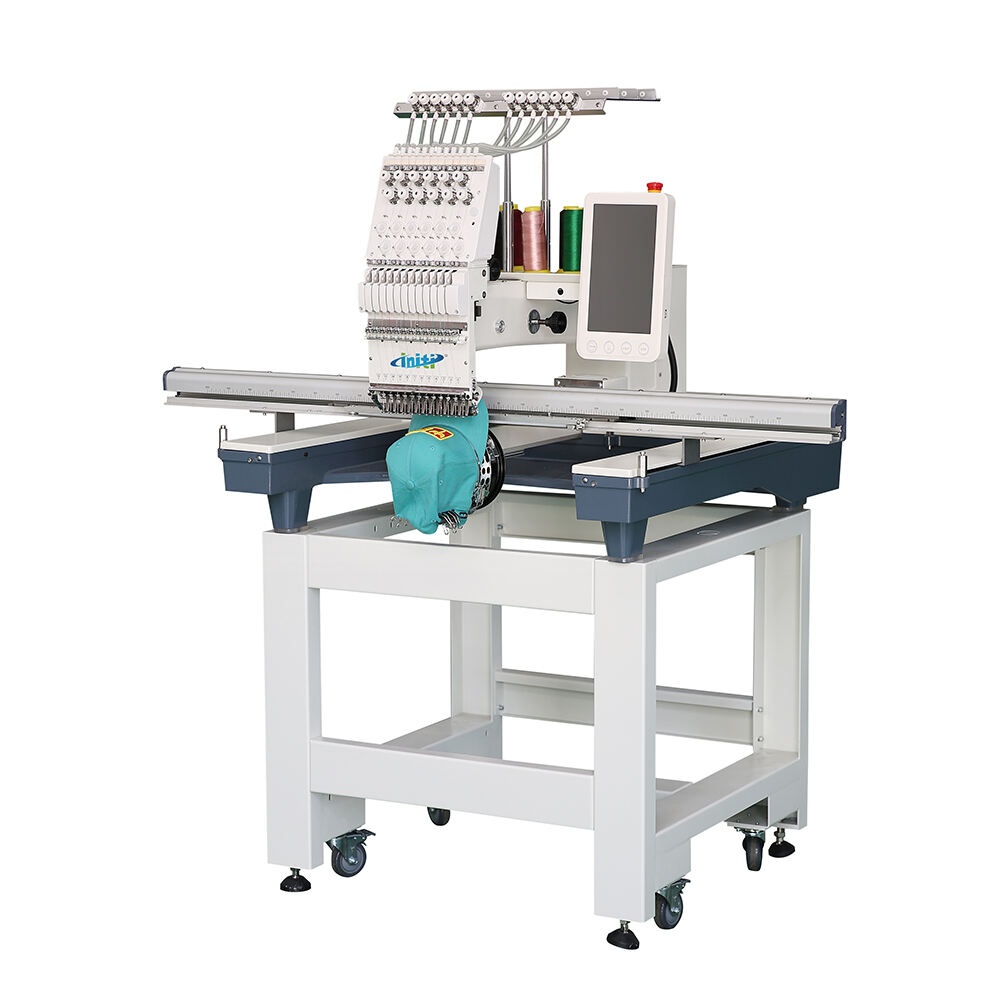
Understanding Different Types of Commercial Embroidery Equipment
Single-Head Versus Multi-Head Configurations
When evaluating embroidery machines for sale, understanding the fundamental differences between single-head and multi-head systems is crucial for making informed purchasing decisions. Single-head machines excel in small batch production and custom work, offering flexibility for businesses that handle diverse client requests with varying design requirements. These machines typically feature 6 to 15 needles, allowing operators to complete complex designs without frequent thread changes. Multi-head configurations, ranging from 2 to 12 heads or more, significantly increase production capacity by embroidering multiple garments simultaneously.
The choice between these configurations depends heavily on your production volume requirements and business model. Single-head systems require lower initial investment and occupy less floor space, making them ideal for startups or businesses with limited workspace. Multi-head systems deliver higher throughput and improved cost efficiency per piece, particularly beneficial for large orders and repetitive designs. Modern embroidery machines for sale in both categories now include advanced features such as automatic thread trimming, color change systems, and integrated design editing capabilities.
Computerized Control Systems and Automation Features
Contemporary embroidery machines for sale incorporate sophisticated computerized control systems that streamline operations and reduce operator skill requirements. These systems feature intuitive touchscreen interfaces that allow users to load designs, adjust parameters, and monitor production progress in real-time. Advanced models include automatic functions such as thread break detection, needle positioning, and speed optimization based on fabric type and design complexity. Some systems also offer remote monitoring capabilities, enabling supervisors to track multiple machines from centralized control stations.
The integration of USB connectivity, network capabilities, and cloud-based design libraries has revolutionized how embroidery businesses manage their workflows. Modern machines can directly import designs from various software formats, eliminating the need for manual digitizing in many cases. Automatic backup systems prevent data loss, while production tracking features help businesses analyze efficiency metrics and optimize scheduling. When shopping for embroidery machines for sale, these technological capabilities often justify higher initial costs through improved productivity and reduced labor requirements.
Key Factors to Consider When Shopping for Embroidery Equipment
Production Capacity and Speed Requirements
Determining your production capacity needs is fundamental when selecting from available embroidery machines for sale. Most commercial machines operate at speeds ranging from 800 to 1,200 stitches per minute, with high-end models capable of even faster operation. However, maximum speed rarely equals optimal production speed, as factors such as design complexity, fabric type, and thread changes affect actual throughput. Businesses should calculate realistic production requirements based on current order volumes and projected growth, considering both peak demand periods and average daily output needs.
The relationship between machine speed and stitch quality requires careful evaluation, as excessive speed can compromise embroidery precision and increase thread breaks. Professional embroidery machines for sale typically include variable speed controls that allow operators to optimize settings for different applications. Dense designs with small details may require slower speeds to maintain quality, while simple logos or text can often be embroidered at higher speeds without quality degradation. Understanding these trade-offs helps buyers select machines that balance productivity with quality standards.
Workspace Requirements and Installation Considerations
Physical space requirements significantly impact which embroidery machines for sale are suitable for your facility. Single-head machines typically require 4 to 6 feet of workspace depth and 6 to 8 feet of width, while multi-head systems may need 12 to 20 feet or more depending on configuration. Adequate clearance around machines is essential for operator access, maintenance activities, and material handling. Ceiling height considerations become important for machines with tall thread stands or automatic thread feeding systems.
Power requirements for commercial embroidery machines vary significantly based on size and features. Most single-head units operate on standard 110V or 220V circuits, while larger multi-head systems may require three-phase power connections. Air compressor requirements for pneumatic functions, ventilation needs for thread dust, and lighting considerations for detailed work all factor into installation planning. Many suppliers of embroidery machines for sale provide facility assessment services to ensure proper installation and optimal operating conditions.
Sourcing Strategies for Finding Quality Equipment
Authorized Dealers and Direct Manufacturer Relationships
Establishing relationships with authorized dealers represents one of the most reliable approaches to finding quality embroidery machines for sale. Authorized dealers typically offer comprehensive support services including installation, training, maintenance, and warranty coverage that independent sellers cannot match. These partnerships also provide access to the latest models, factory-direct pricing, and trade-in programs that can significantly reduce upgrade costs. Reputable dealers maintain certified technicians who understand specific machine requirements and can provide ongoing technical support throughout the equipment lifecycle.
Direct manufacturer relationships offer additional advantages for businesses planning significant equipment investments or fleet expansions. Manufacturers often provide volume discounts, extended warranty options, and priority access to new technology releases for established customers. Some manufacturers of embroidery machines for sale offer financing programs, leasing options, or trade-in incentives that improve cash flow management for growing businesses. Building these relationships also creates opportunities for beta testing new products and influencing future development directions.
Used Equipment Markets and Refurbishment Options
The used equipment market offers opportunities to acquire embroidery machines for sale at substantially reduced costs, particularly beneficial for startups or businesses testing new market segments. However, purchasing used equipment requires careful evaluation of machine condition, maintenance history, and remaining useful life. Professional refurbishment services can restore older machines to near-new condition, often at 50-70% of new equipment costs. These services typically include mechanical rebuilds, software updates, and comprehensive testing to ensure reliable operation.
When considering used embroidery machines for sale, buyers should request detailed maintenance records, operational hour logs, and demonstrations of all functions before purchase. Age alone does not determine machine value, as well-maintained older models may outperform neglected newer equipment. Refurbished machines often come with limited warranties and technical support, bridging the gap between used equipment risks and new machine costs. Some refurbishment specialists also offer upgrade services that add modern features to classic machine platforms.
Financial Considerations and Budgeting Strategies
Total Cost of Ownership Analysis
Understanding the total cost of ownership extends far beyond initial purchase prices when evaluating embroidery machines for sale. Operating costs include thread, stabilizers, needles, and other consumables that vary based on production volume and design complexity. Maintenance expenses encompass routine servicing, replacement parts, and periodic overhauls that keep machines operating efficiently. Energy costs, while often overlooked, can be significant for high-volume operations running multiple machines continuously.
Labor costs represent another major component, as operator training, supervision, and skill development require ongoing investment. More automated embroidery machines for sale may command higher purchase prices but often reduce labor requirements and skill dependencies, potentially lowering long-term operating costs. Insurance considerations, facility costs for adequate workspace, and technology upgrade cycles also factor into comprehensive cost analysis. Smart buyers develop 5-year total cost models that account for all these factors when comparing equipment options.
Financing Options and Cash Flow Management
Various financing options make embroidery machines for sale accessible to businesses with different capital situations. Traditional equipment loans offer fixed payments and ownership benefits, while leasing programs provide lower monthly costs and easier upgrade paths. Some manufacturers offer zero-percent financing for qualified buyers, effectively reducing total equipment costs. Equipment leasing can also provide tax advantages through expense deduction rather than depreciation schedules.
Cash flow considerations become particularly important for seasonal businesses or those with variable order volumes. Flexible financing terms that adjust payments based on production levels or seasonal patterns can help businesses manage working capital more effectively. Some financing programs for embroidery machines for sale include deferred payment options that align with business cash flow cycles. Revenue-based financing, where payments fluctuate based on machine-generated income, represents an innovative approach that some specialized lenders now offer.
Technology Integration and Future-Proofing Strategies
Software Compatibility and Design Management
Modern embroidery machines for sale must integrate seamlessly with design software and workflow management systems to maximize productivity. Compatibility with industry-standard formats such as DST, PES, and EMB ensures flexibility in design sourcing and customer file acceptance. Advanced machines support direct import from popular design software packages, eliminating time-consuming conversion processes. Network connectivity enables centralized design libraries, remote job scheduling, and real-time production monitoring across multiple machines.
Cloud-based design management systems increasingly complement physical machine capabilities, offering automatic backup, version control, and collaborative design development. Some embroidery machines for sale now include integrated digitizing capabilities that allow operators to create or modify designs directly on machine interfaces. These features reduce dependency on specialized design staff and enable rapid response to customer modification requests. Businesses should evaluate software ecosystems comprehensively, considering both current needs and future expansion plans when selecting equipment.
Connectivity Features and Industry 4.0 Integration
Internet connectivity and smart manufacturing capabilities distinguish next-generation embroidery machines for sale from traditional mechanical systems. IoT sensors monitor machine performance, predict maintenance needs, and optimize operating parameters automatically. These systems generate valuable data about production efficiency, quality trends, and resource utilization that inform business decision-making. Remote diagnostic capabilities enable technicians to troubleshoot problems and adjust settings without on-site visits, reducing downtime and service costs.
Integration with enterprise resource planning systems allows embroidery machines to receive job instructions automatically, track material usage, and report completion status in real-time. This connectivity streamlines workflow management and improves customer communication about order status. Advanced embroidery machines for sale may include predictive analytics that optimize thread tension, speed settings, and maintenance scheduling based on historical performance data. These capabilities represent significant competitive advantages for businesses competing on quality, delivery time, and cost efficiency.
Maintenance and Support Considerations
Preventive Maintenance Programs and Service Agreements
Establishing comprehensive maintenance programs ensures reliable operation and extends the productive life of embroidery machines for sale. Regular maintenance schedules typically include daily cleaning routines, weekly lubrication procedures, and monthly comprehensive inspections. Professional service agreements provide scheduled maintenance visits, priority repair response, and discounted parts pricing that can significantly reduce total operating costs. These programs also include software updates, calibration services, and performance optimization that maintain peak efficiency.
Preventive maintenance documentation creates valuable service records that support warranty claims and resale value preservation. Many suppliers of embroidery machines for sale offer training programs that enable internal staff to perform routine maintenance procedures, reducing dependency on external service providers. However, complex repairs and major overhauls typically require factory-trained technicians with specialized tools and diagnostic equipment. Balancing internal capabilities with professional service relationships optimizes maintenance costs while ensuring reliable machine performance.
Parts Availability and Technical Support Resources
Long-term parts availability represents a critical consideration when selecting embroidery machines for sale, particularly for businesses planning multi-year equipment lifecycles. Established manufacturers typically maintain parts inventory for 10-15 years after model discontinuation, while newer companies may have less extensive support infrastructures. Common wear items such as needles, bobbins, and drive belts should be readily available from multiple sources to avoid supply chain disruptions.
Technical support quality varies significantly among different brands of embroidery machines for sale. Comprehensive support includes phone assistance, remote diagnostic capabilities, video troubleshooting guides, and on-site service options. Response time commitments for critical repairs can be crucial for high-volume operations where machine downtime directly impacts customer deliveries. Some manufacturers offer tiered support programs with guaranteed response times and dedicated technical representatives for larger accounts. Evaluating support quality during the selection process helps avoid costly operational disruptions later.
FAQ
What factors determine the best embroidery machine size for my business
The optimal embroidery machine size depends on your production volume, workspace constraints, and business growth projections. Single-head machines work well for businesses producing fewer than 500 pieces monthly, while multi-head systems become cost-effective for higher volumes. Consider your largest typical orders, peak season requirements, and available floor space when evaluating embroidery machines for sale. Factor in operator accessibility, material handling space, and future expansion possibilities to ensure your selection accommodates business growth.
How much should I budget for ongoing operational costs beyond the machine purchase
Ongoing costs typically represent 25-35% of initial machine cost annually, including consumables, maintenance, and utilities. Thread costs vary from $0.02 to $0.10 per 1,000 stitches depending on quality and design complexity. Factor in stabilizer costs, needle replacement, routine maintenance, and periodic overhauls when budgeting. Energy costs for embroidery machines for sale average $200-500 monthly for single-head units and proportionally more for multi-head systems. Insurance, training, and facility costs add additional operational expenses that should be included in comprehensive budgeting.
What warranty coverage should I expect when purchasing commercial embroidery equipment
Standard warranty coverage for new embroidery machines for sale typically includes 1-2 years parts and labor protection, with some manufacturers offering extended coverage options. Warranty should cover manufacturing defects, component failures, and software issues but generally excludes wear items and damage from improper operation. Premium warranties may include preventive maintenance, software updates, and expedited repair services. Always review warranty terms carefully, including coverage limitations, required maintenance procedures, and authorized service provider requirements to ensure adequate protection for your investment.
How do I evaluate the reliability and reputation of embroidery machine manufacturers
Research manufacturer track records through industry associations, trade publications, and customer testimonials to assess reliability. Established manufacturers with decades of experience typically offer more stable long-term support than newer companies. Evaluate the manufacturer's financial stability, parts availability commitments, and service network coverage in your region. Industry certifications, awards, and participation in trade shows indicate manufacturer commitment to quality and innovation. Contact existing customers using similar embroidery machines for sale to gather real-world performance feedback and support experiences before making purchasing decisions.
Table of Contents
- Understanding Different Types of Commercial Embroidery Equipment
- Key Factors to Consider When Shopping for Embroidery Equipment
- Sourcing Strategies for Finding Quality Equipment
- Financial Considerations and Budgeting Strategies
- Technology Integration and Future-Proofing Strategies
- Maintenance and Support Considerations
-
FAQ
- What factors determine the best embroidery machine size for my business
- How much should I budget for ongoing operational costs beyond the machine purchase
- What warranty coverage should I expect when purchasing commercial embroidery equipment
- How do I evaluate the reliability and reputation of embroidery machine manufacturers