

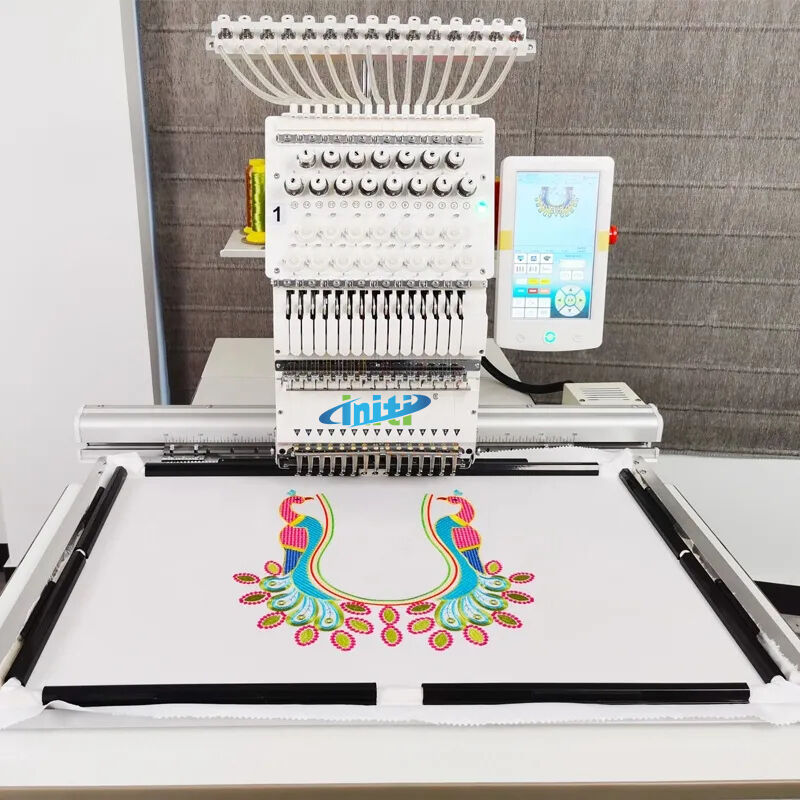
Modern textile manufacturing demands efficiency at every level, and nowhere is this more critical than in embroidery production. An automatic computer embroidery machine represents the pinnacle of manufacturing innovation, combining precision with minimal maintenance requirements. These sophisticated systems have revolutionized how manufacturers approach both production scheduling and equipment upkeep, delivering consistent results while reducing operational overhead.
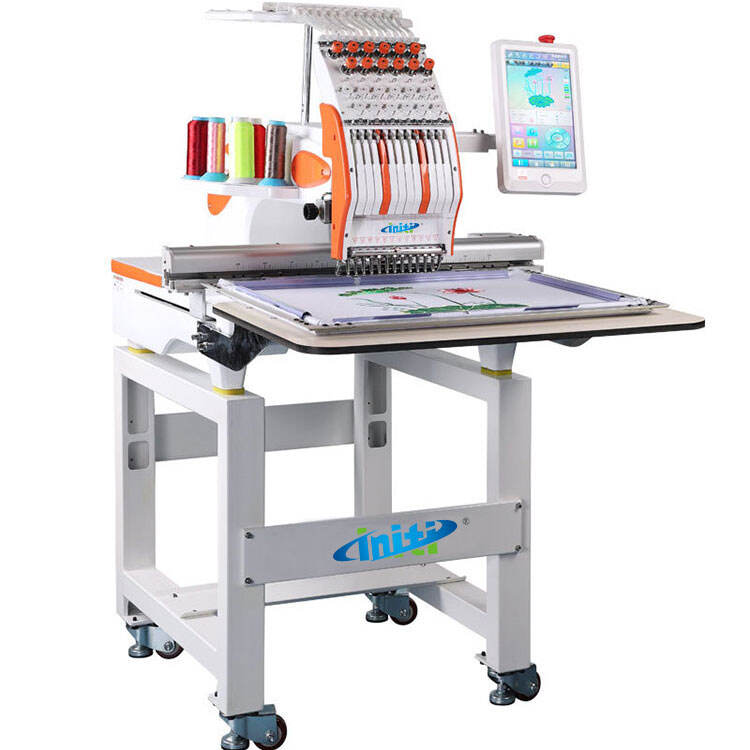
The evolution of embroidery technology has focused heavily on reducing maintenance complexity without compromising output quality. Today's automatic computer embroidery machine incorporates advanced engineering solutions that address traditional pain points associated with mechanical wear, thread handling, and precision alignment. Understanding these maintenance-friendly features enables manufacturers to make informed decisions about equipment investments and operational planning.
Self-Diagnostic Systems and Predictive Maintenance
Real-Time Monitoring Capabilities
Contemporary automatic computer embroidery machine designs integrate comprehensive monitoring systems that continuously assess operational parameters. These systems track needle performance, thread tension, motor temperatures, and mechanical alignment in real-time. Advanced sensors detect minute variations that could indicate developing issues, allowing operators to address potential problems before they escalate into costly downtime situations.
The diagnostic interface provides clear visual feedback through intuitive displays, eliminating guesswork from maintenance decisions. Operators receive specific alerts about component status, recommended service intervals, and performance optimization suggestions. This proactive approach transforms maintenance from reactive emergency responses into planned, efficient procedures that minimize production interruptions.
Automated Calibration Functions
Modern embroidery systems feature automated calibration routines that maintain precision without manual intervention. The automatic computer embroidery machine performs self-adjustments for hoop positioning, needle depth, and stitch formation accuracy. These calibration cycles run during planned downtime or between production runs, ensuring consistent output quality while reducing the need for specialized technical expertise.
Automated calibration extends to thread path optimization and tension adjustments, adapting to different thread types and fabric characteristics. This flexibility reduces setup time while maintaining the precise control necessary for complex embroidery patterns. The system learns from previous operations, refining its parameters to optimize both quality and efficiency over time.
Enhanced Thread Management Systems
Advanced Threading Mechanisms
Thread management represents one of the most maintenance-intensive aspects of traditional embroidery operations. Modern automatic computer embroidery machine designs address this challenge through sophisticated threading mechanisms that minimize manual intervention. Automatic threading systems guide thread through complex paths with mechanical precision, reducing the likelihood of improper routing that leads to tension problems and thread breaks.
These systems incorporate multiple checkpoints throughout the thread path, automatically detecting and correcting routing errors before they affect production. The mechanical design eliminates common threading mistakes that typically require operator expertise to diagnose and resolve. This automation significantly reduces both the frequency of thread-related maintenance issues and the skill level required for routine operations.
Intelligent Tension Control
Maintaining proper thread tension across multiple needles simultaneously requires sophisticated control systems. The automatic computer embroidery machine employs intelligent tension management that adapts to varying thread types, fabric weights, and stitch requirements. This adaptive control prevents the over-tensioning that causes premature thread wear and the under-tensioning that results in loose, inconsistent stitches.
The tension control system continuously monitors and adjusts parameters during operation, compensating for environmental factors like humidity and temperature that traditionally affect thread behavior. This dynamic adjustment capability reduces the need for frequent manual recalibration and minimizes production variations that require rework or quality corrections.
Modular Component Design
Accessible Component Architecture
Maintenance efficiency depends heavily on component accessibility and replacement simplicity. Modern automatic computer embroidery machine designs prioritize modular architecture that enables quick access to critical components without extensive disassembly procedures. Key wear items like needles, presser feet, and thread guides feature tool-free replacement mechanisms that reduce maintenance time and skill requirements.
The modular approach extends to major subsystems, allowing technicians to isolate and service specific functions without affecting overall machine availability. This design philosophy minimizes the specialized tools and extensive training traditionally required for embroidery machine maintenance. Component standardization across machine models further reduces inventory requirements and simplifies technician expertise development.
Quick-Change Mechanisms
Routine maintenance operations become significantly more efficient through quick-change mechanisms integrated throughout the automatic computer embroidery machine design. These mechanisms enable rapid replacement of consumable components during scheduled maintenance windows, reducing the duration of planned downtime. The design eliminates complex adjustment procedures typically required after component replacement, allowing immediate return to production specifications.
Quick-change systems extend beyond basic consumables to include more complex assemblies like embroidery frames and specialized attachment mechanisms. This versatility enables manufacturers to adapt quickly to different production requirements while maintaining consistent maintenance schedules and procedures across diverse operational scenarios.
Lubrication and Cooling Innovations
Automatic Lubrication Systems
Traditional embroidery machines require frequent manual lubrication of numerous moving components, creating maintenance-intensive operational requirements. Contemporary automatic computer embroidery machine designs incorporate centralized automatic lubrication systems that deliver precise amounts of lubricant to critical components according to programmed schedules. This automation eliminates over-lubrication problems while ensuring consistent protection for high-wear components.
The automatic lubrication system monitors lubricant levels and consumption rates, providing advance warning of supply depletion and potential system malfunctions. Integrated filtration prevents contamination issues that traditionally compromise lubrication effectiveness and component longevity. This comprehensive approach significantly reduces both the frequency and complexity of lubrication-related maintenance activities.
Efficient Cooling Management
Heat management plays a crucial role in automatic computer embroidery machine longevity and performance consistency. Advanced cooling systems maintain optimal operating temperatures for motors, electronic components, and mechanical assemblies without requiring frequent maintenance attention. Intelligent fan control adjusts cooling capacity based on operational demands and ambient conditions, optimizing energy efficiency while preventing overheating issues.
Cooling system design emphasizes easy filter access and cleaning procedures that minimize downtime requirements. Self-cleaning mechanisms for heat exchangers and air passages reduce the accumulation of lint and debris that traditionally compromise cooling effectiveness. These innovations maintain consistent operating conditions while reducing the maintenance burden associated with thermal management systems.
User-Friendly Interface and Control Systems
Intuitive Maintenance Scheduling
Effective maintenance requires clear scheduling and tracking capabilities that integrate seamlessly with production planning. Modern automatic computer embroidery machine interfaces provide comprehensive maintenance management tools that track component usage, schedule preventive procedures, and maintain detailed service records. These systems eliminate the manual record-keeping traditionally required for maintenance compliance and warranty protection.
The interface guides operators through maintenance procedures with step-by-step instructions and visual aids, reducing the expertise required for routine service tasks. Integrated documentation eliminates the need for separate maintenance manuals while ensuring access to current procedures and specifications. This comprehensive approach streamlines maintenance operations while improving consistency and thoroughness.
Remote Monitoring Capabilities
Advanced automatic computer embroidery machine systems offer remote monitoring capabilities that enable off-site maintenance support and diagnostics. These systems transmit operational data and diagnostic information to service providers, enabling proactive maintenance scheduling and expert troubleshooting without on-site visits. Remote capabilities significantly reduce response times for technical support while providing access to specialized expertise regardless of geographic location.
Remote monitoring extends to performance analytics that identify optimization opportunities and predict maintenance requirements based on actual usage patterns. This data-driven approach enables more precise maintenance scheduling and resource allocation while reducing both planned and unplanned downtime. The integration of remote capabilities represents a significant advancement in maintenance efficiency and operational reliability.
Quality Control Integration
Continuous Quality Monitoring
Quality control integration within automatic computer embroidery machine systems provides early detection of developing maintenance issues through production quality changes. Advanced monitoring systems track stitch quality parameters, detecting variations that indicate needle wear, tension problems, or mechanical alignment issues before they affect final product quality. This integration enables maintenance scheduling based on actual performance rather than arbitrary time intervals.
The quality monitoring system maintains detailed records of production parameters and correlates quality variations with specific maintenance events and component replacements. This analytical capability enables continuous improvement of maintenance procedures and scheduling optimization. Data-driven maintenance decisions result in more efficient resource utilization while maintaining consistent product quality standards.
Automated Quality Corrections
Contemporary automatic computer embroidery machine designs incorporate automated correction capabilities that address minor quality variations without stopping production. These systems adjust operational parameters in real-time to compensate for component wear and environmental changes that traditionally require manual intervention. Automated corrections extend component life while maintaining consistent output quality between scheduled maintenance intervals.
The correction system learns from operational patterns and quality outcomes, refining its response algorithms to optimize both quality maintenance and component longevity. This adaptive capability reduces the frequency of manual adjustments while improving overall system reliability and production consistency. Integration of quality control with maintenance planning creates a comprehensive approach to operational optimization.
FAQ
How often does an automatic computer embroidery machine require major maintenance
Major maintenance intervals for automatic computer embroidery machine systems typically range from 2,000 to 5,000 operating hours, depending on usage intensity and environmental conditions. Modern machines with advanced self-diagnostic systems often extend these intervals through predictive maintenance approaches that schedule service based on actual component condition rather than arbitrary time periods. Regular monitoring of diagnostic indicators helps optimize maintenance timing while preventing unexpected downtime.
What maintenance tasks can operators perform without specialized training
Contemporary automatic computer embroidery machine designs enable operators to perform routine maintenance tasks including needle replacement, thread path cleaning, basic lubrication point service, and filter changes without extensive technical training. User-friendly interfaces provide step-by-step guidance for these procedures, while modular designs ensure easy component access. However, complex mechanical adjustments and electronic system service still require qualified technicians to maintain warranty coverage and operational safety.
How do automatic lubrication systems reduce maintenance requirements
Automatic lubrication systems in modern automatic computer embroidery machine designs deliver precise lubricant quantities to critical components according to programmed schedules, eliminating manual lubrication procedures and associated downtime. These systems prevent both under-lubrication that causes premature wear and over-lubrication that attracts contamination and wastes resources. Integrated monitoring provides advance warning of supply depletion and system malfunctions, enabling proactive maintenance scheduling.
What role does remote monitoring play in maintenance efficiency
Remote monitoring capabilities enable off-site technical support and predictive maintenance scheduling based on real-time operational data from automatic computer embroidery machine systems. This technology reduces response times for technical issues while providing access to specialized expertise without geographic limitations. Performance analytics identify optimization opportunities and predict maintenance requirements based on actual usage patterns, enabling more precise resource allocation and reduced downtime through data-driven maintenance decisions.