

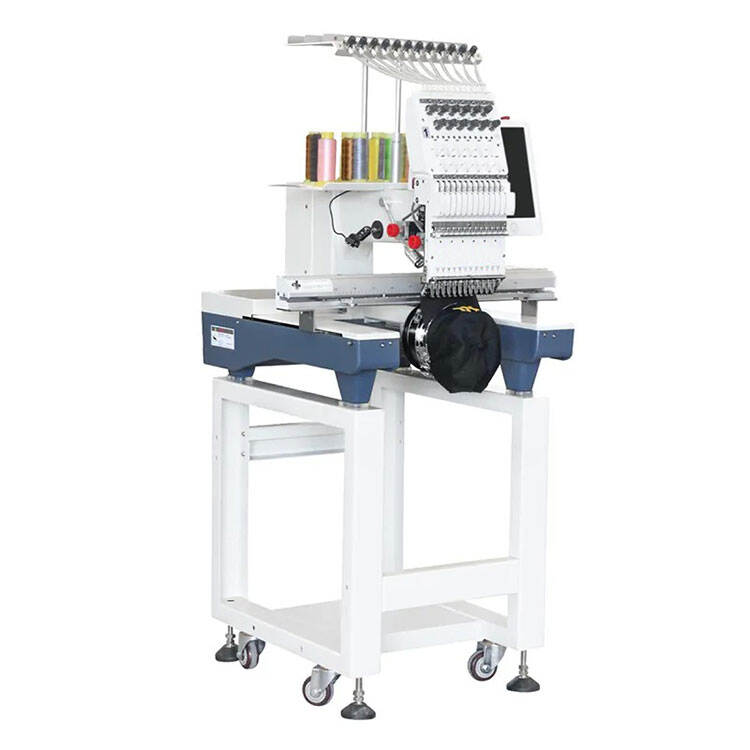
The textile and fashion industry has witnessed a remarkable transformation with the advent of advanced customized embroidery machines. These innovative devices have revolutionized how businesses and individuals approach decorative stitching, offering unprecedented precision and versatility. Modern embroidery technology enables creators to transform simple fabrics into stunning works of art, catering to diverse market demands from haute couture to corporate branding. The evolution from manual embroidery techniques to computerized systems has opened new possibilities for entrepreneurs, small businesses, and large-scale manufacturers alike.
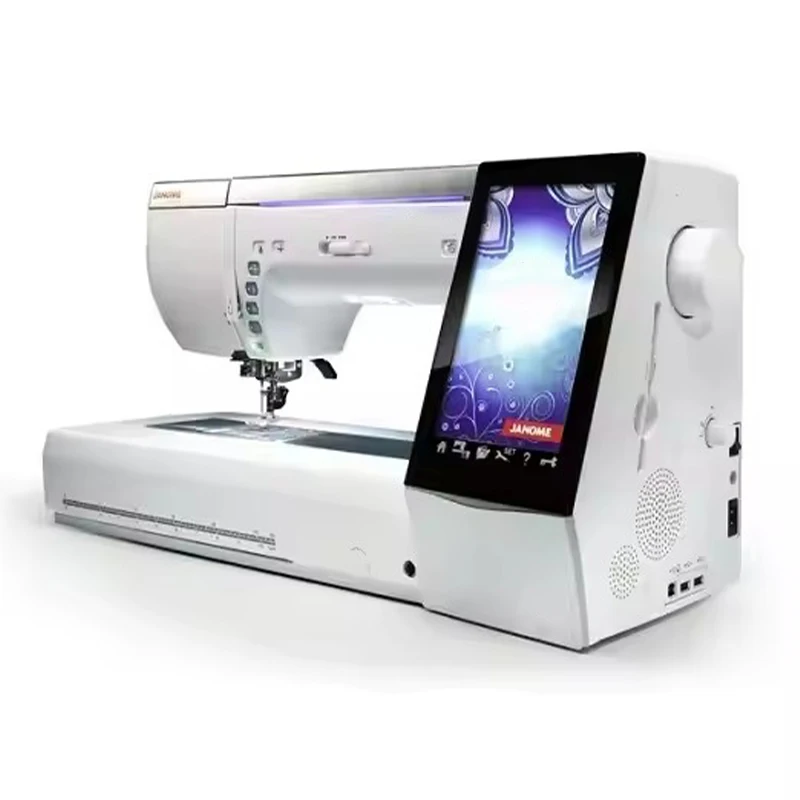
Advanced Technology Features in Modern Embroidery Systems
Digital Control and Precision Engineering
Contemporary customized embroidery machines incorporate sophisticated digital control systems that ensure exceptional accuracy in every stitch. These computerized units utilize advanced servo motors and precision bearings to maintain consistent thread tension and needle positioning throughout complex designs. The integration of microprocessor technology enables operators to achieve intricate patterns with minimal manual intervention, significantly reducing production time while maintaining superior quality standards.
The digital interface systems found in modern embroidery equipment provide intuitive operation through touchscreen controls and user-friendly software platforms. Operators can easily upload designs, adjust parameters, and monitor progress in real-time. This technological advancement has made customized embroidery machines accessible to users with varying skill levels, from experienced professionals to newcomers entering the embroidery business.
Multi-Format Design Compatibility
Today's embroidery systems support numerous file formats, including DST, PES, EXP, and JEF, ensuring compatibility with various design software applications. This versatility allows businesses to work with clients using different design platforms without conversion complications. The ability to handle multiple formats streamlines workflow processes and enhances customer service capabilities, making these machines invaluable for commercial operations.
Advanced pattern recognition technology enables customized embroidery machines to automatically adjust settings based on design complexity and fabric requirements. This intelligent adaptation reduces setup time and minimizes the risk of embroidery errors, particularly important when working with expensive materials or tight deadlines.
Business Applications and Market Opportunities
Commercial Embroidery Services
The commercial embroidery sector has experienced substantial growth due to increasing demand for personalized products and branded merchandise. Customized embroidery machines serve as the backbone of profitable embroidery businesses, enabling entrepreneurs to offer services ranging from corporate logo embroidery to custom apparel decoration. These versatile systems can handle various fabric types, from delicate silk to heavy canvas, expanding service offerings and revenue potential.
Professional embroidery service providers rely on high-capacity machines that can operate continuously while maintaining consistent quality. Modern systems feature automatic thread cutting, color changing capabilities, and large embroidery areas that accommodate diverse project requirements. The reliability and efficiency of customized embroidery machines enable businesses to meet demanding production schedules while delivering exceptional results.
Home-Based Business Opportunities
Compact customized embroidery machines have created opportunities for home-based entrepreneurs to establish profitable ventures with relatively modest initial investments. These smaller systems offer professional-grade capabilities in space-efficient designs, perfect for residential workshops or small commercial spaces. The growing popularity of handmade and personalized items has created a robust market for home-based embroidery services.
Online marketplaces and social media platforms have made it easier than ever for home-based embroidery businesses to reach customers and showcase their capabilities. Many successful entrepreneurs have built thriving enterprises using compact embroidery systems, serving local markets and expanding through e-commerce channels. The flexibility and affordability of modern equipment make this business model particularly attractive to creative individuals seeking entrepreneurial opportunities.
Technical Specifications and Performance Metrics
Stitching Speed and Efficiency Parameters
Modern customized embroidery machines typically operate at speeds ranging from 400 to 1200 stitches per minute, depending on design complexity and fabric requirements. High-speed operation capabilities enable commercial users to maximize productivity while maintaining embroidery quality. Variable speed controls allow operators to adjust stitching rates based on specific project needs, ensuring optimal results across diverse applications.
Advanced threading systems and automatic needle positioning features minimize downtime between design changes and color transitions. These efficiency enhancements are crucial for commercial operations where time management directly impacts profitability. The combination of high-speed operation and automated functions makes contemporary embroidery systems significantly more productive than earlier generations of equipment.
Embroidery Area Dimensions and Capacity
The embroidery area capacity of customized embroidery machines varies considerably, ranging from compact 4x4 inch fields to large commercial formats exceeding 15x10 inches. Larger embroidery areas enable the creation of extensive designs and multiple-piece projects without repositioning. This capability is particularly valuable for commercial applications involving large logos, back patches, or multi-element designs.
Adjustable hoop systems and multiple mounting options provide flexibility in handling various garment types and fabric configurations. Professional-grade machines often include specialty attachments for caps, sleeves, and other challenging items. This versatility enhances the machine's utility and enables operators to accept a broader range of projects, increasing business opportunities and revenue potential.
Quality Control and Maintenance Considerations
Thread Management and Tension Control
Proper thread management is essential for achieving consistent results with customized embroidery machines. Advanced tension control systems automatically adjust thread tension based on fabric type and stitch requirements, reducing the likelihood of thread breaks and ensuring uniform stitch formation. High-quality machines incorporate multiple tension zones and independent controls for different thread types.
Regular maintenance of threading systems, including cleaning feed mechanisms and replacing worn components, extends machine life and maintains embroidery quality. Professional operators establish routine maintenance schedules that include thread path cleaning, tension adjustment verification, and needle replacement protocols. These preventive measures minimize unexpected downtime and ensure consistent production quality.
Calibration and Alignment Procedures
Precision calibration ensures that customized embroidery machines deliver accurate stitch placement and consistent results. Regular alignment checks of needle positions, hoop mechanisms, and drive systems prevent gradual performance degradation. Modern machines often include built-in calibration tools and diagnostic systems that simplify maintenance procedures and help identify potential issues before they impact production.
Professional training on calibration procedures is crucial for operators managing high-volume commercial operations. Understanding proper adjustment techniques and recognizing signs of misalignment enables prompt corrective action and maintains production efficiency. Many manufacturers provide comprehensive training programs and technical support to ensure optimal machine performance throughout the equipment's service life.
Investment Analysis and Return Considerations
Initial Capital Requirements and Financing Options
The investment required for customized embroidery machines varies significantly based on capabilities, capacity, and intended applications. Entry-level systems suitable for small businesses or home operations typically range from several thousand to mid-five-figure amounts, while commercial-grade equipment can require substantial capital investments. Understanding the relationship between machine capabilities and pricing helps buyers make informed decisions based on their specific requirements and budget constraints.
Various financing options are available to help businesses acquire embroidery equipment without significant upfront capital requirements. Equipment leasing, manufacturer financing programs, and small business loans provide pathways to ownership for entrepreneurs with limited initial resources. The predictable monthly payments associated with financing arrangements often align well with the steady revenue streams typical of established embroidery businesses.
Revenue Generation and Profitability Projections
Successful embroidery businesses using customized embroidery machines often achieve attractive profit margins through efficient operations and strategic market positioning. Typical commercial embroidery services charge between premium rates per thousand stitches, with specialty applications commanding higher prices. Understanding local market rates and competitive positioning is essential for developing realistic revenue projections and business plans.
The versatility of modern embroidery systems enables diversified revenue streams through various service offerings. Businesses can serve multiple market segments, from individual customers seeking personalized items to large corporations requiring branded merchandise. This diversification reduces business risk and creates opportunities for sustained growth and profitability.
Future Trends and Industry Evolution
Automation and Artificial Intelligence Integration
The embroidery industry continues evolving with increased automation and artificial intelligence integration in customized embroidery machines. Advanced systems now incorporate machine learning algorithms that optimize stitch patterns, predict maintenance requirements, and automatically adjust parameters for optimal results. These developments reduce operator skill requirements while improving consistency and productivity.
Predictive maintenance capabilities enabled by IoT connectivity and sensor integration help prevent unexpected equipment failures and optimize production schedules. Remote monitoring and diagnostic systems allow manufacturers to provide proactive technical support and ensure maximum uptime for commercial operations. These technological advances represent significant value additions for businesses relying on embroidery equipment for their operations.
Sustainable Manufacturing and Environmental Considerations
Environmental sustainability has become increasingly important in embroidery manufacturing, influencing the design and operation of customized embroidery machines. Energy-efficient motors, reduced waste generation, and compatibility with eco-friendly threads and materials address growing environmental concerns. Manufacturers are developing systems that minimize environmental impact while maintaining production efficiency and quality standards.
The trend toward sustainable manufacturing practices creates opportunities for embroidery businesses to differentiate themselves through environmental responsibility. Machines designed for minimal waste generation and energy consumption appeal to environmentally conscious customers and can reduce operating costs over time. This alignment of environmental and economic benefits represents an important consideration for future equipment purchases.
FAQ
What factors should be considered when selecting customized embroidery machines for commercial use
Commercial buyers should evaluate production capacity requirements, embroidery area dimensions, and expected throughput volumes when selecting equipment. Consider the types of projects you plan to handle, including fabric weights, design complexity, and typical order sizes. Technical support availability, training programs, and local service capabilities are crucial factors that impact long-term operational success and equipment reliability.
How do maintenance requirements vary between different types of embroidery systems
Maintenance requirements generally correlate with machine complexity and usage intensity. Commercial-grade customized embroidery machines require more frequent servicing due to higher utilization rates and more complex mechanical systems. Home-based systems typically need less intensive maintenance but still require regular cleaning, calibration, and component replacement. Understanding maintenance schedules and associated costs is essential for accurate operational budgeting and ensuring consistent machine performance.
What training is typically required for operating modern embroidery equipment effectively
Basic operation of contemporary customized embroidery machines can be learned relatively quickly due to intuitive software interfaces and automated functions. However, achieving professional-quality results and troubleshooting complex issues requires more extensive training and experience. Most manufacturers provide comprehensive training programs covering operation, maintenance, and design software utilization. Ongoing education helps operators maximize equipment capabilities and stay current with technological developments.
How has digitization impacted the embroidery industry and equipment capabilities
Digitization has revolutionized embroidery by enabling precise design reproduction, automated production processes, and integration with design software platforms. Modern customized embroidery machines can execute complex designs with minimal manual intervention, significantly improving consistency and reducing production time. Digital connectivity enables remote monitoring, cloud-based design storage, and integration with business management systems, creating opportunities for improved operational efficiency and customer service capabilities.
Table of Contents
- Advanced Technology Features in Modern Embroidery Systems
- Business Applications and Market Opportunities
- Technical Specifications and Performance Metrics
- Quality Control and Maintenance Considerations
- Investment Analysis and Return Considerations
- Future Trends and Industry Evolution
-
FAQ
- What factors should be considered when selecting customized embroidery machines for commercial use
- How do maintenance requirements vary between different types of embroidery systems
- What training is typically required for operating modern embroidery equipment effectively
- How has digitization impacted the embroidery industry and equipment capabilities