

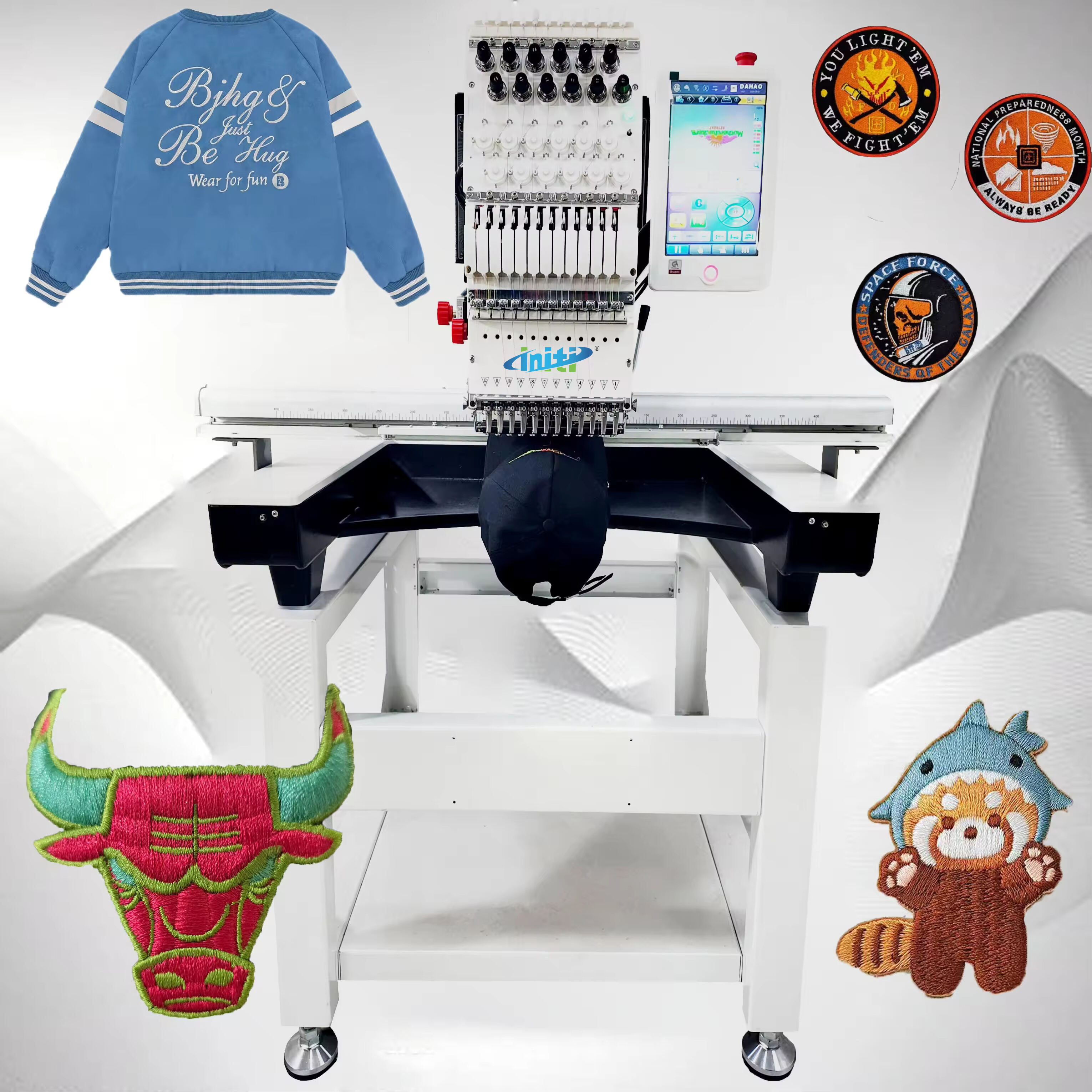
The embroidery industry has experienced remarkable growth in recent years, driven by increasing demand for customized textiles, promotional products, and personalized apparel. For businesses looking to capitalize on this expanding market, investing in wholesale embroidery machines represents a strategic opportunity to maximize profitability while minimizing initial capital expenditure. These industrial-grade systems offer the perfect balance of advanced technology, production capacity, and cost-effectiveness that modern embroidery operations require.
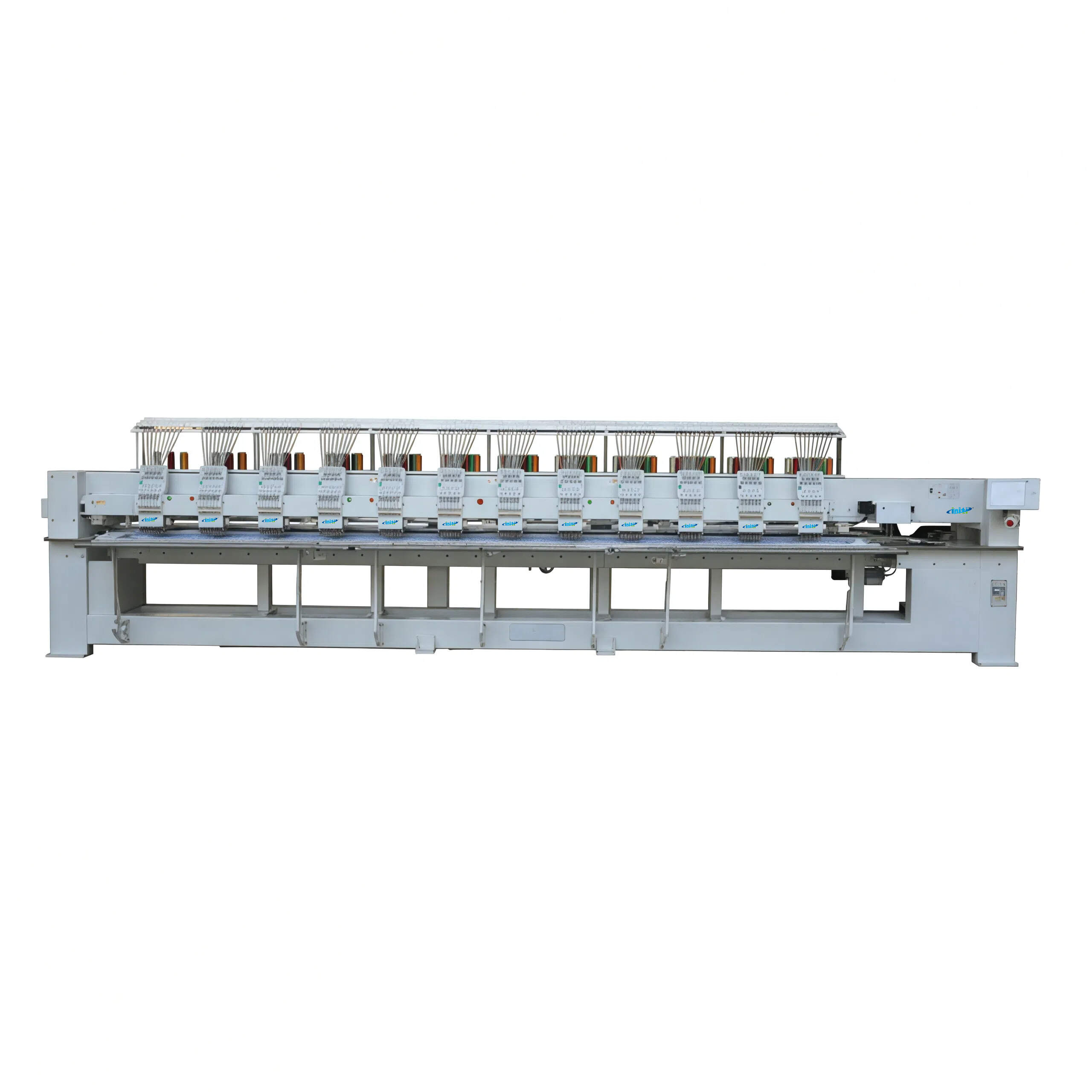
Understanding the wholesale marketplace for embroidery equipment enables businesses to make informed purchasing decisions that align with their operational goals and budget constraints. Professional buyers recognize that wholesale embroidery machines provide exceptional value through bulk pricing structures, extended warranty coverage, and comprehensive technical support packages. This approach allows companies to establish or expand their embroidery capabilities without compromising on quality or performance standards.
Understanding Commercial Embroidery Machine Technology
Multi-Head Configuration Benefits
Multi-head embroidery systems represent the pinnacle of commercial embroidery technology, offering unparalleled productivity and versatility for high-volume operations. These sophisticated machines feature multiple embroidery heads operating simultaneously, enabling businesses to complete large orders efficiently while maintaining consistent stitch quality across all units. The synchronized operation of multiple heads significantly reduces production time compared to single-head alternatives.
Professional wholesale embroidery machines typically feature between four and twelve heads, with each head capable of independent operation or coordinated group functionality. This flexibility allows operators to work on multiple identical pieces simultaneously or execute different designs across various heads, maximizing production efficiency. The advanced control systems ensure precise thread tension, accurate positioning, and seamless color changes throughout extended production runs.
Advanced Control Systems and Software Integration
Modern embroidery machines incorporate sophisticated computerized control systems that streamline operations and enhance design capabilities. These integrated systems support various file formats, including industry-standard DST, PES, and EMB formats, ensuring compatibility with popular design software platforms. The user-friendly interfaces provide intuitive navigation through design libraries, editing functions, and production management tools.
Wholesale embroidery machines often include comprehensive software packages that enable design modification, automatic digitizing, and production planning capabilities. These integrated solutions eliminate the need for separate software purchases while providing seamless workflow integration. Advanced features such as automatic thread trimming, jump stitch minimization, and density optimization contribute to superior finished product quality and reduced material waste.
Key Features of Professional Embroidery Equipment
High-Speed Operation and Precision Engineering
Professional embroidery machines deliver exceptional speed without compromising precision, with top-tier models achieving speeds of up to 1,200 stitches per minute per head. This remarkable performance results from precision-engineered components, including servo motors, linear guides, and advanced tensioning systems. The combination of speed and accuracy enables businesses to meet demanding production schedules while maintaining superior embroidery quality.
The mechanical precision of wholesale embroidery machines ensures consistent stitch formation, accurate registration, and minimal thread breaks during extended production runs. Advanced needle positioning systems maintain optimal penetration angles, while computerized tensioning controls adjust thread delivery based on fabric type and design complexity. These sophisticated features collectively contribute to reduced downtime and increased overall productivity.
Versatile Embroidery Area and Hoop Compatibility
Commercial embroidery machines offer extensive embroidery areas, typically ranging from 15x15 inches to 18x24 inches or larger, accommodating diverse product types and design sizes. This generous working space enables operators to embroider large designs, multiple smaller items simultaneously, or oversized garments without repositioning requirements. The flexible hoop systems support various sizes and configurations, enhancing operational versatility.
Professional machines include multiple hoop options, from standard circular and rectangular configurations to specialized cap frames and cylinder attachments for unique applications. The quick-change hoop systems enable rapid setup transitions between different product types, minimizing downtime and maximizing production efficiency. Many wholesale embroidery machines also feature automatic hoop recognition systems that adjust machine parameters based on the installed hoop configuration.
Evaluating Wholesale Purchasing Advantages
Cost Benefits and Volume Pricing Structures
Wholesale purchasing of embroidery machines provides substantial cost advantages compared to retail acquisitions, with savings typically ranging from 20% to 40% depending on order quantities and manufacturer relationships. These significant price reductions result from eliminated middleman markups, direct manufacturer relationships, and volume-based pricing tiers. Businesses can reinvest these savings into additional equipment, accessories, or operational improvements.
Volume pricing structures reward larger purchases with progressive discounts, encouraging businesses to acquire multiple units or comprehensive equipment packages. Many wholesale programs include additional benefits such as free shipping, extended warranties, complimentary training sessions, and priority technical support. These value-added services further enhance the overall return on investment for wholesale purchasers.
Extended Warranty Coverage and Support Services
Wholesale embroidery machines typically include comprehensive warranty coverage that exceeds standard retail offerings, often featuring extended periods, expanded component coverage, and expedited service response times. Professional-grade warranties may cover major components for up to three years, with specific provisions for high-wear items such as needles, hooks, and tensioning devices. This enhanced protection provides peace of mind and predictable maintenance costs.
Manufacturer support services for wholesale customers often include dedicated technical assistance, remote diagnostics capabilities, and priority parts availability. Many programs provide on-site training, installation services, and ongoing consultation to ensure optimal machine performance. These comprehensive support packages help businesses maximize equipment utilization while minimizing operational disruptions and maintenance expenses.
Selection Criteria for Commercial Applications
Production Volume Requirements and Capacity Planning
Determining appropriate machine specifications requires careful analysis of current and projected production volumes, considering factors such as average order sizes, seasonal variations, and growth projections. Businesses processing high-volume orders benefit from multi-head configurations, while smaller operations may find single or dual-head systems more cost-effective. Proper capacity planning ensures efficient resource utilization without over-investment in unused capabilities.
Professional wholesale embroidery machines offer scalable solutions through modular designs that accommodate future expansion requirements. Many systems support additional heads, upgraded software packages, and enhanced accessories as business needs evolve. This scalability protects initial investments while providing flexibility to adapt to changing market conditions and customer demands.
Industry-Specific Applications and Specialization
Different industries require specialized embroidery capabilities, from automotive applications demanding heavy-duty construction to fashion applications prioritizing delicate fabric handling. Wholesale embroidery machines often include industry-specific features such as specialized needle systems, adjustable presser foot pressure, and variable speed controls. Understanding these requirements ensures optimal machine selection for specific market segments.
Specialized applications may require additional accessories or modifications, including cap attachments for promotional products, cylinder arms for sleeves and cuffs, or heavy-duty frames for industrial textiles. Many wholesale programs offer customization options to configure machines for specific applications, ensuring optimal performance for targeted market segments. These specialized configurations often provide competitive advantages in niche markets.
Maintenance and Operational Considerations
Preventive Maintenance Programs and Schedules
Professional embroidery machines require systematic maintenance programs to ensure consistent performance, minimize downtime, and extend equipment lifespan. Comprehensive maintenance schedules typically include daily cleaning routines, weekly lubrication procedures, and monthly component inspections. Following manufacturer recommendations prevents premature wear and maintains warranty coverage while optimizing operational efficiency.
Wholesale embroidery machines often include detailed maintenance documentation, training materials, and support resources to facilitate proper care procedures. Many manufacturers provide maintenance kits containing essential supplies, tools, and replacement components. Regular maintenance not only preserves machine performance but also prevents costly repairs and production interruptions that can impact profitability and customer satisfaction.
Operator Training and Skill Development
Maximizing embroidery machine productivity requires properly trained operators familiar with equipment capabilities, software functions, and troubleshooting procedures. Comprehensive training programs typically cover machine operation, design editing, production planning, and basic maintenance procedures. Investment in operator education directly impacts production efficiency, quality consistency, and equipment longevity.
Many wholesale embroidery machines suppliers include training programs as part of their service packages, offering both initial setup instruction and ongoing education opportunities. Advanced training modules may cover specialized techniques, software updates, and industry best practices. Well-trained operators can identify potential issues early, optimize production parameters, and maintain consistent quality standards across all embroidery projects.
Market Trends and Future Developments
Automation and Smart Manufacturing Integration
The embroidery industry continues evolving toward increased automation and smart manufacturing capabilities, with modern machines incorporating Internet of Things connectivity, predictive maintenance systems, and automated quality control features. These technological advances enable remote monitoring, performance analytics, and predictive maintenance scheduling that optimize operational efficiency while reducing unexpected downtime.
Wholesale embroidery machines increasingly feature artificial intelligence capabilities that analyze production patterns, optimize thread usage, and suggest design modifications for improved efficiency. Advanced systems can automatically adjust parameters based on fabric characteristics, design complexity, and environmental conditions. These intelligent features help businesses maintain consistent quality while reducing operator workload and skill requirements.
Sustainability and Environmental Considerations
Environmental consciousness drives demand for energy-efficient embroidery equipment with reduced waste generation and sustainable operation practices. Modern wholesale embroidery machines incorporate energy-saving features such as automatic sleep modes, LED lighting systems, and optimized motor controls that reduce power consumption without compromising performance. These features contribute to lower operational costs and reduced environmental impact.
Sustainable manufacturing practices influence machine design through improved material efficiency, reduced thread waste, and enhanced recycling capabilities. Many manufacturers now offer take-back programs for older equipment and provide detailed sustainability documentation for wholesale customers. These initiatives support corporate environmental goals while contributing to overall cost reduction through improved resource utilization.
FAQ
What factors should businesses consider when selecting wholesale embroidery machines for commercial operations
Businesses should evaluate production volume requirements, available floor space, operator skill levels, and budget constraints when selecting commercial embroidery equipment. Key considerations include the number of heads needed, maximum embroidery area requirements, software compatibility, and maintenance support availability. Additionally, consider future expansion plans, industry-specific requirements, and the manufacturer's reputation for reliability and service quality.
How do multi-head embroidery machines improve production efficiency compared to single-head systems
Multi-head embroidery machines dramatically increase production capacity by operating multiple heads simultaneously, effectively multiplying output without proportional increases in operator time or labor costs. These systems enable completion of large orders more quickly, reduce per-unit production costs, and provide flexibility to run different designs simultaneously. The coordinated operation also ensures consistent quality across all embroidered items while maximizing equipment utilization throughout production shifts.
What maintenance requirements are essential for keeping commercial embroidery machines operating at peak performance
Essential maintenance includes daily cleaning of lint and debris, regular lubrication of moving parts, periodic tension system calibration, and scheduled replacement of wear items such as needles and bobbin cases. Operators should also perform regular timing checks, monitor thread path components, and maintain proper environmental conditions including temperature and humidity control. Following manufacturer-specified maintenance schedules prevents premature wear and ensures consistent embroidery quality throughout the machine's operational lifetime.
How can businesses maximize return on investment when purchasing wholesale embroidery machines
Maximizing ROI requires careful planning including accurate production forecasting, proper operator training, efficient workflow organization, and strategic market positioning. Businesses should leverage volume pricing advantages, utilize comprehensive warranty coverage, and implement preventive maintenance programs to minimize operational costs. Additionally, focusing on high-margin applications, maintaining consistent quality standards, and building strong customer relationships helps generate sustainable revenue growth that justifies the initial equipment investment.
Table of Contents
- Understanding Commercial Embroidery Machine Technology
- Key Features of Professional Embroidery Equipment
- Evaluating Wholesale Purchasing Advantages
- Selection Criteria for Commercial Applications
- Maintenance and Operational Considerations
- Market Trends and Future Developments
-
FAQ
- What factors should businesses consider when selecting wholesale embroidery machines for commercial operations
- How do multi-head embroidery machines improve production efficiency compared to single-head systems
- What maintenance requirements are essential for keeping commercial embroidery machines operating at peak performance
- How can businesses maximize return on investment when purchasing wholesale embroidery machines