

In the competitive landscape of textile manufacturing and custom apparel production, selecting the right embroidery machine represents a pivotal decision that can dramatically impact operational efficiency, product quality, and overall business success. The evolution of embroidery technology has transformed these sophisticated devices from simple stitching tools into precision-engineered systems capable of producing intricate designs with remarkable speed and accuracy. Understanding what separates exceptional embroidery machines from ordinary models requires examining multiple critical factors that define true excellence in this specialized equipment category.
Essential Performance Characteristics of Superior Embroidery Equipment
Precision Engineering and Stitch Quality Standards
The foundation of any exceptional embroidery machine lies in its mechanical precision and ability to maintain consistent stitch quality across extensive production runs. Superior models incorporate advanced servo motor technology that provides precise control over needle positioning, thread tension, and fabric movement. This level of precision ensures that every stitch placement meets exacting standards, regardless of design complexity or fabric type. Professional-grade machines feature reinforced frame construction that minimizes vibration and maintains dimensional accuracy throughout high-speed operations.
Thread tension control represents another critical aspect of embroidery machine excellence. Premium models utilize sophisticated tensioning systems that automatically adjust to accommodate different thread types, weights, and colors while maintaining uniform appearance across multi-color designs. The integration of advanced sensors continuously monitors thread conditions and makes real-time adjustments to prevent common issues such as thread breaks, loose stitches, or puckering that can compromise finished product quality.
Speed and Throughput Optimization
Modern commercial embroidery operations demand equipment capable of maintaining high production speeds without sacrificing quality standards. Excellence in embroidery machine design manifests through optimized mechanical systems that can sustain speeds exceeding 1,000 stitches per minute while preserving stitch integrity. Advanced models incorporate intelligent speed control algorithms that automatically adjust operating velocity based on design complexity, thread type, and fabric characteristics to optimize both speed and quality outcomes.
Efficient thread management systems contribute significantly to overall throughput by minimizing downtime associated with thread changes and maintenance procedures. Superior embroidery machines feature large-capacity thread storage, automatic thread cutting mechanisms, and streamlined bobbin changing systems that reduce operator intervention requirements. These design elements collectively enable sustained high-volume production while maintaining consistent output quality across extended operating periods.
Advanced Technology Integration and Control Systems
Digital Interface and User Experience Design
The sophistication of control systems distinguishes premium embroidery machines from basic models, with intuitive digital interfaces enabling operators to efficiently manage complex production workflows. Advanced touchscreen displays provide comprehensive access to machine settings, design libraries, and real-time production monitoring capabilities. These systems incorporate user-friendly navigation structures that minimize training requirements while maximizing operational efficiency across diverse skill levels within production environments.
Contemporary control systems integrate seamlessly with computer-aided design software, enabling direct transfer of complex embroidery patterns without quality degradation or formatting complications. This digital connectivity streamlines the production process from initial design concept through final product completion. Superior machines support multiple file formats and provide extensive editing capabilities that allow operators to make real-time adjustments without external software dependencies.
Automated Features and Smart Operation Capabilities
Automation technology has revolutionized embroidery machine operation by reducing manual intervention requirements and improving consistency across production cycles. Elite models incorporate automatic hooping systems, thread trimming mechanisms, and color change sequences that operate seamlessly without operator oversight. These automated features significantly reduce labor costs while simultaneously improving production accuracy and reducing the potential for human error during complex multi-step operations.
Smart diagnostic systems represent another hallmark of premium embroidery machine technology, providing real-time monitoring of critical operational parameters and predictive maintenance alerts. These systems continuously analyze machine performance data to identify potential issues before they impact production quality or cause equipment failures. Advanced models feature remote monitoring capabilities that enable proactive maintenance scheduling and technical support interventions that minimize unplanned downtime.
Multi-Head Configuration and Production Scalability
Head Count Optimization for Different Applications
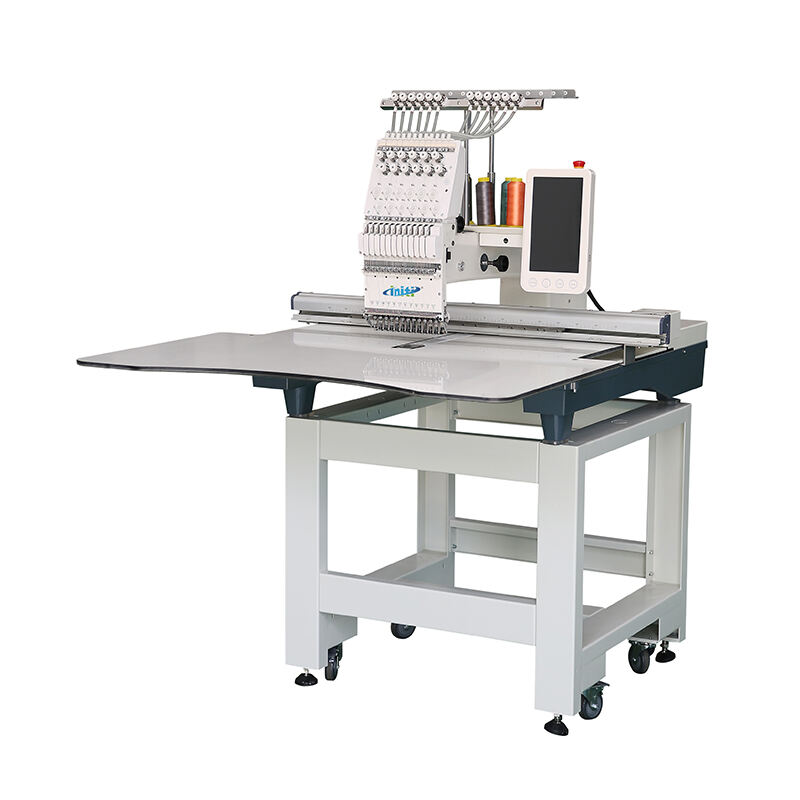
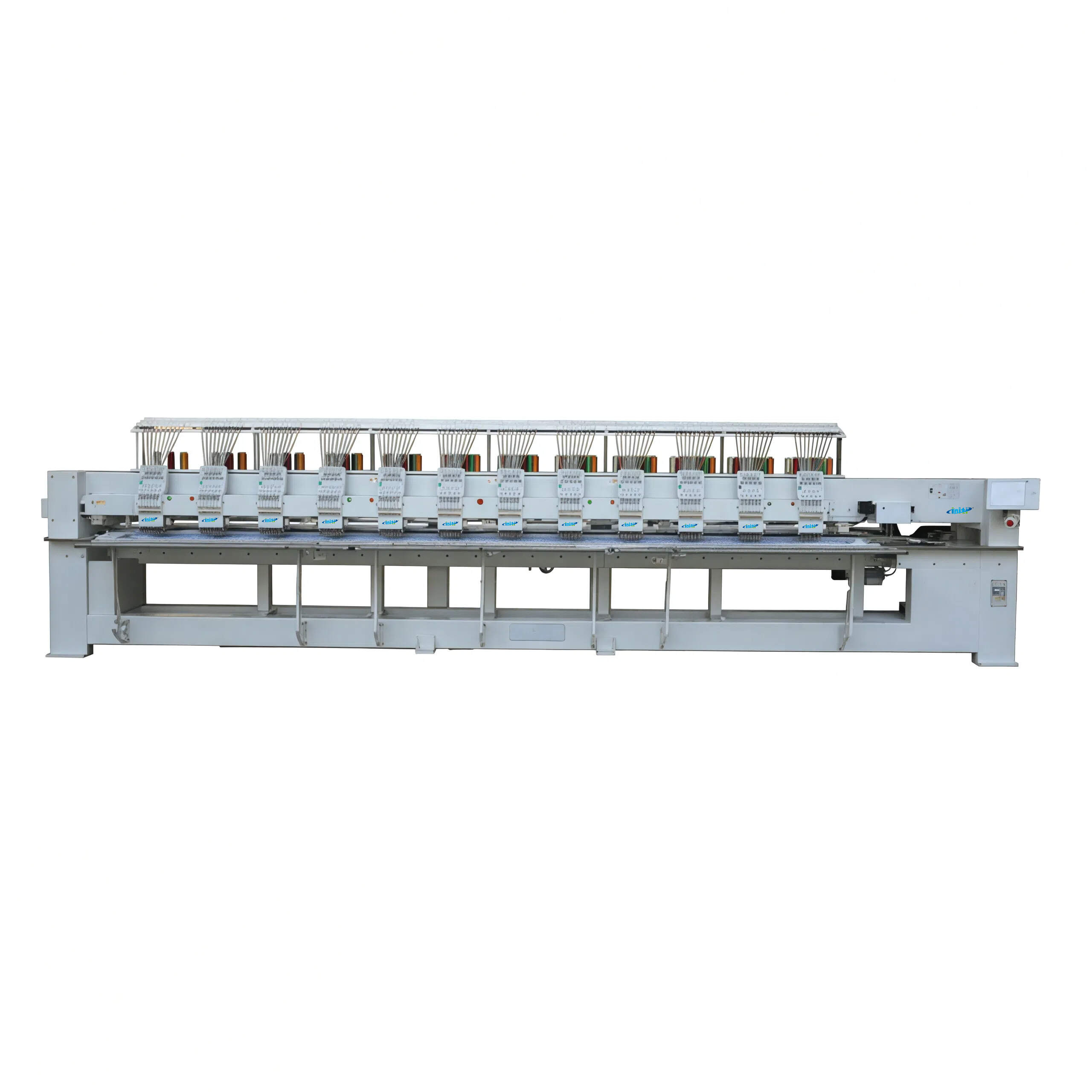
The configuration of embroidery machine head arrangements significantly influences production capacity and operational flexibility across diverse manufacturing scenarios. Single-head machines excel in small-batch custom work and prototype development, while multi-head configurations provide the throughput necessary for large-scale commercial production. Six-head and twelve-head systems represent popular configurations that balance production capacity with equipment investment requirements for medium-scale operations.
Strategic head placement and spacing optimization ensure efficient material handling and operator access during production cycles. Premium embroidery machine designs incorporate adjustable spacing mechanisms that accommodate various hoop sizes and fabric types without compromising stitching quality or operational efficiency. This adaptability enables manufacturers to handle diverse product lines using a single machine platform, maximizing equipment utilization rates and return on investment.
Simultaneous Production Capabilities
Multi-head embroidery machines enable simultaneous production of identical or different designs across multiple workstations, dramatically increasing throughput compared to single-head alternatives. Advanced models support independent operation of each head, allowing operators to run different designs simultaneously while maintaining quality consistency across all production positions. This flexibility proves particularly valuable for businesses handling multiple customer orders or product variations concurrently.
Efficient material loading and unloading systems complement multi-head configurations by streamlining workflow transitions between production cycles. Superior designs incorporate accessible workstation layouts that enable rapid garment changes without disrupting ongoing operations at adjacent heads. These ergonomic considerations reduce operator fatigue and maintain consistent production speeds throughout extended operating periods.
Thread Management and Material Handling Systems
Thread Delivery and Tension Control
Exceptional embroidery machine performance depends heavily on sophisticated thread management systems that ensure consistent delivery and optimal tension throughout the stitching process. Premium models feature individual thread tensioning mechanisms for each needle position, enabling precise control over thread behavior across multi-color designs. Advanced tension control systems automatically compensate for variations in thread characteristics, environmental conditions, and fabric properties to maintain uniform stitch appearance.
Large-capacity thread storage systems reduce downtime associated with thread replenishment while supporting extended production runs. Superior embroidery machine designs incorporate organized thread positioning that prevents tangling and facilitates efficient color changes during complex multi-tone designs. These systems often include visual indicators that alert operators to low thread conditions before depletion occurs, enabling proactive maintenance scheduling that prevents production interruptions.
Fabric Positioning and Hooping Technology
Precise fabric positioning represents a fundamental requirement for achieving professional embroidery results, with advanced hooping systems providing the stability and accuracy necessary for complex designs. Premium embroidery machines incorporate multiple hoop size options and quick-change mechanisms that minimize setup time between different product types. Pneumatic clamping systems ensure consistent fabric tension across the embroidery area while preventing distortion that could compromise design accuracy.
Innovative positioning systems utilize laser alignment guides and digital measurement tools that eliminate guesswork from fabric placement procedures. These precision positioning aids enable operators to achieve consistent placement accuracy across large production batches while reducing waste associated with misaligned embroidery. Advanced models support programmable positioning sequences that automatically adjust for different garment types and design requirements.
Maintenance Requirements and Long-Term Reliability
Preventive Maintenance Systems
The long-term performance of an embroidery machine depends significantly on the design of maintenance systems and the accessibility of critical components for routine servicing. Superior models incorporate self-lubricating bearing systems and sealed mechanical components that reduce maintenance frequency while extending operational lifespan. Advanced diagnostic systems provide detailed maintenance scheduling recommendations based on actual usage patterns rather than arbitrary time intervals.
Tool-free access to commonly serviced components streamlines routine maintenance procedures and reduces downtime associated with preventive care. Premium embroidery machine designs position filters, belts, and adjustment points for easy operator access without requiring specialized tools or extensive disassembly procedures. This accessibility enables efficient maintenance execution that can be performed during scheduled downtime periods without impacting production schedules.
Component Durability and Replacement Availability
Industrial-grade embroidery machines utilize high-quality components engineered for extended service life under demanding production conditions. Premium models feature hardened steel components in high-wear areas, sealed bearing assemblies, and corrosion-resistant finishes that maintain performance standards throughout extended operational periods. The selection of proven component suppliers ensures consistent quality and long-term availability of replacement parts.
Comprehensive parts availability and technical support infrastructure represent critical factors in embroidery machine selection decisions. Leading manufacturers maintain extensive parts inventories and provide detailed technical documentation that enables efficient troubleshooting and repair procedures. Access to qualified service technicians and training resources ensures that equipment investments continue delivering value throughout their operational lifespan.
Cost-Effectiveness and Return on Investment Analysis
Initial Investment Considerations
The purchase price of an embroidery machine represents only one component of the total cost of ownership equation, with operational efficiency, maintenance requirements, and productivity capabilities significantly influencing long-term financial performance. Premium models typically command higher initial investments but deliver superior throughput, reliability, and quality consistency that can justify the additional expense through improved operational efficiency.
Financing options and lease programs enable businesses to acquire advanced embroidery machine technology without substantial upfront capital commitments. These arrangements often include maintenance packages and technical support services that provide predictable operating costs while ensuring optimal equipment performance throughout the agreement period. Careful analysis of production requirements and financial resources enables selection of acquisition strategies that optimize return on investment.
Operating Cost Optimization
Energy efficiency represents an increasingly important consideration in embroidery machine selection, with modern servo motor technology delivering significant reductions in power consumption compared to traditional mechanical drive systems. Advanced models incorporate energy management features that automatically adjust power consumption based on operational requirements, reducing utility costs during periods of reduced activity or standby operation.
Thread consumption optimization through precise tensioning control and efficient cutting mechanisms reduces material waste while maintaining quality standards. Superior embroidery machine designs minimize thread usage through intelligent path planning and optimized stitch sequencing that eliminates unnecessary movements and redundant operations. These efficiency improvements contribute directly to reduced operating costs and improved profitability across high-volume production environments.
FAQ
What factors should be prioritized when selecting a commercial embroidery machine for high-volume production
When choosing a commercial embroidery machine for high-volume applications, prioritize stitching speed capabilities exceeding 1,000 stitches per minute, multi-head configurations that enable simultaneous production, and robust construction designed for continuous operation. Advanced thread management systems, automated features that reduce operator intervention, and comprehensive diagnostic capabilities should also rank highly in the selection criteria. Additionally, consider the availability of technical support, parts inventory, and training resources from the manufacturer to ensure long-term operational success.
How does multi-head configuration impact embroidery machine productivity and efficiency
Multi-head embroidery machine configurations dramatically increase productivity by enabling simultaneous production of multiple identical or different designs, effectively multiplying output capacity compared to single-head alternatives. A six-head system can theoretically produce six times more embroidered items per hour than a comparable single-head machine, assuming adequate material handling and operator support. The efficiency gains extend beyond simple multiplication, as operators can optimize workflow by running different designs simultaneously and managing material changes more effectively across multiple workstations.
What maintenance practices are essential for maximizing embroidery machine lifespan and performance
Essential maintenance practices for embroidery machines include daily cleaning of lint and thread debris from mechanical components, regular lubrication of moving parts according to manufacturer specifications, and periodic calibration of tension systems and needle positioning mechanisms. Weekly inspection of thread guides, tensioning devices, and cutting mechanisms helps identify wear patterns before they impact production quality. Monthly comprehensive cleaning of electronic components and verification of diagnostic system functionality ensures optimal performance and early detection of potential issues that could cause costly downtime.
How do advanced control systems improve embroidery machine operation and design flexibility
Advanced control systems enhance embroidery machine operation through intuitive touchscreen interfaces that simplify complex design management and provide real-time production monitoring capabilities. These systems support direct connectivity with design software, enabling seamless transfer of patterns without quality loss or format conversion issues. Intelligent automation features automatically adjust operating parameters based on design characteristics and material properties, while comprehensive editing capabilities allow operators to modify designs without external software dependencies, significantly improving operational flexibility and reducing setup times for new production runs.
Table of Contents
- Essential Performance Characteristics of Superior Embroidery Equipment
- Advanced Technology Integration and Control Systems
- Multi-Head Configuration and Production Scalability
- Thread Management and Material Handling Systems
- Maintenance Requirements and Long-Term Reliability
- Cost-Effectiveness and Return on Investment Analysis
-
FAQ
- What factors should be prioritized when selecting a commercial embroidery machine for high-volume production
- How does multi-head configuration impact embroidery machine productivity and efficiency
- What maintenance practices are essential for maximizing embroidery machine lifespan and performance
- How do advanced control systems improve embroidery machine operation and design flexibility