

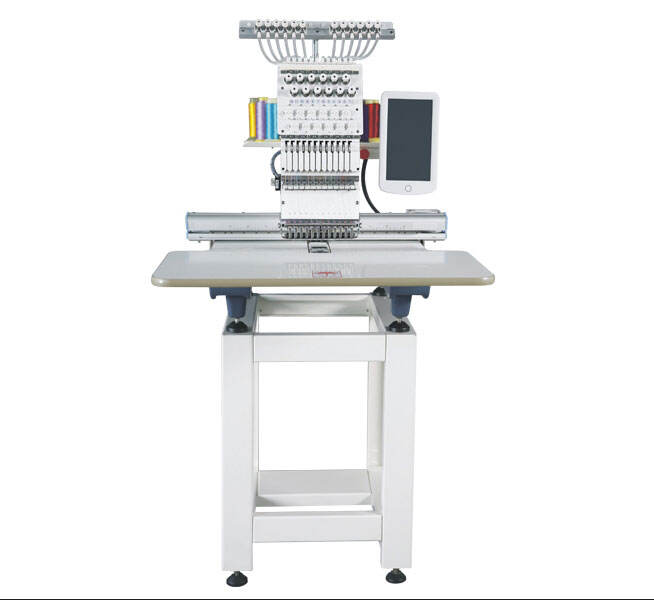
The textile and fashion industry has witnessed a remarkable transformation with the advent of computerized embroidery machines, which have revolutionized how businesses approach decorative stitching and custom designs. These sophisticated pieces of equipment combine cutting-edge technology with traditional craftsmanship, enabling manufacturers, custom shops, and entrepreneurs to produce intricate embroidered products with unprecedented precision and efficiency. Modern computerized embroidery machines have become essential tools for businesses seeking to maintain competitive advantages in today's demanding marketplace, offering capabilities that far exceed traditional manual embroidery methods.
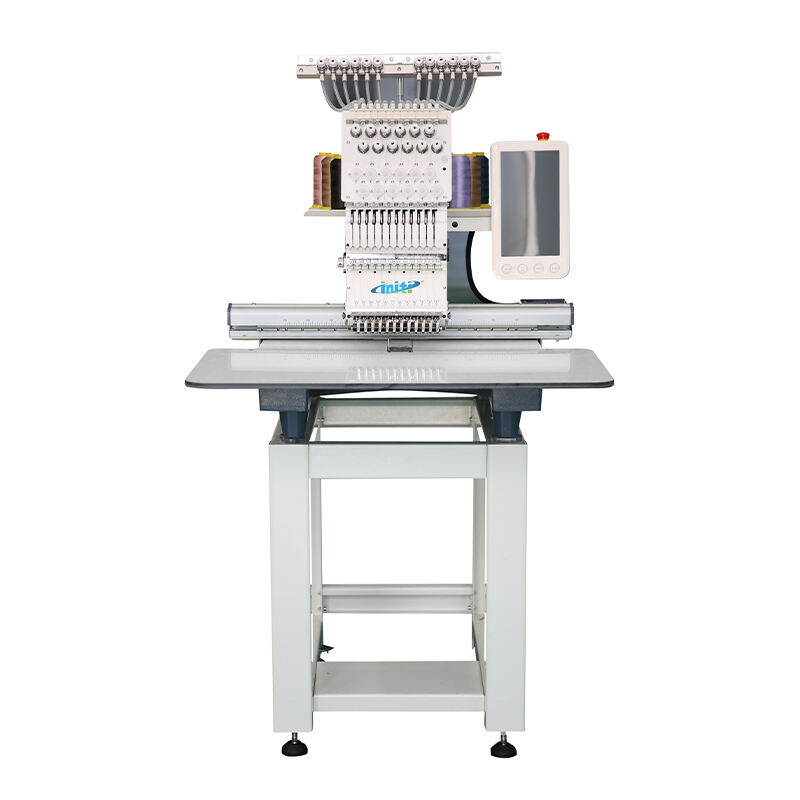
The dominance of computerized embroidery machines in today's market stems from their ability to deliver consistent, high-quality results while significantly reducing production time and labor costs. Unlike traditional hand embroidery or older mechanical machines, these advanced systems utilize sophisticated software controls, precise servo motors, and intelligent thread management systems to execute complex designs with remarkable accuracy. The integration of digital technology has enabled these machines to process intricate patterns, automatically adjust tension settings, and maintain consistent stitch quality throughout extended production runs.
Advanced Technology Integration
Digital Control Systems
Modern computerized embroidery machines incorporate state-of-the-art digital control systems that serve as the brain of the entire operation. These systems process design files, coordinate multiple needle movements, and manage thread changes with millisecond precision. The sophisticated microprocessors embedded within these machines can handle complex mathematical calculations required for precise stitch placement, ensuring that every embroidered element aligns perfectly with the original design specifications.
The digital control systems also feature user-friendly interfaces that allow operators to easily import designs, adjust parameters, and monitor production progress in real-time. Advanced touchscreen displays provide intuitive navigation through various settings and functions, making it possible for operators with different skill levels to achieve professional results. These control systems continuously monitor machine performance, automatically detecting potential issues before they affect production quality.
Precision Engineering Components
The mechanical components of computerized embroidery machines represent decades of engineering refinement and innovation. High-precision servo motors provide the exact positioning required for intricate embroidery work, while advanced bearing systems ensure smooth operation even during high-speed production cycles. The frame construction typically utilizes heavy-duty materials that minimize vibration and maintain dimensional stability throughout extended operation periods.
Component integration focuses on achieving optimal balance between speed, accuracy, and durability. Premium machines feature sealed bearing assemblies, precision-ground components, and advanced lubrication systems that extend operational life while maintaining consistent performance standards. The engineering excellence evident in these machines translates directly into superior embroidery quality and reduced maintenance requirements for end users.
Production Efficiency Advantages
Speed and Throughput Capabilities
Contemporary computerized embroidery machines achieve remarkable production speeds without compromising stitch quality or design integrity. Advanced models can execute thousands of stitches per minute while maintaining precise thread tension and consistent penetration depth. This exceptional speed capability enables businesses to fulfill large orders within tight deadlines, significantly improving overall operational efficiency and customer satisfaction levels.
The throughput advantages extend beyond raw stitching speed to include reduced setup times, automated thread changes, and intelligent production scheduling features. Many machines can operate continuously for hours with minimal operator intervention, allowing businesses to maximize productive capacity while reducing labor costs. The combination of high-speed operation and automated functions creates substantial competitive advantages for companies utilizing these advanced embroidery systems.
Multi-Head Configuration Benefits
Multi-head computerized embroidery machines multiply production capacity by enabling simultaneous embroidery of multiple items or different design elements. These configurations allow businesses to process large volumes efficiently while maintaining consistent quality across all production heads. The synchronized operation of multiple embroidery heads reduces per-unit production costs and enables faster order fulfillment for commercial applications.
The flexibility offered by multi-head systems extends to design complexity and color management, as different heads can work on various aspects of complex designs simultaneously. This capability proves particularly valuable for businesses handling diverse product lines or customers requiring quick turnaround times. The scalability provided by multi-head configurations allows businesses to adapt their production capacity to meet fluctuating demand levels effectively.
Design Versatility and Creative Capabilities
Software Integration Features
Modern computerized embroidery machines seamlessly integrate with sophisticated embroidery software packages that unlock virtually unlimited creative possibilities. These software solutions enable designers to create, modify, and optimize embroidery patterns with professional-grade tools and features. The compatibility with industry-standard file formats ensures that designs can be easily shared, modified, and implemented across different machine platforms.
Advanced software features include automatic digitizing capabilities, stitch optimization algorithms, and real-time design preview functions that streamline the design-to-production workflow. Many software packages also include extensive libraries of pre-designed elements, fonts, and patterns that can be customized to meet specific project requirements. The integration between software and hardware components creates a seamless production environment that maximizes both efficiency and creative potential.
Material Compatibility Range
The versatility of computerized embroidery machines extends to their ability to work with an extensive range of materials and fabric types. From delicate silk and lightweight cotton to heavy denim and leather, these machines can adapt their operation parameters to accommodate different material characteristics. Advanced tension control systems automatically adjust to optimal settings for each material type, ensuring consistent stitch quality regardless of fabric variations.
Specialized hooping systems and stabilizer options further expand material compatibility, enabling successful embroidery on challenging substrates such as stretch fabrics, knits, and technical textiles. The ability to work with diverse materials opens new market opportunities for businesses utilizing computerized embroidery machines, allowing them to serve broader customer bases and explore innovative product applications.
Quality Control and Consistency
Automated Quality Monitoring
Computerized embroidery machines incorporate sophisticated quality monitoring systems that continuously assess stitch formation, thread tension, and overall embroidery integrity during production. These automated systems can detect irregularities such as thread breaks, skipped stitches, or tension variations and immediately alert operators to potential issues. The proactive quality monitoring capabilities help maintain consistent production standards and minimize waste from defective products.
Advanced monitoring features include real-time stitch counting, automatic thread break detection, and intelligent error recovery functions that can resume production from the exact interruption point. These capabilities reduce downtime and ensure that quality issues are addressed promptly before they affect large production runs. The integration of quality monitoring with machine controls creates a self-regulating production environment that maintains high standards with minimal operator intervention.
Reproducibility Standards
The digital nature of computerized embroidery machines enables perfect reproduction of designs across multiple production runs, ensuring consistent quality and appearance for branded merchandise and commercial applications. Once a design is properly digitized and optimized, these machines can reproduce it identically thousands of times without variation in stitch placement, density, or color sequence. This reproducibility proves essential for businesses requiring consistent branding and quality standards across their product lines.
Documentation and recipe storage capabilities allow operators to save optimal production parameters for specific designs and materials, ensuring that successful production settings can be easily recalled for future orders. The ability to maintain consistent quality standards across different operators and production shifts provides significant advantages for businesses focused on building strong brand reputations and customer loyalty.
Market Applications and Industry Impact
Commercial Manufacturing Applications
Computerized embroidery machines have transformed commercial manufacturing operations across multiple industries, from fashion and apparel to promotional products and industrial textiles. Large-scale manufacturers utilize these machines to produce branded merchandise, corporate uniforms, and decorative elements for various products. The efficiency and consistency provided by computerized systems enable manufacturers to meet demanding production schedules while maintaining competitive pricing structures.
The scalability of computerized embroidery machines makes them suitable for operations ranging from small custom shops to large industrial facilities. Multi-head configurations and automated material handling systems can be integrated to create complete production lines capable of processing thousands of items per day. This flexibility allows businesses to adapt their operations to meet specific market demands and growth objectives.
Custom Design Services Market
The custom embroidery services market has experienced significant growth due to the capabilities provided by computerized embroidery machines. These systems enable small businesses and entrepreneurs to offer professional-quality custom embroidery services without requiring extensive technical expertise or large capital investments. The user-friendly interfaces and automated functions make it possible for new operators to achieve professional results with minimal training.
Custom service providers benefit from the quick setup times and design flexibility offered by computerized systems, enabling them to handle diverse customer requests efficiently. The ability to process small orders economically while maintaining high quality standards has opened new market segments and business opportunities for embroidery service providers. The growing demand for personalized products continues to drive expansion in this market segment.
Economic Benefits and Return on Investment
Operational Cost Reduction
Computerized embroidery machines deliver substantial operational cost reductions through improved efficiency, reduced waste, and lower labor requirements. The automated functions and precise control systems minimize material waste by ensuring accurate stitch placement and eliminating rework due to quality issues. The reduction in manual labor requirements allows businesses to reallocate human resources to higher-value activities while maintaining or increasing production output.
Energy efficiency improvements in modern computerized embroidery machines contribute to reduced operational costs through lower power consumption and optimized production cycles. Advanced motor control systems and intelligent power management features ensure that energy is utilized efficiently throughout the production process. The combination of reduced material waste, lower labor costs, and improved energy efficiency creates compelling economic advantages for businesses investing in these systems.
Revenue Generation Potential
The enhanced capabilities provided by computerized embroidery machines enable businesses to pursue higher-value markets and premium pricing opportunities. The ability to execute complex designs with consistent quality allows companies to differentiate their offerings and command premium prices for specialized services. The speed and efficiency advantages enable businesses to handle larger order volumes, directly increasing revenue potential.
Market expansion opportunities created by computerized embroidery machines include entry into new product categories, geographic markets, and customer segments previously inaccessible due to production limitations. The versatility and reliability of these systems provide the foundation for business growth and diversification strategies that can significantly enhance long-term profitability and market position.
Future Technology Developments
Artificial Intelligence Integration
The integration of artificial intelligence technologies represents the next frontier in computerized embroidery machine development. AI-powered systems will enhance design optimization, predictive maintenance, and quality control capabilities beyond current standards. Machine learning algorithms will enable these systems to continuously improve their performance based on production data and operator feedback, creating increasingly efficient and intelligent production environments.
Advanced AI integration will include features such as automatic design optimization for specific materials, predictive thread break detection, and intelligent production scheduling that maximizes throughput while minimizing resource consumption. The development of AI-enhanced computerized embroidery machines will further expand their dominance in the market by providing unprecedented levels of automation and optimization.
Connectivity and Industry Integration
Future computerized embroidery machines will feature enhanced connectivity options that enable seamless integration with broader manufacturing systems and supply chain networks. Internet of Things capabilities will provide real-time production monitoring, remote diagnostics, and automated reporting functions that improve operational visibility and decision-making capabilities. The integration with enterprise resource planning systems will streamline order processing and inventory management.
Cloud-based services and remote monitoring capabilities will enable manufacturers to optimize their operations through data analytics and performance benchmarking. The enhanced connectivity features will create new service models and support structures that further increase the value proposition of computerized embroidery machines for businesses of all sizes.
FAQ
What makes computerized embroidery machines more efficient than traditional methods
Computerized embroidery machines achieve superior efficiency through automated functions, precise digital controls, and consistent quality output that eliminates the variability associated with manual embroidery processes. These machines can operate at much higher speeds while maintaining accuracy, and their ability to run continuously with minimal supervision dramatically increases productive capacity compared to traditional hand embroidery or mechanical machines.
How do computerized embroidery machines maintain consistent quality across large production runs
Quality consistency in computerized embroidery machines is maintained through digital pattern storage, automated tension control systems, and continuous monitoring of stitch formation parameters. Once a design is properly programmed and optimized, the machine can reproduce it identically thousands of times because all variables are controlled digitally, eliminating human error and material inconsistencies that typically affect manual production methods.
What types of businesses benefit most from investing in computerized embroidery machines
Businesses that benefit most from computerized embroidery machines include commercial apparel manufacturers, custom embroidery service providers, promotional product companies, and industrial textile manufacturers. These machines are particularly valuable for operations requiring high-volume production, consistent quality standards, quick turnaround times, or the ability to handle complex custom designs efficiently.
What should businesses consider when selecting computerized embroidery machines for their operations
Key considerations when selecting computerized embroidery machines include production volume requirements, design complexity needs, material compatibility requirements, available floor space, operator skill levels, and integration requirements with existing systems. Businesses should also evaluate the total cost of ownership, including maintenance requirements, software costs, and training needs, to ensure the selected system aligns with their operational objectives and budget constraints.
Table of Contents
- Advanced Technology Integration
- Production Efficiency Advantages
- Design Versatility and Creative Capabilities
- Quality Control and Consistency
- Market Applications and Industry Impact
- Economic Benefits and Return on Investment
- Future Technology Developments
-
FAQ
- What makes computerized embroidery machines more efficient than traditional methods
- How do computerized embroidery machines maintain consistent quality across large production runs
- What types of businesses benefit most from investing in computerized embroidery machines
- What should businesses consider when selecting computerized embroidery machines for their operations