

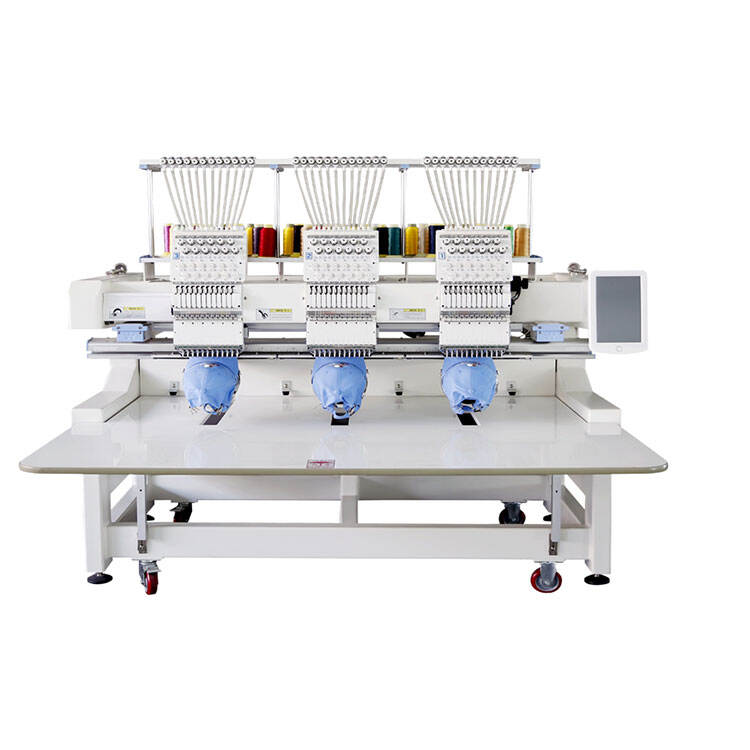
The embroidery industry has witnessed a remarkable transformation with the introduction of affordable, high-quality budget computerized embroidery machines that deliver professional results without breaking the bank. These innovative devices have democratized the art of embroidery, making it accessible to small businesses, hobbyists, and entrepreneurs who previously couldn't afford industrial-grade equipment. Modern budget computerized embroidery machines combine advanced technology with user-friendly interfaces, offering precision stitching capabilities that rival expensive commercial models.
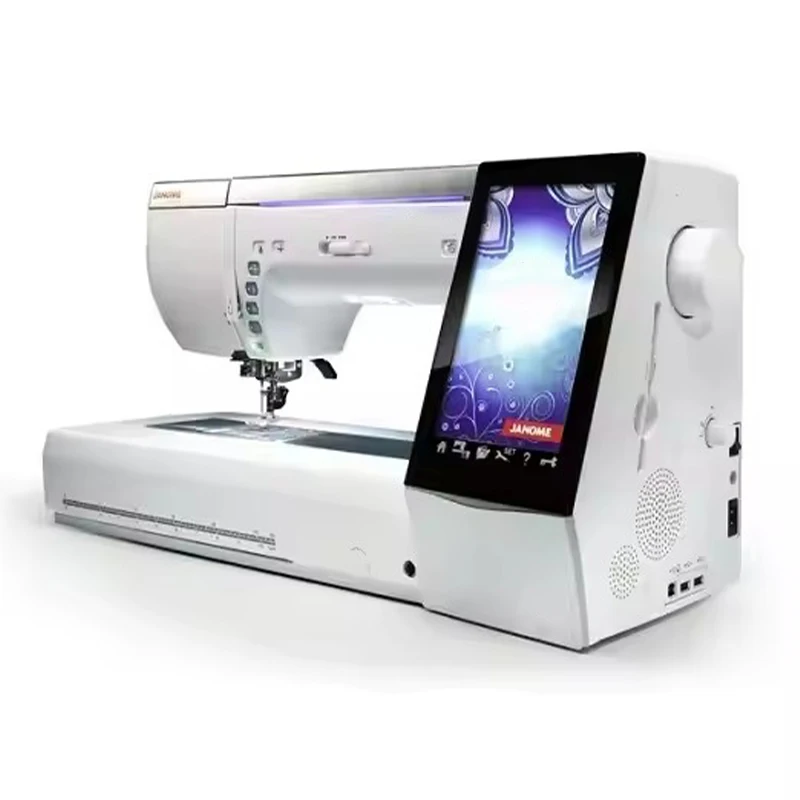
The market for affordable embroidery solutions has expanded significantly, driven by technological advancements that reduce manufacturing costs while maintaining quality standards. Today's budget computerized embroidery machines incorporate sophisticated features such as automatic thread cutting, multiple hoop sizes, and extensive built-in design libraries. These machines cater to diverse applications, from personalized gifts and custom apparel to small-scale commercial production, providing exceptional value for money-conscious buyers.
Essential Features of Modern Budget Embroidery Technology
Advanced Stitching Capabilities and Precision Control
Contemporary budget computerized embroidery machines deliver remarkable stitching precision through servo motor systems and computerized tension control mechanisms. These features ensure consistent thread tension and accurate needle positioning, resulting in professional-quality embroidery output. The integrated speed control allows users to adjust stitching rates based on fabric type and design complexity, optimizing both quality and productivity. Most models feature automatic color change capabilities, eliminating manual intervention during multi-color projects and reducing production time significantly.
The precision control systems in budget computerized embroidery machines utilize advanced algorithms to calculate optimal stitch paths and densities. This technology prevents common embroidery issues such as thread breaks, puckering, and uneven stitching that often plague lower-quality machines. High-resolution LCD displays provide real-time monitoring of stitching progress, allowing operators to make immediate adjustments when necessary. The combination of precise mechanical components and intelligent software creates embroidery results that consistently meet professional standards.
User-Friendly Interface and Design Customization
Modern budget computerized embroidery machines prioritize user accessibility through intuitive touchscreen interfaces and simplified operation procedures. These machines typically include comprehensive design libraries with hundreds of pre-programmed patterns, fonts, and motifs that users can customize and combine. The software integration allows for easy design editing, resizing, and color modification without requiring advanced technical knowledge. Many models support popular embroidery file formats, enabling seamless integration with third-party design software and online pattern libraries.
The customization capabilities extend beyond basic editing functions, offering advanced features such as applique programming, monogramming templates, and automated lettering systems. Users can create complex multi-layered designs by combining various elements and adjusting stitch parameters to achieve desired aesthetic effects. The machines' memory systems store frequently used designs and settings, streamlining the production process for repeat orders. This level of customization flexibility makes budget computerized embroidery machines suitable for both creative hobbyists and commercial operators seeking design versatility.
Commercial Applications and Market Opportunities
Small Business Integration and Revenue Generation
Budget computerized embroidery machines present significant opportunities for small business development and revenue generation across various market segments. Entrepreneurs can establish embroidery services with minimal initial investment, targeting local markets such as schools, sports teams, corporate clients, and special events. The machines' reliability and professional output quality enable operators to compete effectively with established embroidery shops while maintaining competitive pricing structures. Many successful businesses have built sustainable revenue streams by specializing in niche markets such as baby items, pet accessories, or luxury linens.
The scalability of operations using budget computerized embroidery machines allows businesses to grow organically without substantial equipment upgrades. Operators can expand their service offerings by adding heat transfer vinyl applications, rhinestone placement, and combination embroidery-printing services. The machines' consistent performance and low maintenance requirements ensure minimal downtime and maximum productivity, crucial factors for maintaining customer satisfaction and business profitability. Strategic marketing of unique design capabilities and quick turnaround times helps differentiate budget-conscious operators from larger commercial competitors.
Educational and Training Applications
Educational institutions increasingly incorporate budget computerized embroidery machines into their curriculum to provide students with practical experience in digital textile design and automated manufacturing processes. These machines serve as excellent training tools for fashion design, textile technology, and vocational programs focused on entrepreneurship and small business development. Students gain hands-on experience with computerized equipment operation, design software utilization, and quality control procedures that directly translate to employment opportunities in the textile and fashion industries.
The affordability factor makes budget computerized embroidery machines accessible to educational budgets while providing students with exposure to professional-grade technology and processes. Training programs can cover comprehensive topics including machine maintenance, troubleshooting, design digitization, and business planning for embroidery services. Many educational institutions partner with local businesses to provide real-world project experience, allowing students to work on actual customer orders while developing practical skills. This approach creates valuable workforce development opportunities while supporting local economic growth through skilled operator availability.
Technical Specifications and Performance Standards
Mechanical Engineering and Build Quality
The mechanical engineering behind budget computerized embroidery machines reflects significant advancements in manufacturing efficiency and component optimization. Modern machines utilize precision-machined frames and high-quality bearing systems that minimize vibration and ensure stable operation during high-speed stitching cycles. The needle bar mechanisms incorporate advanced materials and engineering designs that reduce wear patterns and extend operational lifespan. Quality budget computerized embroidery machines feature robust motor systems with sufficient torque for consistent penetration through multiple fabric layers and dense embroidery areas.
Component quality control measures ensure that budget computerized embroidery machines maintain performance standards comparable to higher-priced alternatives. Critical components such as timing systems, thread guides, and tension assemblies undergo rigorous testing to prevent premature failure and maintain consistent stitching quality. The frame construction typically utilizes aluminum alloys or steel compositions that provide necessary rigidity while minimizing overall machine weight for portability. Advanced lubrication systems and sealed bearing assemblies reduce maintenance requirements and extend component service life significantly.
Software Integration and Connectivity Features
Contemporary budget computerized embroidery machines integrate sophisticated software packages that rival expensive commercial systems in functionality and ease of use. The embedded operating systems support multiple file formats, automatic design scaling, and intelligent thread color matching that simplifies the production workflow. USB connectivity and network capabilities enable seamless design transfer from computers, tablets, and cloud-based design platforms. Many machines include Wi-Fi connectivity options that support remote monitoring and design transmission, enhancing operational flexibility for busy production environments.
The software platforms accompanying budget computerized embroidery machines typically include comprehensive editing suites with advanced features such as auto-digitizing capabilities, stitch simulation, and production time estimation. These tools enable operators to optimize designs for specific fabric types and minimize production costs through efficient thread usage and reduced stitching time. Regular software updates add new features and design content, ensuring that machines remain current with industry trends and technological developments. The integration capabilities extend to popular design software packages, allowing seamless workflow integration for professional designers and commercial operators.
Maintenance and Operational Efficiency
Preventive Maintenance Protocols
Effective maintenance protocols ensure optimal performance and longevity of budget computerized embroidery machines while minimizing operational disruptions and repair costs. Regular cleaning procedures remove lint, dust, and thread residue that can interfere with mechanical components and stitching quality. The maintenance schedule typically includes daily cleaning routines, weekly lubrication procedures, and monthly comprehensive inspections of critical components. Proper maintenance practices can extend machine lifespan significantly while maintaining consistent embroidery quality and reducing unexpected breakdowns that disrupt production schedules.
Operator training in maintenance procedures proves essential for maximizing the return on investment in budget computerized embroidery machines. Simple maintenance tasks such as needle replacement, bobbin threading, and tension adjustment can be performed by operators without technical expertise, reducing dependency on service technicians for routine issues. Comprehensive maintenance logs help track component wear patterns and predict replacement needs before failures occur. Many manufacturers provide detailed maintenance guides and video tutorials that support operator self-sufficiency in equipment care and basic troubleshooting procedures.
Troubleshooting and Problem Resolution
Common operational issues with budget computerized embroidery machines typically relate to thread tension, needle selection, and fabric stabilization rather than mechanical failures. Understanding proper troubleshooting procedures enables operators to quickly resolve production issues and maintain workflow continuity. Thread breakage problems often result from incorrect needle types, improper tension settings, or inadequate fabric preparation rather than machine defects. Systematic troubleshooting approaches help identify root causes and implement effective solutions without requiring expensive service calls or extended downtime periods.
The diagnostic capabilities built into modern budget computerized embroidery machines provide valuable assistance in problem identification and resolution. Error codes and diagnostic messages guide operators toward specific solutions, while built-in help systems offer step-by-step correction procedures. Many machines include automatic calibration features that compensate for minor mechanical variations and maintain consistent performance over time. Regular calibration procedures ensure that budget computerized embroidery machines continue delivering accurate positioning and consistent stitch quality throughout their operational lifespan.
Market Comparison and Selection Criteria
Performance Evaluation and Feature Analysis
Evaluating budget computerized embroidery machines requires careful consideration of performance metrics, feature sets, and long-term value propositions rather than focusing solely on initial purchase price. Key performance indicators include maximum stitching speed, design area capacity, thread color capacity, and overall build quality that affects operational reliability. The embroidery field size directly impacts production versatility, with larger areas enabling more diverse project types and higher productivity for commercial applications. Speed capabilities must be balanced against stitching quality, as excessive speed can compromise embroidery precision and increase thread breakage rates.
Feature analysis should prioritize functionality that aligns with intended applications and operational requirements. Budget computerized embroidery machines targeting commercial use should emphasize production features such as automatic trimming, multiple hoop compatibility, and robust thread handling systems. Hobbyist-oriented machines may prioritize user-friendly interfaces, extensive built-in design libraries, and compact form factors suitable for home workshop environments. The availability and cost of consumable supplies such as needles, threads, and stabilizers significantly impact long-term operational costs and should factor into selection decisions.
Manufacturer Support and Warranty Considerations
Manufacturer support quality plays a crucial role in the long-term success of budget computerized embroidery machine investments, particularly for operators lacking extensive technical expertise. Comprehensive warranty coverage should include both mechanical components and software support, with clearly defined terms for repair, replacement, and technical assistance. The availability of local service technicians and parts suppliers affects operational continuity and repair turnaround times. Manufacturers offering extensive documentation, training resources, and responsive customer support provide additional value that justifies potential price premiums over minimal-support alternatives.
The reputation and stability of manufacturers significantly impact the long-term viability of budget computerized embroidery machine investments. Established manufacturers with proven track records typically offer better parts availability, software updates, and technical support throughout the machine's operational lifespan. User communities and online forums provide valuable insights into real-world performance, common issues, and manufacturer responsiveness. Reference checks with existing users help validate manufacturer claims and identify potential concerns before making purchase commitments. The total cost of ownership, including support, maintenance, and upgrade costs, often proves more important than initial purchase price in determining overall value.
FAQ
What is the typical lifespan of budget computerized embroidery machines
Quality budget computerized embroidery machines typically provide 5-10 years of reliable service with proper maintenance and reasonable usage patterns. The actual lifespan depends on factors such as build quality, maintenance practices, usage intensity, and environmental conditions. Machines used in commercial applications with high daily stitch counts may require component replacements sooner than those used intermittently for hobby projects. Regular maintenance and proper operation significantly extend machine lifespan and maintain consistent performance quality throughout the service period.
How much space is required for operating budget computerized embroidery machines
Most budget computerized embroidery machines require approximately 4-6 feet of table space for the machine itself, plus additional clearance for hoop movement and operator access. The total workspace should include areas for thread storage, stabilizer materials, and finished work staging. Adequate lighting and electrical access are essential for safe and efficient operation. Many compact models are designed for home workshop environments and can operate effectively in spaces as small as 8x10 feet when properly organized with appropriate storage solutions.
What types of fabrics work best with budget computerized embroidery machines
Budget computerized embroidery machines handle a wide variety of fabric types including cotton, polyester, denim, canvas, and blended materials effectively with proper stabilization techniques. Lighter fabrics require appropriate tear-away or cut-away stabilizers to prevent puckering and distortion during stitching. Heavier fabrics like leather or thick canvas may require specialized needles and adjusted tension settings for optimal results. The key to successful embroidery on diverse fabrics lies in proper preparation, appropriate stabilizer selection, and correct machine settings rather than fabric limitations.
Can budget computerized embroidery machines handle commercial production volumes
Well-designed budget computerized embroidery machines can effectively handle small to medium commercial production volumes when operated within their design specifications and maintenance requirements. Daily production capacity depends on design complexity, fabric types, and operational efficiency, with typical outputs ranging from 20-100 pieces per day for single-head machines. Success in commercial applications requires realistic expectations, proper workflow planning, and commitment to regular maintenance schedules. Many successful small businesses have built profitable operations around budget computerized embroidery machines by focusing on niche markets and efficient production processes.
Table of Contents
- Essential Features of Modern Budget Embroidery Technology
- Commercial Applications and Market Opportunities
- Technical Specifications and Performance Standards
- Maintenance and Operational Efficiency
- Market Comparison and Selection Criteria
-
FAQ
- What is the typical lifespan of budget computerized embroidery machines
- How much space is required for operating budget computerized embroidery machines
- What types of fabrics work best with budget computerized embroidery machines
- Can budget computerized embroidery machines handle commercial production volumes