

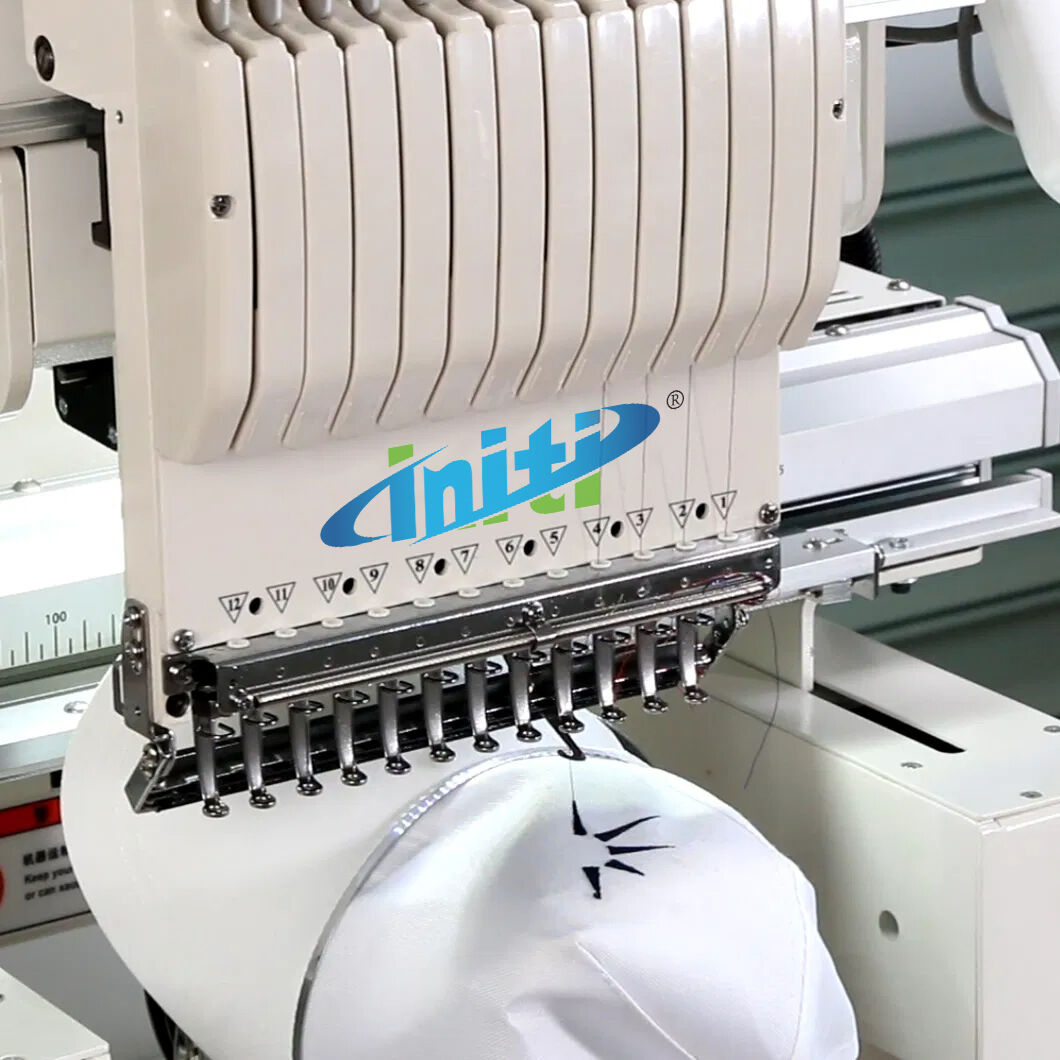
In today's competitive manufacturing landscape, businesses seeking computerized embroidery machines face a critical decision that can significantly impact their operational efficiency and bottom line. The choice between purchasing through distributors or partnering directly with a factory represents more than just a procurement strategy—it's a fundamental business decision that affects quality, cost, customization capabilities, and long-term support. Direct factory partnerships have emerged as the preferred approach for companies that prioritize precision, cost-effectiveness, and tailored solutions in their computerized embroidery machines procurement process.
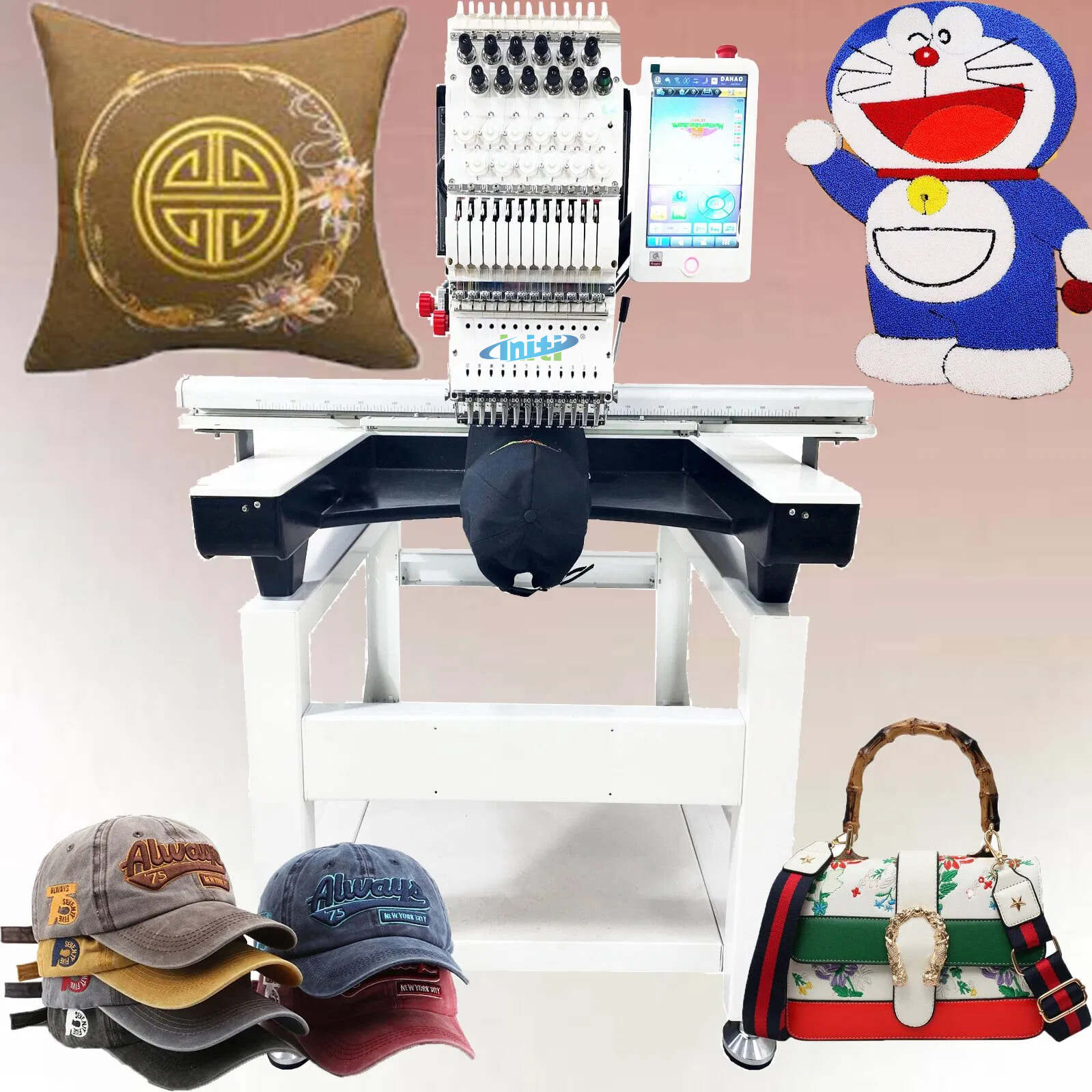
The global textile and embroidery industry has witnessed remarkable technological advancement, with computerized embroidery machines becoming increasingly sophisticated and specialized. Modern manufacturers require equipment that not only meets current production demands but also adapts to evolving market requirements. When businesses work directly with factories, they gain access to the source of innovation, enabling them to influence product development and secure machines that align perfectly with their operational objectives.
Cost Advantages of Direct Factory Partnerships
Elimination of Intermediary Markups
Direct factory procurement eliminates multiple layers of intermediary costs that traditionally inflate the final price of computerized embroidery machines. When purchasing through distributors, buyers typically pay markups that can range from 20% to 40% above factory prices. These markups cover distributor overhead, sales commissions, marketing expenses, and profit margins that add no value to the actual equipment performance or quality.
Factory-direct purchasing allows businesses to access wholesale pricing structures typically reserved for large-volume buyers. Even companies ordering single units or small quantities can benefit from reduced pricing when establishing direct relationships with manufacturers. This cost reduction becomes particularly significant for businesses planning to expand their computerized embroidery machines fleet over time, as accumulated savings can fund additional equipment or operational improvements.
Transparent Pricing Structures
Working directly with factories provides complete visibility into pricing components, enabling better budget planning and cost management. Manufacturers can explain exactly what factors influence pricing for their computerized embroidery machines, including raw materials, labor, technology components, and quality control processes. This transparency helps businesses make informed decisions and plan for future purchases with greater accuracy.
Direct partnerships also facilitate negotiation opportunities that rarely exist when working through intermediaries. Factories can offer volume discounts, payment terms, or package deals that reflect the true cost structure of manufacturing computerized embroidery machines. These negotiations often result in customized pricing arrangements that align with specific business needs and purchasing patterns.
Quality Control and Customization Benefits
Direct Quality Oversight
Partnering directly with factories enables businesses to participate in quality control processes for their computerized embroidery machines. This involvement can include pre-production consultations, mid-production inspections, and final testing protocols that ensure equipment meets exact specifications. Factory partnerships allow buyers to witness manufacturing processes firsthand, providing confidence in product quality and construction standards.
Direct oversight also enables immediate feedback and correction during production, preventing quality issues that might otherwise go unnoticed until delivery. When purchasing computerized embroidery machines through distributors, quality problems often surface only after installation, leading to delays, returns, or costly modifications. Factory partnerships eliminate these risks by ensuring quality standards are met throughout the manufacturing process.
Customization Capabilities
Manufacturing flexibility represents one of the most compelling advantages of direct factory partnerships. Factories can modify computerized embroidery machines to meet specific operational requirements, whether involving software configurations, mechanical adjustments, or specialized features. These customizations might include specific thread handling systems, unique hoop sizes, specialized software interfaces, or integration capabilities with existing production systems.
Custom modifications often prove impossible when purchasing through distributors, as intermediaries typically stock standard configurations and lack the technical expertise or factory relationships necessary to implement changes. Direct factory partnerships enable businesses to specify exactly what they need in their computerized embroidery machines, ensuring optimal integration with existing workflows and production requirements.
Technical Support and Service Advantages
Expert Technical Knowledge
Factory technicians possess intimate knowledge of computerized embroidery machines design, construction, and operation that simply cannot be matched by distributor support staff. When technical issues arise, factory support teams can provide precise diagnostics and solutions based on comprehensive understanding of every component and system. This expertise translates to faster problem resolution, more accurate troubleshooting, and better preventive maintenance guidance.
Direct factory relationships also provide access to engineering teams who designed and built the equipment. These specialists can offer insights into optimal operating procedures, advanced features utilization, and performance optimization techniques that maximize the value of computerized embroidery machines investments. Such detailed technical knowledge rarely filters down through distribution channels, leaving end users with limited understanding of their equipment's full capabilities.
Rapid Parts and Service Availability
Maintenance and repair efficiency significantly improves when working directly with computerized embroidery machines manufacturers. Factories maintain comprehensive parts inventories and can expedite shipments without distributor processing delays. This direct access to components reduces downtime and ensures that production schedules remain uninterrupted when maintenance needs arise.
Factory relationships also enable businesses to establish preventive maintenance programs that anticipate parts replacement needs before failures occur. Manufacturers can recommend optimal replacement schedules based on actual usage data and component lifecycle information for their computerized embroidery machines. This proactive approach minimizes unexpected downtime and extends equipment operational life.
Innovation Access and Future-Proofing
Early Access to New Technologies
Direct factory partnerships provide privileged access to emerging technologies and product developments before they reach the broader market. Manufacturers often seek feedback from trusted partners during product development phases, allowing these businesses to influence design decisions and secure early access to advanced computerized embroidery machines. This early access can provide competitive advantages by enabling adoption of cutting-edge capabilities before competitors.
Innovation partnerships also create opportunities for collaborative development, where factories work with customers to address specific industry challenges or create specialized solutions. These collaborations can result in customized computerized embroidery machines that provide unique competitive advantages and operational efficiencies unavailable through standard commercial channels.
Long-term Technology Roadmap Visibility
Understanding manufacturer development plans enables better long-term investment decisions and technology planning. Factories can share roadmaps for future computerized embroidery machines enhancements, allowing businesses to plan upgrade paths and ensure compatibility with evolving production requirements. This visibility prevents premature obsolescence and enables strategic technology investments that provide sustained value.
Long-term partnerships also facilitate phased upgrade programs where businesses can gradually modernize their computerized embroidery machines fleet according to budget constraints and operational priorities. Factories can coordinate these upgrades to maintain production continuity while ensuring technology advancement aligns with business growth objectives.
Supply Chain Reliability and Security
Direct Supply Chain Control
Eliminating intermediary dependencies creates more reliable and predictable supply chains for computerized embroidery machines procurement. Direct factory relationships reduce the risk of distributor business failures, inventory shortages, or service disruptions that can impact equipment availability and support. This control becomes particularly valuable during market disruptions or economic uncertainties when distributor networks may experience instability.
Direct partnerships also enable better coordination of delivery schedules and installation timelines, as factories can provide accurate production schedules and shipping information without distributor interpretation or delay. This precision helps businesses plan facility preparations, staff training, and production schedule adjustments with greater confidence and accuracy.
Consistent Communication Channels
Working directly with factories eliminates communication barriers and information distortion that often occur in multi-tier distribution systems. Factory representatives can provide accurate technical specifications, delivery timelines, and service capabilities for their computerized embroidery machines without interpretation or modification by intermediaries. This clear communication reduces misunderstandings and ensures that customer expectations align with actual product capabilities.
Direct communication also enables faster decision-making and problem resolution, as issues can be addressed immediately with decision-makers rather than filtered through multiple organizational layers. This efficiency proves particularly valuable when time-sensitive production requirements or technical challenges require immediate attention.
Risk Mitigation Strategies
Quality Assurance Protocols
Direct factory partnerships enable implementation of comprehensive quality assurance protocols that provide greater confidence in computerized embroidery machines performance and reliability. These protocols can include factory audits, production monitoring, and testing procedures that verify equipment meets specified standards before shipment. Such detailed quality oversight reduces the risk of receiving defective or substandard equipment.
Quality assurance also extends to ongoing performance monitoring, where factories can track equipment performance data and identify potential issues before they impact production. This proactive approach to quality management helps prevent costly downtime and ensures that computerized embroidery machines continue operating at optimal efficiency throughout their service life.
Warranty and Support Security
Factory-direct warranties typically offer more comprehensive coverage and longer terms than distributor warranties, providing greater protection for computerized embroidery machines investments. Manufacturers stand behind their products with confidence, offering extensive warranty coverage that reflects their quality standards and engineering expertise. These warranties often include provisions for remote diagnostics, on-site service, and expedited parts replacement that minimize production disruptions.
Direct warranty relationships also eliminate concerns about distributor business continuity affecting warranty coverage. When distributors cease operations or change product lines, warranty support may become unavailable or inadequate. Factory-direct warranties remain valid regardless of distributor network changes, ensuring long-term protection for computerized embroidery machines investments.
FAQ
How can I verify a factory's legitimacy before establishing a direct partnership
Verifying factory legitimacy requires comprehensive due diligence including business license verification, facility inspections, customer reference checks, and quality certification reviews. Request detailed company information, manufacturing facility tours, and examples of previous computerized embroidery machines installations. Professional trade associations and industry directories can provide additional verification resources for manufacturer credibility assessment.
What minimum order quantities should I expect when working directly with factories
Minimum order quantities vary significantly among computerized embroidery machines manufacturers, with many accepting single-unit orders for standard models while requiring larger quantities for customized configurations. Discuss quantity requirements early in negotiations, as factories may offer flexible terms for long-term partnership commitments or phased delivery arrangements that accommodate budget constraints and operational needs.
How do I handle warranty claims and technical support across international boundaries
International factory partnerships require clear warranty and support agreements that specify response times, communication protocols, and resolution procedures for computerized embroidery machines issues. Many manufacturers maintain regional service centers or authorized technicians who can provide local support while maintaining direct factory communication for complex technical problems. Establish clear escalation procedures and emergency contact protocols before equipment delivery.
What should I consider when evaluating factory financial stability and longevity
Evaluate factory financial stability through credit reports, industry reputation assessments, facility investment levels, and technology development capabilities. Established computerized embroidery machines manufacturers typically demonstrate consistent innovation, expanding facilities, and growing customer bases that indicate long-term viability. Request financial references and review the company's investment in research and development as indicators of future sustainability and support capability.
Table of Contents
- Cost Advantages of Direct Factory Partnerships
- Quality Control and Customization Benefits
- Technical Support and Service Advantages
- Innovation Access and Future-Proofing
- Supply Chain Reliability and Security
- Risk Mitigation Strategies
-
FAQ
- How can I verify a factory's legitimacy before establishing a direct partnership
- What minimum order quantities should I expect when working directly with factories
- How do I handle warranty claims and technical support across international boundaries
- What should I consider when evaluating factory financial stability and longevity